What does Psalms 51:16 mean?
“For thou desirest not sacrifice; else would I give it: thou delightest not in burnt offering.” — Psalms 51:16
Psalms 51:16 in the King James Version (KJV) reads, "For thou desirest not sacrifice; else would I give it: thou delightest not in burnt offering." This verse is part of a larger passage in which King David confesses his sin to God and seeks forgiveness and restoration. The entire psalm is a powerful expression of repentance and the deep longing for God's mercy and grace.
The context of this verse is important to understand its full significance. King David had committed adultery with Bathsheba and then conspired to have her husband, Uriah, killed in battle. When confronted by the prophet Nathan, David recognized the severity of his sin and was deeply troubled. In Psalm 51, David humbly confesses his guilt and appeals to God for forgiveness and cleansing. The psalm reflects the inner turmoil and contrition of a person who realizes the gravity of their transgressions and seeks reconciliation with God.
In verse 16, David acknowledges that mere external rituals and sacrifices are insufficient to atone for his sins. He understands that God desires a broken and contrite heart, rather than empty religious gestures. This sentiment resonates with the broader themes of the psalm, as it underscores the importance of genuine repentance and humility before God.
The verse also points to the idea that God values sincerity and authenticity over outward displays of religious observance. This concept is consistent with the teachings of the prophets in the Old Testament and the message of Jesus in the New Testament. In the book of Isaiah, God denounces the Israelites' empty religious practices, stating, "Stop bringing meaningless offerings! Your incense is detestable to me. New Moons, Sabbaths and convocations—I cannot bear your worthless assemblies" (Isaiah 1:13, NIV). Similarly, in the Gospels, Jesus criticizes the Pharisees for their outward piety while neglecting justice, mercy, and faithfulness (Matthew 23:23-24).
The verse also carries symbolic significance within the broader biblical narrative. It foreshadows the ultimate sacrifice of Jesus Christ on the cross for the redemption of humanity. In the New Testament, the apostle Paul writes that "God presented Christ as a sacrifice of atonement, through the shedding of his blood—to be received by faith" (Romans 3:25, NIV). The verse from Psalms 51 anticipates the profound truth that God's ultimate desire is for a genuine and humble heart, rather than ritualistic sacrifices. It points to the centrality of inner transformation and the redemptive work of Christ.
In summary, Psalms 51:16 from the King James Version encapsulates the timeless message of genuine repentance and the primacy of inward sincerity over external religious observance. It reflects the deep longing for forgiveness and restoration, as well as the recognition of God's mercy and grace. The verse also holds symbolic significance within the broader biblical narrative, pointing to the ultimate sacrifice of Jesus Christ for the redemption of humanity. As such, it remains a poignant and relevant expression of the human condition and the unchanging truth of God's redemptive love.
Get our apps


Artwork for Psalms 51:16

Psalms 51:16 - "For thou desirest not sacrifice; else would I give it: thou delightest not in burnt offering."

"For thou desirest not sacrifice; else would I give it: thou delightest not in burnt offering." - Psalms 51:16

Psalms 78:51 - "And smote all the firstborn in Egypt; the chief of their strength in the tabernacles of Ham:"
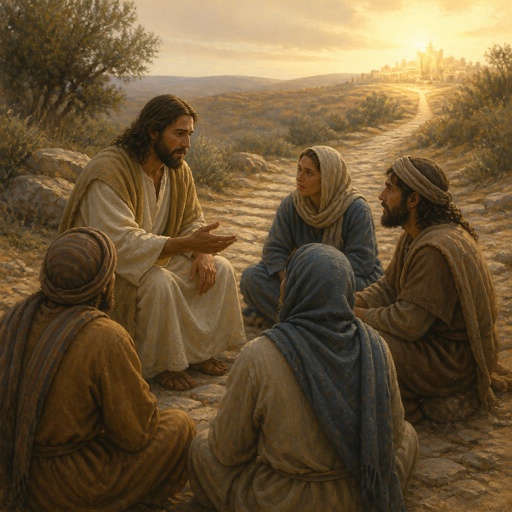
"Then will I teach transgressors thy ways; and sinners shall be converted unto thee." - Psalms 51:13

Psalms 51:5 - "Behold, I was shapen in iniquity; and in sin did my mother conceive me."

Psalms 51:13 - "Then will I teach transgressors thy ways; and sinners shall be converted unto thee."

Psalms 51:3 - "For I acknowledge my transgressions: and my sin is ever before me."

Psalms 51:9 - "Hide thy face from my sins, and blot out all mine iniquities."

Psalms 51:10 - "Create in me a clean heart, O God; and renew a right spirit within me."

Psalms 51:2 - "Wash me throughly from mine iniquity, and cleanse me from my sin."

Psalms 51:12 - "Restore unto me the joy of thy salvation; and uphold me with thy free spirit."

Psalms 51:18 - "Do good in thy good pleasure unto Zion: build thou the walls of Jerusalem."

Have mercy upon me, O God, according to thy lovingkindness: according unto the multitude of thy tender mercies blot out my transgressions. (Psalms 51:1)

"Create in me a clean heart, O God; and renew a right spirit within me." - Psalms 51:10
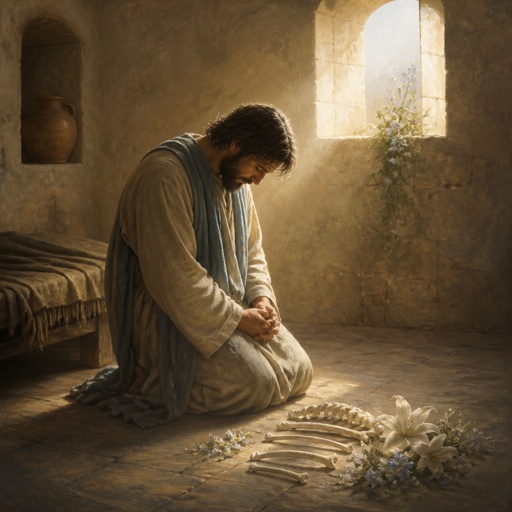
"Make me to hear joy and gladness; that the bones which thou hast broken may rejoice." - Psalms 51:8

Psalms 89:51 - "Wherewith thine enemies have reproached, O LORD; wherewith they have reproached the footsteps of thine anointed."

Psalms 51:8 - "Make me to hear joy and gladness; that the bones which thou hast broken may rejoice."

Psalms 51:11 - "Cast me not away from thy presence; and take not thy holy spirit from me."

Psalms 51:17 - "The sacrifices of God are a broken spirit: a broken and a contrite heart, O God, thou wilt not despise."

Psalms 51:6 - "Behold, thou desirest truth in the inward parts: and in the hidden part thou shalt make me to know wisdom."

Psalms 51:15 - "O Lord, open thou my lips; and my mouth shall shew forth thy praise."

Psalms 119:51 - "The proud have had me greatly in derision: yet have I not declined from thy law."

"Have mercy upon me, O God, according to thy lovingkindness: according unto the multitude of thy tender mercies blot out my transgressions." (Psalms 51:1)

Psalms 115:16 - "The heaven, even the heavens, are the LORD'S: but the earth hath he given to the children of men."

Psalms 51:14 - "Deliver me from bloodguiltiness, O God, thou God of my salvation: and my tongue shall sing aloud of thy righteousness."

Psalms 51:19 - "Then shalt thou be pleased with the sacrifices of righteousness, with burnt offering and whole burnt offering: then shall they offer bullocks upon thine altar."

Psalms 51:1 - "Have mercy upon me, O God, according to thy lovingkindness: according unto the multitude of thy tender mercies blot out my transgressions."
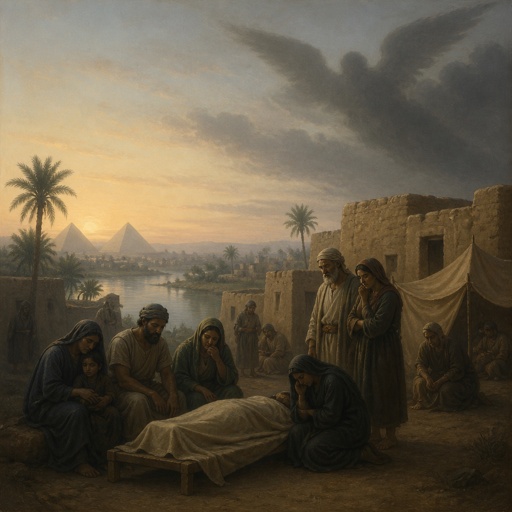
"And smote all the firstborn in Egypt; the chief of their strength in the tabernacles of Ham:" - Psalms 78:51
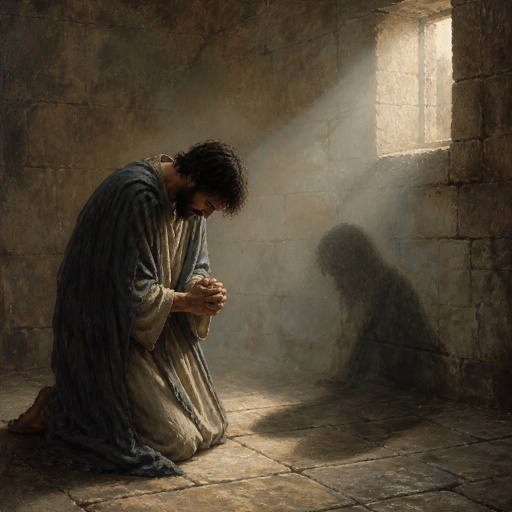
"For I acknowledge my transgressions: and my sin is ever before me." - Psalms 51:3
"They have mouths, but they speak not; eyes have they, but they see not;" - Psalms 135:16