What does Psalms 52:2 mean?
“Thy tongue deviseth mischiefs; like a sharp razor, working deceitfully.” — Psalms 52:2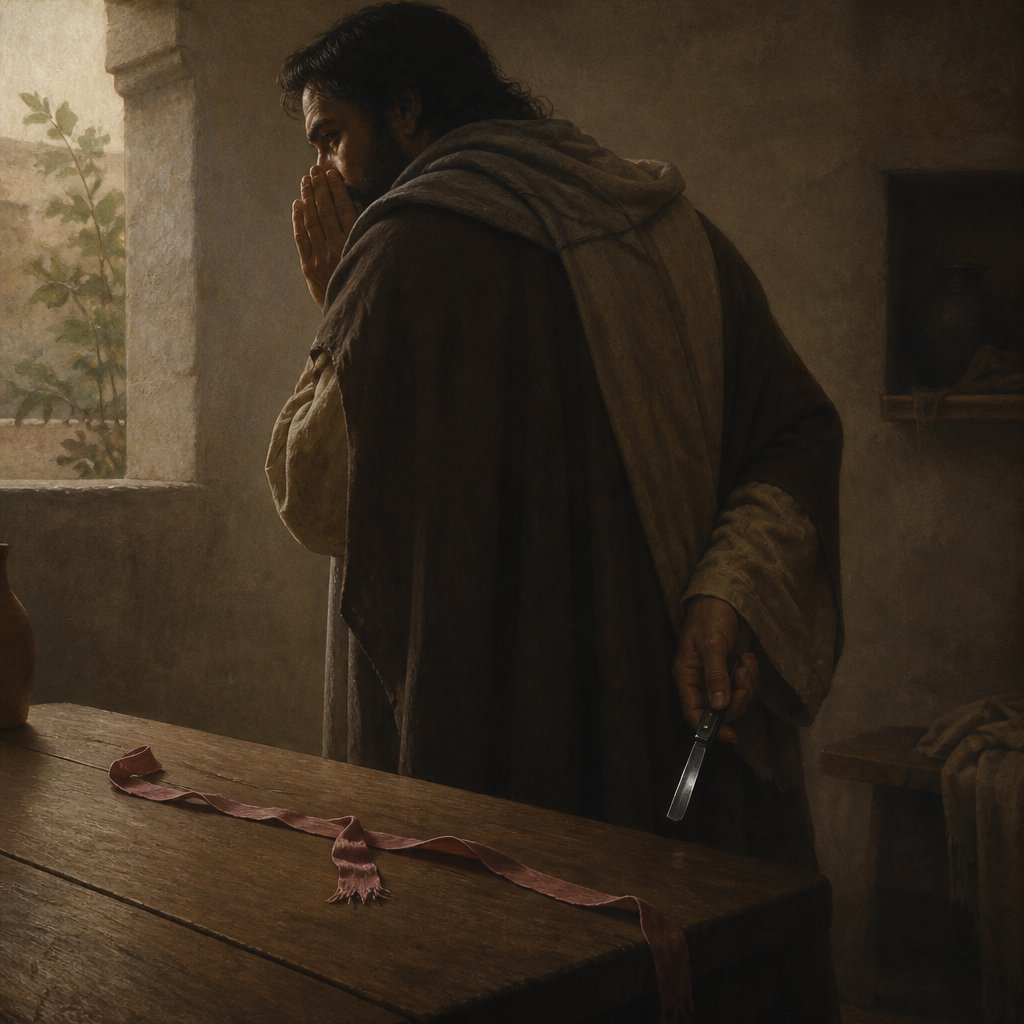
The Bible verse Psalms 52:2 in the King James Version (KJV) reads: "Thy tongue deviseth mischiefs; like a sharp razor, working deceitfully."
This verse is a part of Psalm 52, which is attributed to David. The context of this particular verse is a condemnation of a man named Doeg the Edomite, who betrayed David to King Saul. The psalm begins with the psalmist addressing the mighty man, Doeg, and warning him of the judgment that will come upon him for his deceitful and evil actions.
In this verse, the psalmist describes the actions of Doeg as a tongue that devises mischiefs, likening it to a sharp razor working deceitfully. This imagery is significant in understanding the depth of the psalmist's condemnation of Doeg's actions. The tongue is a symbol of speech, and in this context, it represents the deceitful words and actions of Doeg. The comparison to a sharp razor emphasizes the cutting and destructive nature of his words and actions. The use of deceitfully further emphasizes the deceptive nature of Doeg's behavior, as he acts with cunning and treachery.
The themes present in this verse are the destructive power of deceitful words and actions, the consequences of betrayal, and the condemnation of wickedness. The psalmist is calling out Doeg for his betrayal and deceit, warning him that his actions will lead to his own downfall and judgment.
The broader context of this verse within Psalm 52 reflects on the contrast between the wicked and the righteous. The psalmist expresses confidence in God's judgment and righteousness, stating that the wicked will be uprooted and destroyed, while the righteous will flourish and trust in the mercy of God. This theme of contrasting the fate of the wicked and the righteous is a common motif throughout the book of Psalms and the Bible as a whole.
The symbolism in this verse is rich and multifaceted. The tongue as a symbol of speech and communication is a recurring theme in the Bible, representing the power of words to bring life or death, blessings or curses. The sharp razor symbolizes the destructive and cutting nature of deceitful actions, highlighting the harm and pain that deceit can cause. And the overall imagery of the verse paints a vivid picture of the treacherous and cunning behavior of the wicked, emphasizing the moral and ethical implications of their actions.
In conclusion, Psalms 52:2 in the King James Version offers a powerful condemnation of deceitful and treacherous behavior, using rich imagery and symbolism to convey the destructive power of wickedness. The broader themes of this verse and Psalm 52 as a whole reflect on the contrast between the fate of the wicked and the righteous, as well as the confidence in God's justice and mercy. This verse serves as a poignant reminder of the consequences of deceit and betrayal, and the enduring truth of God's righteousness.
Get our apps


Artwork for Psalms 52:2

Psalms 52:2 - "Thy tongue deviseth mischiefs; like a sharp razor, working deceitfully."
"Thy tongue deviseth mischiefs; like a sharp razor, working deceitfully." - Psalms 52:2

"Blessed be the LORD for evermore. Amen, and Amen." - Psalms 89:52

Psalms 89:52 - "Blessed be the LORD for evermore. Amen, and Amen."
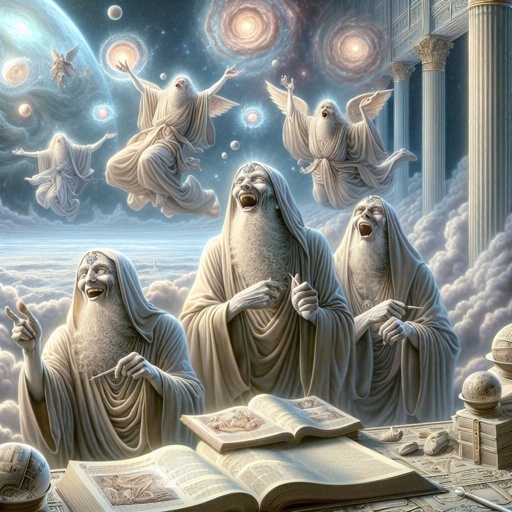
Psalms 52:6 - "The righteous also shall see, and fear, and shall laugh at him:"

Psalms 52:4 - "Thou lovest all devouring words, O thou deceitful tongue."

Psalms 119:52 - "I remembered thy judgments of old, O LORD; and have comforted myself."

Psalms 52:1 - "Why boastest thou thyself in mischief, O mighty man? the goodness of God endureth continually."

Psalms 52:3 - "Thou lovest evil more than good; and lying rather than to speak righteousness. Selah."

"Thou lovest evil more than good; and lying rather than to speak righteousness. Selah." - Psalms 52:3

Psalms 78:52 - "But made his own people to go forth like sheep, and guided them in the wilderness like a flock."

Psalms 52:7 - "Lo, this is the man that made not God his strength; but trusted in the abundance of his riches, and strengthened himself in his wickedness."

Psalms 52:8 - "But I am like a green olive tree in the house of God: I trust in the mercy of God for ever and ever."

Psalms 81:2 - "Take a psalm, and bring hither the timbrel, the pleasant harp with the psaltery."

Psalms 52:9 - "I will praise thee for ever, because thou hast done it: and I will wait on thy name; for it is good before thy saints."
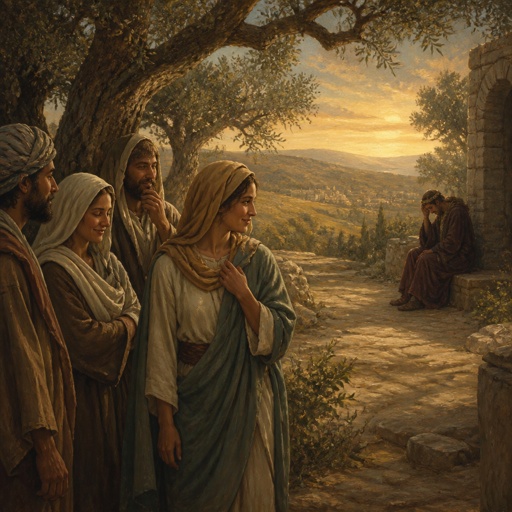
"The righteous also shall see, and fear, and shall laugh at him:" - Psalms 52:6
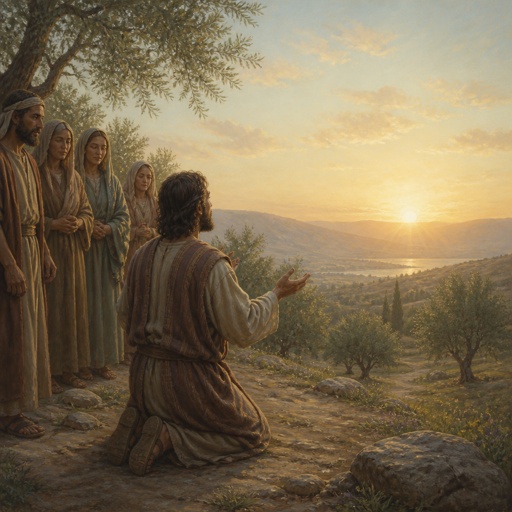
"I will praise thee for ever, because thou hast done it: and I will wait on thy name; for it is good before thy saints." - Psalms 52:9
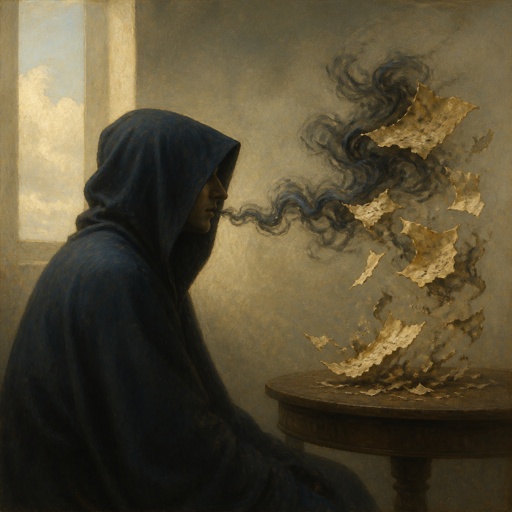
"Thou lovest all devouring words, O thou deceitful tongue." - Psalms 52:4
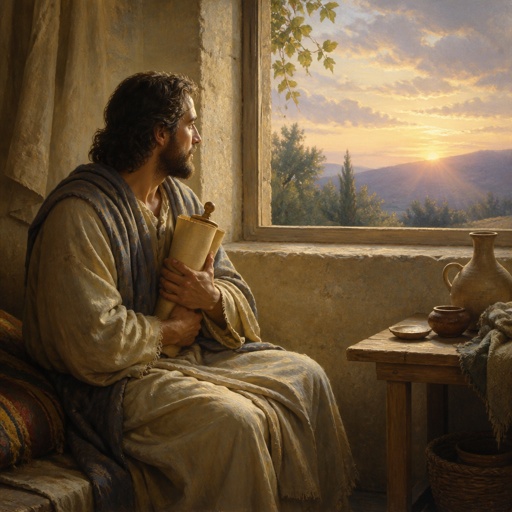
"I remembered thy judgments of old, O LORD; and have comforted myself." - Psalms 119:52

Psalms 52:5 - "God shall likewise destroy thee for ever, he shall take thee away, and pluck thee out of thy dwelling place, and root thee out of the land of the living. Selah."
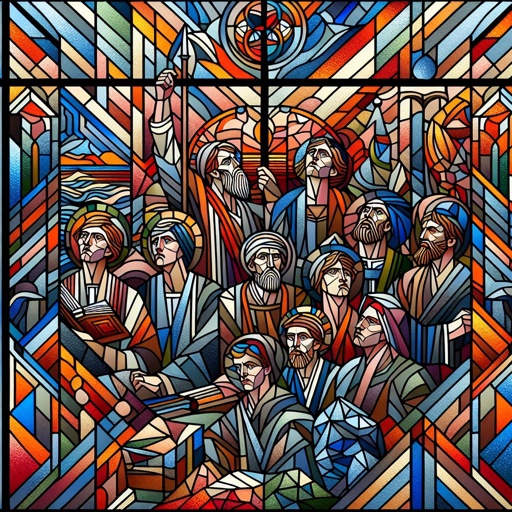
Psalms 115:2 - "Wherefore should the heathen say, Where is now their God?"

Luke 2:52
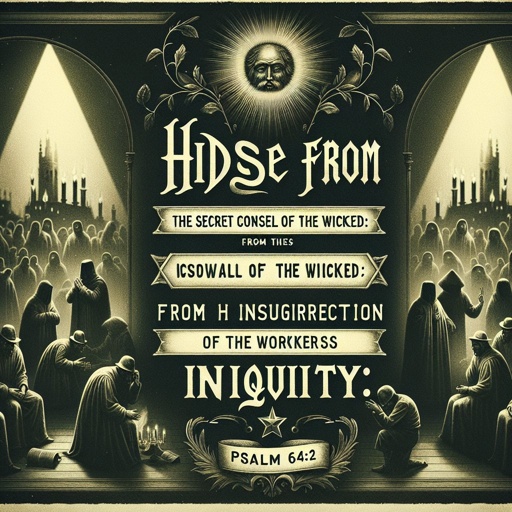
Psalms 64:2 - "Hide me from the secret counsel of the wicked; from the insurrection of the workers of iniquity:"

"Take a psalm, and bring hither the timbrel, the pleasant harp with the psaltery." - Psalms 81:2

"Why boastest thou thyself in mischief, O mighty man? the goodness of God endureth continually." - Psalms 52:1

Luke 2:41-52
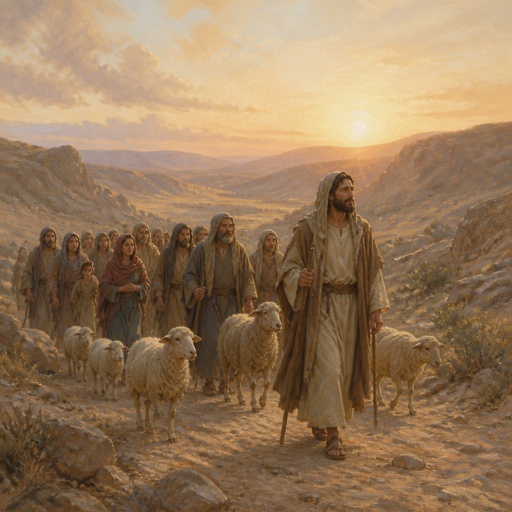
"But made his own people to go forth like sheep, and guided them in the wilderness like a flock." - Psalms 78:52

Psalms 54:2 - "Hear my prayer, O God; give ear to the words of my mouth."

Psalms 149:2 - "Let Israel rejoice in him that made him: let the children of Zion be joyful in their King."
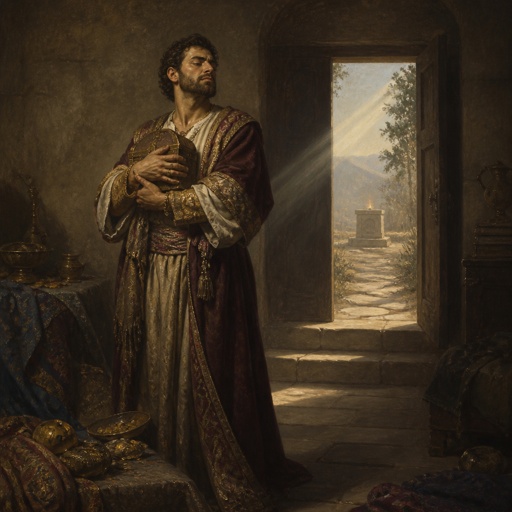
"Lo, this is the man that made not God his strength; but trusted in the abundance of his riches, and strengthened himself in his wickedness." - Psalms 52:7