What does Psalms 52:3 mean?
“Thou lovest evil more than good; and lying rather than to speak righteousness. Selah.” — Psalms 52:3
Psalm 52:3 in the King James Version of the Bible reads, "Thou lovest evil more than good; and lying rather than to speak righteousness. Selah." This verse is a powerful declaration of the contrast between the choice of evil over good, and lying over righteousness. To fully understand the depth of this verse, it is important to explore the historical and contextual background, as well as the themes and symbolism present in the verse.
Psalm 52 is attributed to David, and its context is centered around the betrayal and wickedness of Doeg the Edomite, who informed King Saul about David's visit to the priest Ahimelech. David is betrayed and hunted by Saul, and in this psalm, he inquires of God's steadfast love in the midst of such trials. The verses preceding and following verse 3 describe the evil and deceitful nature of Doeg, and the subsequent judgment and destruction he will face at the hands of God.
The theme of contrasting good and evil is prevalent in this verse. The psalmist is lamenting the fact that some individuals, like Doeg, love evil more than good. This speaks to the depravity of the human heart and the choice that some make to embrace wickedness rather than goodness. It also highlights the sad reality that there are those who find pleasure in lying rather than speaking truth and righteousness. This theme is not only reflective of the historical context of this psalm but is also relevant to human nature across time.
The mention of "Selah" at the end of the verse is also worth noting. The exact meaning of "Selah" is uncertain, but it is often interpreted as a musical or liturgical direction to pause and reflect. In the context of this verse, it serves as a reminder for the reader to stop and consider the weight of the words that have been spoken and to contemplate the contrast between loving evil over good and lying over righteousness.
The symbolism in this verse lies in the contrast between good and evil, and truth and lies. Evil and lying are often associated with darkness, deceit, and destruction, while good and righteousness are associated with light, truth, and life. This verse serves as a warning against the dangers of embracing evil and lying, as well as a call to pursue goodness and righteousness.
In a broader spiritual sense, this verse can also be seen as a reflection of the ongoing battle between good and evil, both in the individual human heart and in the world at large. It serves as a reminder that the choices we make have profound implications and that God ultimately judges the actions and intentions of the heart.
In conclusion, Psalm 52:3 in the King James Version of the Bible captures the stark contrast between loving evil over good and choosing lying over speaking righteousness. It speaks to the universal themes of good and evil, truth and lies, and the ultimate judgment and justice of God. The verse serves as a sobering reflection on the nature of humanity and the choices we make, as well as a call to pursue goodness and truth. Its depth and richness of meaning make it a poignant and timeless declaration of the enduring struggle between light and darkness.
Get our apps


Artwork for Psalms 52:3

Psalms 52:3 - "Thou lovest evil more than good; and lying rather than to speak righteousness. Selah."

"Thou lovest evil more than good; and lying rather than to speak righteousness. Selah." - Psalms 52:3

"Blessed be the LORD for evermore. Amen, and Amen." - Psalms 89:52

Psalms 89:52 - "Blessed be the LORD for evermore. Amen, and Amen."

Psalms 52:6 - "The righteous also shall see, and fear, and shall laugh at him:"

Psalms 52:2 - "Thy tongue deviseth mischiefs; like a sharp razor, working deceitfully."

Psalms 52:4 - "Thou lovest all devouring words, O thou deceitful tongue."

Psalms 119:52 - "I remembered thy judgments of old, O LORD; and have comforted myself."

Psalms 52:1 - "Why boastest thou thyself in mischief, O mighty man? the goodness of God endureth continually."

Psalms 78:52 - "But made his own people to go forth like sheep, and guided them in the wilderness like a flock."

Psalms 52:8 - "But I am like a green olive tree in the house of God: I trust in the mercy of God for ever and ever."

Psalms 52:7 - "Lo, this is the man that made not God his strength; but trusted in the abundance of his riches, and strengthened himself in his wickedness."

Psalms 52:9 - "I will praise thee for ever, because thou hast done it: and I will wait on thy name; for it is good before thy saints."
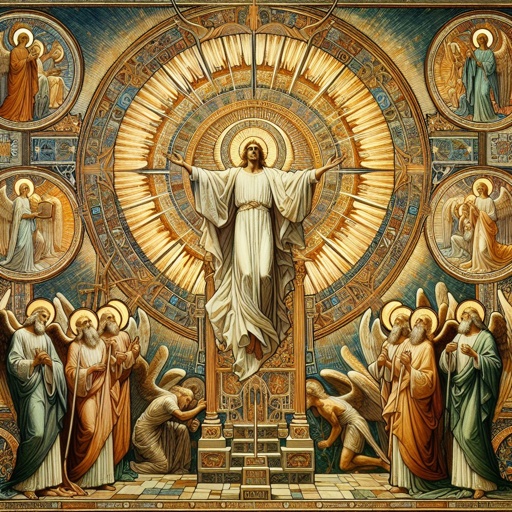
Psalms 111:3 - "His work is honourable and glorious: and his righteousness endureth for ever."
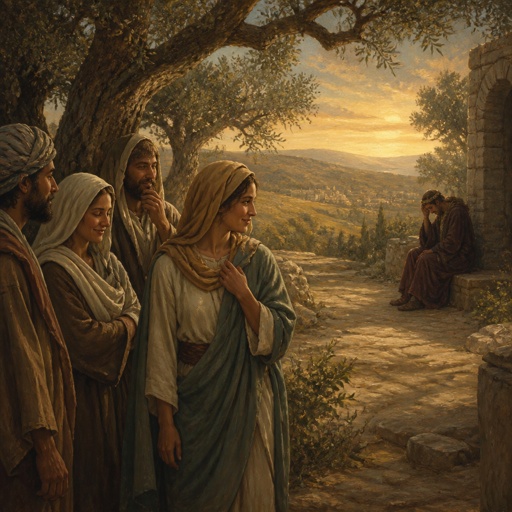
"The righteous also shall see, and fear, and shall laugh at him:" - Psalms 52:6
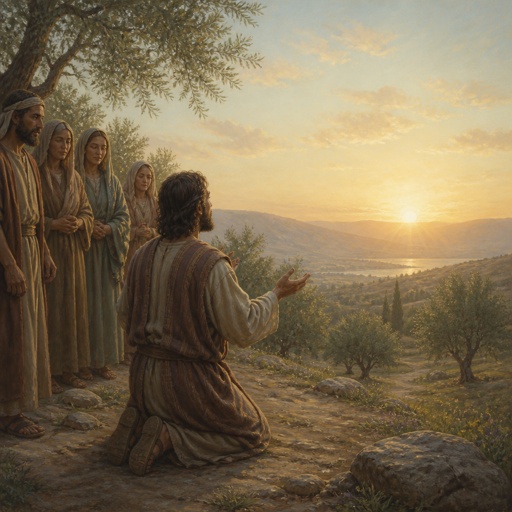
"I will praise thee for ever, because thou hast done it: and I will wait on thy name; for it is good before thy saints." - Psalms 52:9
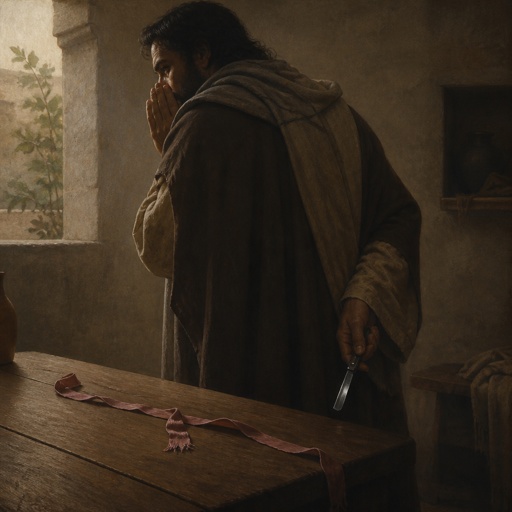
"Thy tongue deviseth mischiefs; like a sharp razor, working deceitfully." - Psalms 52:2

"Thou lovest all devouring words, O thou deceitful tongue." - Psalms 52:4

Psalms 88:3 - "For my soul is full of troubles: and my life draweth nigh unto the grave."

Psalms 103:3 - "Who forgiveth all thine iniquities; who healeth all thy diseases;"

Psalms 87:3 - "Glorious things are spoken of thee, O city of God. Selah."
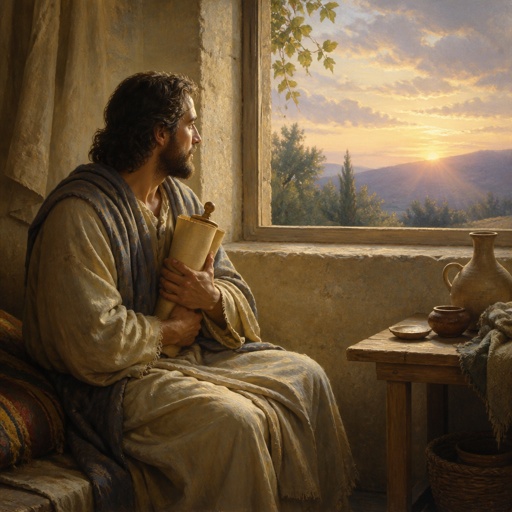
"I remembered thy judgments of old, O LORD; and have comforted myself." - Psalms 119:52

Psalms 52:5 - "God shall likewise destroy thee for ever, he shall take thee away, and pluck thee out of thy dwelling place, and root thee out of the land of the living. Selah."

Psalms 67:3 - "Let the people praise thee, O God; let all the people praise thee."

"Why boastest thou thyself in mischief, O mighty man? the goodness of God endureth continually." - Psalms 52:1

Psalms 116:3 - "The sorrows of death compassed me, and the pains of hell gat hold upon me: I found trouble and sorrow."

"The sea saw it, and fled: Jordan was driven back." - Psalms 114:3

Psalms 138:3 - "In the day when I cried thou answeredst me, and strengthenedst me with strength in my soul."

"There is no speech nor language, where their voice is not heard." - Psalms 19:3
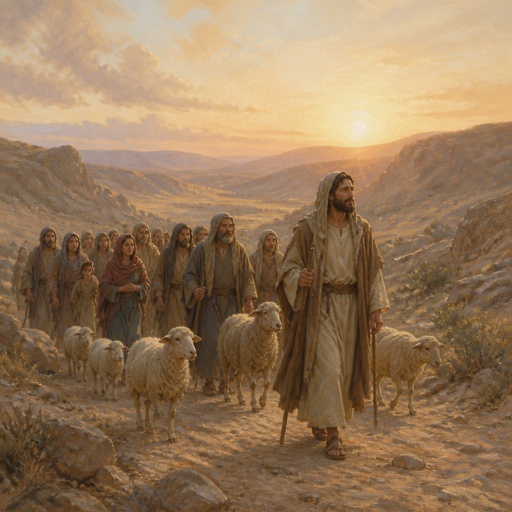
"But made his own people to go forth like sheep, and guided them in the wilderness like a flock." - Psalms 78:52