What does Psalms 52:8 mean?
“But I am like a green olive tree in the house of God: I trust in the mercy of God for ever and ever.” — Psalms 52:8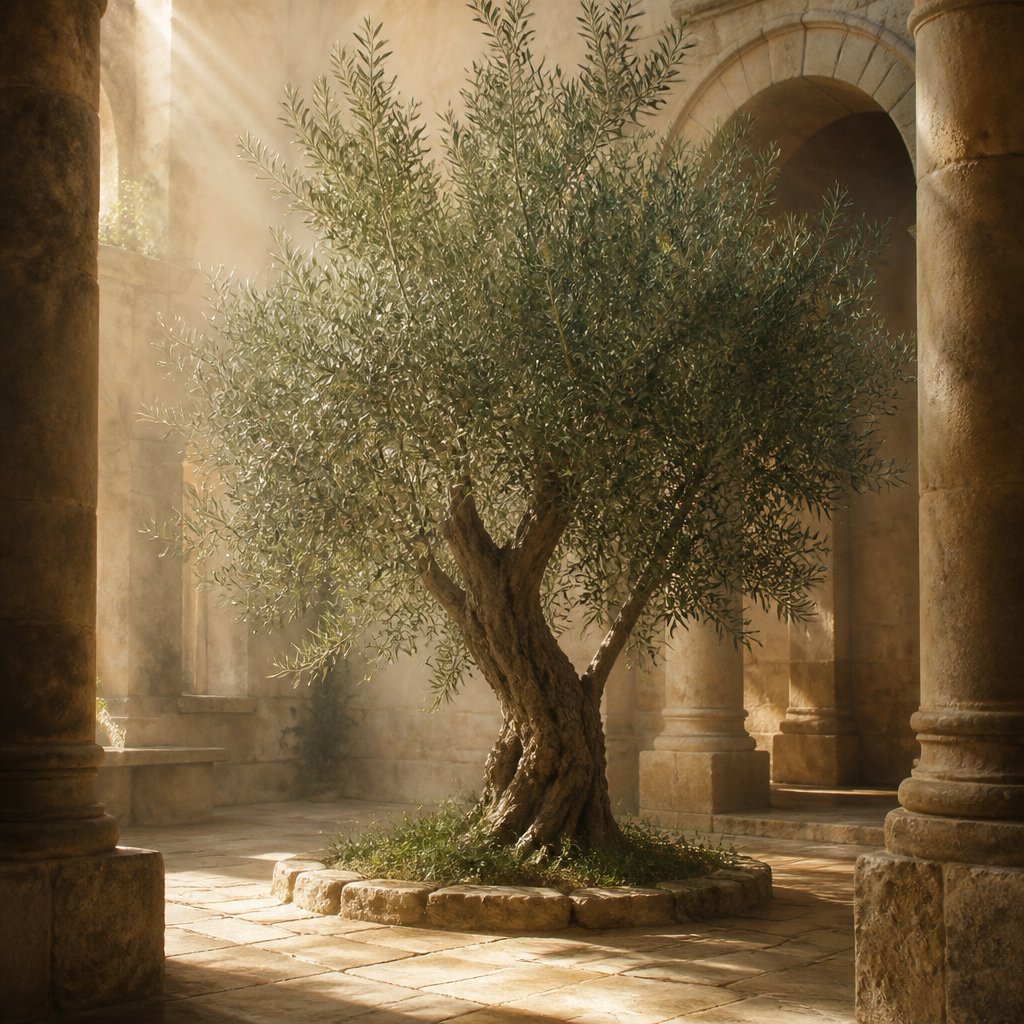
Psalms 52:8 in the King James Version of the Bible reads: "But I am like a green olive tree in the house of God: I trust in the mercy of God for ever and ever."
This verse comes from a Psalm written by David, and it reflects his feelings and experiences as he sought God's protection and deliverance from his enemies. Throughout the Psalm, David contrasts his trust in God with the wickedness and deceitfulness of his enemies, who seek to destroy him. In verse 8, David uses the metaphor of a green olive tree to express his strong and unwavering faith in God's mercy.
The olive tree holds significant symbolic meaning in the Bible, and it is often used to represent strength, steadfastness, and blessing. In this verse, David's comparison of himself to a green olive tree suggests that he is firmly rooted in God's presence and protection. Just as the olive tree is known for its resilience, able to withstand harsh conditions and produce fruit even in unfavorable circumstances, David's faith remains unshaken despite the trials and challenges he faces.
Furthermore, the mention of being in the "house of God" emphasizes the idea of being under God's care and within His presence. This signifies that David is not merely relying on his own strength or resources, but rather, trusting in the providence and protection of God. The "house of God" represents a place of refuge, shelter, and spiritual nourishment, where one can find peace and strength in the presence of the Lord.
The phrase "I trust in the mercy of God for ever and ever" further emphasizes David's unwavering faith in God's enduring and boundless mercy. Despite the turmoil and opposition he faces, David affirms his confidence in God's lovingkindness and compassion that will sustain him throughout his life. This declaration of trust reflects a deep and intimate relationship with God, rooted in the assurance of His unchanging character and faithfulness.
The overarching theme of Psalm 52 centers on the contrast between the righteousness of the faithful and the deceitful nature of the wicked. Throughout the Psalm, David highlights the transient and ultimately destructive nature of evil, while affirming the steadfastness and goodness of God. He goes on to express his confidence in the ultimate triumph of righteousness and God's justice over the wicked.
The broader context of this verse within the Psalms as a whole reinforces the idea of God's unfailing mercy and protection for those who trust in Him. The Psalms are filled with expressions of praise, lament, thanksgiving, and trust in God's sovereignty and faithfulness. David, in particular, often sought refuge in God's presence, turning to Him for guidance, strength, and deliverance from his enemies.
Psalms 52:8 serves as a powerful reminder of the sustaining power of faith in God's mercy and the importance of seeking refuge in His presence. It speaks to the enduring nature of God's love and compassion, offering hope and assurance to those facing adversity. As believers, we can draw strength from this verse, knowing that just as the olive tree remains resilient and fruitful in the house of God, we too can find unwavering support and sustenance in His boundless mercy.
Get our apps


Artwork for Psalms 52:8

Psalms 52:8 - "But I am like a green olive tree in the house of God: I trust in the mercy of God for ever and ever."
"But I am like a green olive tree in the house of God: I trust in the mercy of God for ever and ever." - Psalms 52:8

"Blessed be the LORD for evermore. Amen, and Amen." - Psalms 89:52

Psalms 89:52 - "Blessed be the LORD for evermore. Amen, and Amen."

Psalms 52:6 - "The righteous also shall see, and fear, and shall laugh at him:"

Psalms 52:2 - "Thy tongue deviseth mischiefs; like a sharp razor, working deceitfully."

Psalms 52:4 - "Thou lovest all devouring words, O thou deceitful tongue."

Psalms 119:52 - "I remembered thy judgments of old, O LORD; and have comforted myself."

Psalms 52:1 - "Why boastest thou thyself in mischief, O mighty man? the goodness of God endureth continually."

Psalms 52:3 - "Thou lovest evil more than good; and lying rather than to speak righteousness. Selah."

"Thou lovest evil more than good; and lying rather than to speak righteousness. Selah." - Psalms 52:3

Psalms 78:52 - "But made his own people to go forth like sheep, and guided them in the wilderness like a flock."

Psalms 52:7 - "Lo, this is the man that made not God his strength; but trusted in the abundance of his riches, and strengthened himself in his wickedness."

Psalms 52:9 - "I will praise thee for ever, because thou hast done it: and I will wait on thy name; for it is good before thy saints."

Psalms 49:8 - "(For the redemption of their soul is precious, and it ceaseth for ever:)"
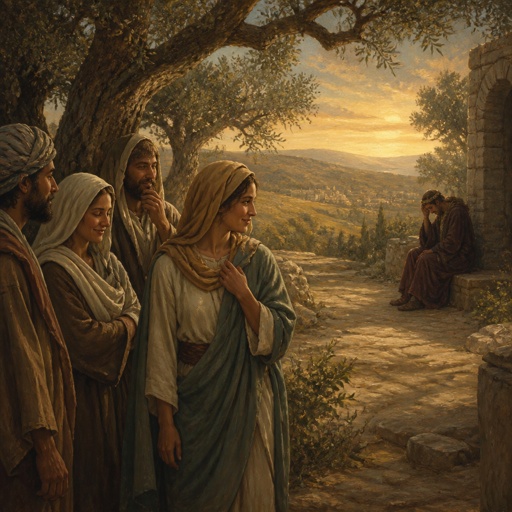
"The righteous also shall see, and fear, and shall laugh at him:" - Psalms 52:6
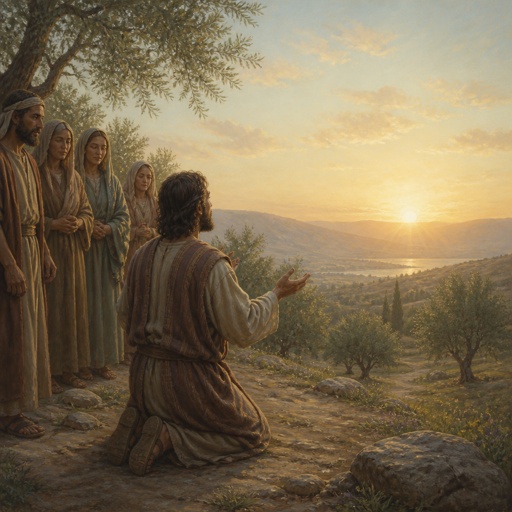
"I will praise thee for ever, because thou hast done it: and I will wait on thy name; for it is good before thy saints." - Psalms 52:9
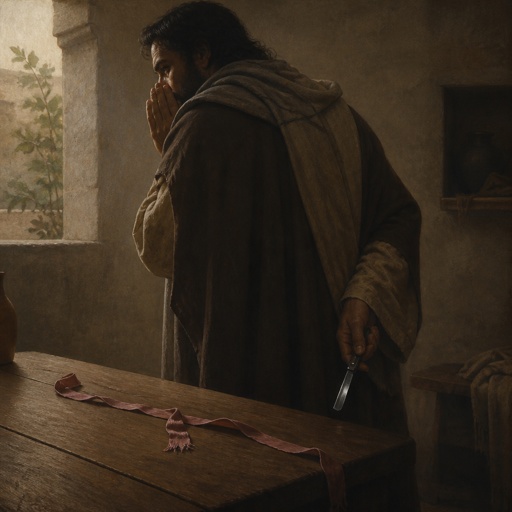
"Thy tongue deviseth mischiefs; like a sharp razor, working deceitfully." - Psalms 52:2
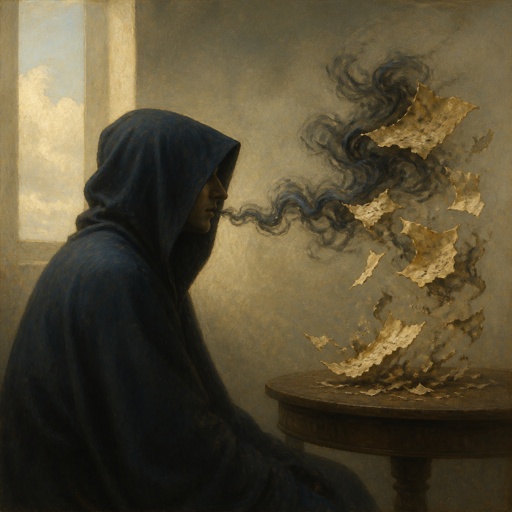
"Thou lovest all devouring words, O thou deceitful tongue." - Psalms 52:4
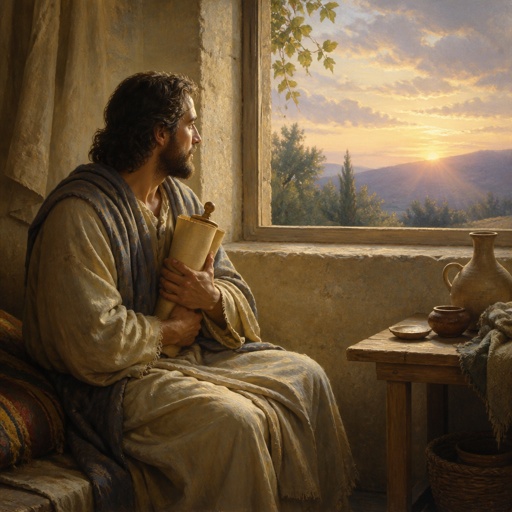
"I remembered thy judgments of old, O LORD; and have comforted myself." - Psalms 119:52

Psalms 52:5 - "God shall likewise destroy thee for ever, he shall take thee away, and pluck thee out of thy dwelling place, and root thee out of the land of the living. Selah."

"All sheep and oxen, yea, and the beasts of the field;" - Psalms 8:7

"To bind their kings with chains, and their nobles with fetters of iron;" - Psalms 149:8

"But thou, LORD, art most high for evermore." - Psalms 92:8

Psalms 78:8 - "And might not be as their fathers, a stubborn and rebellious generation; a generation that set not their heart aright, and whose spirit was not stedfast with God."

"Why boastest thou thyself in mischief, O mighty man? the goodness of God endureth continually." - Psalms 52:1

"They are brought down and fallen: but we are risen, and stand upright." - Psalms 20:8

Luke 8:52 - "And all wept, and bewailed her: but he said, Weep not; she is not dead, but sleepeth."

"Let the floods clap their hands: let the hills be joyful together" - Psalms 98:8

"They are corrupt, and speak wickedly concerning oppression: they speak loftily." - Psalms 73:8