What does Psalms 56:12 mean?
“Thy vows are upon me, O God: I will render praises unto thee.” — Psalms 56:12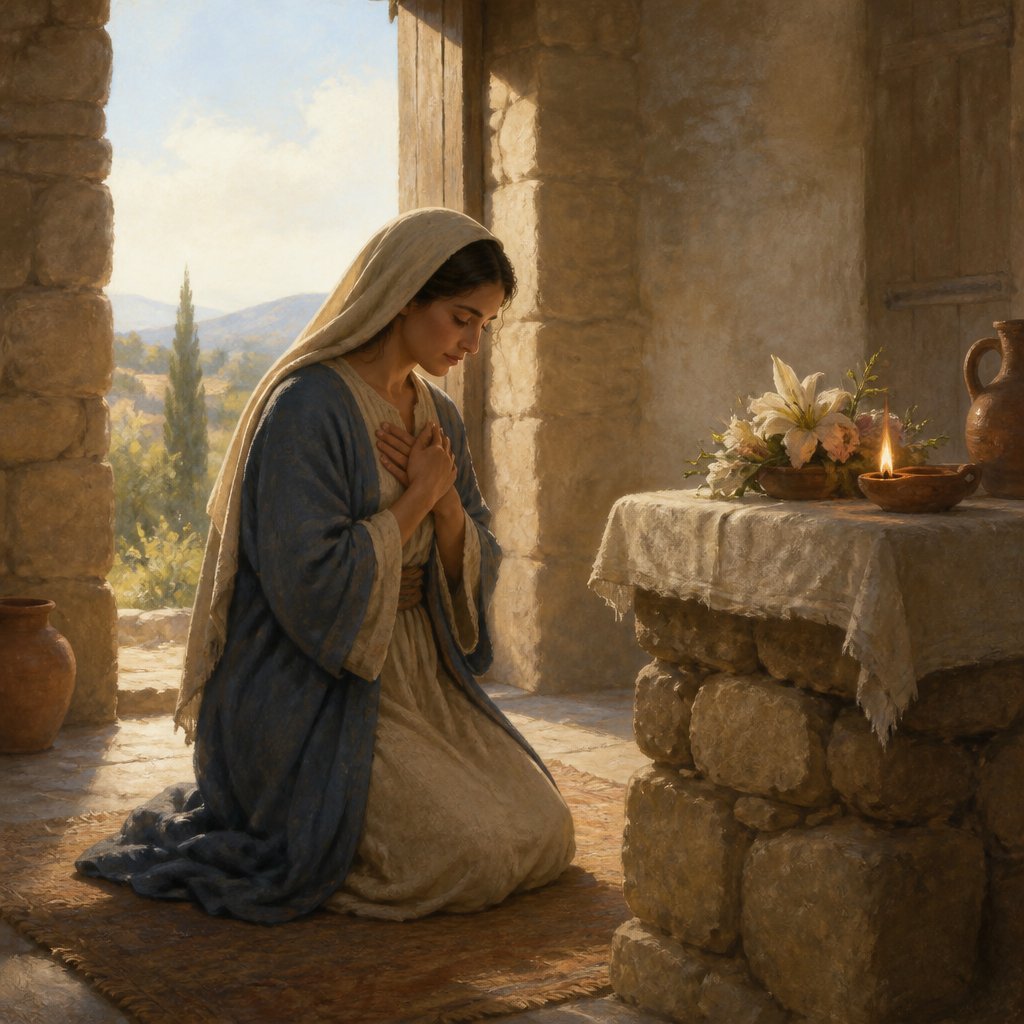
The Bible verse Psalms 56:12 in the King James Version (KJV) reads, "Thy vows are upon me, O God: I will render praises unto thee."
This verse comes from the Book of Psalms, which is a collection of prayers and songs that were used in worship in ancient Israel. The Psalms cover a wide range of human experiences and emotions, expressing the heights of joy and the depths of despair. This particular verse is found in a psalm written by David, who was a prominent figure in the Old Testament and is often described as a man after God's own heart.
In this verse, David is expressing his deep commitment and devotion to God. The phrase "Thy vows are upon me, O God" refers to the promises or commitments that David has made to God. These vows are not burdensome to David; rather, they are a source of strength and motivation. David understands that he is bound by these vows, and he is determined to fulfill them. This speaks to the depth of his faith and the sincerity of his devotion to God.
The second part of the verse, "I will render praises unto thee," reflects David's response to God's faithfulness and goodness. Despite facing various challenges and enemies, David is resolute in his commitment to praise and worship God. This is a testament to David's unwavering faith and his acknowledgment of God's sovereignty in his life.
In a broader theological context, this verse speaks to the nature of the covenant relationship between God and His people. In the Old Testament, a covenant was a solemn agreement or contract between God and His people, often accompanied by vows or promises. The people of Israel were expected to uphold their end of the covenant, which included obedience to God's commands and worshiping Him alone. This verse highlights the importance of fulfilling vows and obligations to God, as well as the significance of offering praise and worship as part of the covenant relationship.
Furthermore, the verse also points to the theme of trust in God's faithfulness. David's declaration of commitment and praise is rooted in his trust that God will uphold His end of the covenant. This trust is based on the character of God, His past acts of deliverance, and His enduring love for His people. It reflects a deep sense of reliance on God amidst the uncertainties and challenges of life.
Symbolically, the "vows" mentioned in the verse can represent the believer's dedication to God, as well as the responsibilities and obligations that come with being in a relationship with Him. The act of rendering praises unto God symbolizes the believer's response of gratitude and adoration, acknowledging God's worthiness and faithfulness.
In conclusion, Psalms 56:12 is a powerful expression of devotion, trust, and praise. It serves as a reminder of the believer's commitment to God, the significance of fulfilling vows and obligations, and the importance of offering praise and worship. It also reflects the enduring themes of trust in God's faithfulness and the covenant relationship between God and His people. This verse continues to inspire and encourage believers to uphold their commitment to God and to respond with praise and worship in all circumstances.
Get our apps


Artwork for Psalms 56:12

Psalms 56:12 - "Thy vows are upon me, O God: I will render praises unto thee."
"Thy vows are upon me, O God: I will render praises unto thee." - Psalms 56:12

Psalms 56:5 - "Every day they wrest my words: all their thoughts are against me for evil."
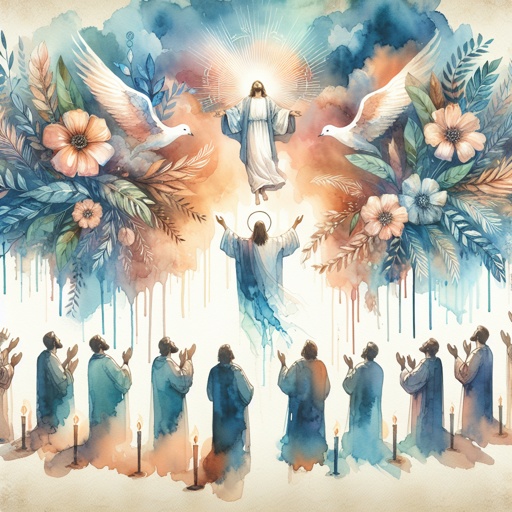
Psalms 56:3

"What time I am afraid, I will trust in thee." - Psalms 56:3

Psalms 119:56 - "This I had, because I kept thy precepts."

Psalms 78:56 - "Yet they tempted and provoked the most high God, and kept not his testimonies:"

Psalms 56:3 - "What time I am afraid, I will trust in thee."

Psalms 56:10 - "In God will I praise his word: in the LORD will I praise his word."

"In God will I praise his word: in the LORD will I praise his word." - Psalms 56:10

Psalms 56:7 - "Shall they escape by iniquity? in thine anger cast down the people, O God."

Psalms 56:8 - "Thou tellest my wanderings: put thou my tears into thy bottle: are they not in thy book?"

Psalms 56:6 - "They gather themselves together, they hide themselves, they mark my steps, when they wait for my soul."

Psalms 56:9 - "When I cry unto thee, then shall mine enemies turn back: this I know; for God is for me."

Psalms 56:11 - "In God have I put my trust: I will not be afraid what man can do unto me."

Psalms 56:2 - "Mine enemies would daily swallow me up: for they be many that fight against me, O thou most High."

Psalms 56:1 - "Be merciful unto me, O God: for man would swallow me up; he fighting daily oppresseth me."

"Be merciful unto me, O God: for man would swallow me up; he fighting daily oppresseth me." - Psalms 56:1

"This I had, because I kept thy precepts." - Psalms 119:56

"In God have I put my trust: I will not be afraid what man can do unto me." - Psalms 56:11

"Yet they tempted and provoked the most high God, and kept not his testimonies:" - Psalms 78:56

Psalms 56:4 - "In God I will praise his word, in God I have put my trust; I will not fear what flesh can do unto me."

"Every day they wrest my words: all their thoughts are against me for evil." - Psalms 56:5

"Shall they escape by iniquity? in thine anger cast down the people, O God." - Psalms 56:7

Psalms 56:13 - "For thou hast delivered my soul from death: wilt not thou deliver my feet from falling, that I may walk before God in the light of the living?"
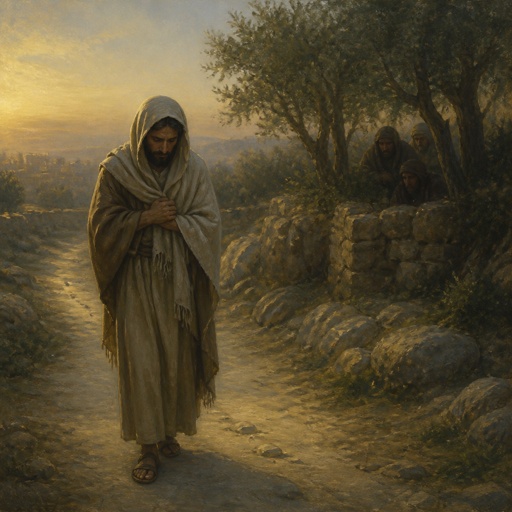
"They gather themselves together, they hide themselves, they mark my steps, when they wait for my soul." - Psalms 56:6

"Then believed they his words; they sang his praise." - Psalms 106:12

Psalms 12:7 - "Thou shalt keep them, O LORD, thou shalt preserve them from this generation for ever."
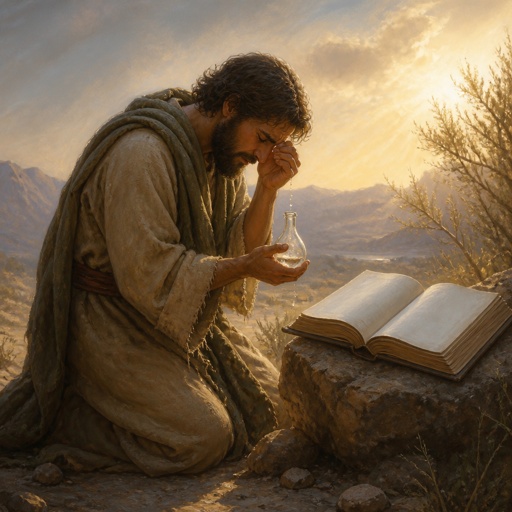
"Thou tellest my wanderings: put thou my tears into thy bottle: are they not in thy book?" - Psalms 56:8

Luke 12:56 - "Ye hypocrites, ye can discern the face of the sky and of the earth; but how is it that ye do not discern this time?"