What does Psalms 6:2 mean?
“Have mercy upon me, O LORD; for I am weak: O LORD, heal me; for my bones are vexed.” — Psalms 6:2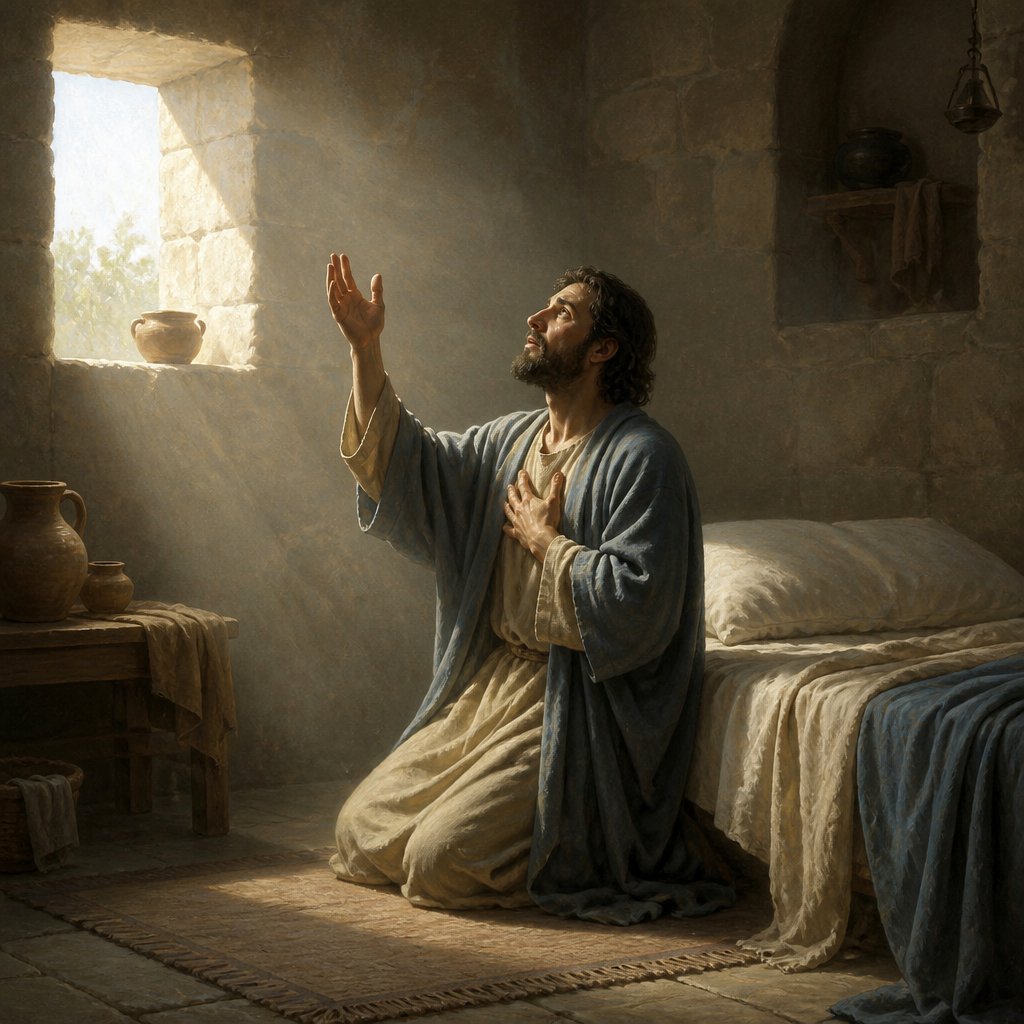
The Bible verse Psalms 6:2 from the King James Version (KJV) reads, "Have mercy upon me, O Lord; for I am weak: O Lord, heal me; for my bones are vexed." This verse is part of a larger passage in Psalm 6, which is a prayer for mercy and healing from God. To fully understand the meaning and commentary of this verse, we must consider its themes, context, and symbolism.
The overarching theme of Psalms 6:2 is the plea for God's mercy and healing. The psalmist is in a state of distress, weakness, and physical affliction, and he cries out to the Lord for help. This verse reflects the universal human experience of suffering and the natural desire for relief and restoration. It also underscores the belief in God's ability to provide healing and comfort in times of need.
The context of Psalm 6 is important for understanding the depth of the psalmist's plea. As the heading of the psalm suggests, it is a Psalm of David, and it was likely written during a time of great distress or personal turmoil. This understanding adds depth to the raw emotion and urgency of the psalmist's words. David is not speaking in abstract terms, but rather from a place of genuine need and desperation. This context makes the plea for mercy and healing in Psalms 6:2 all the more poignant and relatable.
Symbolism plays a significant role in the interpretation of Psalms 6:2. The psalmist's reference to being "weak" and having "vexed" bones can be understood both literally and metaphorically. On a literal level, the psalmist may be suffering from a physical ailment or injury that has left him in a state of physical weakness and discomfort. However, on a deeper level, these physical afflictions can also symbolize the psalmist's spiritual and emotional distress. The "weakness" may represent a sense of helplessness and vulnerability, while the "vexed" bones could symbolize inner turmoil and suffering. This dual symbolism reflects the interconnectedness of physical and spiritual well-being and underscores the holistic nature of the psalmist's plea for healing.
The verse also highlights the psalmist's deep faith and reliance on God. By turning to the Lord in his time of need, the psalmist demonstrates a profound trust in God's compassion and power to provide relief. This act of turning to God in prayer reflects the psalmist's belief in the efficacy of prayer and the intimate relationship between the individual and the divine. It also serves as a model for believers who find themselves in similar circumstances, encouraging them to seek solace and restoration through prayer and faith.
In conclusion, Psalms 6:2 is a powerful and evocative prayer for mercy and healing, expressed with raw emotion and unwavering faith. Its themes of suffering, desperation, and trust in God resonate deeply with human experiences, making it a source of comfort and inspiration for believers. When interpreted in the context of Psalm 6 and understood through its rich symbolism, this verse offers a profound meditation on the interplay of physical and spiritual well-being and the enduring power of faith in times of trial.
Get our apps


Artwork for Psalms 6:2
Psalms 6:2 - "Have mercy upon me, O LORD; for I am weak: O LORD, heal me; for my bones are vexed."
"Have mercy upon me, O LORD; for I am weak: O LORD, heal me; for my bones are vexed." - Psalms 6:2

Psalms 126:6

Psalms 81:2 - "Take a psalm, and bring hither the timbrel, the pleasant harp with the psaltery."
Psalms 115:6 - "They have ears, but they hear not: noses have they, but they smell not:"
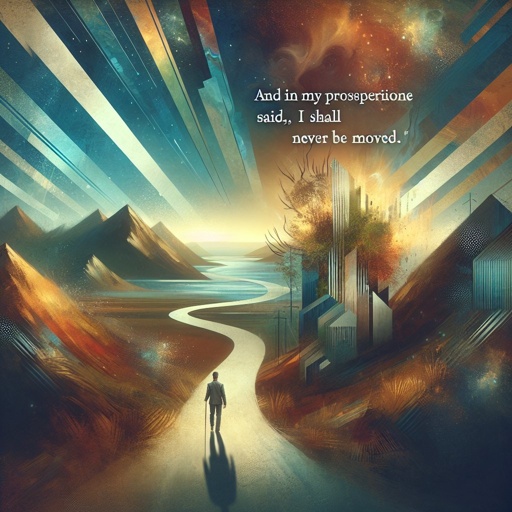
Psalms 30:6 - "And in my prosperity I said, I shall never be moved."

Psalms 2:6 - "Yet have I set my king upon my holy hill of Zion."

Psalms 129:6 - "Let them be as the grass upon the housetops, which withereth afore it groweth up:"

Psalms 144:6 - "Cast forth lightning, and scatter them: shoot out thine arrows, and destroy them."

Psalms 74:6 - "But now they break down the carved work thereof at once with axes and hammers."

Psalms 6:6

Psalms 80:6 - "Thou makest us a strife unto our neighbours: and our enemies laugh among themselves."

Psalms 114:6 - "Ye mountains, that ye skipped like rams; and ye little hills, like lambs?"

"They slay the widow and the stranger, and murder the fatherless." - Psalms 94:6

Psalms 130:6 - "My soul waiteth for the Lord more than they that watch for the morning: I say, more than they that watch for the morning."

Psalms 118:6 - "The LORD is on my side; I will not fear: what can man do unto me?"
Psalms 115:2 - "Wherefore should the heathen say, Where is now their God?"
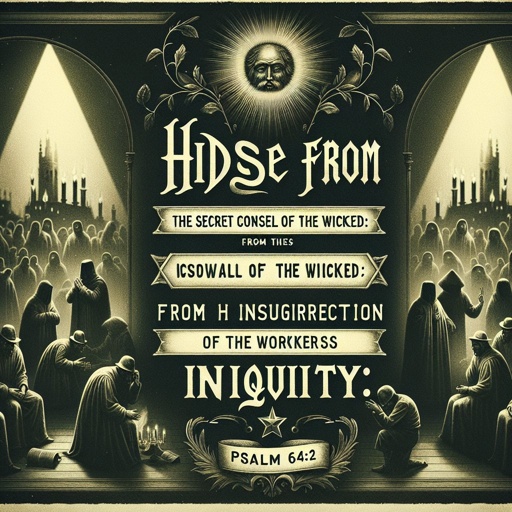
Psalms 64:2 - "Hide me from the secret counsel of the wicked; from the insurrection of the workers of iniquity:"

"Take a psalm, and bring hither the timbrel, the pleasant harp with the psaltery." - Psalms 81:2

"In the morning it flourisheth, and groweth up; in the evening it is cut down, and withereth." - Psalms 90:6

Psalms 19:6 - "His going forth is from the end of the heaven, and his circuit unto the ends of it: and there is nothing hid from the heat thereof."

"Pray for the peace of Jerusalem: they shall prosper that love thee." - Psalms 122:6

"Thou hast laid me in the lowest pit, in darkness, in the deeps." - Psalms 88:6

Psalms 126:6

Psalms 126:6

Psalms 126:6

Psalms 54:2 - "Hear my prayer, O God; give ear to the words of my mouth."

Psalms 149:2 - "Let Israel rejoice in him that made him: let the children of Zion be joyful in their King."

"Which by his strength setteth fast the mountains; being girded with power:" - Psalms 65:6
"My soul hath long dwelt with him that hateth peace." - Psalms 120:6