What does Psalms 6:6 mean?
“I am weary with my groaning; all the night make I my bed to swim; I water my couch with my tears.” — Psalms 6:6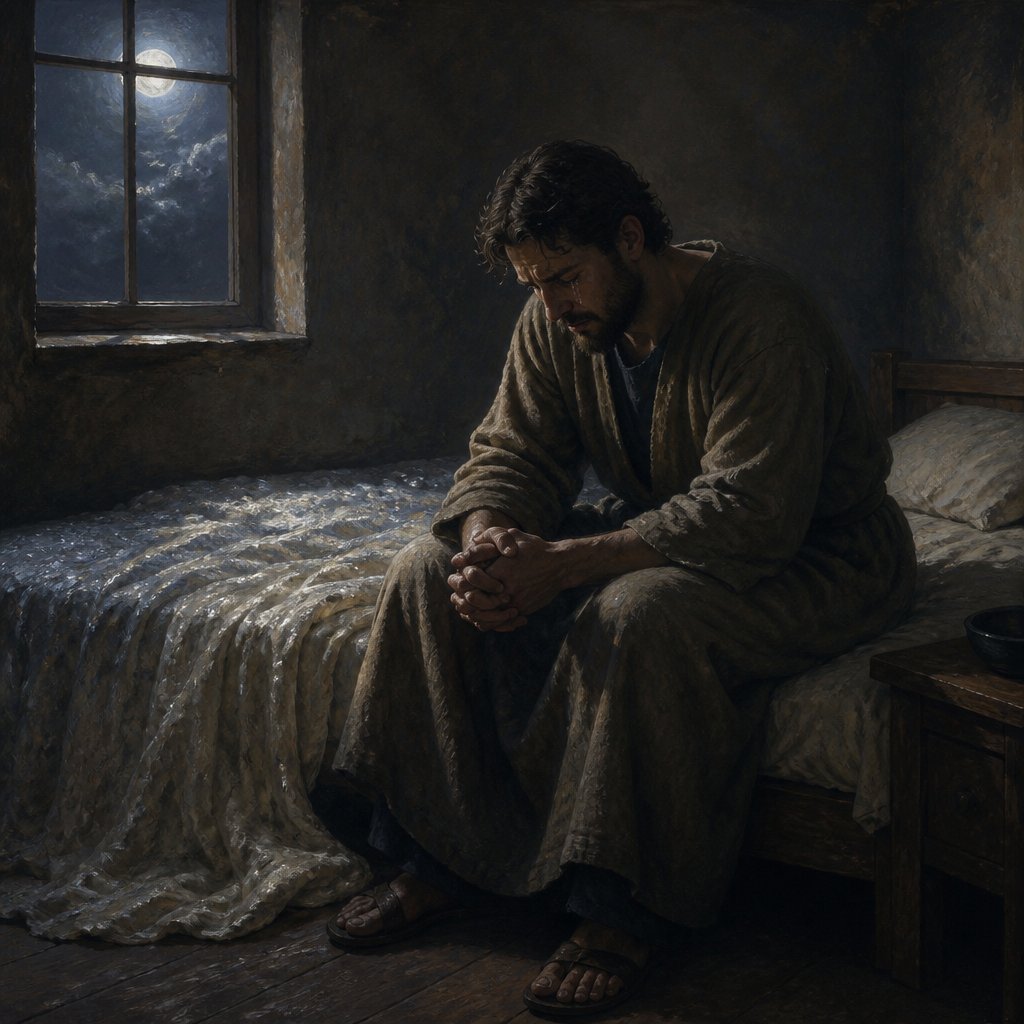
Psalm 6:6 (KJV) says, "I am weary with my groaning; all the night make I my bed to swim; I water my couch with my tears."
This verse from the book of Psalms reflects the deep anguish and despair of the psalmist. It paints a vivid picture of someone who is in a state of extreme emotional distress, expressing their feelings of weariness and hopelessness. The use of visual imagery in this verse is powerful and evocative, as the psalmist describes their bed being soaked with tears, symbolizing the depth of their sorrow and suffering.
The theme of suffering and lament is a recurring motif in the book of Psalms, and this verse is a poignant example of the psalmist's raw and unfiltered expression of pain. The psalms often serve as a means for individuals to pour out their hearts to God, expressing their deepest emotions and seeking solace in the midst of their struggles. In this verse, the psalmist does not hold back in their expression of grief and despair, laying bare their innermost thoughts and feelings before God.
The context of Psalm 6 is one of distress and pleading for God's mercy and deliverance. The psalmist is facing intense suffering, and they cry out to God for relief from their affliction. The emotions conveyed in this verse are relatable to anyone who has experienced profound sorrow and desperation. The psalmist's honesty and vulnerability in expressing their pain is a reminder that it is okay to bring our deepest struggles before God, trusting that He hears and cares for us in our times of trouble.
The symbolism of tears in this verse is significant, representing the psalmist's deep emotional turmoil. Tears are often associated with grief and mourning, and in this context, they serve as a tangible expression of the psalmist's inner anguish. The image of the psalmist's bed being soaked with tears underscores the depth of their suffering, as they are unable to find comfort even in their own rest.
Furthermore, the mention of making the bed "to swim" and "watering my couch with my tears" conveys a sense of overwhelming sorrow and relentless weeping. It suggests that the psalmist's grief knows no bounds and that their tears are inescapable, permeating every aspect of their existence. The use of such visceral language creates a palpable and vivid depiction of the psalmist's anguish, inviting the reader to empathize with their pain and desperation.
In conclusion, Psalm 6:6 (KJV) offers a poignant glimpse into the deep emotional distress of the psalmist, as they pour out their heart in lament before God. It serves as a powerful reminder of the value of honesty and vulnerability in our prayers, and the assurance that God hears and cares for us in our times of deepest suffering. The symbolism of tears in this verse serves as a poignant representation of the psalmist's inner turmoil, evoking a sense of empathy and compassion. This verse is a testament to the raw and unfiltered nature of the psalms, and a poignant expression of the human experience of suffering and longing for divine deliverance.
Get our apps


Artwork for Psalms 6:6

Psalms 6:6

Psalms 6:6 - "I am weary with my groaning; all the night make I my bed to swim; I water my couch with my tears."
"I am weary with my groaning; all the night make I my bed to swim; I water my couch with my tears." - Psalms 6:6

Psalms 126:6
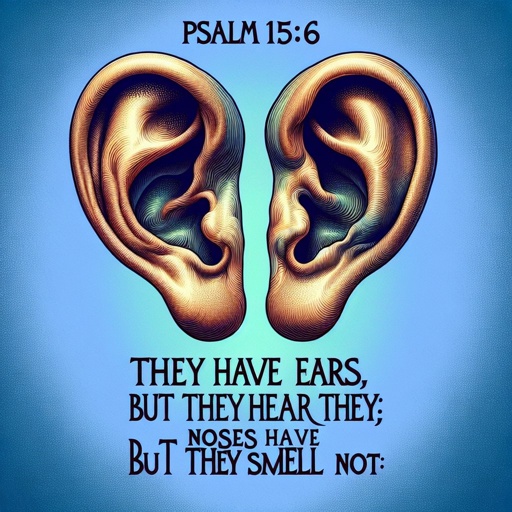
Psalms 115:6 - "They have ears, but they hear not: noses have they, but they smell not:"
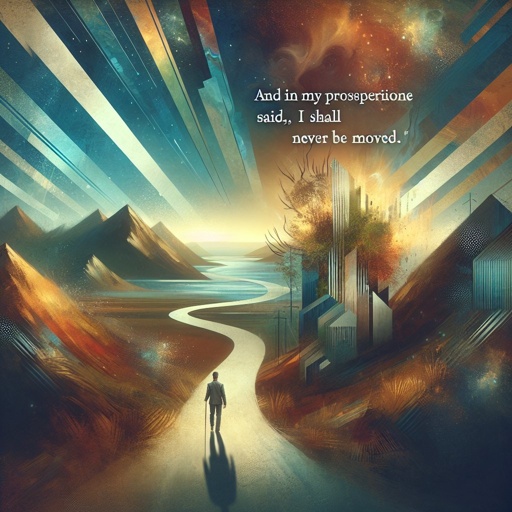
Psalms 30:6 - "And in my prosperity I said, I shall never be moved."

Psalms 129:6 - "Let them be as the grass upon the housetops, which withereth afore it groweth up:"

Psalms 74:6 - "But now they break down the carved work thereof at once with axes and hammers."

Psalms 144:6 - "Cast forth lightning, and scatter them: shoot out thine arrows, and destroy them."

Psalms 114:6 - "Ye mountains, that ye skipped like rams; and ye little hills, like lambs?"

Psalms 80:6 - "Thou makest us a strife unto our neighbours: and our enemies laugh among themselves."

Psalms 126:6

Psalms 126:6

"They slay the widow and the stranger, and murder the fatherless." - Psalms 94:6

Psalms 126:6

Psalms 118:6 - "The LORD is on my side; I will not fear: what can man do unto me?"

Psalms 130:6 - "My soul waiteth for the Lord more than they that watch for the morning: I say, more than they that watch for the morning."

Psalms 19:6 - "His going forth is from the end of the heaven, and his circuit unto the ends of it: and there is nothing hid from the heat thereof."

"In the morning it flourisheth, and groweth up; in the evening it is cut down, and withereth." - Psalms 90:6

"Pray for the peace of Jerusalem: they shall prosper that love thee." - Psalms 122:6

"Thou hast laid me in the lowest pit, in darkness, in the deeps." - Psalms 88:6

Psalms 83:6 - "The tabernacles of Edom, and the Ishmaelites; of Moab, and the Hagarenes;"

Psalms 94:6 - "They slay the widow and the stranger, and murder the fatherless."

Psalms 36 verse 3-6
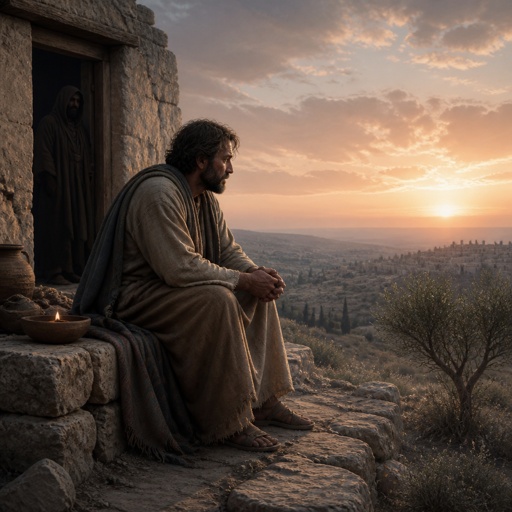
"My soul hath long dwelt with him that hateth peace." - Psalms 120:6

"Lo, we heard of it at Ephratah: we found it in the fields of the wood." - Psalms 132:6

"But I am a worm, and no man; a reproach of men, and despised of the people." - Psalms 22:6
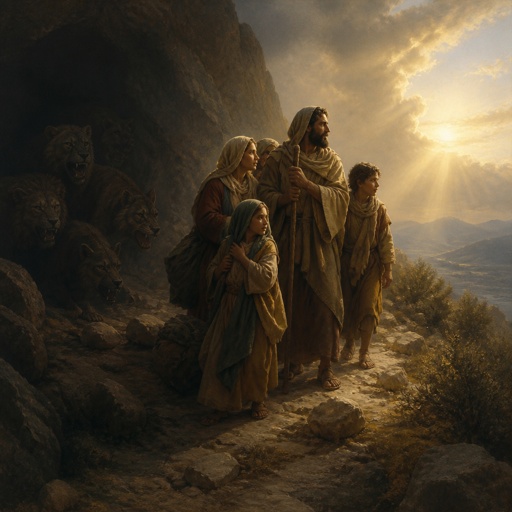
"Blessed be the LORD, who hath not given us as a prey to their teeth." - Psalms 124:6

Psalms 49:6 - "They that trust in their wealth, and boast themselves in the multitude of their riches;"

Psalms 103:6 - "The LORD executeth righteousness and judgment for all that are oppressed."