What does Psalms 60:10 mean?
“Wilt not thou, O God, which hadst cast us off? and thou, O God, which didst not go out with our armies?” — Psalms 60:10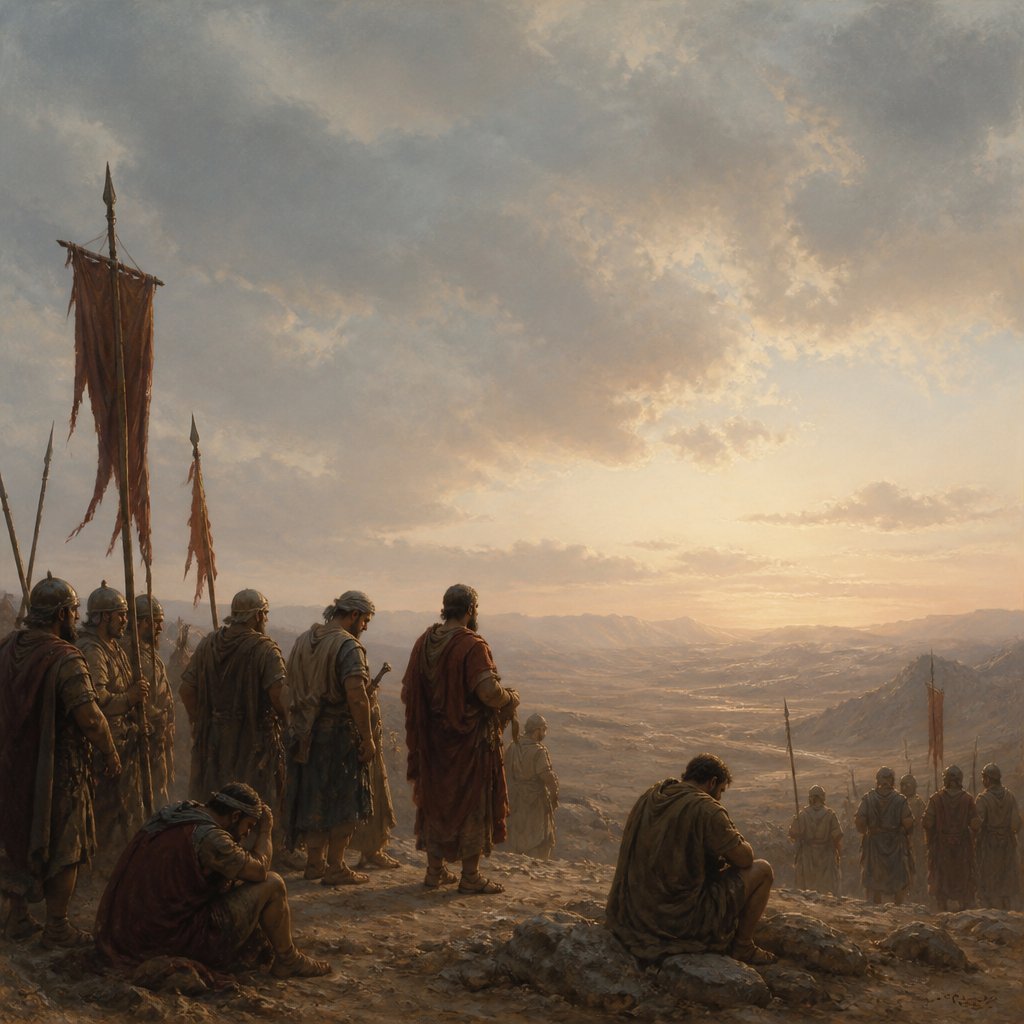
"Psalms 60:10" in the King James Version (KJV) states: "Wilt not thou, O God, which hadst cast us off? and thou, O God, which didst not go out with our armies?"
This verse is part of a larger passage in Psalm 60 that addresses the turmoil and distress faced by the people of Israel. The Psalm is attributed to David, who was often beset by conflict and struggle throughout his life, and here he is crying out to God for assistance in a time of need.
The verse begins with a rhetorical question, "Wilt not thou, O God, which hadst cast us off?" The psalmist is expressing a sense of abandonment and questioning whether God has rejected them. This question reflects the despair and confusion that the psalmist is feeling in the face of the challenges and adversities that the people of Israel are experiencing. It is a cry of desperation, seeking reassurance from God that they have not been abandoned.
The verse continues, "and thou, O God, which didst not go out with our armies?" Here, the psalmist is recalling a specific event in which the Israelites had gone to battle with their armies, but felt abandoned by God. This alludes to a time in Israel's history when they faced military defeat and are feeling as though God did not support or accompany them in battle. The psalmist is grappling with the idea that they were left to face their enemies alone, without the support or assistance of God. This sense of abandonment is causing the psalmist to question God's presence and protection.
The overarching theme of this passage is the faith and trust in God's presence and protection, even in the midst of adversity and struggles. Throughout the psalm, the psalmist expresses his distress and anguish, but ultimately turns to God for help and deliverance. This reflects a common theme in the Psalms - the tension between despair and hope, and the recognition of God's sovereignty and faithfulness.
The context of this verse is important to understanding its significance. The historical context of the Psalm is likely the time when David was facing opposition from surrounding nations. It is a reflection of the turmoil and conflicts that the people of Israel often faced throughout their history. Additionally, the verse can also be seen as a reflection of the individual believer's struggle with feelings of abandonment and the need for reassurance of God's presence in times of trouble.
Symbolically, this verse represents the universal human experience of feeling abandoned and alone in the face of adversity. It captures the desperate cry for reassurance and the yearning for God's presence and support. The image of God not going out with the armies symbolizes a lack of divine intervention and protection, which is a deeply distressing concept for the psalmist and for believers who have faced similar struggles.
In conclusion, "Psalms 60:10" in the King James Version (KJV) is a poignant and powerful expression of the human experience of feeling abandoned and alone in the face of adversity. It reflects the universal struggle for faith and trust in God's presence and protection, even when circumstances seem dire. The verse serves as a reminder of the ultimate hope and reliance on God's faithfulness and sovereignty, even in the midst of despair.
Get our apps


Artwork for Psalms 60:10
Psalms 60:10 - "Wilt not thou, O God, which hadst cast us off? and thou, O God, which didst not go out with our armies?"
"Wilt not thou, O God, which hadst cast us off? and thou, O God, which didst not go out with our armies?" - Psalms 60:10

Psalms 60:12 - "Through God we shall do valiantly: for he it is that shall tread down our enemies."

Psalms 119:60 - "I made haste, and delayed not to keep thy commandments."

Psalms 60:9 - "Who will bring me into the strong city? who will lead me into Edom?"

Psalms 60:11 - "Give us help from trouble: for vain is the help of man."

Psalms 60:5 - "That thy beloved may be delivered; save with thy right hand, and hear me."
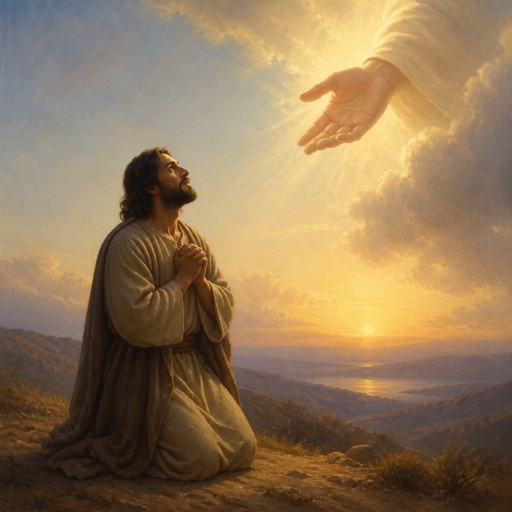
"That thy beloved may be delivered; save with thy right hand, and hear me." - Psalms 60:5

Psalms 78:60 - "So that he forsook the tabernacle of Shiloh, the tent which he placed among men;"

Psalms 60:2 - "Thou hast made the earth to tremble; thou hast broken it: heal the breaches thereof; for it shaketh."

Psalms 60:7 - "Gilead is mine, and Manasseh is mine; Ephraim also is the strength of mine head; Judah is my lawgiver;"

Psalms 60:4 - "Thou hast given a banner to them that fear thee, that it may be displayed because of the truth. Selah."

psalms 92:10

Psalms 60:6 - "God hath spoken in his holiness; I will rejoice, I will divide Shechem, and mete out the valley of Succoth."
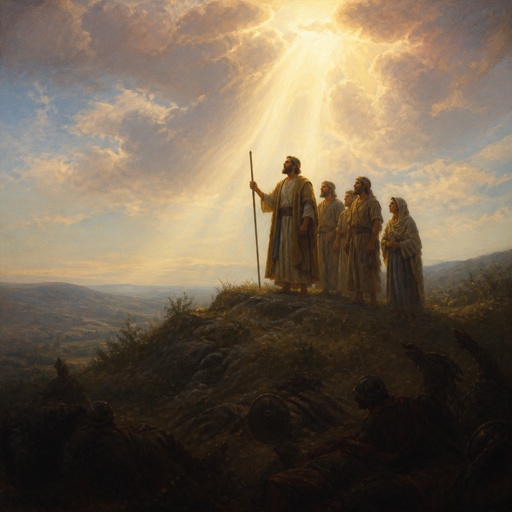
"Through God we shall do valiantly: for he it is that shall tread down our enemies." - Psalms 60:12

psalms 92:10

Psalms 60:3 - "Thou hast shewed thy people hard things: thou hast made us to drink the wine of astonishment."

Psalms 60:8 - "Moab is my washpot; over Edom will I cast out my shoe: Philistia, triumph thou because of me."

psalms 92:10

psalms 85:10
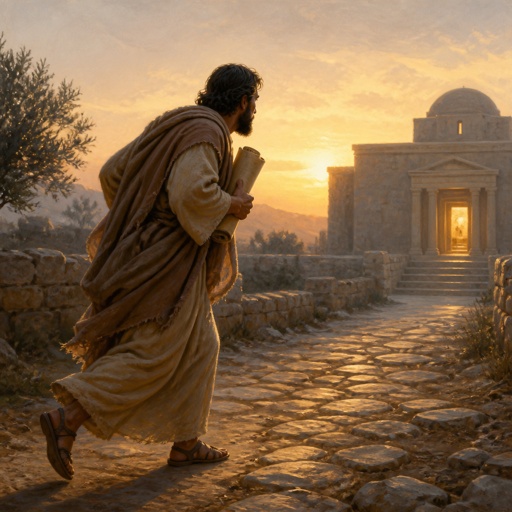
"I made haste, and delayed not to keep thy commandments." - Psalms 119:60

psalms 92:10
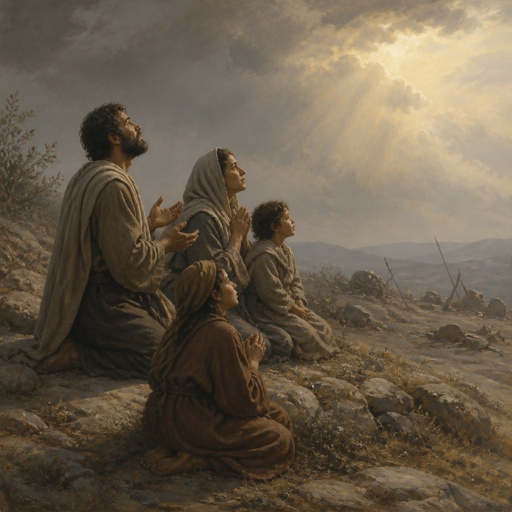
"Give us help from trouble: for vain is the help of man." - Psalms 60:11

Psalms 10:10 - "He croucheth, and humbleth himself, that the poor may fall by his strong ones."

Psalms 60:1 - "O God, thou hast cast us off, thou hast scattered us, thou hast been displeased; O turn thyself to us again."
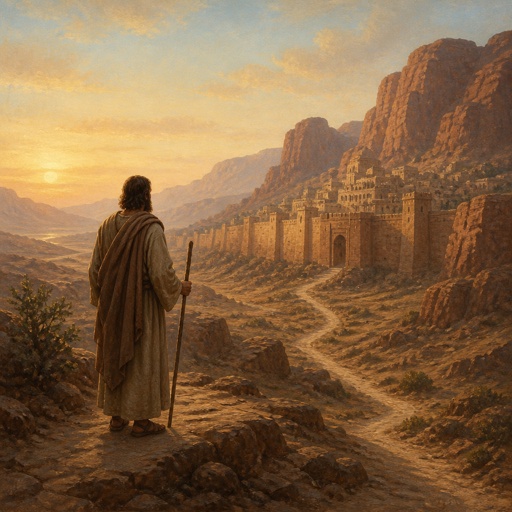
"Who will bring me into the strong city? who will lead me into Edom?" - Psalms 60:9
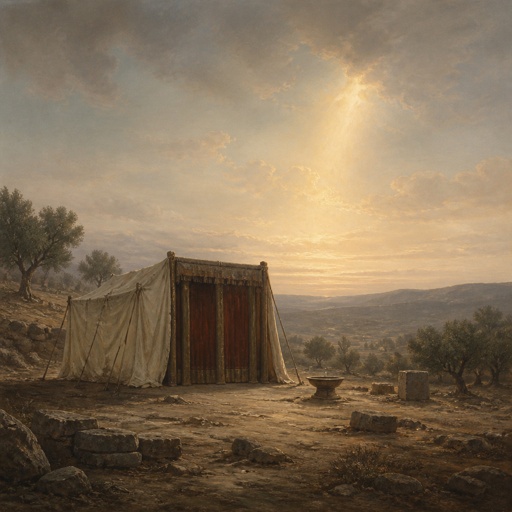
"So that he forsook the tabernacle of Shiloh, the tent which he placed among men;" - Psalms 78:60
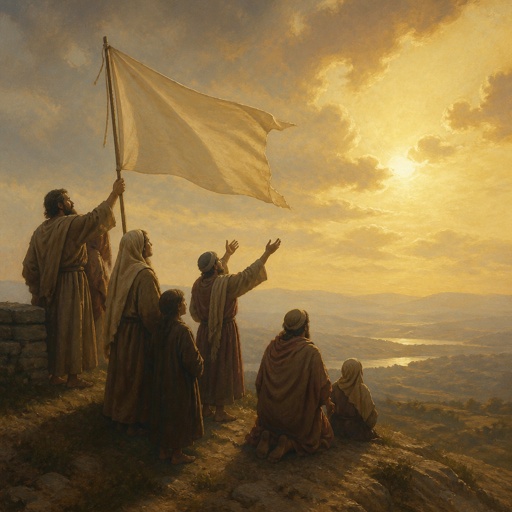
"Thou hast given a banner to them that fear thee, that it may be displayed because of the truth. Selah." - Psalms 60:4

Psalms 30:10 - "Hear, O LORD, and have mercy upon me: LORD, be thou my helper."

Psalms 29:10 (KJVA) 10 The LORD sitteth upon the flood; yea, the LORD sitteth King for ever.