What does Psalms 60:3 mean?
“Thou hast shewed thy people hard things: thou hast made us to drink the wine of astonishment.” — Psalms 60:3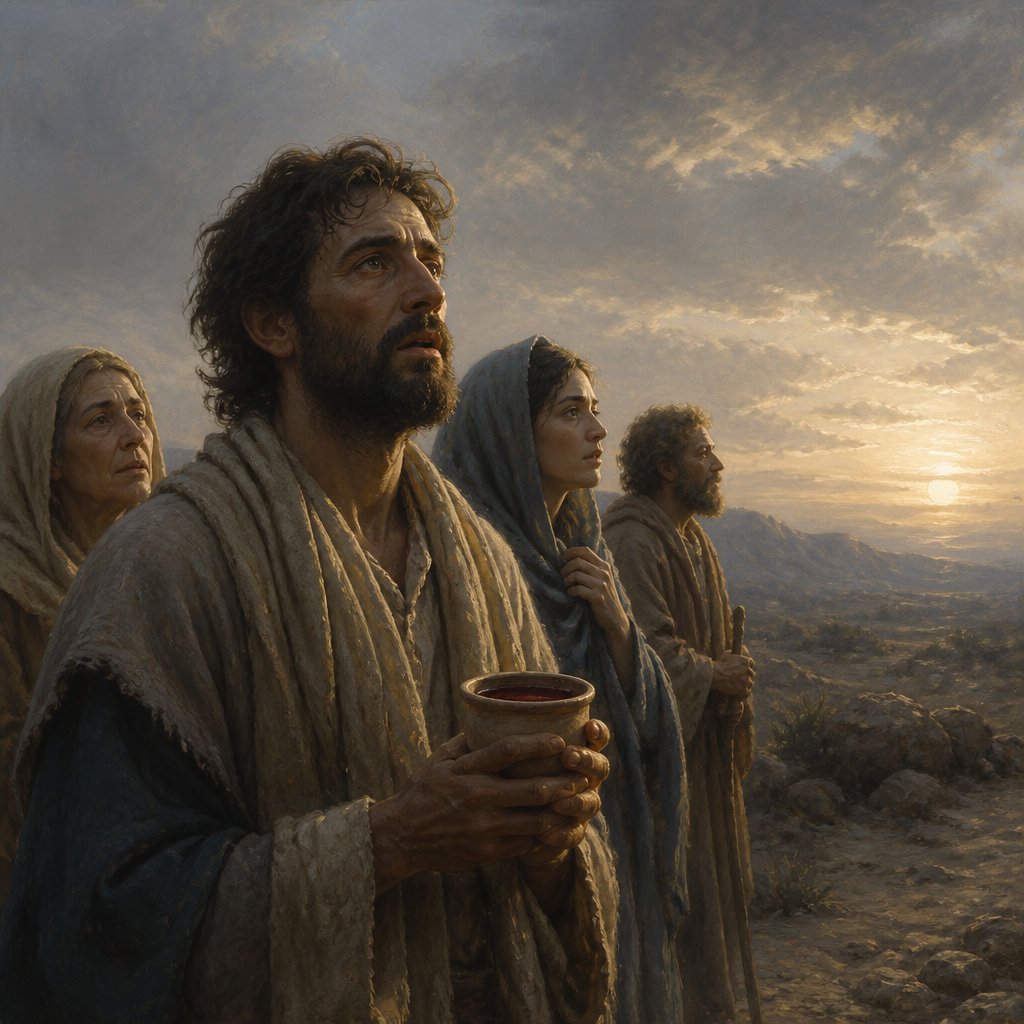
Psalm 60:3 in the King James Version of the Bible reads, "Thou hast showed thy people hard things: thou hast made us to drink the wine of astonishment." This verse is part of a larger passage in Psalm 60, where the psalmist is crying out to God in distress and seeking His help and guidance.
To fully understand the meaning of this verse, it is important to examine the context in which it is found. Psalm 60 is attributed to David and is thought to have been written during a time of war, possibly after a battle in which the Israelites had suffered a defeat. The psalmist is wrestling with the feeling of being abandoned by God and calls out for His intervention. The verse preceding 60:3 expresses the psalmist's plea for God to restore the land that has been shaken and to mend its fractures. The verse following 60:3 speaks of God's deliverance and help.
In verse 3, the psalmist acknowledges that God has shown His people "hard things." This is a recognition of the trials and difficulties that the Israelites have faced, likely in the form of military defeats or other adversities. The phrase "hard things" implies that these experiences have been challenging and difficult to endure. It conveys a sense of struggle, suffering, and hardship that the psalmist and the people of Israel have encountered.
The second part of the verse, "thou hast made us to drink the wine of astonishment," uses vivid imagery to depict the overwhelming and disorienting nature of the trials that the Israelites have faced. The metaphor of drinking the "wine of astonishment" suggests that they have been made to experience confusion, dismay, and a sense of being overwhelmed by the circumstances they are facing. The use of "wine" as a symbol for astonishment conveys the idea of being intoxicated by the shocking and disorienting events that have unfolded.
This verse reflects a common theme found throughout the book of Psalms, which is the expression of human emotions and experiences in relation to God. In this case, the psalmist is grappling with feelings of distress, confusion, and disillusionment in the face of adversity. The use of vivid and evocative language serves to convey the depth of the psalmist's anguish and despair.
Symbolically, the "wine of astonishment" can be interpreted as a representation of the bitter and disorienting experiences that the Israelites have been made to endure. The metaphor also suggests a loss of control and a sense of being overwhelmed by the circumstances, similar to the effects of intoxication. By invoking this imagery, the psalmist is conveying the depth of the emotional and spiritual turmoil that has been experienced.
Overall, Psalm 60:3 in the King James Version of the Bible encapsulates the theme of human suffering and struggle in the face of adversity, as well as the recognition of God's sovereignty and the need for His intervention. The vivid imagery and emotional depth of this verse make it a powerful expression of the psalmist's plea for deliverance and restoration in the midst of difficult circumstances.
Get our apps


Artwork for Psalms 60:3

Psalms 60:3 - "Thou hast shewed thy people hard things: thou hast made us to drink the wine of astonishment."
"Thou hast shewed thy people hard things: thou hast made us to drink the wine of astonishment." - Psalms 60:3

Psalms 60:12 - "Through God we shall do valiantly: for he it is that shall tread down our enemies."

Psalms 119:60 - "I made haste, and delayed not to keep thy commandments."

Psalms 60:9 - "Who will bring me into the strong city? who will lead me into Edom?"

Psalms 60:11 - "Give us help from trouble: for vain is the help of man."

Psalms 60:5 - "That thy beloved may be delivered; save with thy right hand, and hear me."
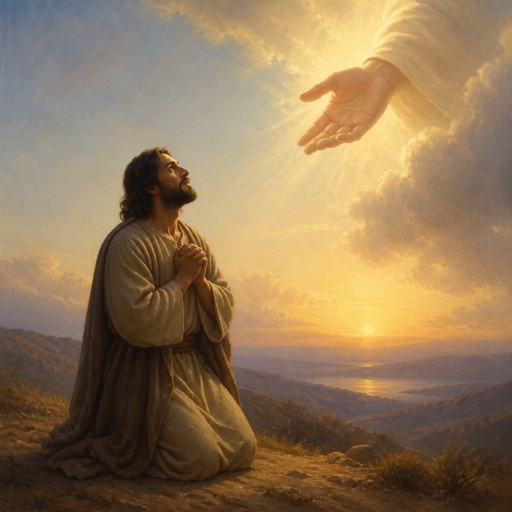
"That thy beloved may be delivered; save with thy right hand, and hear me." - Psalms 60:5

Psalms 78:60 - "So that he forsook the tabernacle of Shiloh, the tent which he placed among men;"

Psalms 60:2 - "Thou hast made the earth to tremble; thou hast broken it: heal the breaches thereof; for it shaketh."

Psalms 60:7 - "Gilead is mine, and Manasseh is mine; Ephraim also is the strength of mine head; Judah is my lawgiver;"

Psalms 60:4 - "Thou hast given a banner to them that fear thee, that it may be displayed because of the truth. Selah."

Psalms 60:6 - "God hath spoken in his holiness; I will rejoice, I will divide Shechem, and mete out the valley of Succoth."
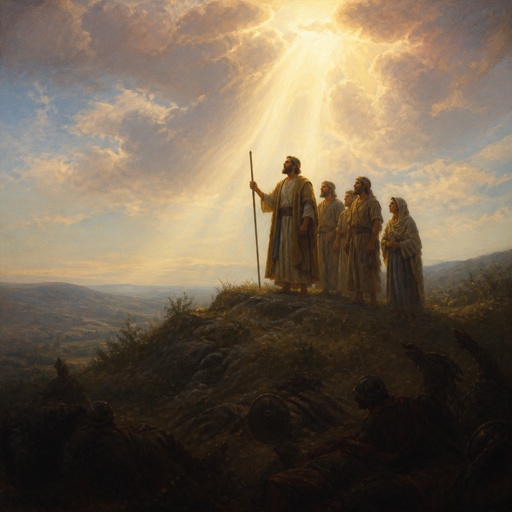
"Through God we shall do valiantly: for he it is that shall tread down our enemies." - Psalms 60:12

Psalms 60:8 - "Moab is my washpot; over Edom will I cast out my shoe: Philistia, triumph thou because of me."
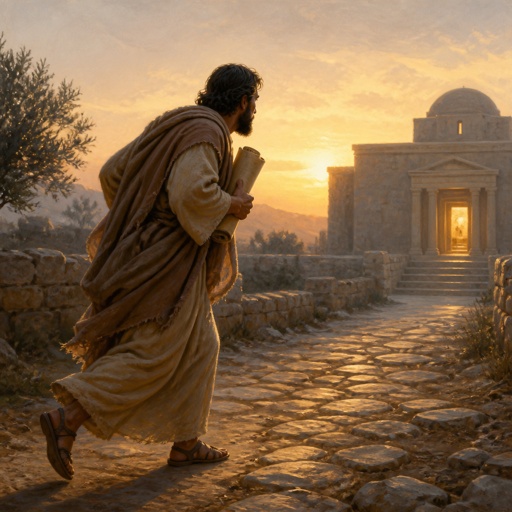
"I made haste, and delayed not to keep thy commandments." - Psalms 119:60
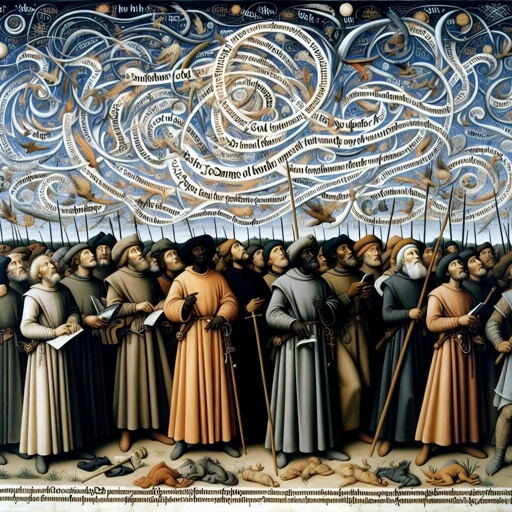
Psalms 60:10 - "Wilt not thou, O God, which hadst cast us off? and thou, O God, which didst not go out with our armies?"
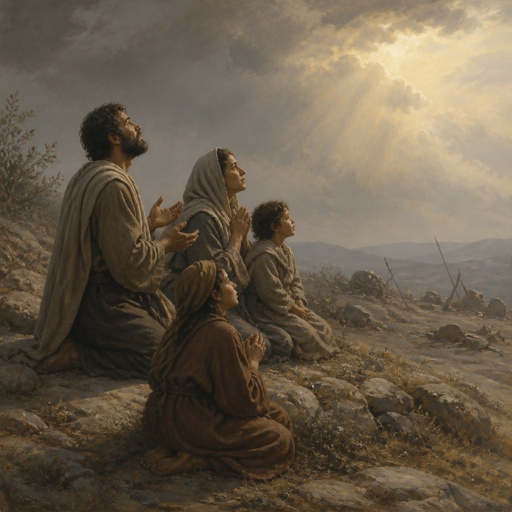
"Give us help from trouble: for vain is the help of man." - Psalms 60:11
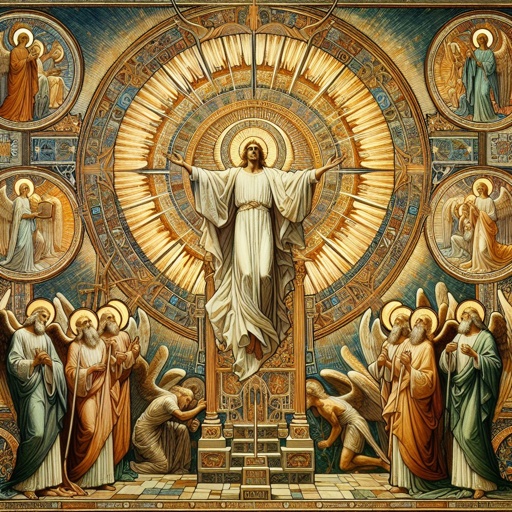
Psalms 111:3 - "His work is honourable and glorious: and his righteousness endureth for ever."

Psalms 60:1 - "O God, thou hast cast us off, thou hast scattered us, thou hast been displeased; O turn thyself to us again."
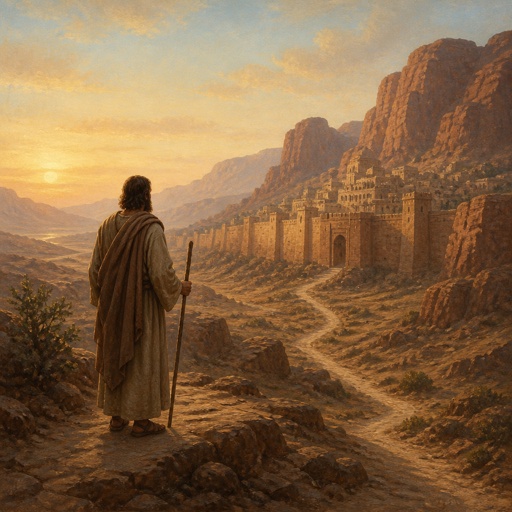
"Who will bring me into the strong city? who will lead me into Edom?" - Psalms 60:9
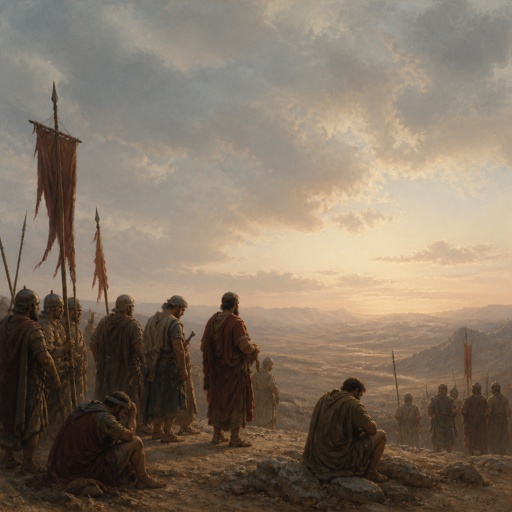
"Wilt not thou, O God, which hadst cast us off? and thou, O God, which didst not go out with our armies?" - Psalms 60:10
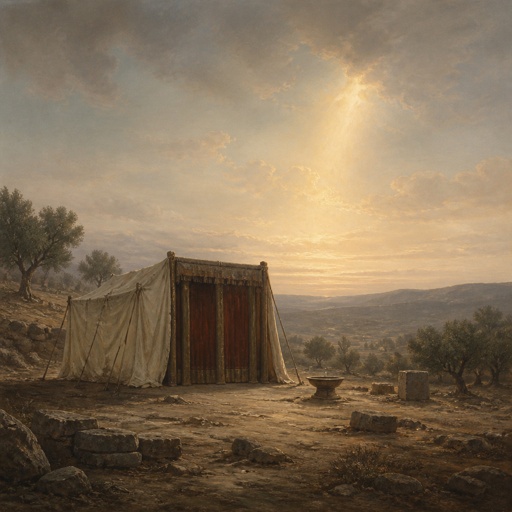
"So that he forsook the tabernacle of Shiloh, the tent which he placed among men;" - Psalms 78:60

Psalms 88:3 - "For my soul is full of troubles: and my life draweth nigh unto the grave."

Psalms 103:3 - "Who forgiveth all thine iniquities; who healeth all thy diseases;"

Psalms 87:3 - "Glorious things are spoken of thee, O city of God. Selah."
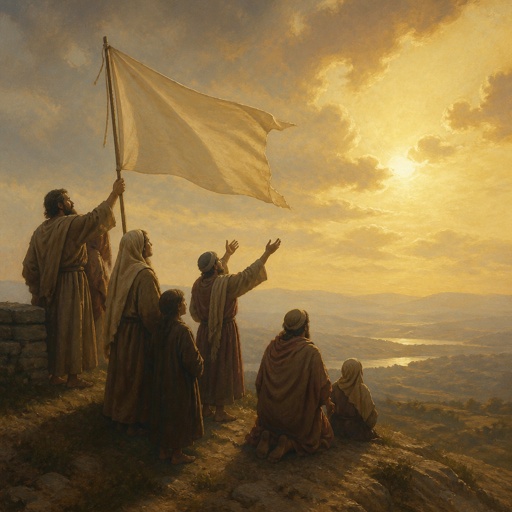
"Thou hast given a banner to them that fear thee, that it may be displayed because of the truth. Selah." - Psalms 60:4

"Gilead is mine, and Manasseh is mine; Ephraim also is the strength of mine head; Judah is my lawgiver;" - Psalms 60:7

"Thou hast made the earth to tremble; thou hast broken it: heal the breaches thereof; for it shaketh." - Psalms 60:2

Lamentations 3:60 - "Thou hast seen all their vengeance and all their imaginations against me."