What does Psalms 60:7 mean?
“Gilead is mine, and Manasseh is mine; Ephraim also is the strength of mine head; Judah is my lawgiver;” — Psalms 60:7
The Bible verse Psalms 60:7 reads, "Gilead is mine, and Manasseh is mine; Ephraim also is the strength of mine head; Judah is my lawgiver." This verse is found in the book of Psalms, which is a collection of religious poems and songs, many of which were attributed to King David. The book of Psalms is known for expressing a wide range of emotions, including praise, thanksgiving, sorrow, and lamentation. This particular verse is part of Psalm 60, which is a prayer for deliverance and restoration.
The verse begins with the declaration, "Gilead is mine, and Manasseh is mine." In the historical context of the Israelites, Gilead and Manasseh were both territories that were part of the Promised Land. Gilead was located to the east of the Jordan River, while Manasseh was divided into two portions on both sides of the Jordan. By asserting that Gilead and Manasseh belong to God, the verse emphasizes the idea of divine ownership and sovereignty over the land. It also serves as a reminder to the Israelites that they are merely stewards of the land, and that ultimately, it belongs to God.
The verse goes on to declare, "Ephraim also is the strength of mine head; Judah is my lawgiver." This part of the verse highlights the strength and authority that God bestows upon specific tribes of Israel. Ephraim was one of the largest and most powerful tribes in Israel, and it is often used symbolically to represent the strength and leadership of the nation. Similarly, Judah was the tribe from which the Davidic dynasty emerged, and it was the tribe associated with kingship and the law. By attributing strength to Ephraim and lawgiving to Judah, the verse emphasizes the divine authority that underpins the leadership and governance of Israel.
Overall, this verse from Psalm 60 embodies several key themes that are prevalent throughout the book of Psalms and the wider scope of biblical literature. It speaks to the concepts of divine ownership, sovereignty, strength, and leadership. By declaring the territories and tribes as belonging to God, the verse reinforces the idea of God's authority over the land and its people. It also highlights the significance of certain tribes in representing the strength and leadership of the nation. In this way, the verse serves as a reminder of the covenantal relationship between God and the people of Israel, in which God is the ultimate source of power and guidance.
In addition to its historical and theological significance, this verse also holds symbolic value within the Christian tradition. Many Christians interpret the verse as a proclamation of God's authority over all aspects of their lives, not just in the context of ancient Israel. It serves as a reminder of the divine ownership and sovereignty over the world and the individual believer. The verse can also be seen as a call for believers to recognize and submit to God's authority in their lives, just as the Israelites were called to recognize God's ownership of the land.
In conclusion, the verse Psalms 60:7 is a powerful declaration of God's ownership, sovereignty, strength, and leadership. It reflects the historical and theological significance of the Israelite tribes and their relationship with God, while also carrying symbolic meaning for Christian believers. The verse serves as a reminder of God's ultimate authority and the covenantal relationship between God and his people. It encourages believers to acknowledge and submit to God's authority in their lives, trusting in his strength and guidance.
Get our apps


Artwork for Psalms 60:7

Psalms 60:7 - "Gilead is mine, and Manasseh is mine; Ephraim also is the strength of mine head; Judah is my lawgiver;"

"Gilead is mine, and Manasseh is mine; Ephraim also is the strength of mine head; Judah is my lawgiver;" - Psalms 60:7

Psalms 60:12 - "Through God we shall do valiantly: for he it is that shall tread down our enemies."

Psalms 119:60 - "I made haste, and delayed not to keep thy commandments."

Psalms 60:9 - "Who will bring me into the strong city? who will lead me into Edom?"

Psalms 60:11 - "Give us help from trouble: for vain is the help of man."

Psalms 60:5 - "That thy beloved may be delivered; save with thy right hand, and hear me."
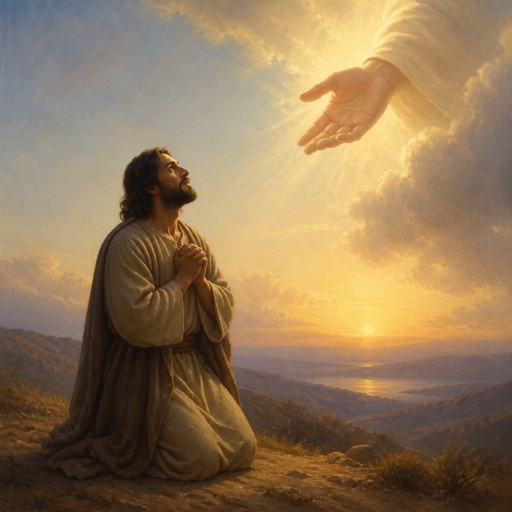
"That thy beloved may be delivered; save with thy right hand, and hear me." - Psalms 60:5

Psalms 78:60 - "So that he forsook the tabernacle of Shiloh, the tent which he placed among men;"

Psalms 60:2 - "Thou hast made the earth to tremble; thou hast broken it: heal the breaches thereof; for it shaketh."

Psalms 60:4 - "Thou hast given a banner to them that fear thee, that it may be displayed because of the truth. Selah."

Psalms 60:6 - "God hath spoken in his holiness; I will rejoice, I will divide Shechem, and mete out the valley of Succoth."
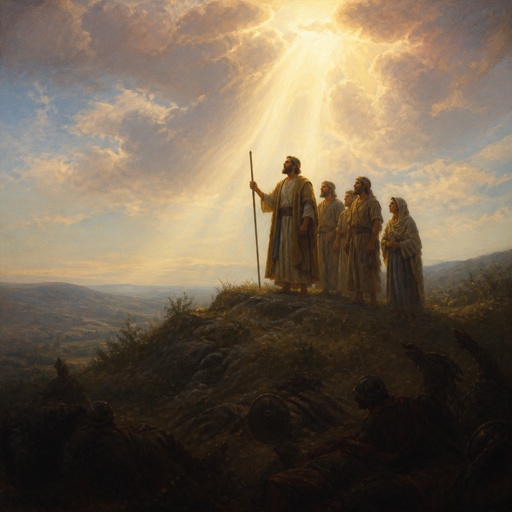
"Through God we shall do valiantly: for he it is that shall tread down our enemies." - Psalms 60:12

Psalms 20 7

Psalms 60:3 - "Thou hast shewed thy people hard things: thou hast made us to drink the wine of astonishment."

Psalms 60:8 - "Moab is my washpot; over Edom will I cast out my shoe: Philistia, triumph thou because of me."
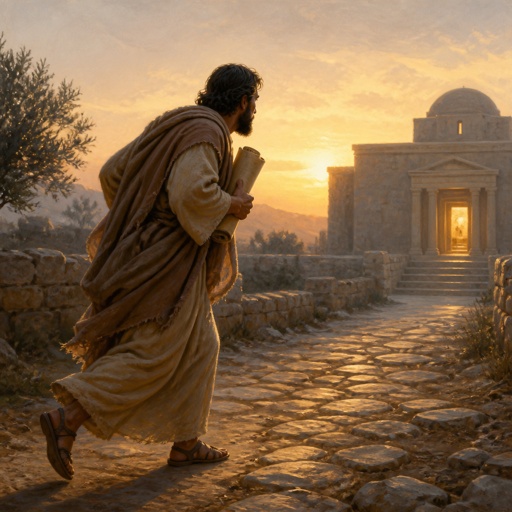
"I made haste, and delayed not to keep thy commandments." - Psalms 119:60
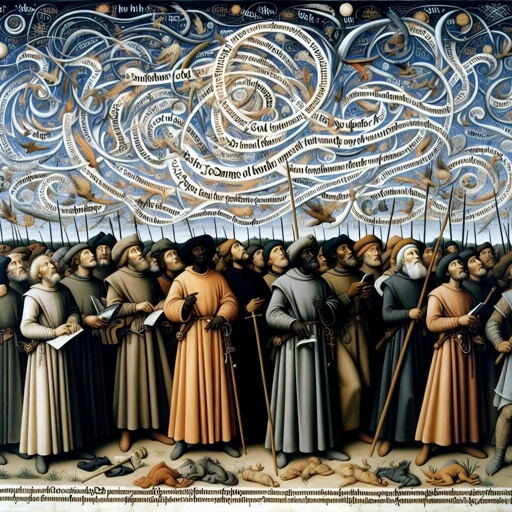
Psalms 60:10 - "Wilt not thou, O God, which hadst cast us off? and thou, O God, which didst not go out with our armies?"
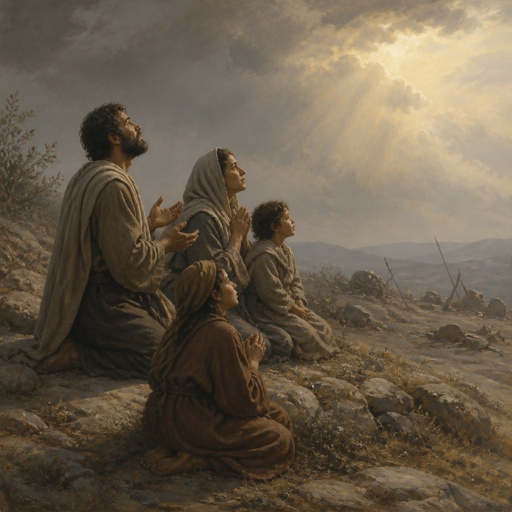
"Give us help from trouble: for vain is the help of man." - Psalms 60:11

Psalms 60:1 - "O God, thou hast cast us off, thou hast scattered us, thou hast been displeased; O turn thyself to us again."
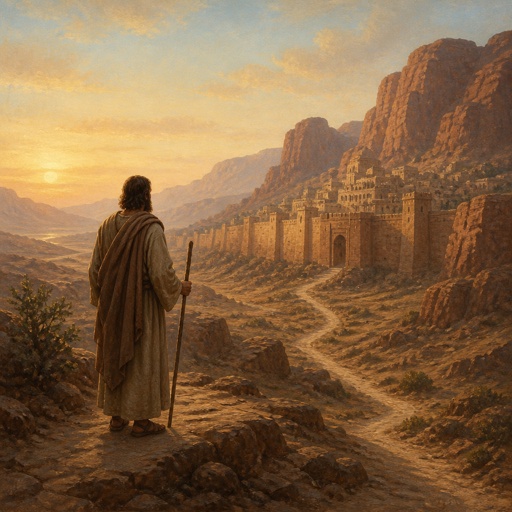
"Who will bring me into the strong city? who will lead me into Edom?" - Psalms 60:9
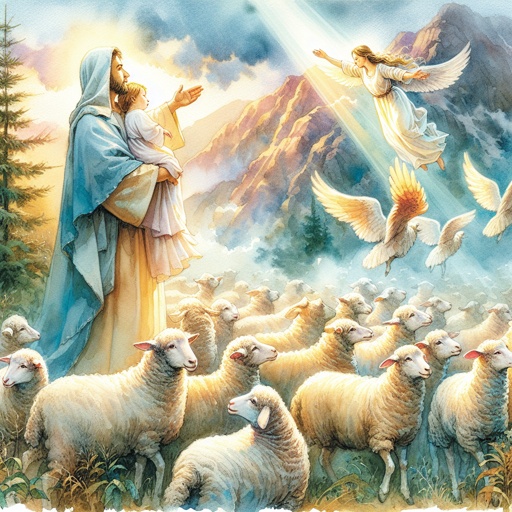
psalm 80:1-7
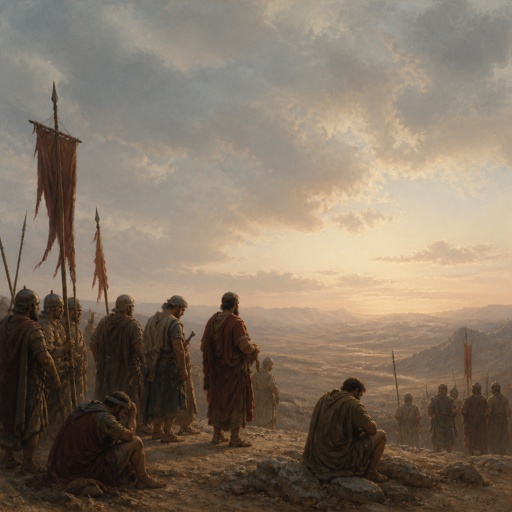
"Wilt not thou, O God, which hadst cast us off? and thou, O God, which didst not go out with our armies?" - Psalms 60:10
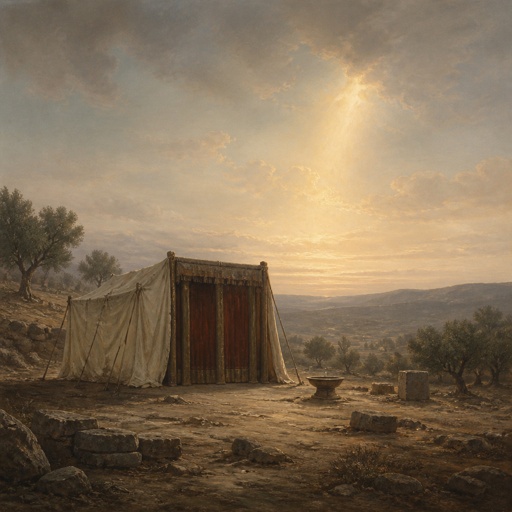
"So that he forsook the tabernacle of Shiloh, the tent which he placed among men;" - Psalms 78:60

Psalms 98:7 - "Let the sea roar, and the fulness thereof; the world, and they that dwell therein."
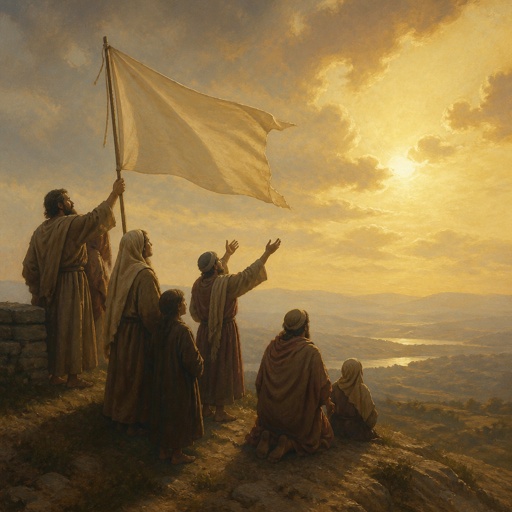
"Thou hast given a banner to them that fear thee, that it may be displayed because of the truth. Selah." - Psalms 60:4

Nehemiah 7:60 - "All the Nethinims, and the children of Solomon's servants, were three hundred ninety and two."
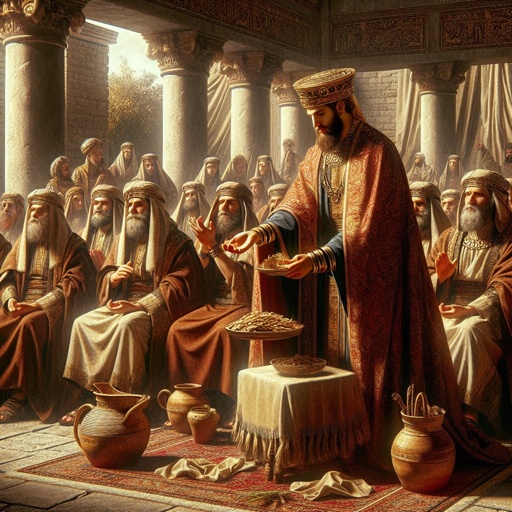
Numbers 7:60 - "¶ On the ninth day Abidan the son of Gideoni, prince of the children of Benjamin, offered:"

"All sheep and oxen, yea, and the beasts of the field;" - Psalms 8:7

Psalms 12:7 - "Thou shalt keep them, O LORD, thou shalt preserve them from this generation for ever."