What does Psalms 61:2 mean?
“From the end of the earth will I cry unto thee, when my heart is overwhelmed: lead me to the rock that is higher than I.” — Psalms 61:2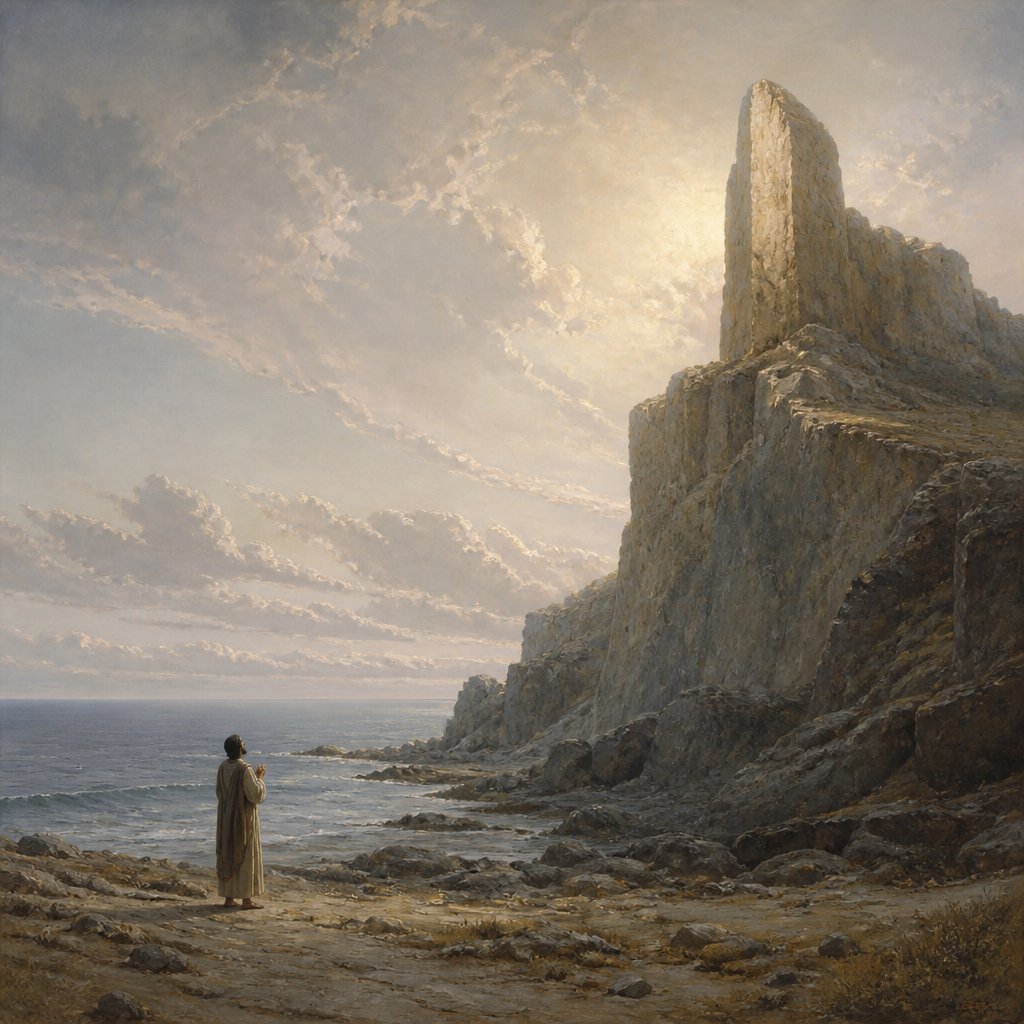
Psalms 61:2 in the King James Version (KJV) of the Bible reads, "From the end of the earth will I cry unto thee, when my heart is overwhelmed: lead me to the rock that is higher than I."
This verse is a powerful expression of the psalmist's deep faith and reliance on God in times of distress and despair. The imagery of reaching out to God from the "end of the earth" signifies the psalmist's feeling of being distant and isolated, perhaps even feeling lost or abandoned. This feeling of distance and abandonment is further highlighted by the phrase "when my heart is overwhelmed," indicating a state of emotional and spiritual turmoil.
Despite these feelings of despair, the psalmist turns to God as their source of strength and refuge. The metaphor of being led to "the rock that is higher than I" portrays God as a sturdy and unshakeable foundation, a place of safety and security that transcends the limitations of human strength and understanding. This image of the rock also brings to mind the idea of God as a fortress, a place of protection and defense against the storms of life.
One of the central themes of this verse is the human experience of struggle and suffering. The psalmist's cry to God from the "end of the earth" reflects the universal human struggle of feeling lost, alone, and overwhelmed by the challenges of life. This verse acknowledges the reality of pain and despair, but it also points to the possibility of finding hope and strength in God.
Another important theme in this verse is the concept of faith and trust in God. Despite the psalmist's feelings of overwhelm and isolation, they turn to God in prayer, expressing their trust in God's ability to provide hope and salvation. The psalmist's plea for God to lead them to the higher rock is a powerful declaration of their belief in God's guidance and protection.
The imagery of the "rock that is higher than I" also carries deep symbolic significance. Throughout the Bible, the symbol of the rock is often used to represent God's strength, steadfastness, and reliability. In the New Testament, Jesus himself is described as the "rock" upon which the church is built (Matthew 16:18). This symbolism reinforces the idea of God as an unshakable foundation, a source of stability and security that transcends the limitations of human understanding.
In terms of context, Psalms is a book of the Bible that is filled with prayers, expressions of praise, and laments. Many of the psalms were written by King David, who is often depicted as a man of deep faith who experienced both triumph and despair in his life. Psalms 61 is attributed to David, and it is believed to have been written during a time of exile or distress, as the psalmist seeks refuge in God's presence.
Overall, Psalms 61:2 is a powerful expression of the psalmist's deep faith and trust in God, even in the midst of overwhelming despair. It speaks to the universal human experience of struggle and suffering, while also pointing to the possibility of finding hope and strength in God. The imagery of the rock as a symbol of God's strength and steadfastness reinforces the psalmist's belief in God's ability to provide refuge and protection in the face of adversity. This verse continues to resonate with believers today, offering comfort and assurance in times of trial.
Get our apps


Artwork for Psalms 61:2

Psalms 61:2 - "From the end of the earth will I cry unto thee, when my heart is overwhelmed: lead me to the rock that is higher than I."

"From the end of the earth will I cry unto thee, when my heart is overwhelmed: lead me to the rock that is higher than I." - Psalms 61:2

Psalms 119:61 - "The bands of the wicked have robbed me: but I have not forgotten thy law."

"Hear my cry, O God; attend unto my prayer." - Psalms 61:1

Psalms 61:3 - "For thou hast been a shelter for me, and a strong tower from the enemy."

Psalms 78:61 - "And delivered his strength into captivity, and his glory into the enemy's hand."

Psalms 61:6 - "Thou wilt prolong the king's life: and his years as many generations."

Psalms 61:1 - "Hear my cry, O God; attend unto my prayer."

Psalms 61:4 - "I will abide in thy tabernacle for ever: I will trust in the covert of thy wings. Selah."

"I will abide in thy tabernacle for ever: I will trust in the covert of thy wings. Selah." - Psalms 61:4

Psalms 61:7 - "He shall abide before God for ever: O prepare mercy and truth, which may preserve him."

Psalms 61:8 - "So will I sing praise unto thy name for ever, that I may daily perform my vows."

"He shall abide before God for ever: O prepare mercy and truth, which may preserve him." - Psalms 61:7

"So will I sing praise unto thy name for ever, that I may daily perform my vows." - Psalms 61:8

Psalms 61:5 - "For thou, O God, hast heard my vows: thou hast given me the heritage of those that fear thy name."

"And delivered his strength into captivity, and his glory into the enemy's hand." - Psalms 78:61

"Thou wilt prolong the king's life: and his years as many generations." - Psalms 61:6

"For thou hast been a shelter for me, and a strong tower from the enemy." - Psalms 61:3

Psalms 81:2 - "Take a psalm, and bring hither the timbrel, the pleasant harp with the psaltery."

"The bands of the wicked have robbed me: but I have not forgotten thy law." - Psalms 119:61

Psalm 61:1-2 - "1 Hear my cry, O God; listen to my prayer. 2 From the ends of the earth I call to you, I call as my heart grows faint; lead me to the rock that is higher than I."
Psalms 115:2 - "Wherefore should the heathen say, Where is now their God?"
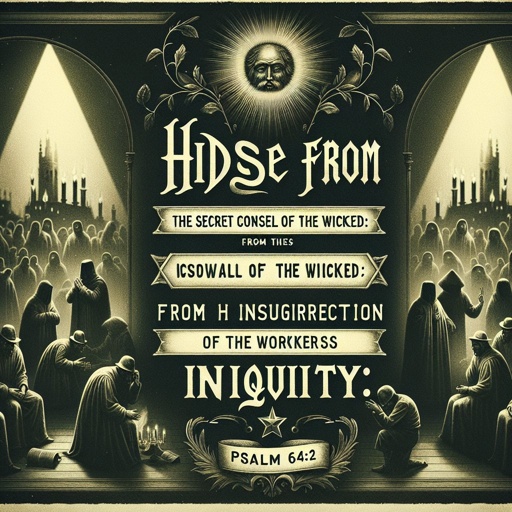
Psalms 64:2 - "Hide me from the secret counsel of the wicked; from the insurrection of the workers of iniquity:"

"For thou, O God, hast heard my vows: thou hast given me the heritage of those that fear thy name." - Psalms 61:5

"Take a psalm, and bring hither the timbrel, the pleasant harp with the psaltery." - Psalms 81:2

Isaiah 61:2 - "To proclaim the acceptable year of the LORD, and the day of vengeance of our God; to comfort all that mourn;"

Psalms 54:2 - "Hear my prayer, O God; give ear to the words of my mouth."

Psalms 149:2 - "Let Israel rejoice in him that made him: let the children of Zion be joyful in their King."

Psalms 61:3 “For you have been my refuge, a strong tower against the foe.”

Psalms 5:2 - "Hearken unto the voice of my cry, my King, and my God: for unto thee will I pray."