What does Psalms 62:5 mean?
“My soul, wait thou only upon God; for my expectation is from him.” — Psalms 62:5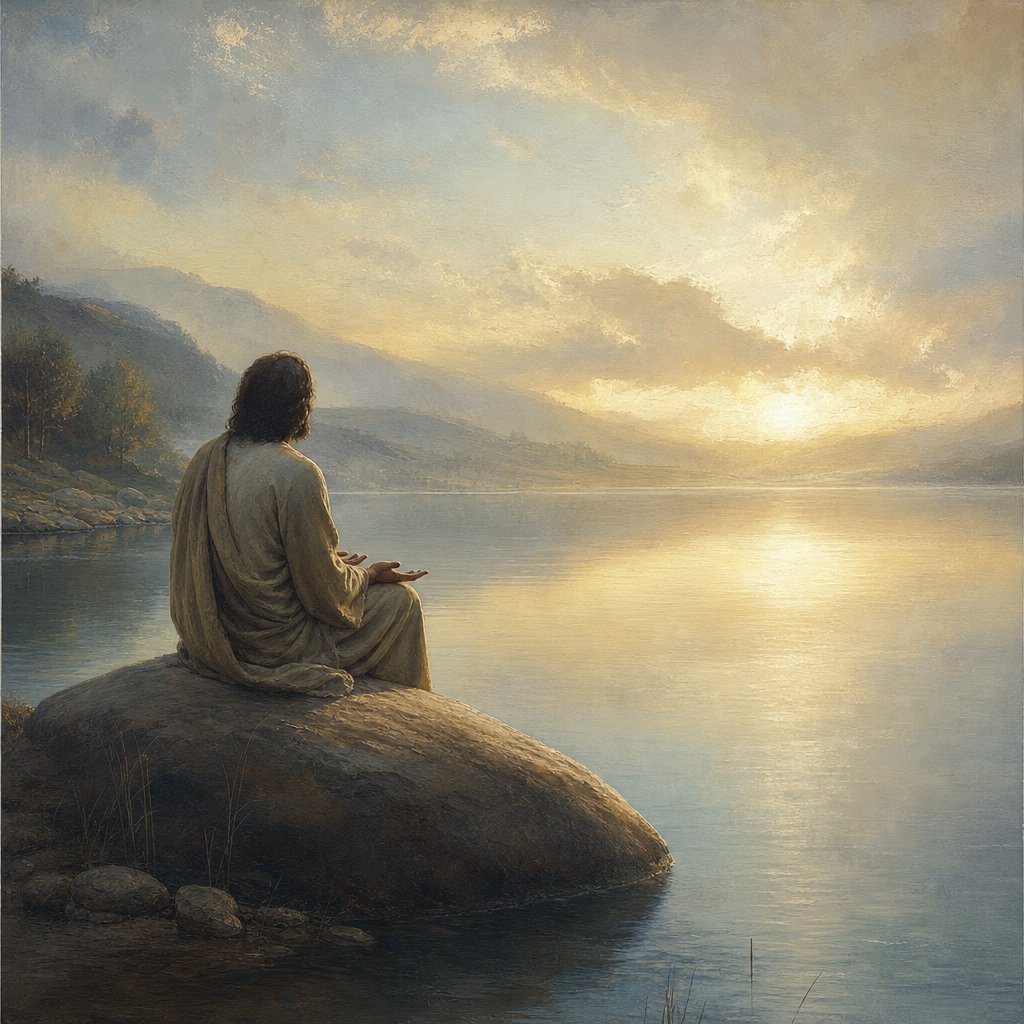
“**My soul, wait thou only upon God; for my expectation is from him.**” (Psalm 62:5, KJV)
In Psalm 62, David speaks as a man surrounded by pressure, slander, and instability, yet determined to stand inwardly still. The psalm repeatedly returns to one governing conviction: safety and steadiness are not produced by circumstances, allies, or personal strength, but by God alone. Psalm 62:5 sits at the heart of that conviction, and it reads like David addressing his own inner life. He is not merely making a public statement of belief; he is commanding and correcting his own soul. The verse is shaped as self-exhortation, as if his feelings and fears must be brought under the rule of faith. When he says, “My soul,” he is speaking to the deepest seat of desire, anxiety, and hope—the unseen interior where panic begins and where trust must be anchored.
The first theme is exclusive reliance: “wait thou only upon God.” The word “only” carries the weight of the whole line. David is not advising a general patience while also hedging his bets with other supports; he is describing a single-point dependence. In the context of the psalm, this exclusivity is a deliberate refusal to treat human power, human approval, or human schemes as ultimate. A few verses later he warns against trusting in oppression, robbery, or riches; the logic is already present in verse 5. Waiting “only upon God” means the soul is to stop scattering its hopes across lesser securities. David’s enemy may be real, but the answer is not to be found in frantic self-rescue or in shifting his trust to what looks immediately strong. The soul is to settle—quietly, deliberately—on God as its one true ground.
The second theme is patient stillness under strain. “Wait” is not passivity in the sense of indifference; it is the discipline of rest that refuses to be driven by fear. In Psalm 62 the atmosphere is one of shaking and assault, and David contrasts that instability with the stability that comes from God. Waiting, then, is the spiritual posture of refusing to be thrown off balance when threatened. It is an inward composure: not because the problem is small, but because God is greater. The verse implies that there is a kind of turmoil inside the believer that must be quieted by truth. David does not say his soul naturally waits; he tells it to do so. The significance is that faith often speaks like this: it does not deny the storm; it gives the soul a command more authoritative than the storm.
The third theme is the source of hope: “for my expectation is from him.” David identifies where his expectation originates. Expectation here is not wishful thinking; it is directed hope—an outlook fixed on what God will do and be. The phrase “is from him” frames God not merely as the object of hope but as the giver of hope, the wellspring from which confident expectation rises. David’s future is not being interpreted through the lens of his enemies; it is being interpreted through the character of God. That is why the verse is so decisive. It reassigns the soul’s forward-looking gaze. Instead of projecting outcomes based on danger, influence, or resources, David projects outcomes based on God’s sufficiency. The expectation does not come “from” favorable conditions; it comes from God, meaning the foundation of hope remains intact even if circumstances do not immediately change.
Symbolically, the verse presents the soul like a servant at the door of its master, waiting for direction and provision, or like a watchman who refuses to abandon his post because he trusts the coming of the one he watches for. It is the image of gathered attention—an inner life no longer divided. The “only” is the symbol of singleness of heart; the “wait” is the symbol of rest under authority; the “expectation” is the symbol of a future held not by chance but by divine faithfulness. The soul’s waiting is also a quiet protest against the world’s usual counsel: grasp, hurry, retaliate, secure yourself. David’s counsel to himself is the opposite: be still, and put your whole weight on God.
Within the immediate context of Psalm 62, this verse echoes and intensifies what is said just before: “Truly my soul waiteth upon God: from him cometh my salvation.” In verse 5, David repeats the thought but turns it into a deliberate instruction to his inner being. Repetition in this psalm functions like a refrain meant to steady the heart. It is as if David knows that under pressure the soul forgets, and so the truth must be spoken again until it becomes the soul’s settled posture. The verse therefore carries pastoral force: it shows how faith maintains stability—by continually turning the soul back to God as the single source of expectation.
The significance of Psalm 62:5, then, is that it portrays spiritual resilience as an inward act of exclusive trust. It teaches that the soul’s peace is not achieved by controlling outcomes but by locating hope at its true origin. David’s enemies may still speak vanity and bless with their mouth while cursing inwardly, but David’s soul is instructed to wait only upon God, because what he looks for—deliverance, vindication, steadiness, and final good—does not rise out of human hands or uncertain events. “My expectation is from him” is the quiet center of the verse: God is not merely a helper added to other supports; God is the source from which the believer’s hope flows, and therefore the soul can be commanded to rest.
Get our apps


Artwork for Psalms 62:5

Psalms 62:5 - "My soul, wait thou only upon God; for my expectation is from him."

"My soul, wait thou only upon God; for my expectation is from him." - Psalms 62:5
"My soul, wait thou only upon God; for my expectation is from him." - Psalms 62:5

Psalms 62:7 - "In God is my salvation and my glory: the rock of my strength, and my refuge, is in God."

Psalms 78:62 - "He gave his people over also unto the sword; and was wroth with his inheritance."

Psalms 119:62 - "At midnight I will rise to give thanks unto thee because of thy righteous judgments."

Psalms 62:1 - "Truly my soul waiteth upon God: from him cometh my salvation."

Psalms 62:11 - "God hath spoken once; twice have I heard this; that power belongeth unto God."

Psalms 62:10 - "Trust not in oppression, and become not vain in robbery: if riches increase, set not your heart upon them."

Psalms 62:6 - "He only is my rock and my salvation: he is my defence; I shall not be moved."

Psalms 62:2 - "He only is my rock and my salvation; he is my defence; I shall not be greatly moved."

Psalms 62:12 - "Also unto thee, O Lord, belongeth mercy: for thou renderest to every man according to his work."

Psalms 62:4 - "They only consult to cast him down from his excellency: they delight in lies: they bless with their mouth, but they curse inwardly. Selah."

Psalms 98:5 - "Sing unto the LORD with the harp; with the harp, and the voice of a psalm."

Psalms 62:9 - "Surely men of low degree are vanity, and men of high degree are a lie: to be laid in the balance, they are altogether lighter than vanity."

Psalms 62:8 - "Trust in him at all times; ye people, pour out your heart before him: God is a refuge for us. Selah."

"Also unto thee, O Lord, belongeth mercy: for thou renderest to every man according to his work." - Psalms 62:12

Psalms 62:3 - "How long will ye imagine mischief against a man? ye shall be slain all of you: as a bowing wall shall ye be, and as a tottering fence."

"Trust in him at all times; ye people, pour out your heart before him: God is a refuge for us. Selah." - Psalms 62:8

"Trust in him at all times; ye people, pour out your heart before him: God is a refuge for us. Selah." - Psalms 62:8

"How long will ye imagine mischief against a man? ye shall be slain all of you: as a bowing wall shall ye be, and as a tottering fence." - Psalms 62:3

"Sing unto the LORD with the harp; with the harp, and the voice of a psalm." - Psalms 98:5

Psalms 98:5 - "Sing unto the LORD with the harp; with the harp, and the voice of a psalm."

Psalms 98:5 - "Sing unto the LORD with the harp; with the harp, and the voice of a psalm."

Psalms 98:5 - "Sing unto the LORD with the harp; with the harp, and the voice of a psalm."
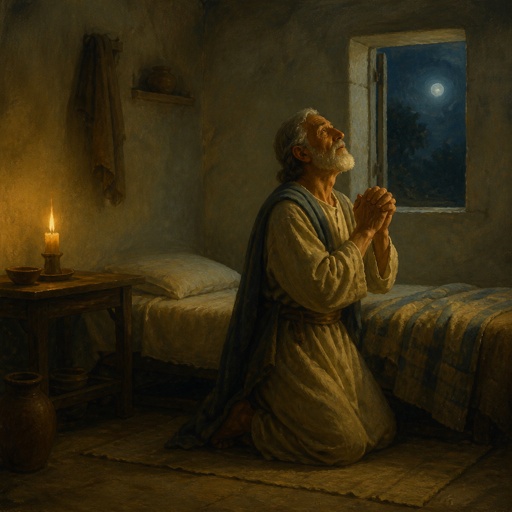
"At midnight I will rise to give thanks unto thee because of thy righteous judgments." - Psalms 119:62

"In God is my salvation and my glory: the rock of my strength, and my refuge, is in God." - Psalms 62:7

Psalms 98:5 - "Sing unto the LORD with the harp; with the harp, and the voice of a psalm."
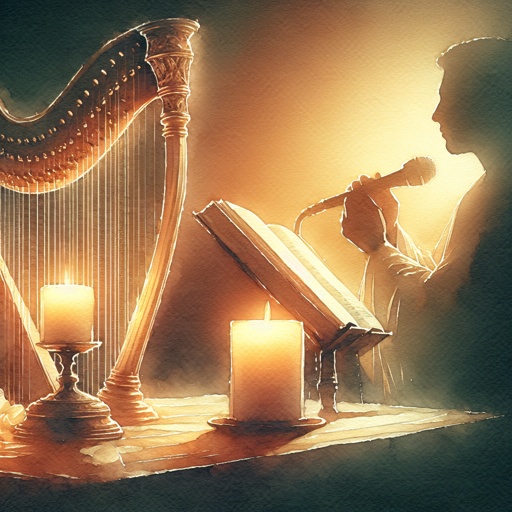
Psalms 98:5 - "Sing unto the LORD with the harp; with the harp, and the voice of a psalm."
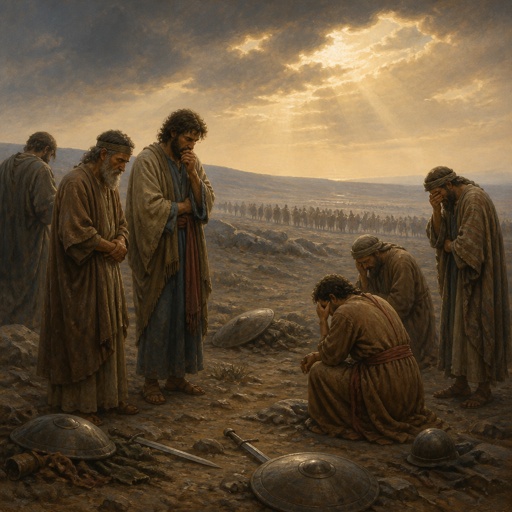
"He gave his people over also unto the sword; and was wroth with his inheritance." - Psalms 78:62