What does Psalms 76:12 mean?
“He shall cut off the spirit of princes: he is terrible to the kings of the earth.” — Psalms 76:12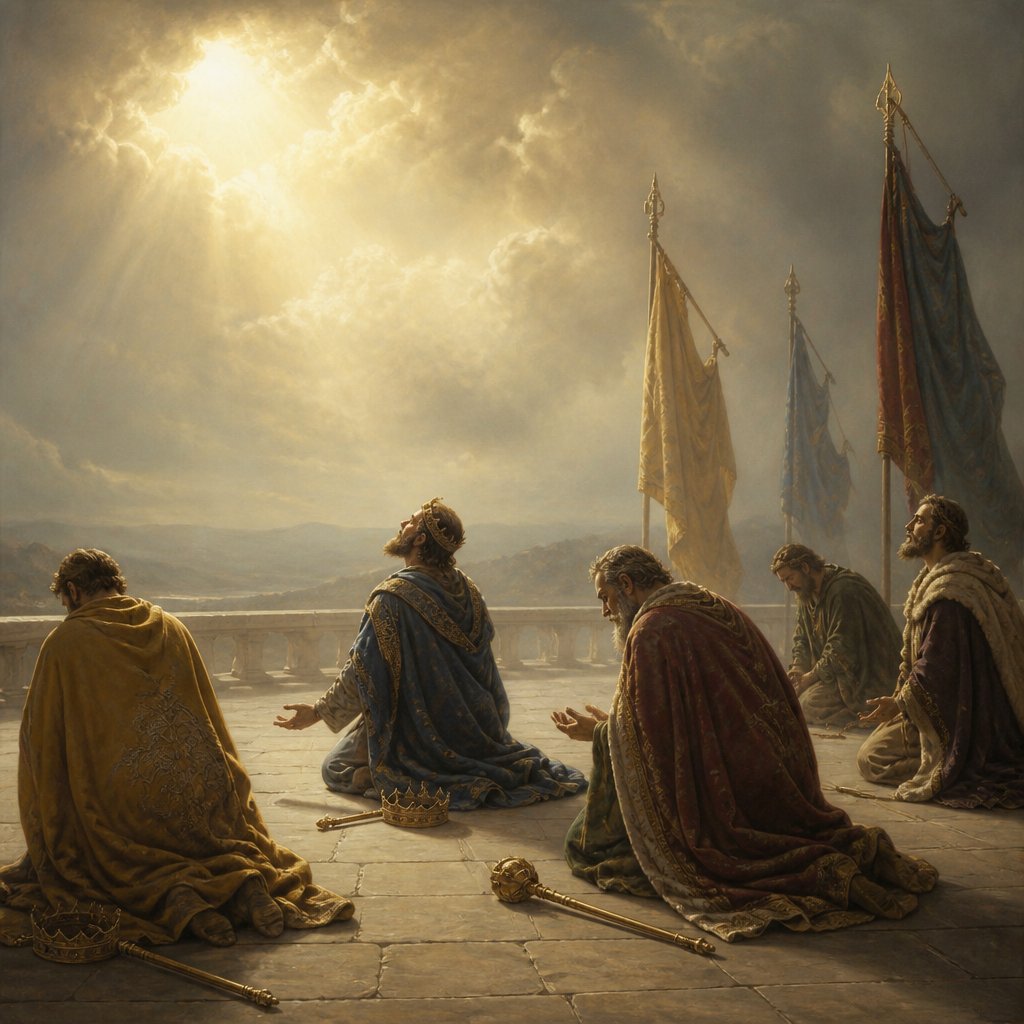
Psalm 76:12 in the King James Version of the Bible reads: "He shall cut off the spirit of princes: he is terrible to the kings of the earth." This verse is part of a larger passage in Psalm 76 that is attributed to Asaph, a Levite and one of King David's chief musicians. The psalm is a song of praise and thanksgiving to God for his victory over the enemies of his people.
The verse in question speaks to the power and authority of God over the rulers of the earth. It uses the imagery of "cutting off the spirit of princes" and being "terrible to the kings of the earth" to convey the idea that even the most powerful and influential leaders of the world are subject to the sovereignty of God. This verse is a reminder that human leaders may wield great power, but they are ultimately accountable to a higher authority.
One of the key themes of this verse is the sovereignty of God. Throughout the Bible, there is a recurring theme of God's authority and control over the affairs of the world. This verse reinforces the idea that no one, no matter how powerful or influential, is beyond the reach of God's sovereignty. It serves as a comforting reassurance to believers that God is ultimately in control, even in the midst of earthly powers and authorities.
Another important theme in this verse is the concept of divine judgment. The imagery of "cutting off the spirit of princes" and being "terrible to the kings of the earth" suggests that God has the power to bring about judgment and punishment upon those who defy or oppose him. This theme is found throughout the Bible, particularly in the Old Testament, where God is often depicted as a righteous judge who holds rulers and nations accountable for their actions.
The context of this verse is also significant. Psalm 76 as a whole is a celebration of God's victory over his enemies. It speaks of the awe and reverence due to God and the recognition of his majesty and authority. The verse in question serves as a reminder of the power and sovereignty of God, even in the face of the most powerful human rulers. It is a call for humility and acknowledgment of God's ultimate authority.
In addition to its thematic significance, this verse also contains symbolism. The imagery of "cutting off the spirit of princes" and being "terrible to the kings of the earth" is symbolic of the idea that God has the power to bring down the proud and exalt the humble. It speaks to the reversal of earthly power dynamics and the ultimate triumph of God's kingdom over the powers of this world.
In conclusion, Psalm 76:12 in the King James Version of the Bible is a powerful declaration of the sovereignty and authority of God over the rulers of the earth. It conveys important themes of divine sovereignty, judgment, and the ultimate triumph of God's kingdom. It serves as a reminder to believers of the transcendent power of God and the assurance that no earthly ruler is beyond the reach of his authority. This verse is a source of comfort, encouragement, and hope for those who place their trust in God's ultimate power and control.
Get our apps


Artwork for Psalms 76:12

Psalms 76:12 - "He shall cut off the spirit of princes: he is terrible to the kings of the earth."
"He shall cut off the spirit of princes: he is terrible to the kings of the earth." - Psalms 76:12

"Thou art more glorious and excellent than the mountains of prey." - Psalms 76:4
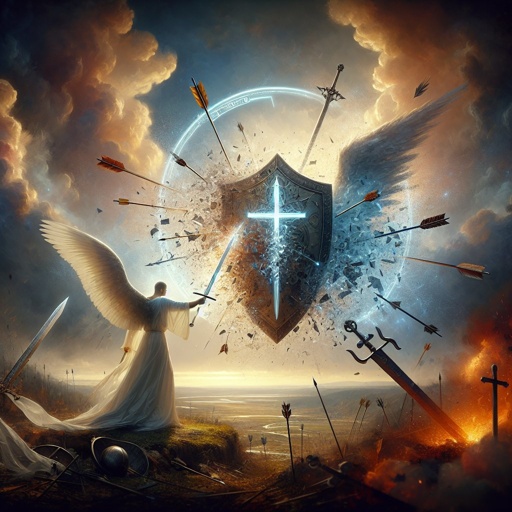
Psalms 76:3 - "There brake he the arrows of the bow, the shield, and the sword, and the battle. Selah."

Psalms 76:1 - "In Judah is God known: his name is great in Israel."

Psalms 76:4 - "Thou art more glorious and excellent than the mountains of prey."

Psalms 76:2 - "In Salem also is his tabernacle, and his dwelling place in Zion."
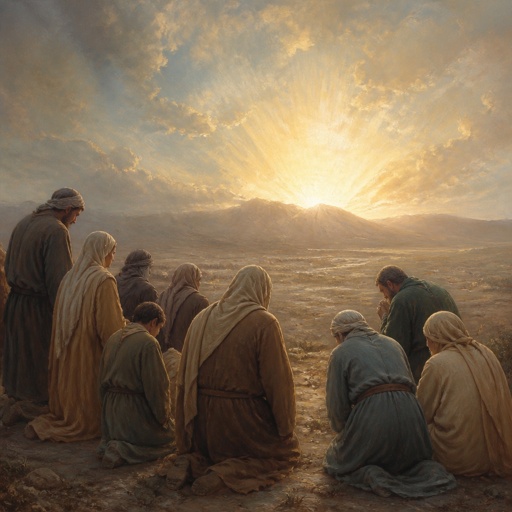
"When God arose to judgment, to save all the meek of the earth. Selah." - Psalms 76:9

Psalms 76:9 - "When God arose to judgment, to save all the meek of the earth. Selah."
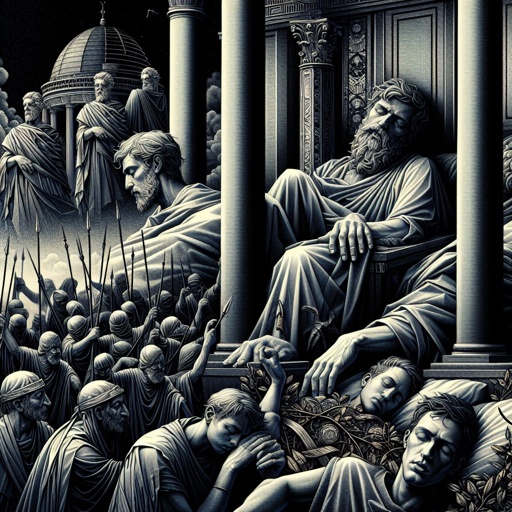
Psalms 76:5 - "The stouthearted are spoiled, they have slept their sleep: and none of the men of might have found their hands."

Psalms 76:8 - "Thou didst cause judgment to be heard from heaven; the earth feared, and was still,"
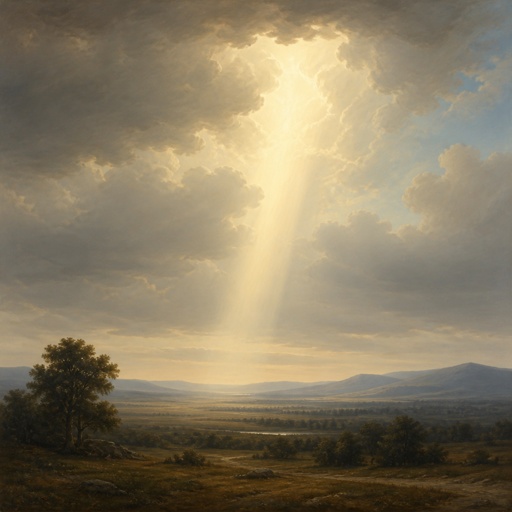
"Thou didst cause judgment to be heard from heaven; the earth feared, and was still," - Psalms 76:8

Psalms 76:10 - "Surely the wrath of man shall praise thee: the remainder of wrath shalt thou restrain."
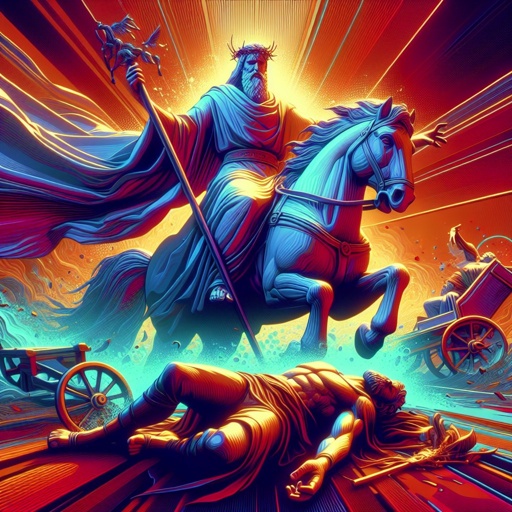
Psalms 76:6 - "At thy rebuke, O God of Jacob, both the chariot and horse are cast into a dead sleep."
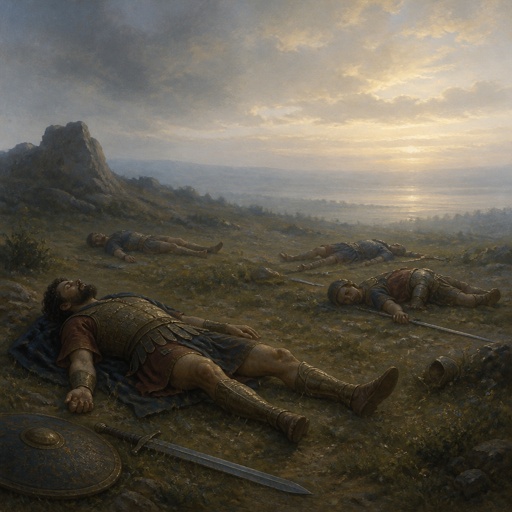
"The stouthearted are spoiled, they have slept their sleep: and none of the men of might have found their hands." - Psalms 76:5

Psalms 119:76 - "Let, I pray thee, thy merciful kindness be for my comfort, according to thy word unto thy servant."

Psalms 76:7 - "Thou, even thou, art to be feared: and who may stand in thy sight when once thou art angry?"
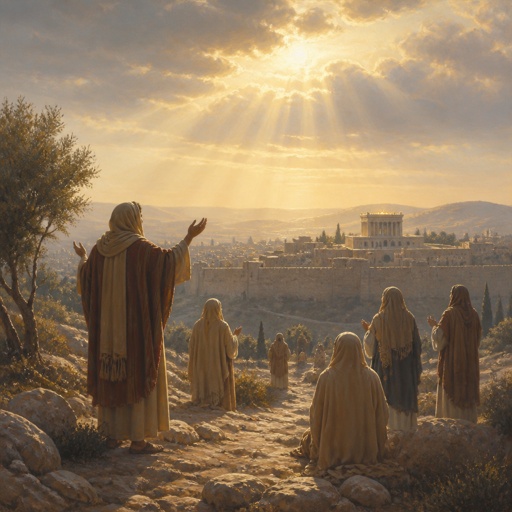
"In Judah is God known: his name is great in Israel." - Psalms 76:1
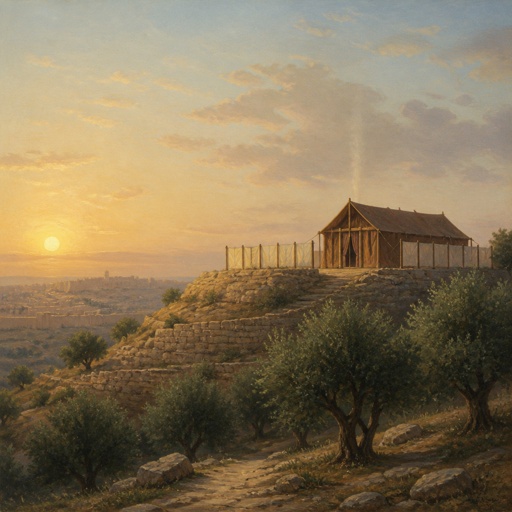
"In Salem also is his tabernacle, and his dwelling place in Zion." - Psalms 76:2
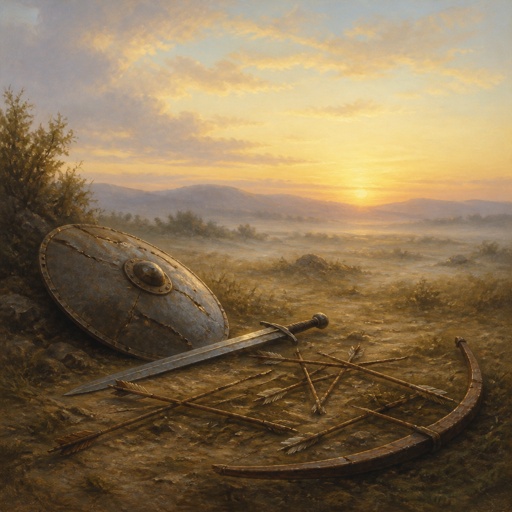
"There brake he the arrows of the bow, the shield, and the sword, and the battle. Selah." - Psalms 76:3
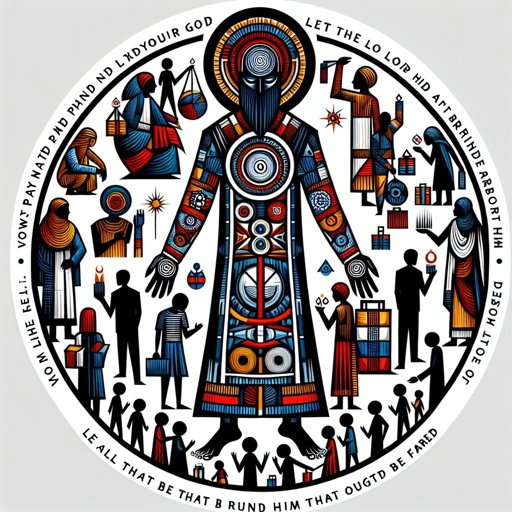
Psalms 76:11 - "Vow, and pay unto the LORD your God: let all that be round about him bring presents unto him that ought to be feared."
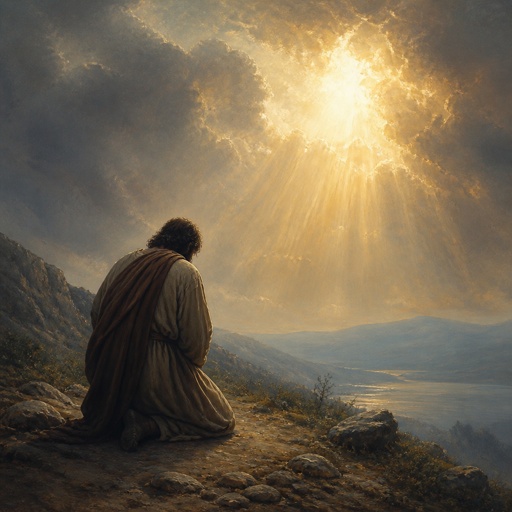
"Thou, even thou, art to be feared: and who may stand in thy sight when once thou art angry?" - Psalms 76:7
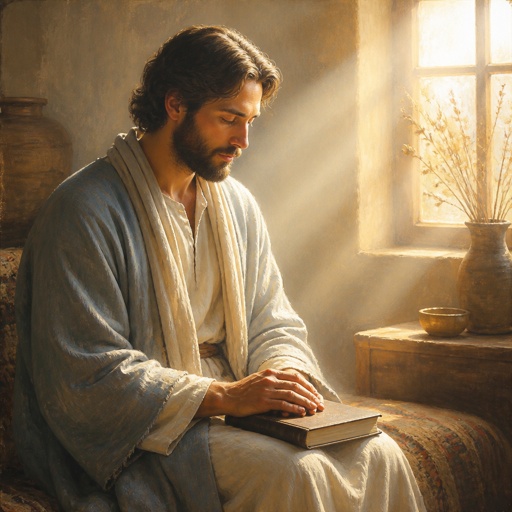
"Let, I pray thee, thy merciful kindness be for my comfort, according to thy word unto thy servant." - Psalms 119:76
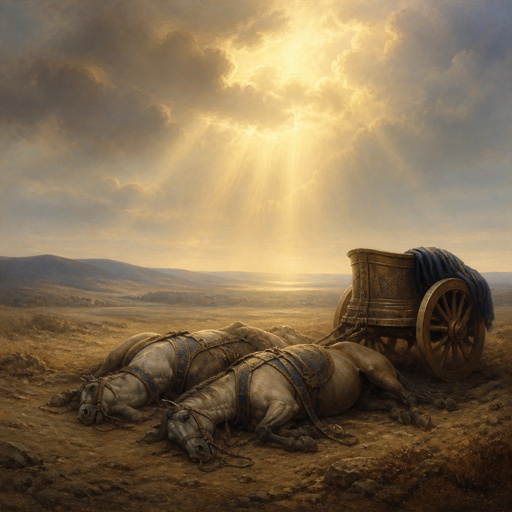
"At thy rebuke, O God of Jacob, both the chariot and horse are cast into a dead sleep." - Psalms 76:6
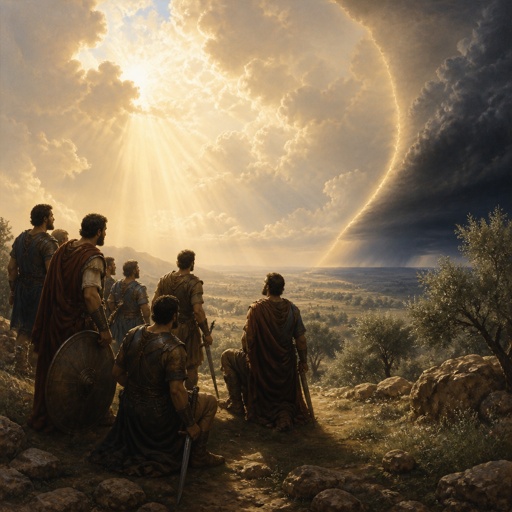
"Surely the wrath of man shall praise thee: the remainder of wrath shalt thou restrain." - Psalms 76:10
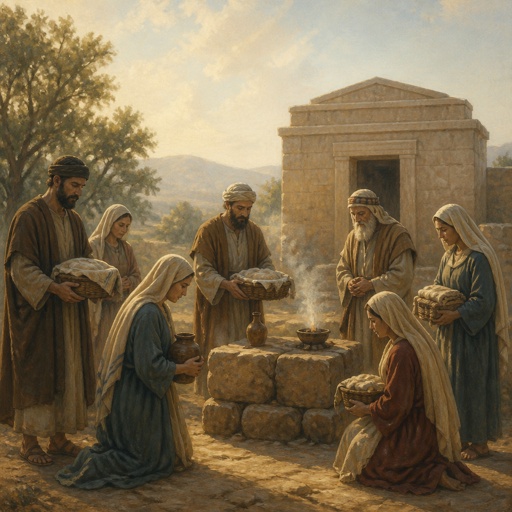
"Vow, and pay unto the LORD your God: let all that be round about him bring presents unto him that ought to be feared." - Psalms 76:11

"Then believed they his words; they sang his praise." - Psalms 106:12

Psalms 12:7 - "Thou shalt keep them, O LORD, thou shalt preserve them from this generation for ever."

Psalms 60:12 - "Through God we shall do valiantly: for he it is that shall tread down our enemies."

Psalms 86:12 - "I will praise thee, O Lord my God, with all my heart: and I will glorify thy name for evermore."