What does Psalms 76:3 mean?
“There brake he the arrows of the bow, the shield, and the sword, and the battle. Selah.” — Psalms 76:3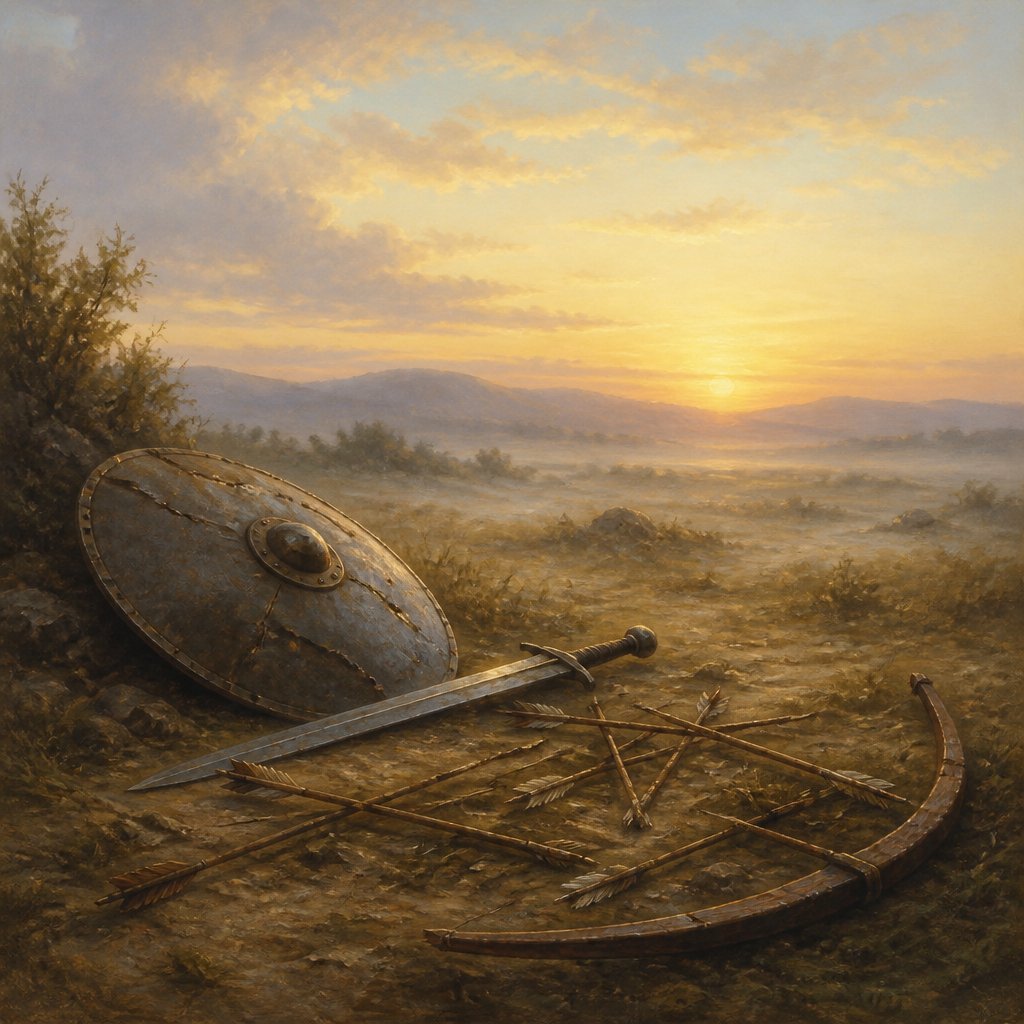
The verse Psalms 76:3 from the King James Version (KJV) of the Bible states: "There brake he the arrows of the bow, the shield, and the sword, and the battle."
This verse is taken from the book of Psalms, which is a collection of sacred songs and poems that are used for worship and praise in the Jewish and Christian traditions. The Psalms were traditionally attributed to King David, although modern scholarship suggests that they were written by various authors over a period of centuries. The Psalms cover a wide range of themes, including praise and thanksgiving, lament and petition, and expressions of faith and trust in God.
In the context of this particular verse, the psalmist is recounting the victory of God in battle. The language used is highly symbolic, drawing on imagery of warfare to convey the idea of God's power and protection. The verse speaks of God as the ultimate source of strength and security, able to overcome the weapons and strategies of human warfare.
One of the central themes of this verse is the sovereignty and power of God. By "breaking the arrows of the bow, the shield, and the sword," God is being portrayed as the ultimate victor in any conflict. This imagery would have been particularly resonant for the original audience of the psalm, who lived in a time and place where warfare and conflict were constant realities. The message of the verse is that no weapon or strategy can stand against the might of God.
The imagery of breaking the weapons of war also carries a broader symbolic significance. In the context of the Psalms, warfare is often used as a metaphor for the struggles and trials of life. The verse can be understood as a reassurance to the believer that God is able to overcome any obstacle or challenge that they may face. It is a statement of faith in the ultimate victory of good over evil, of light over darkness.
Another important aspect of this verse is its portrayal of God as a protector and defender. The breaking of the arrows, shield, and sword can be seen as a metaphor for God's intervention on behalf of his people, shielding them from harm and delivering them from their enemies. This theme of divine protection is a recurring motif in the Psalms, reflecting the ancient Israelite belief that God was their ultimate source of security and deliverance.
The language of the verse is also highly poetic, employing vivid and evocative imagery to convey its message. The breaking of the weapons of war is described in a way that conveys a sense of power and finality, emphasizing the irresistible might of God. The use of such imagery would have been intended to inspire awe and reverence for God among the worshipers who recited or sang this psalm.
In conclusion, Psalms 76:3 is a powerful and evocative verse that conveys a message of faith, reassurance, and hope. Through its imagery of God breaking the weapons of war, it speaks to the sovereignty and power of God, his role as protector and defender, and the ultimate victory of good over evil. It is a verse that would have resonated deeply with its original audience and continues to inspire and uplift believers today.
Get our apps


Artwork for Psalms 76:3
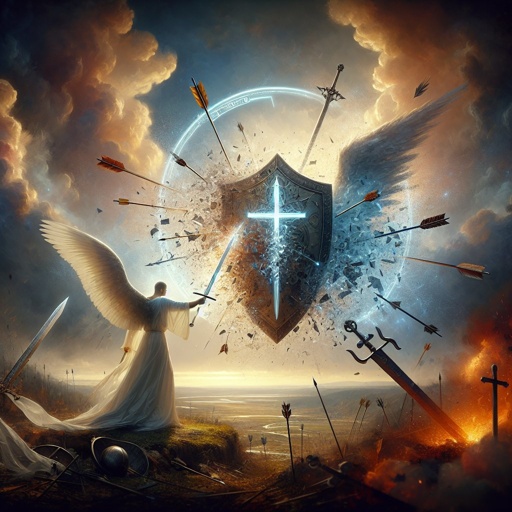
Psalms 76:3 - "There brake he the arrows of the bow, the shield, and the sword, and the battle. Selah."
"There brake he the arrows of the bow, the shield, and the sword, and the battle. Selah." - Psalms 76:3

"Thou art more glorious and excellent than the mountains of prey." - Psalms 76:4

Psalms 76:1 - "In Judah is God known: his name is great in Israel."

Psalms 76:4 - "Thou art more glorious and excellent than the mountains of prey."

Psalms 76:2 - "In Salem also is his tabernacle, and his dwelling place in Zion."

Psalms 76:12 - "He shall cut off the spirit of princes: he is terrible to the kings of the earth."
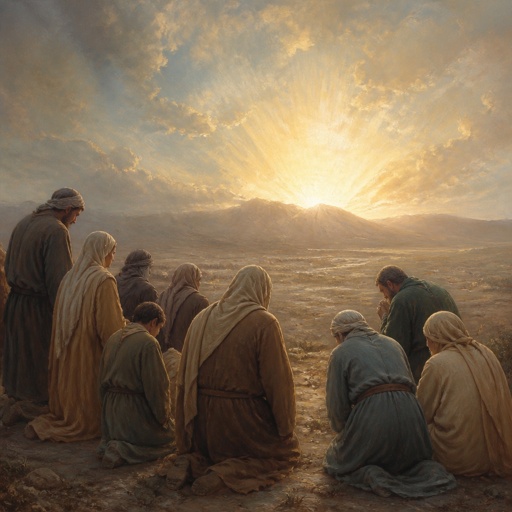
"When God arose to judgment, to save all the meek of the earth. Selah." - Psalms 76:9

Psalms 76:9 - "When God arose to judgment, to save all the meek of the earth. Selah."
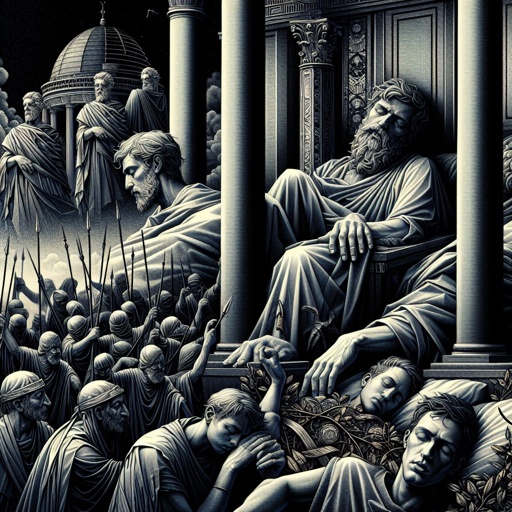
Psalms 76:5 - "The stouthearted are spoiled, they have slept their sleep: and none of the men of might have found their hands."

Psalms 76:8 - "Thou didst cause judgment to be heard from heaven; the earth feared, and was still,"
"Thou didst cause judgment to be heard from heaven; the earth feared, and was still," - Psalms 76:8

Psalms 76:10 - "Surely the wrath of man shall praise thee: the remainder of wrath shalt thou restrain."
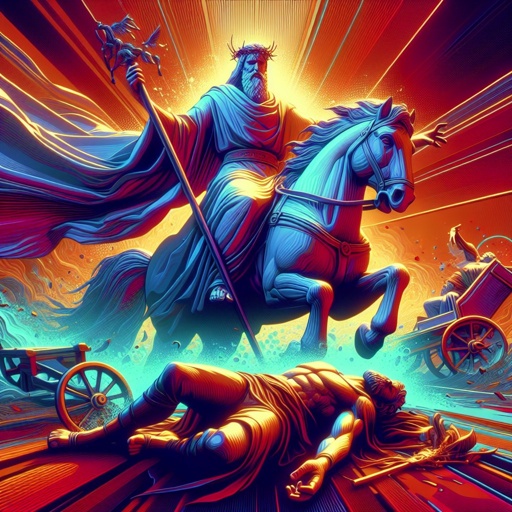
Psalms 76:6 - "At thy rebuke, O God of Jacob, both the chariot and horse are cast into a dead sleep."
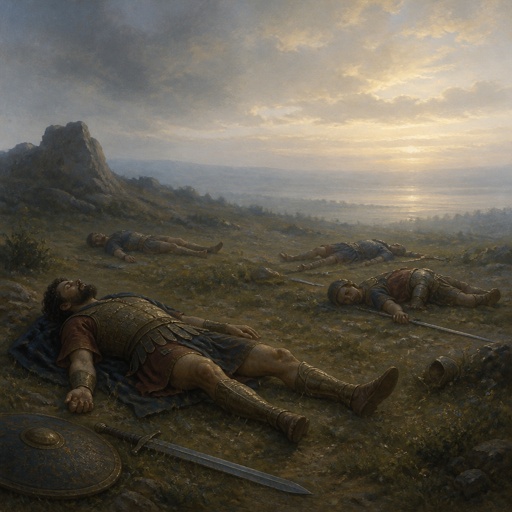
"The stouthearted are spoiled, they have slept their sleep: and none of the men of might have found their hands." - Psalms 76:5

Psalms 119:76 - "Let, I pray thee, thy merciful kindness be for my comfort, according to thy word unto thy servant."
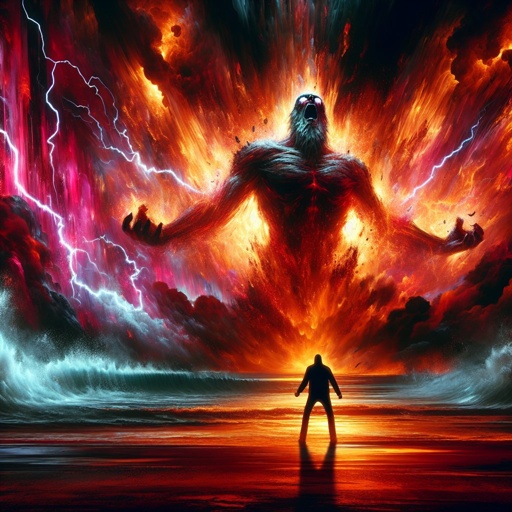
Psalms 76:7 - "Thou, even thou, art to be feared: and who may stand in thy sight when once thou art angry?"
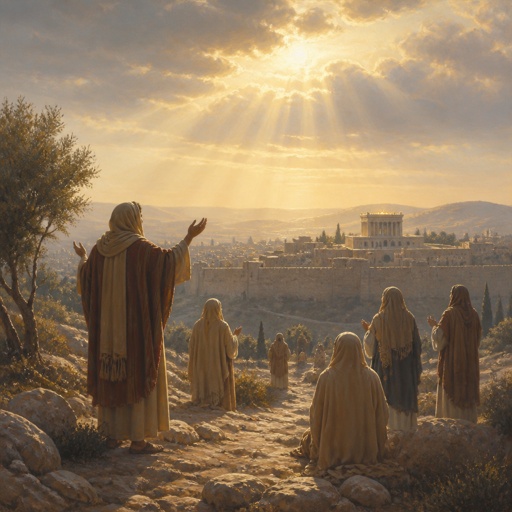
"In Judah is God known: his name is great in Israel." - Psalms 76:1
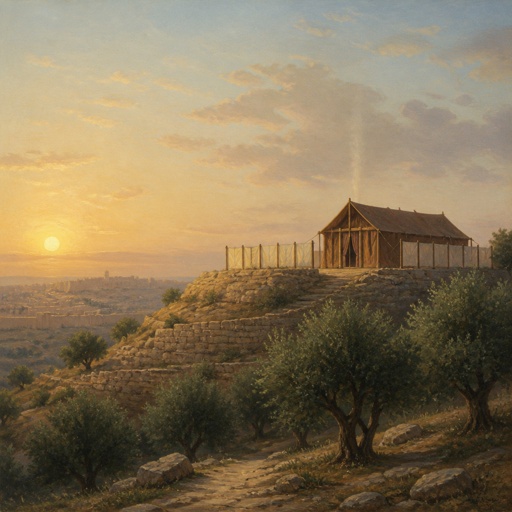
"In Salem also is his tabernacle, and his dwelling place in Zion." - Psalms 76:2
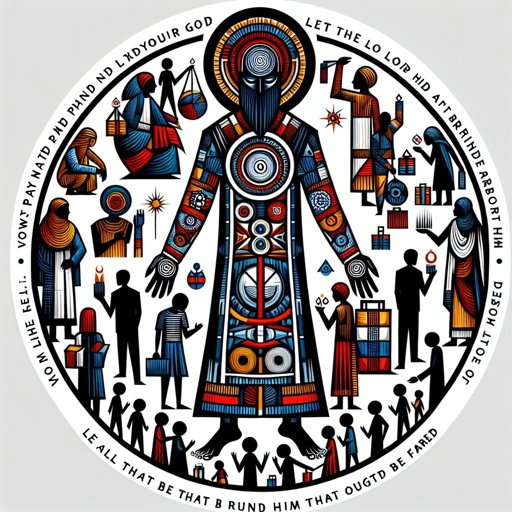
Psalms 76:11 - "Vow, and pay unto the LORD your God: let all that be round about him bring presents unto him that ought to be feared."
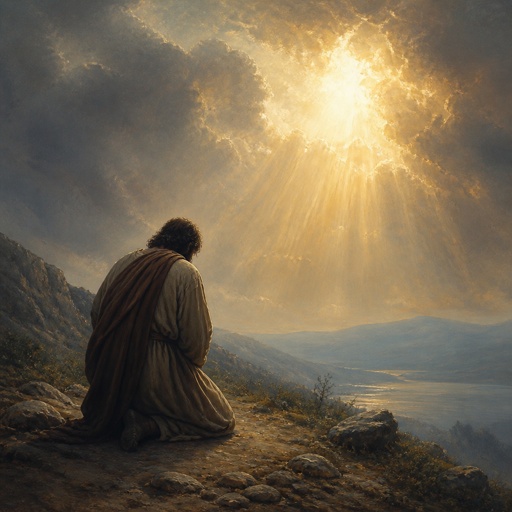
"Thou, even thou, art to be feared: and who may stand in thy sight when once thou art angry?" - Psalms 76:7
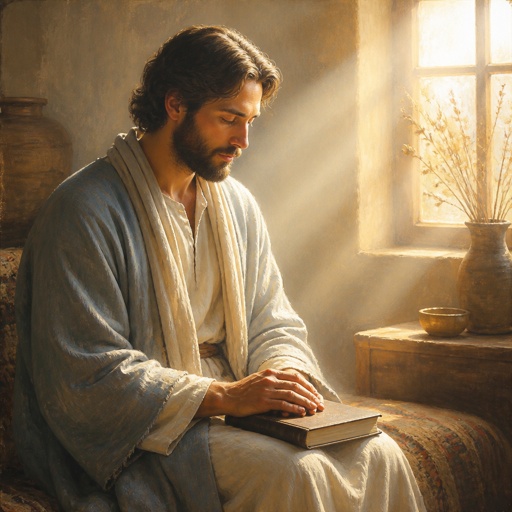
"Let, I pray thee, thy merciful kindness be for my comfort, according to thy word unto thy servant." - Psalms 119:76
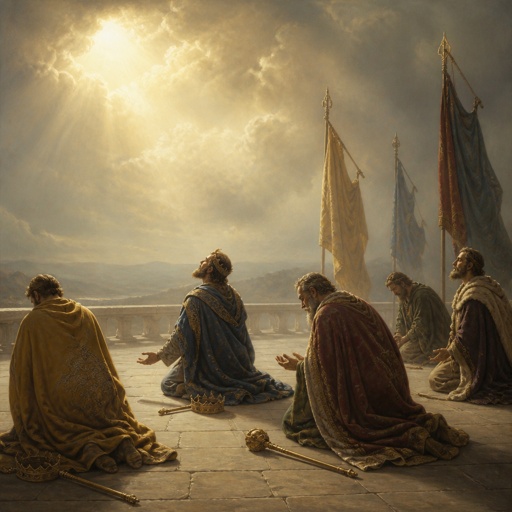
"He shall cut off the spirit of princes: he is terrible to the kings of the earth." - Psalms 76:12
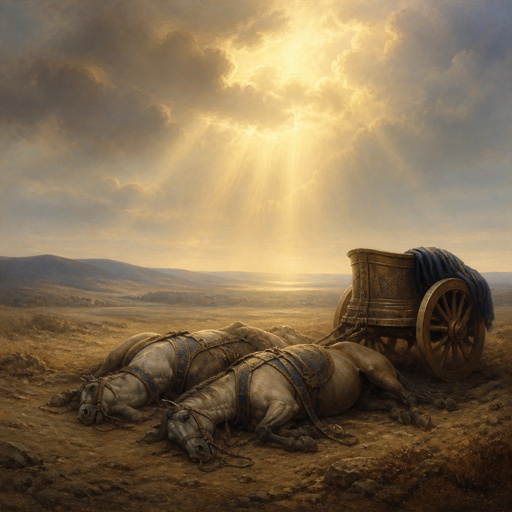
"At thy rebuke, O God of Jacob, both the chariot and horse are cast into a dead sleep." - Psalms 76:6
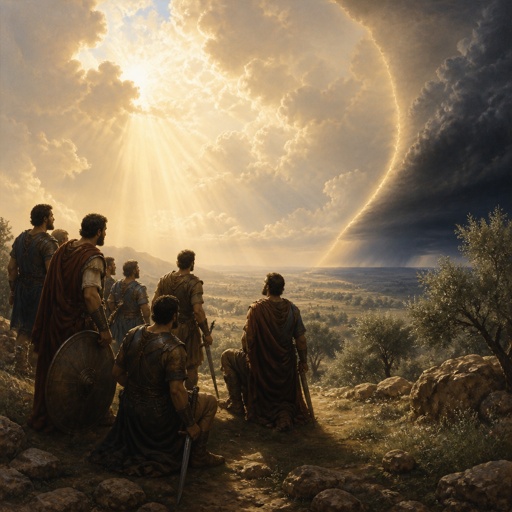
"Surely the wrath of man shall praise thee: the remainder of wrath shalt thou restrain." - Psalms 76:10
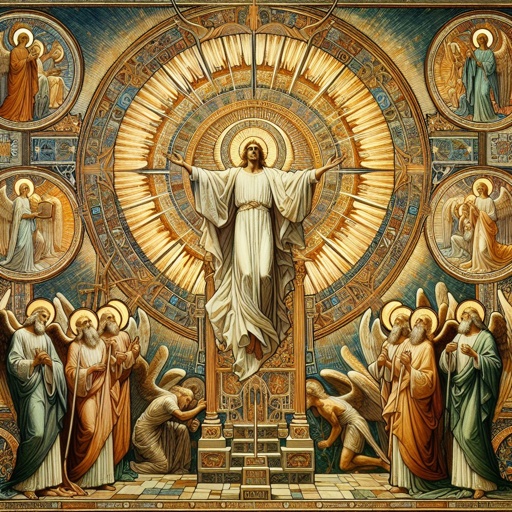
Psalms 111:3 - "His work is honourable and glorious: and his righteousness endureth for ever."

Psalms 88:3 - "For my soul is full of troubles: and my life draweth nigh unto the grave."

Psalms 103:3 - "Who forgiveth all thine iniquities; who healeth all thy diseases;"

Psalms 87:3 - "Glorious things are spoken of thee, O city of God. Selah."
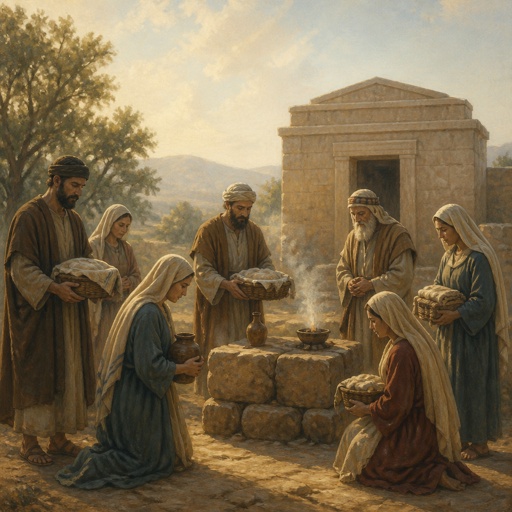
"Vow, and pay unto the LORD your God: let all that be round about him bring presents unto him that ought to be feared." - Psalms 76:11