What does Psalms 76:7 mean?
“Thou, even thou, art to be feared: and who may stand in thy sight when once thou art angry?” — Psalms 76:7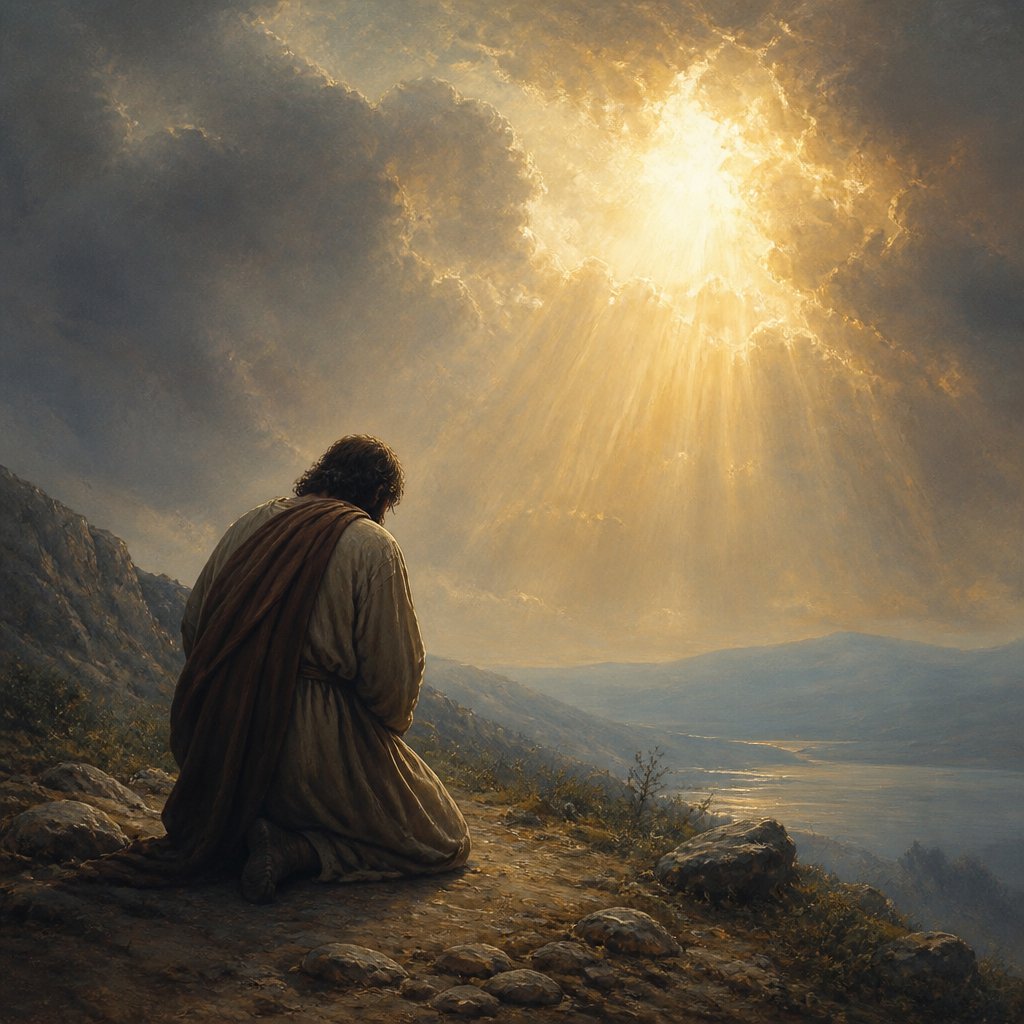
The verse Psalms 76:7 from the King James Version of the Bible reads, "Thou, even thou, art to be feared: and who may stand in thy sight when once thou art angry?"
This verse is found in a Psalm attributed to Asaph, a Levitical musician in the time of David, and it is a part of a song that celebrates God's power and sovereignty over his people. The verse comes in the midst of a description of God's judgment on the wicked, and it emphasizes the fear and awe that should be directed towards the Almighty.
The verse begins with the emphatic declaration, "Thou, even thou, art to be feared." This repetition underscores the importance of recognizing and revering God's awesome power. The fear of God is a recurring theme in the Bible, and it is often used to convey the idea of a healthy reverence and awe towards the Creator. The fear of the Lord is described in Proverbs 9:10 as the beginning of wisdom, and it indicates a recognition of God's authority and a desire to live in accordance with his will.
The verse then poses a rhetorical question, "and who may stand in thy sight when once thou art angry?" This question underscores the absolute authority and unassailable power of God. It conveys the idea that when God's anger is kindled, no one can stand before him or withstand his judgment. This speaks to the righteousness and justice of God, and it emphasizes that no one can escape his scrutiny or avoid the consequences of their actions.
The context of the verse within the Psalm highlights the theme of God's sovereignty and judgment. The Psalmist describes God's triumph over his enemies and establishes his eternal throne in Zion. This theme of God's kingship and authority is a recurring motif in the Psalms and serves to remind the reader of God's unchanging power and authority over all creation.
The verse also serves as a reminder of the consequences of disobedience and rebellion against God. The fear and awe of God's anger are meant to inspire a sense of humility and a recognition of the need for repentance and obedience. The imagery of standing in God's sight when he is angry conveys the idea of being held to account for one's actions and the inability to escape divine judgment.
Symbolically, the verse conveys the image of God as a fearsome and awe-inspiring ruler. The mention of God's anger highlights the holiness and righteousness of God, and it emphasizes the need for reverence and obedience. The verse also carries the symbolic weight of the consequences of sin and the need for repentance and atonement.
In conclusion, Psalms 76:7 from the King James Version of the Bible conveys a powerful message about the fear and reverence that should be directed towards God. It underscores the themes of God's sovereignty, righteousness, and judgment, and it serves as a reminder of the consequences of disobedience. The verse carries a symbolic weight that emphasizes the need for humility, repentance, and obedience in the face of God's awesome power and authority.
Get our apps


Artwork for Psalms 76:7

Psalms 76:7 - "Thou, even thou, art to be feared: and who may stand in thy sight when once thou art angry?"
"Thou, even thou, art to be feared: and who may stand in thy sight when once thou art angry?" - Psalms 76:7

"Thou art more glorious and excellent than the mountains of prey." - Psalms 76:4
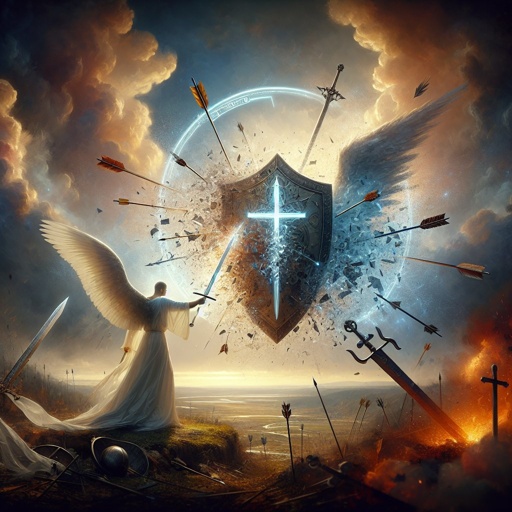
Psalms 76:3 - "There brake he the arrows of the bow, the shield, and the sword, and the battle. Selah."

Psalms 76:1 - "In Judah is God known: his name is great in Israel."

Psalms 76:4 - "Thou art more glorious and excellent than the mountains of prey."

Psalms 76:2 - "In Salem also is his tabernacle, and his dwelling place in Zion."

Psalms 76:12 - "He shall cut off the spirit of princes: he is terrible to the kings of the earth."
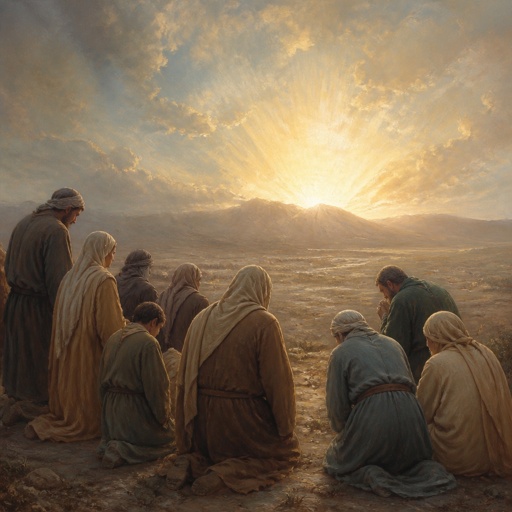
"When God arose to judgment, to save all the meek of the earth. Selah." - Psalms 76:9

Psalms 76:9 - "When God arose to judgment, to save all the meek of the earth. Selah."
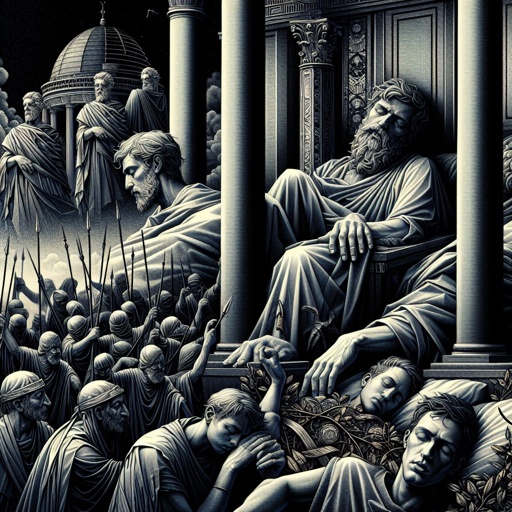
Psalms 76:5 - "The stouthearted are spoiled, they have slept their sleep: and none of the men of might have found their hands."

Psalms 76:8 - "Thou didst cause judgment to be heard from heaven; the earth feared, and was still,"
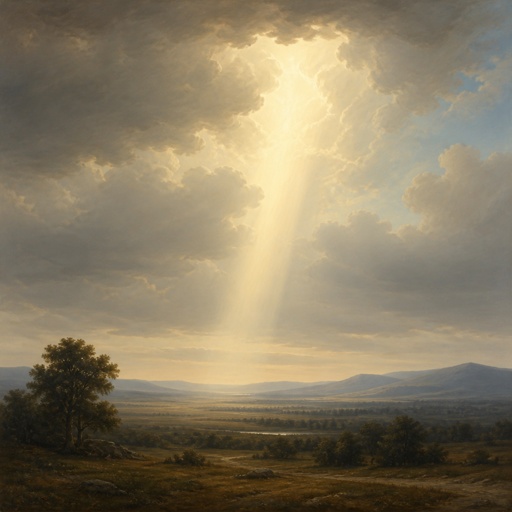
"Thou didst cause judgment to be heard from heaven; the earth feared, and was still," - Psalms 76:8

Psalms 76:10 - "Surely the wrath of man shall praise thee: the remainder of wrath shalt thou restrain."
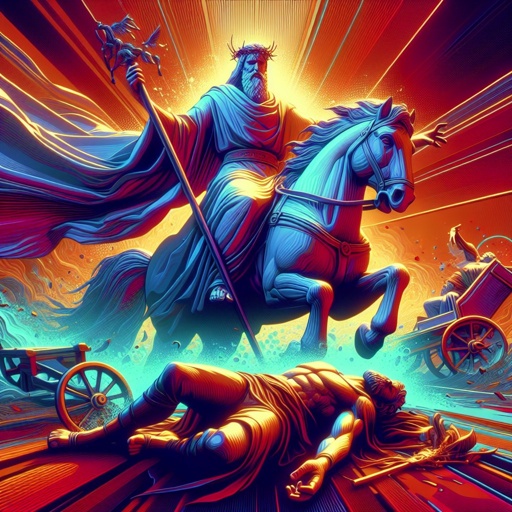
Psalms 76:6 - "At thy rebuke, O God of Jacob, both the chariot and horse are cast into a dead sleep."
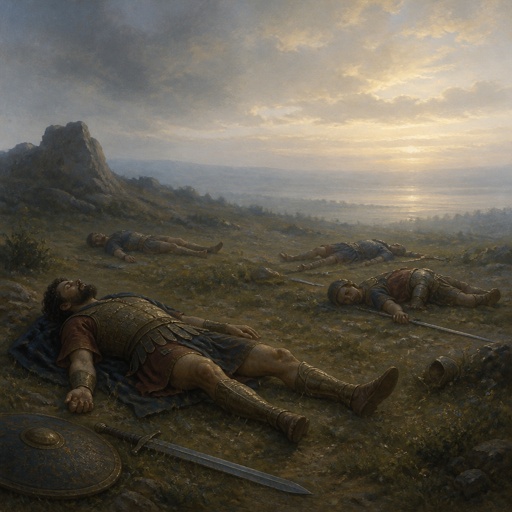
"The stouthearted are spoiled, they have slept their sleep: and none of the men of might have found their hands." - Psalms 76:5

Psalms 119:76 - "Let, I pray thee, thy merciful kindness be for my comfort, according to thy word unto thy servant."
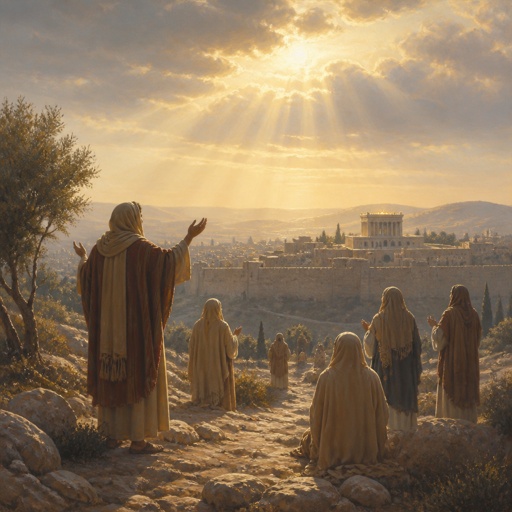
"In Judah is God known: his name is great in Israel." - Psalms 76:1
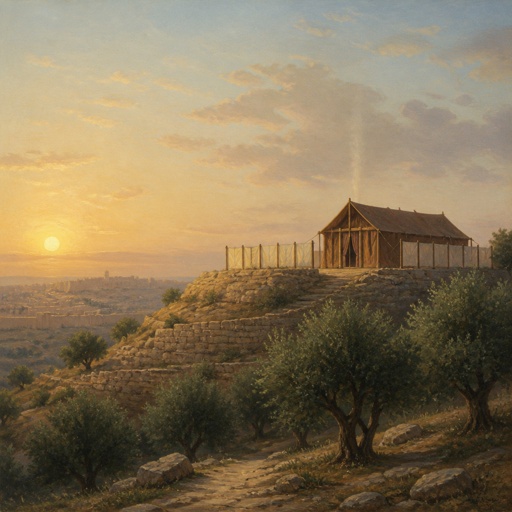
"In Salem also is his tabernacle, and his dwelling place in Zion." - Psalms 76:2
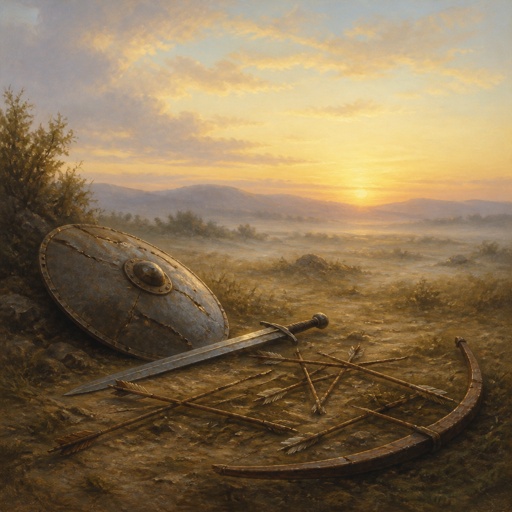
"There brake he the arrows of the bow, the shield, and the sword, and the battle. Selah." - Psalms 76:3
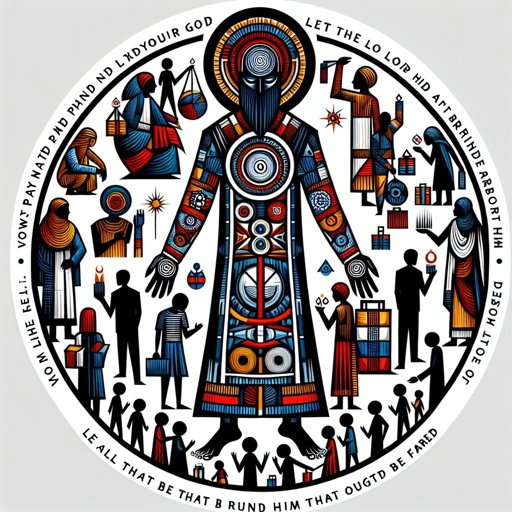
Psalms 76:11 - "Vow, and pay unto the LORD your God: let all that be round about him bring presents unto him that ought to be feared."

Numbers 7:76 - "One kid of the goats for a sin offering:"
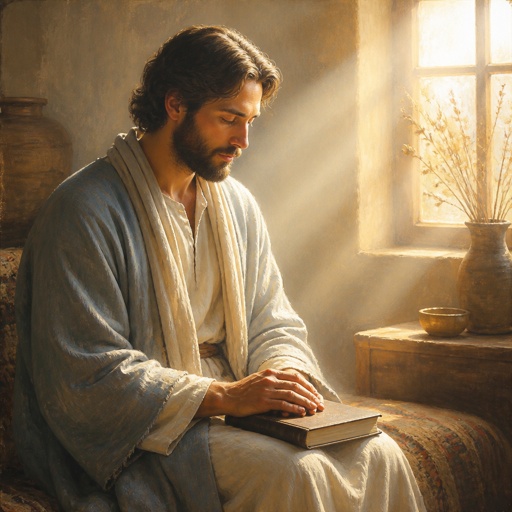
"Let, I pray thee, thy merciful kindness be for my comfort, according to thy word unto thy servant." - Psalms 119:76
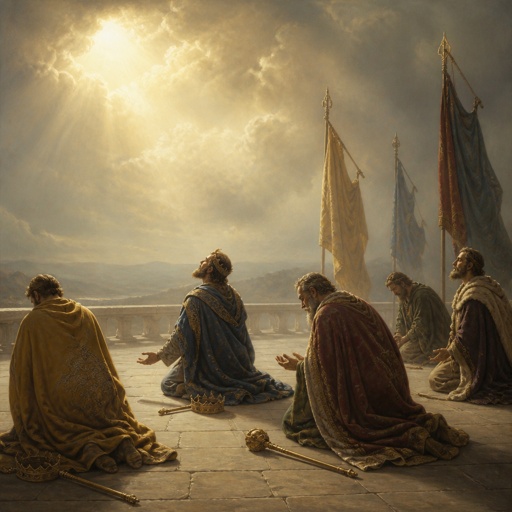
"He shall cut off the spirit of princes: he is terrible to the kings of the earth." - Psalms 76:12
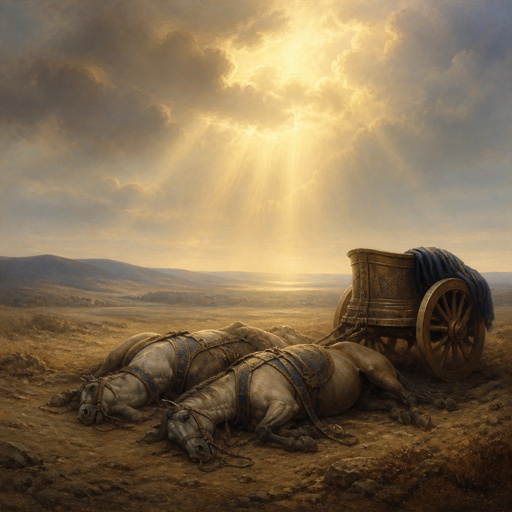
"At thy rebuke, O God of Jacob, both the chariot and horse are cast into a dead sleep." - Psalms 76:6
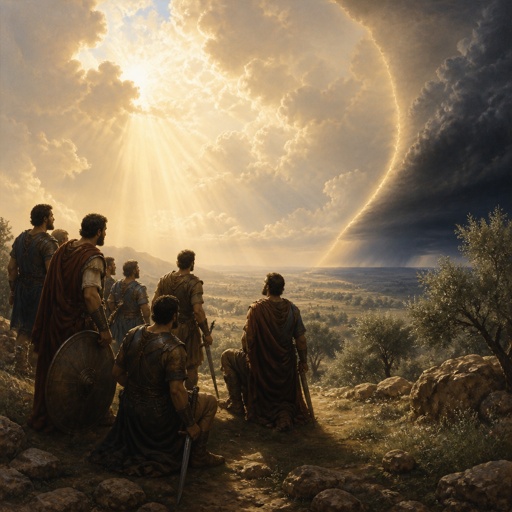
"Surely the wrath of man shall praise thee: the remainder of wrath shalt thou restrain." - Psalms 76:10

Psalms 20 7
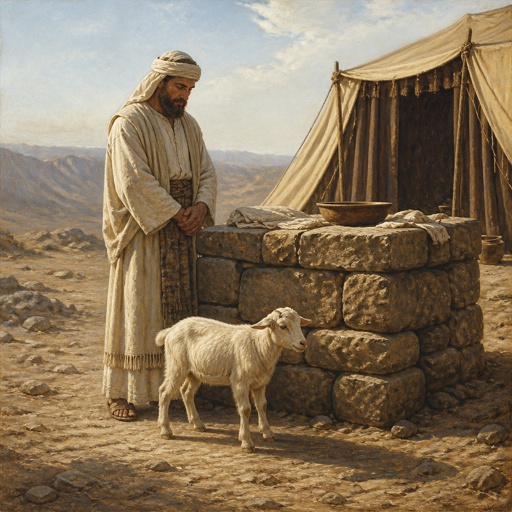
"One kid of the goats for a sin offering:" - Numbers 7:76
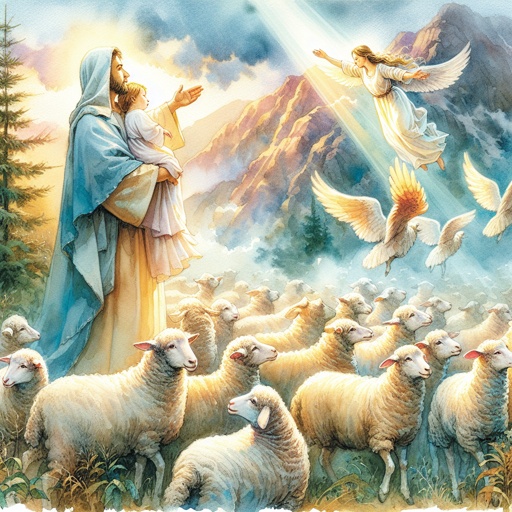
psalm 80:1-7

Psalms 98:7 - "Let the sea roar, and the fulness thereof; the world, and they that dwell therein."