What does Psalms 78:39 mean?
“For he remembered that they were but flesh; a wind that passeth away, and cometh not again.” — Psalms 78:39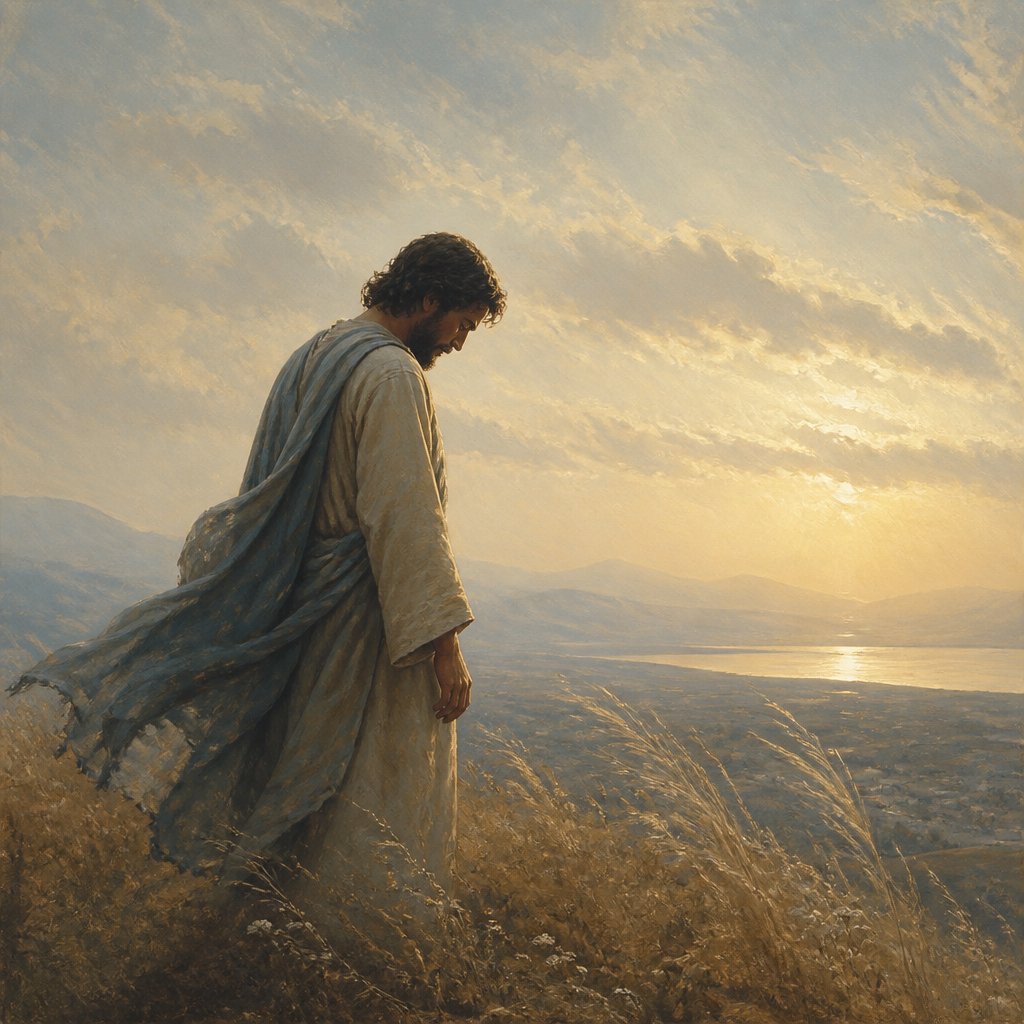
Psalms 78:39 from the King James Version (KJV) reads, "For he remembered that they were but flesh; a wind that passeth away, and cometh not again." This verse is a part of a longer psalm that reflects on the faithfulness of God despite the unfaithfulness of the people of Israel. The psalmist remembers the many times that the people turned away from God, and yet God continued to show mercy and grace.
The verse itself speaks to the mortality and frailty of human beings. It reminds us that we are but flesh, and our lives are temporary. The comparison to a wind that passes away and does not return emphasizes the transient nature of human life. In this context, the verse serves as a reminder of human limitations and the need for dependence on God.
One of the key themes of Psalms 78 is the idea of God's faithfulness and steadfast love. The psalmist recounts the history of Israel and how God was constantly faithful to them, despite their unfaithfulness. This theme is echoed in other parts of the Bible, such as Lamentations 3:22-23, which says, "The steadfast love of the Lord never ceases; his mercies never come to an end; they are new every morning; great is your faithfulness." The verse in Psalms 78:39 can be seen as an acknowledgment of God's faithfulness in contrast to the frailty of humanity.
The context of this verse is important for understanding its meaning. Psalm 78 as a whole serves as a reminder of God's faithfulness throughout history. The psalmist recounts the many ways in which the Israelites rebelled against God, yet God continued to provide for them and guide them. This verse comes after a description of the people's unfaithfulness and the consequences they faced as a result. In the face of this, the psalmist reflects on God's mercy and compassion, despite the shortcomings of the people.
The symbolism in this verse lies in the imagery of the wind as a representation of the fleeting nature of human life. The comparison to a wind that passes away and does not return emphasizes the brevity and transience of human existence. This imagery is a common motif in the Bible, where human life is often described as a "mist" or a "fleeting shadow" (James 4:14, Job 8:9). The symbolism serves as a reminder of the temporary nature of human life and the need for reliance on the eternal and unchanging nature of God.
In summary, Psalm 78:39 from the King James Version of the Bible serves as a reminder of the frailty and transience of human life in contrast to the faithfulness and steadfast love of God. The verse is situated within a larger context of recounting God's faithfulness throughout history and serves as a reflection on the limitations of human beings. The symbolism of the wind emphasizes the temporary nature of human existence and the need for dependence on the eternal nature of God. This verse can be a source of comfort and encouragement, reminding us of our need for God's mercy and grace in the face of our own frailty.
Get our apps


Artwork for Psalms 78:39

Psalms 78:39 - "For he remembered that they were but flesh; a wind that passeth away, and cometh not again."
"For he remembered that they were but flesh; a wind that passeth away, and cometh not again." - Psalms 78:39

Psalms 78:8 - "And might not be as their fathers, a stubborn and rebellious generation; a generation that set not their heart aright, and whose spirit was not stedfast with God."

"And they remembered that God was their rock, and the high God their redeemer." - Psalms 78:35

"They kept not the covenant of God, and refused to walk in his law;" - Psalms 78:10

"Therefore their days did he consume in vanity, and their years in trouble." - Psalms 78:33

Psalms 78:18 - "And they tempted God in their heart by asking meat for their lust."

Psalms 78:35 - "And they remembered that God was their rock, and the high God their redeemer."

Psalms 78:47 - "He destroyed their vines with hail, and their sycomore trees with frost."

Psalms 78:10 - "They kept not the covenant of God, and refused to walk in his law;"

Psalms 78:64 - "Their priests fell by the sword; and their widows made no lamentation."

Psalms 78:22 - "Because they believed not in God, and trusted not in his salvation:"

"He gave up their cattle also to the hail, and their flocks to hot thunderbolts." - Psalms 78:48

"They were not estranged from their lust. But while their meat was yet in their mouths," - Psalms 78:30

Psalms 78:61 - "And delivered his strength into captivity, and his glory into the enemy's hand."

Psalms 78:67 - "Moreover he refused the tabernacle of Joseph, and chose not the tribe of Ephraim:"

"And they sinned yet more against him by provoking the most High in the wilderness." - Psalms 78:17

"When God heard this, he was wroth, and greatly abhorred Israel:" - Psalms 78:59

Psalms 78:44 - "And had turned their rivers into blood; and their floods, that they could not drink."

Psalms 78:32 - "For all this they sinned still, and believed not for his wondrous works."

Psalms 78:41 - "Yea, they turned back and tempted God, and limited the Holy One of Israel."

Psalms 78:17 - "And they sinned yet more against him by provoking the most High in the wilderness."

Psalms 78:36 - "Nevertheless they did flatter him with their mouth, and they lied unto him with their tongues."

Psalms 78:28 - "And he let it fall in the midst of their camp, round about their habitations."

Psalms 78:59 - "When God heard this, he was wroth, and greatly abhorred Israel:"

Psalms 78:63 - "The fire consumed their young men; and their maidens were not given to marriage."

Psalms 78:51 - "And smote all the firstborn in Egypt; the chief of their strength in the tabernacles of Ham:"

Psalms 78:37 - "For their heart was not right with him, neither were they stedfast in his covenant."

Psalms 78:68 - "But chose the tribe of Judah, the mount Zion which he loved."

Psalms 78:33 - "Therefore their days did he consume in vanity, and their years in trouble."