What does Psalms 83:4 mean?
“They have said, Come, and let us cut them off from being a nation; that the name of Israel may be no more in remembrance.” — Psalms 83:4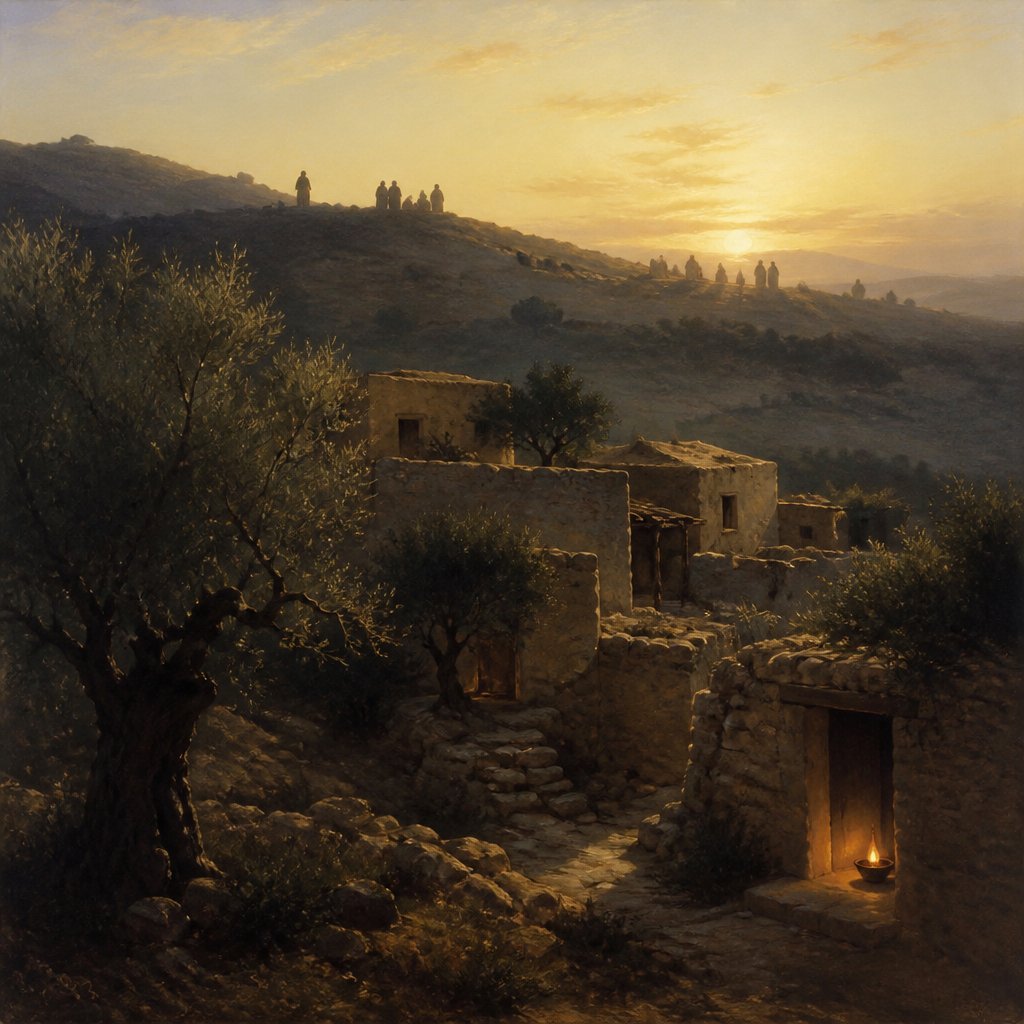
The verse Psalm 83:4 from the King James Version of the Bible states, "They have said, Come, and let us cut them off from being a nation; that the name of Israel may be no more in remembrance." This verse is part of a larger Psalm that expresses the writer's plea to God to protect Israel from its enemies. The verse specifically deals with the conspiratorial intentions of Israel's enemies to destroy the nation and erase its memory from history.
In order to understand the full meaning and commentary of this verse, it is important to place it within its larger context. Psalm 83 is a song of lament and petition, in which the psalmist is crying out to God to protect Israel from its enemies who are conspiring against them. The enemies mentioned in the psalm include the Edomites, Ishmaelites, Moabites, Hagarenes, Amalekites, Philistines, and others. These were all neighboring nations that had historically been at odds with Israel, and the psalmist is fearing for the nation's survival in the face of their combined threat.
The verse in question, Psalm 83:4, specifically recounts the words of the enemies who are plotting against Israel. The conspirators are expressing their desire to "cut them off from being a nation" and to erase the "name of Israel" from memory. This reflects a deep-seated animosity and a desire for the annihilation of Israel as a nation. The psalmist is drawing attention to the gravity of the threat and is imploring God to intervene on Israel's behalf.
The themes present in this verse are those of national identity, survival, and divine protection. It speaks to the struggles and fears of a nation facing existential threats from its enemies. The psalmist is poignantly expressing the desperation of the situation and is looking to God as Israel's only hope for deliverance.
The historical context of this verse is also significant in understanding its meaning. The Psalm is believed to have been written during a time of conflict and threat to Israel, likely by David or one of his court musicians. It reflects the tumultuous history of Israel's relationship with its neighbors, and the constant struggles for survival that the nation faced. The specific enemies mentioned in the psalm were real historical adversaries of Israel, and the threats described were very much part of Israel's lived experience.
In terms of symbolism, this verse represents the enduring struggle of the nation of Israel to maintain its identity and existence in the face of hostile forces. The desire of the enemies to "cut them off from being a nation" symbolizes the existential threat facing Israel, and the fear of being erased from memory speaks to the broader implications of the enemy's intentions. The verse also symbolizes the enduring faith of the psalmist and the nation of Israel in seeking divine intervention and protection in the face of overwhelming odds.
In conclusion, Psalm 83:4 from the King James Version of the Bible is a powerful expression of the fears and hopes of Israel in the face of existential threats from its enemies. It encapsulates the themes of national identity, survival, and divine protection, and speaks to the historical struggles of the nation. Its symbolism captures the enduring struggle and faith of the nation in the face of adversity. While the verse is rooted in its historical and cultural context, its themes and message continue to resonate with believers today, serving as a reminder of the enduring faith and hope in God's deliverance.
Get our apps


Artwork for Psalms 83:4

Psalms 83:4 - "They have said, Come, and let us cut them off from being a nation; that the name of Israel may be no more in remembrance."
"They have said, Come, and let us cut them off from being a nation; that the name of Israel may be no more in remembrance." - Psalms 83:4

"Gebal, and Ammon, and Amalek; the Philistines with the inhabitants of Tyre;" - Psalms 83:7

"As the fire burneth a wood, and as the flame setteth the mountains on fire;" - Psalms 83:14

Psalms 83:7 - "Gebal, and Ammon, and Amalek; the Philistines with the inhabitants of Tyre;"

Psalms 83:6 - "The tabernacles of Edom, and the Ishmaelites; of Moab, and the Hagarenes;"

Psalms 83:10 - "Which perished at En-dor: they became as dung for the earth."

Psalms 83:5 - "For they have consulted together with one consent: they are confederate against thee:"

Psalms 83:14 - "As the fire burneth a wood, and as the flame setteth the mountains on fire;"

Psalms 83:8 - "Assur also is joined with them: they have holpen the children of Lot. Selah."

"Do unto them as unto the Midianites; as to Sisera, as to Jabin, at the brook of Kison:" - Psalms 83:9

Psalms 83:13 - "O my God, make them like a wheel; as the stubble before the wind."

Psalms 83:16 - "Fill their faces with shame; that they may seek thy name, O LORD."

Psalms 83:9 - "Do unto them as unto the Midianites; as to Sisera, as to Jabin, at the brook of Kison:"

Psalms 83:12 - "Who said, Let us take to ourselves the houses of God in possession."

Psalms 83:11 - "Make their nobles like Oreb, and like Zeeb: yea, all their princes as Zebah, and as Zalmunna:"

Psalms 83:17 - "Let them be confounded and troubled for ever; yea, let them be put to shame, and perish:"

"O my God, make them like a wheel; as the stubble before the wind." - Psalms 83:13

"The tabernacles of Edom, and the Ishmaelites; of Moab, and the Hagarenes;" - Psalms 83:6

Psalms 83:15 - "So persecute them with thy tempest, and make them afraid with thy storm."

Psalms 83:3 - "They have taken crafty counsel against thy people, and consulted against thy hidden ones."

Psalms 83:1 - "Keep not thou silence, O God: hold not thy peace, and be not still, O God."

"Keep not thou silence, O God: hold not thy peace, and be not still, O God." - Psalms 83:1

"Make their nobles like Oreb, and like Zeeb: yea, all their princes as Zebah, and as Zalmunna:" - Psalms 83:11

Psalms 119:83 - "For I am become like a bottle in the smoke; yet do I not forget thy statutes."

Psalms 83:18 - "That men may know that thou, whose name alone is JEHOVAH, art the most high over all the earth."

"Which perished at En-dor: they became as dung for the earth." - Psalms 83:10

"For they have consulted together with one consent: they are confederate against thee:" - Psalms 83:5

Psalms 83:2 - "For, lo, thine enemies make a tumult: and they that hate thee have lifted up the head." The image should not depict explicit or offensive content but be symbolic.

"Assur also is joined with them: they have holpen the children of Lot. Selah." - Psalms 83:8