What does Psalms 9:20 mean?
“Put them in fear, O LORD: that the nations may know themselves to be but men. Selah.” — Psalms 9:20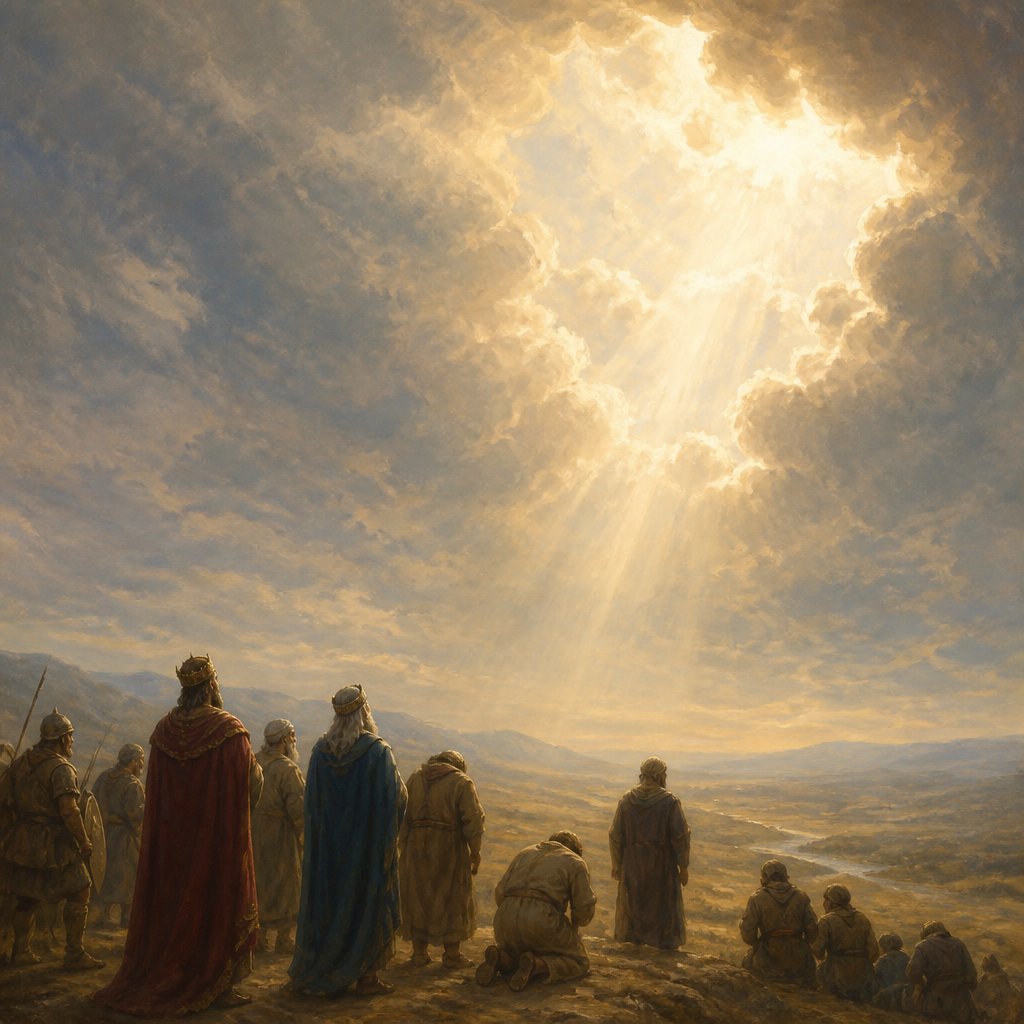
The Bible verse Psalms 9:20 in the King James Version (KJV) reads, "Put them in fear, O Lord: that the nations may know themselves to be but men. Selah."
This verse is part of Psalm 9, which is a psalm of thanksgiving and praise for God's righteousness and justice. The psalmist begins by declaring his praise and thanksgiving to God and recounting His faithfulness and justice. The psalmist then calls on the Lord to bring judgment upon the wicked and to put them in fear. In verse 20, the psalmist implores God to put fear in the hearts of the nations so that they may recognize their own mortality and insignificance in comparison to God.
The theme of God's righteousness and justice is prevalent throughout Psalm 9, as the psalmist repeatedly praises God for His righteous judgments and the punishment of the wicked. The psalmist also calls on God to arise and judge the nations, reaffirming God's role as the ultimate judge and ruler over all the earth. The theme of fear and humility before God is also evident in this verse, as the psalmist acknowledges the power and authority of God over all nations and asks for divine intervention to awaken the nations to their own mortality and insignificance.
The context of this verse is the psalmist's plea for God to bring judgment upon the wicked and to vindicate the righteous. The psalmist expresses confidence in God's ability to bring justice and calls on Him to act on behalf of His people. In verse 19, the psalmist declares, "Arise, O Lord; let not man prevail: let the heathen be judged in thy sight." This reflects the psalmist's trust in God's ability to intervene and bring about justice, even in the face of powerful and wicked nations.
The use of the word "Selah" at the end of the verse is also significant. The exact meaning of this word is uncertain, but it is commonly understood to indicate a pause for reflection or a musical interlude. In the context of this verse, it serves as a reminder for the reader to pause and reflect on the weight and significance of the psalmist's plea for God to put fear in the hearts of the nations.
The symbolism in this verse lies in the contrast between the nations and God. The nations are portrayed as arrogant and powerful, but ultimately mortal and insignificant in comparison to the divine authority of God. By asking God to put fear in the hearts of the nations, the psalmist emphasizes the limited and transient nature of human power and the ultimate sovereignty of God.
In summary, Psalms 9:20 in the King James Version encapsulates the themes of God's righteousness and justice, fear and humility before God, and the contrast between the nations and God. The verse reflects the psalmist's plea for God to bring judgment upon the wicked and to humble the nations, emphasizing the ultimate authority and sovereignty of God over all the earth. The use of the word "Selah" serves as a reminder for the reader to pause and reflect on the weight and significance of the psalmist's plea. Overall, this verse serves as a powerful expression of trust in God's ability to bring justice and a reminder of the limited nature of human power in comparison to the divine authority of God.
Get our apps


Artwork for Psalms 9:20
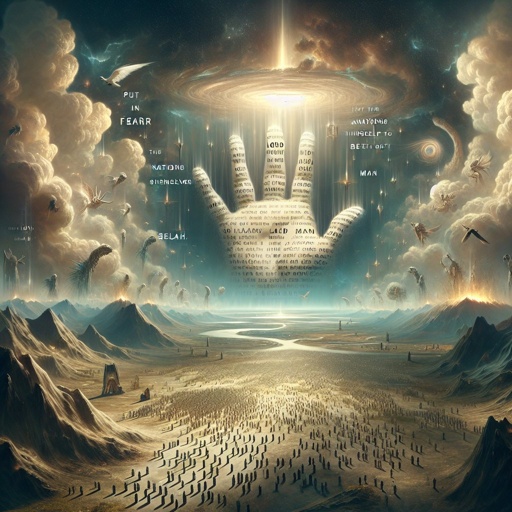
Psalms 9:20 - "Put them in fear, O LORD: that the nations may know themselves to be but men. Selah."
"Put them in fear, O LORD: that the nations may know themselves to be but men. Selah." - Psalms 9:20
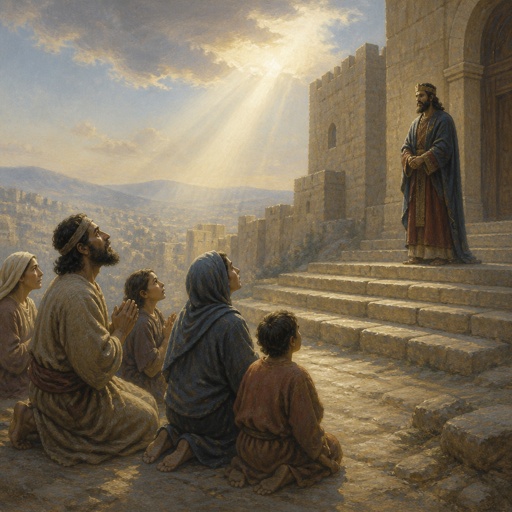
"Save, LORD: let the king hear us when we call." - Psalms 20:9

Psalms 20:9 - "Save, LORD: let the king hear us when we call."

Psalms 20 7

Psalms 107:9

"The LORD also will be a refuge for the oppressed, a refuge in times of trouble." - Psalms 9:9

"Man that is in honour, and understandeth not, is like the beasts that perish." - Psalms 49:20

"Thus they changed their glory into the similitude of an ox that eateth grass." - Psalms 106:20

"And Og the king of Bashan: for his mercy endureth for ever:" - Psalms 136:20

"They are brought down and fallen: but we are risen, and stand upright." - Psalms 20:8

Psalms 59:9 - "Because of his strength will I wait upon thee: for God is my defence."

"Mountains, and all hills; fruitful trees, and all cedars:" - Psalms 148:9

"He keepeth all his bones: not one of them is broken." - Psalms 34:20

Psalms 9:5 - "Thou hast rebuked the heathen, thou hast destroyed the wicked, thou hast put out their name for ever and ever."

Psalms 107:9

Psalms 9:14 - "That I may shew forth all thy praise in the gates of the daughter of Zion: I will rejoice in thy salvation."
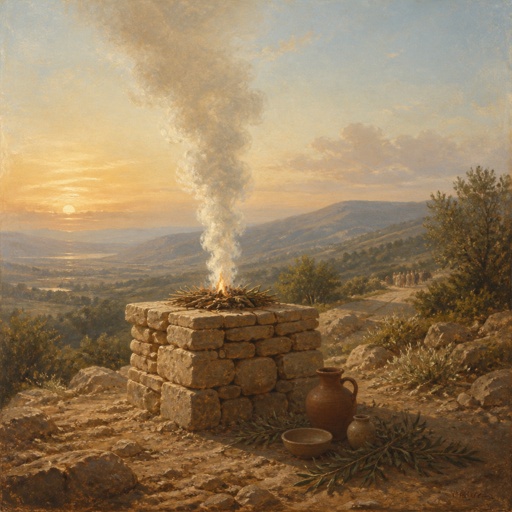
"Remember all thy offerings, and accept thy burnt sacrifice; Selah." - Psalms 20:3

Psalms 9:9 - "The LORD also will be a refuge for the oppressed, a refuge in times of trouble."

Psalms 72:20 - "The prayers of David the son of Jesse are ended."

Psalms 107:9
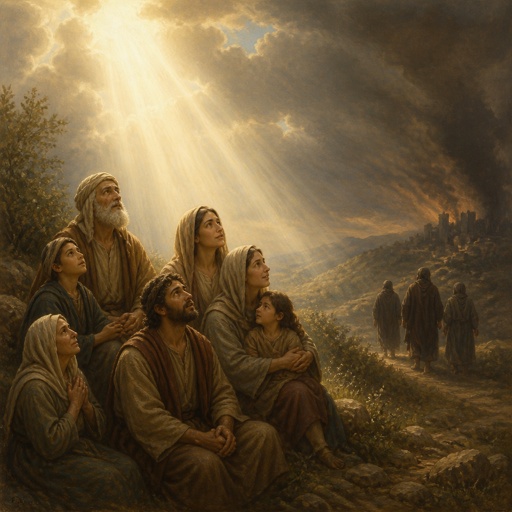
"The LORD preserveth all them that love him: but all the wicked will he destroy." - Psalms 145:20
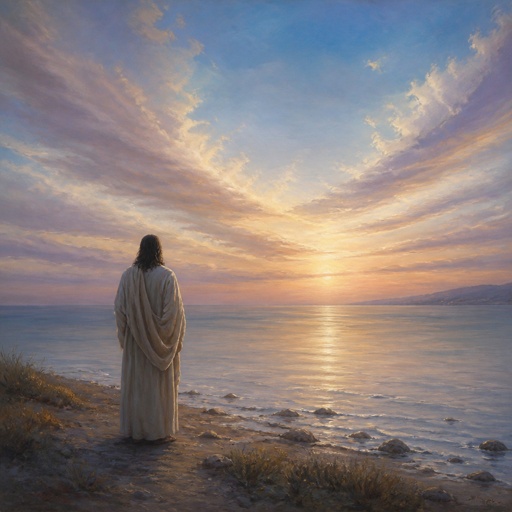
"If I take the wings of the morning, and dwell in the uttermost parts of the sea;" - Psalms 139:9

Psalms 118:20 - "This gate of the LORD, into which the righteous shall enter."

Psalms 49:20 - "Man that is in honour, and understandeth not, is like the beasts that perish."
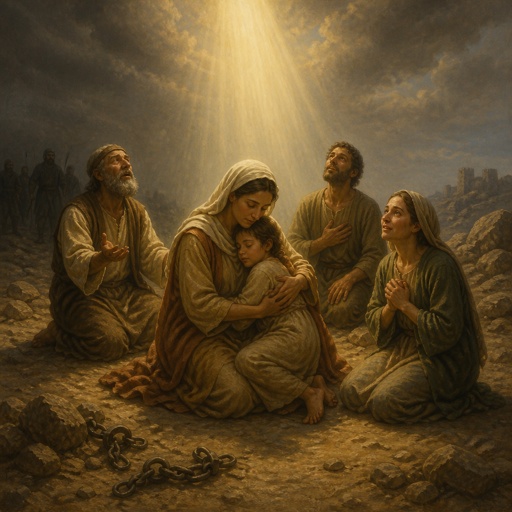
"He sent his word, and healed them, and delivered them from their destructions." - Psalms 107:20
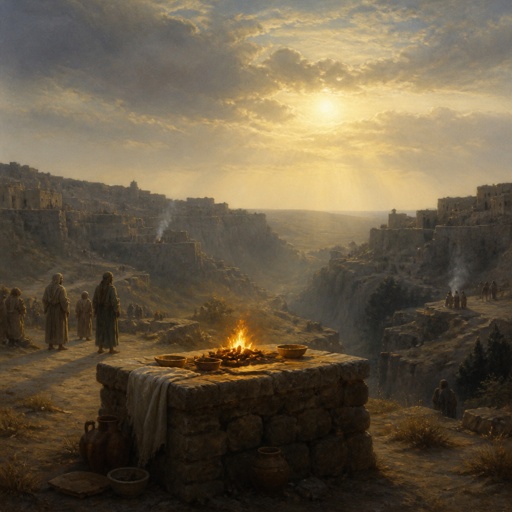
"Have respect unto the covenant: for the dark places of the earth are full of the habitations of cruelty." - Psalms 74:20

"They set their mouth against the heavens, and their tongue walketh through the earth." - Psalms 73:9
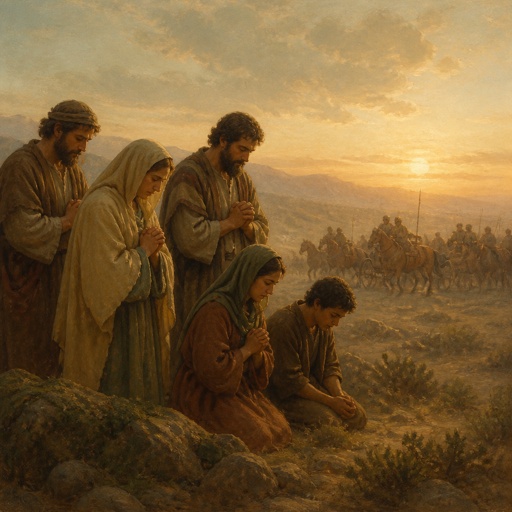
"Some trust in chariots, and some in horses: but we will remember the name of the LORD our God." - Psalms 20:7

Psalms 106:20 - "Thus they changed their glory into the similitude of an ox that eateth grass."