What does Psalms 9:9 mean?
“The LORD also will be a refuge for the oppressed, a refuge in times of trouble.” — Psalms 9:9
Psalm 9:9 in the King James Version reads, “The LORD also will be a refuge for the oppressed, a refuge in times of trouble.” In plain terms, the verse declares God’s character as a sure shelter for people who are being crushed by forces they cannot overcome, and it places special emphasis on seasons when trouble is not theoretical but immediate, pressing, and unavoidable. The heart of the line is not merely that God feels sympathy for suffering, but that He actively “will be” a refuge. The statement is confident and forward-leaning: when oppression and trouble arise, God’s role as protector is not uncertain, delayed, or occasional, but dependable.
The verse sits inside a psalm of thanksgiving and public praise. Earlier in Psalm 9, David speaks of praising the LORD “with my whole heart” and of God’s judgment against enemies: “thou hast rebuked the heathen, thou hast destroyed the wicked.” He describes the LORD as a righteous Judge who “shall judge the world in righteousness” and “minister judgment to the people in uprightness.” Against that backdrop, Psalm 9:9 is not a detached proverb but a conclusion drawn from history: because God judges righteously and has shown Himself able to overturn violent power, He is therefore a refuge for those harmed by violent power. In other words, the “refuge” promise is anchored in God’s justice. The oppressed are not told merely to endure; they are told that the Judge of all the earth is also their shelter.
Key themes gather tightly around the words “refuge,” “oppressed,” and “times of trouble.” “Refuge” carries the idea of a high place, a shelter, a secure stronghold where someone can flee from a pursuing enemy. It is protective, but it is also relational: a refuge is not only a place you run to, but a place that receives you. In this psalm, the LORD Himself is that refuge, meaning safety is not ultimately found in walls, weapons, wealth, or alliances, but in God’s presence and power. The image quietly contrasts human vulnerability with divine stability. The oppressed are pictured as exposed and targeted, while the LORD is pictured as the one reality that cannot be toppled by the same forces that topple human life.
The word “oppressed” signals people who are pressed down, exploited, denied fair treatment, or crushed by stronger hands. The verse does not deny the reality of oppression; it names it. Yet it refuses to treat oppression as the final word. By saying God “will be a refuge,” the text asserts that oppression does not remove a person from God’s care; indeed, it becomes the very circumstance in which God’s protective identity is especially meaningful. In Psalm 9 as a whole, the poor and afflicted are not invisible. Later the psalm says, “For the needy shall not alway be forgotten: the expectation of the poor shall not perish for ever.” Psalm 9:9 harmonizes with that: God’s shelter is for those who have no shelter of their own.
“A refuge in times of trouble” adds another layer. The verse does not promise a life without trouble; it promises God within trouble. The phrase “times of trouble” points to recurring seasons—periods when danger intensifies and resources thin out. It suggests that trouble is sometimes cyclical and prolonged, not merely a single event. Yet the verse matches the reality of extended hardship with an equally steady provision: God is not a refuge only at the start of a crisis, or only after it ends, but in the very “times” when distress is active. The repetition of “refuge” underscores the certainty and sufficiency of that shelter; it is as if the psalmist says, “This is what God is, and this is what God is when it gets worst.”
Symbolically, the verse sets up a stark contrast between unstable earthly powers and the LORD’s unshakeable reign. In the immediate context, David has been speaking of enemies, nations, and the wicked—forces that appear large and permanent. Yet the psalm repeatedly insists that the LORD “endureth for ever” and has prepared His throne for judgment. So the “refuge” is not merely emotional comfort; it is the security that comes from God’s enduring kingship. If God rules and judges righteously, then the oppressed have a place to stand even when human courts fail and human rulers are corrupt. Refuge here includes the assurance that injustice is seen, measured, and answered by the righteous Judge.
The significance of Psalm 9:9, then, is that it joins compassion and sovereignty. God is not portrayed as distant majesty, nor as powerless sympathy. He is the LORD—supreme, judging, enduring—and for that very reason He is safe for the vulnerable. The verse invites faith that runs toward God rather than away from Him when life becomes threatening. It also implicitly critiques every system of oppression by announcing that oppression does not have ultimate authority; the LORD does. For anyone reading the psalm, Psalm 9:9 functions like a steady center: when circumstances press down, the believer is directed upward and inward to the only refuge that cannot be breached, the LORD Himself, who remains a refuge not only in principle but “in times of trouble.”
Get our apps


Artwork for Psalms 9:9

Psalms 9:9 - "The LORD also will be a refuge for the oppressed, a refuge in times of trouble."

"The LORD also will be a refuge for the oppressed, a refuge in times of trouble." - Psalms 9:9

"The LORD also will be a refuge for the oppressed, a refuge in times of trouble." - Psalms 9:9

Psalms 107:9

Psalms 59:9 - "Because of his strength will I wait upon thee: for God is my defence."

Psalms 107:9

Psalms 107:9

"Mountains, and all hills; fruitful trees, and all cedars:" - Psalms 148:9

Psalms 9:1-2

Psalms 9:5 - "Thou hast rebuked the heathen, thou hast destroyed the wicked, thou hast put out their name for ever and ever."

Psalms 9:14 - "That I may shew forth all thy praise in the gates of the daughter of Zion: I will rejoice in thy salvation."

Psalms 86:9 live of god

Psalms 86:9 glory of god

Psalms 116:9 - "I will walk before the LORD in the land of the living."
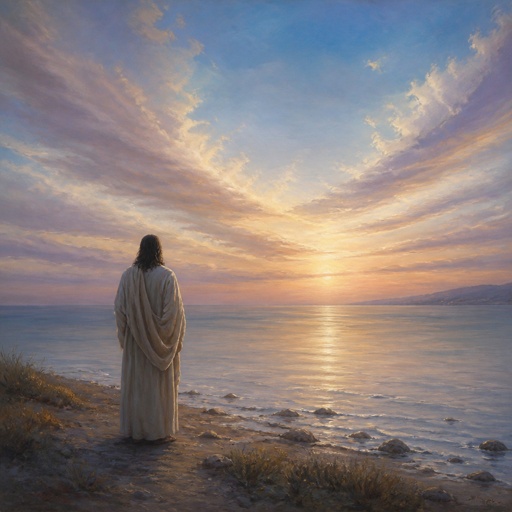
"If I take the wings of the morning, and dwell in the uttermost parts of the sea;" - Psalms 139:9

"They set their mouth against the heavens, and their tongue walketh through the earth." - Psalms 73:9
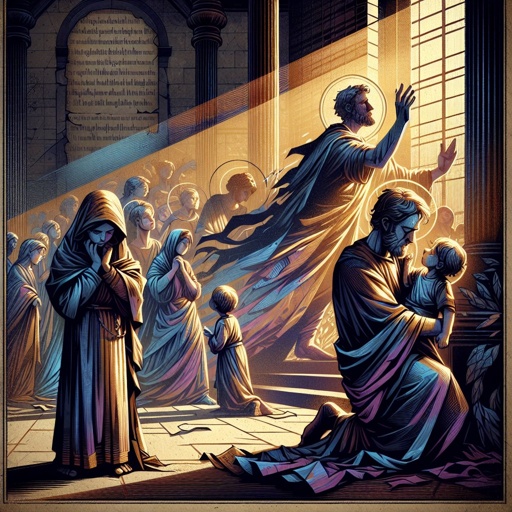
Psalms 109:9 - "Let his children be fatherless, and his wife a widow."

Psalms 118:9 - "It is better to trust in the LORD than to put confidence in princes."

Psalms 33:9 - "For he spake, and it was done; he commanded, and it stood fast."

Psalms 148:9 - "Mountains, and all hills; fruitful trees, and all cedars:"

Psalms 49:9 - "That he should still live for ever, and not see corruption."

"O Israel, trust thou in the LORD: he is their help and their shield." - Psalms 115:9

Psalms 6:9 - "The LORD hath heard my supplication; the LORD will receive my prayer."
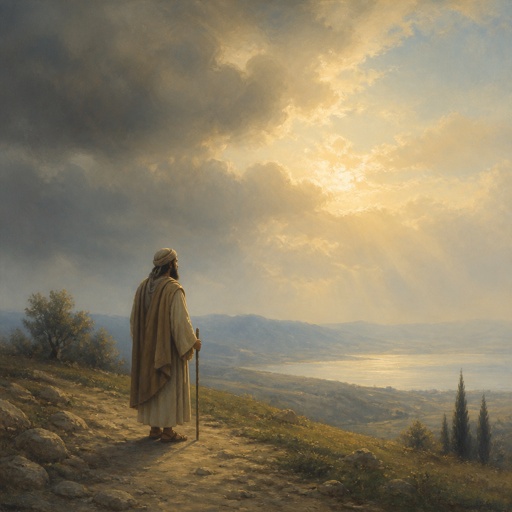
"He will not always chide: neither will he keep his anger for ever." - Psalms 103:9
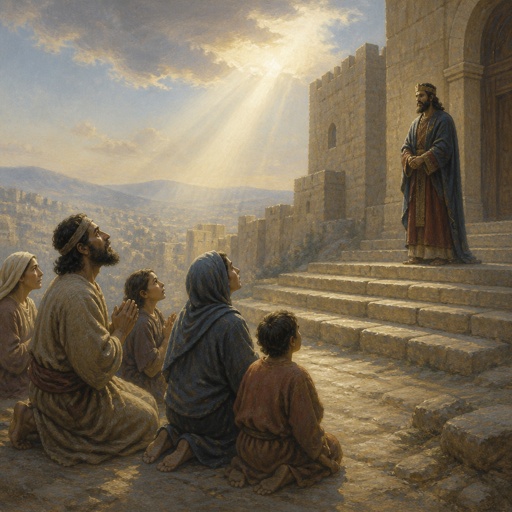
"Save, LORD: let the king hear us when we call." - Psalms 20:9
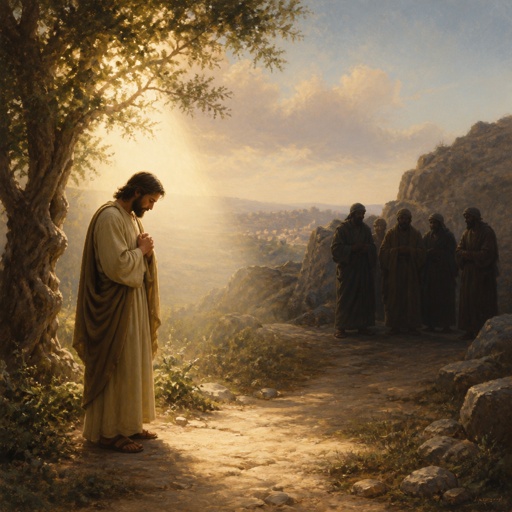
"Gather not my soul with sinners, nor my life with bloody men:" - Psalms 26:9
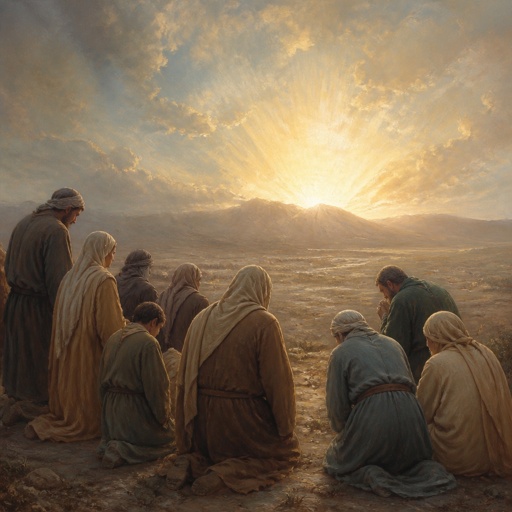
"When God arose to judgment, to save all the meek of the earth. Selah." - Psalms 76:9

Psalms 88:9 - "Mine eye mourneth by reason of affliction: LORD, I have called daily upon thee, I have stretched out my hands unto thee."

Psalms 115:9 - "O Israel, trust thou in the LORD: he is their help and their shield."
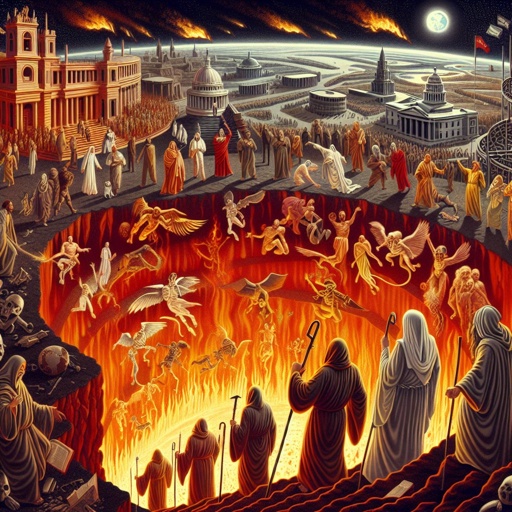
Psalms 9:17 - "The wicked shall be turned into hell, and all the nations that forget God."