What does Psalms 90:14 mean?
“O satisfy us early with thy mercy; that we may rejoice and be glad all our days.” — Psalms 90:14
Psalms 90:14 in the King James Version of the Bible states, "O satisfy us early with thy mercy; that we may rejoice and be glad all our days." This verse comes from a prayer attributed to Moses, the great leader of the Israelites, and is found in the Book of Psalms, which is a collection of songs and prayers that express a wide range of human emotions, including joy, sorrow, praise, and lament.
The verse begins with a plea to God, asking Him to "satisfy us early with thy mercy." This is a request for God to fulfill the needs of His people, specifically by showing them His loving kindness and compassion. The word "satisfy" implies a deep longing and a sense of incompleteness that can only be filled by God's mercy. The use of the term "early" suggests a sense of urgency, as if the psalmist is imploring God to act swiftly and not delay in granting His mercy. The psalmist recognizes that true satisfaction and contentment can only come from God, and so they humbly ask for this satisfaction to come from the source of all goodness and grace.
The second part of the verse explains the purpose of this request: "that we may rejoice and be glad all our days." Here, the psalmist articulates the desired outcome of being satisfied with God's mercy. The ultimate goal is joy and gladness, not just for a fleeting moment, but for all the days of one's life. This reflects a deep yearning for a lasting and abiding sense of joy, a joy that is not dependent on external circumstances but is rooted in the eternal and unchanging character of God.
One of the key themes of this verse is the concept of satisfaction and contentment. The psalmist is expressing a longing for something that transcends mere material or temporal fulfillment. The request for God's mercy reveals a recognition of human inadequacy and a dependence on the divine for true satisfaction. This theme resonates with the broader message of the Book of Psalms, which frequently addresses the human experience of seeking fulfillment and finding ultimate satisfaction in God alone.
Another theme present in this verse is the idea of joy and gladness. The psalmist desires a deep and abiding sense of joy that permeates every aspect of life. This is in contrast to a superficial or fleeting happiness that is dependent on external factors. The psalmist understands that true joy comes from being satisfied with God's mercy and experiencing His presence and goodness on a continual basis.
The context of the entire psalm is also significant for understanding the deeper meaning of this verse. Psalm 90 is a reflection on the timeless and eternal nature of God contrasted with the fleeting and transient nature of human life. It begins with the well-known declaration, "Lord, thou hast been our dwelling place in all generations," affirming the enduring presence of God throughout history. The psalmist goes on to lament the brevity and fragility of human life, emphasizing the inevitability of death. In the midst of these reflections, the plea for God's mercy and the desire for lasting joy take on added significance. The psalmist is grappling with the weighty realities of human existence and finding solace in the hope of being satisfied early with God's mercy.
In terms of symbolism, the idea of being "satisfied early with thy mercy" can be seen as a metaphor for the spiritual nourishment and sustenance that comes from God. The image of being satisfied evokes the nourishment of the soul, while the concept of receiving mercy early suggests a timely and abundant outpouring of God's grace. This symbolism underscores the profound spiritual hunger that all humans experience and the corresponding need for divine intervention to satisfy this hunger.
In conclusion, Psalm 90:14 is a poignant and profound meditation on the human longing for satisfaction, joy, and fulfillment. It encapsulates the universal desire for a deep and abiding sense of contentment that can only be found in God. The verse captures the essence of the human experience and the yearning for something transcendent and eternal. It serves as a timeless prayer that continues to resonate with believers as they seek to find lasting satisfaction in the mercy and goodness of God.
Get our apps


Artwork for Psalms 90:14

Psalms 90:14 - "O satisfy us early with thy mercy; that we may rejoice and be glad all our days."

"O satisfy us early with thy mercy; that we may rejoice and be glad all our days." - Psalms 90:14

"In the morning it flourisheth, and groweth up; in the evening it is cut down, and withereth." - Psalms 90:6

Psalms 90:6 - "In the morning it flourisheth, and groweth up; in the evening it is cut down, and withereth."

"Lord, thou hast been our dwelling place in all generations." - Psalms 90:1

Psalms 90:4 - "For a thousand years in thy sight are but as yesterday when it is past, and as a watch in the night."

Psalms 90:17 - "And let the beauty of the LORD our God be upon us: and establish thou the work of our hands upon us; yea, the work of our hands establish thou it."

"Thy faithfulness is unto all generations: thou hast established the earth, and it abideth." - Psalms 119:90

Psalms 90:13 - "Return, O LORD, how long? and let it repent thee concerning thy servants."

Psalms 90:5 - "Thou carriest them away as with a flood; they are as a sleep: in the morning they are like grass which groweth up."

Psalms 90:11 - "Who knoweth the power of thine anger? even according to thy fear, so is thy wrath."

Psalms 90:7 - "For we are consumed by thine anger, and by thy wrath are we troubled."

Psalms 90:1 - "Lord, thou hast been our dwelling place in all generations."

Psalms 90:3 - "Thou turnest man to destruction; and sayest, Return, ye children of men."
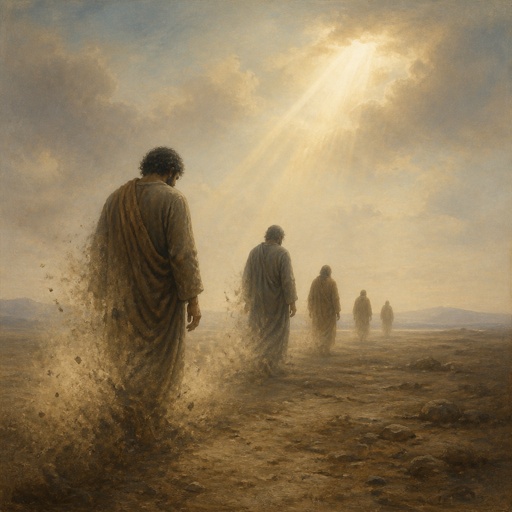
"Thou turnest man to destruction; and sayest, Return, ye children of men." - Psalms 90:3

Psalms 119:90 - "Thy faithfulness is unto all generations: thou hast established the earth, and it abideth."

"So teach us to number our days, that we may apply our hearts unto wisdom." - Psalms 90:12

Psalms 90:16 - "Let thy work appear unto thy servants, and thy glory unto their children."

Psalms 90:15 - "Make us glad according to the days wherein thou hast afflicted us, and the years wherein we have seen evil."

Psalms 90:12 - "So teach us to number our days, that we may apply our hearts unto wisdom."

Psalms 90:8 - "Thou hast set our iniquities before thee, our secret sins in the light of thy countenance."

Psalms 90:9 - "For all our days are passed away in thy wrath: we spend our years as a tale that is told."

"For we are consumed by thine anger, and by thy wrath are we troubled." - Psalms 90:7

"For a thousand years in thy sight are but as yesterday when it is past, and as a watch in the night." - Psalms 90:4

Psalms 90:2 - "Before the mountains were brought forth, or ever thou hadst formed the earth and the world, even from everlasting to everlasting, thou art God."

Psalms 90:10 - "The days of our years are threescore years and ten; and if by reason of strength they be fourscore years, yet is their strength labour and sorrow; for it is soon cut off, and we fly away."

"Thou carriest them away as with a flood; they are as a sleep: in the morning they are like grass which groweth up." - Psalms 90:5

"Before the mountains were brought forth, or ever thou hadst formed the earth and the world, even from everlasting to everlasting, thou art God." - Psalms 90:2

"Let thy work appear unto thy servants, and thy glory unto their children." - Psalms 90:16
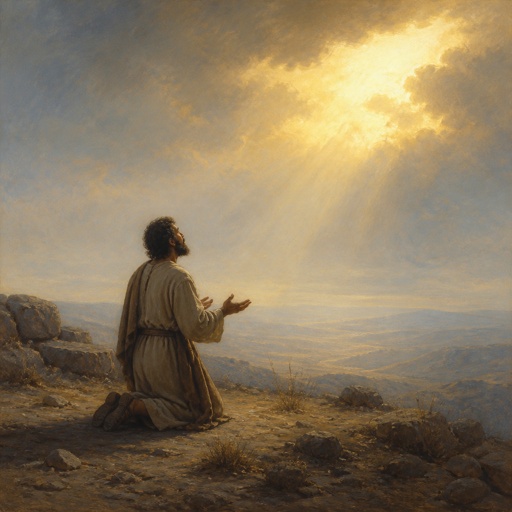
"Return, O LORD, how long? and let it repent thee concerning thy servants." - Psalms 90:13