What does Psalms 90:3 mean?
“Thou turnest man to destruction; and sayest, Return, ye children of men.” — Psalms 90:3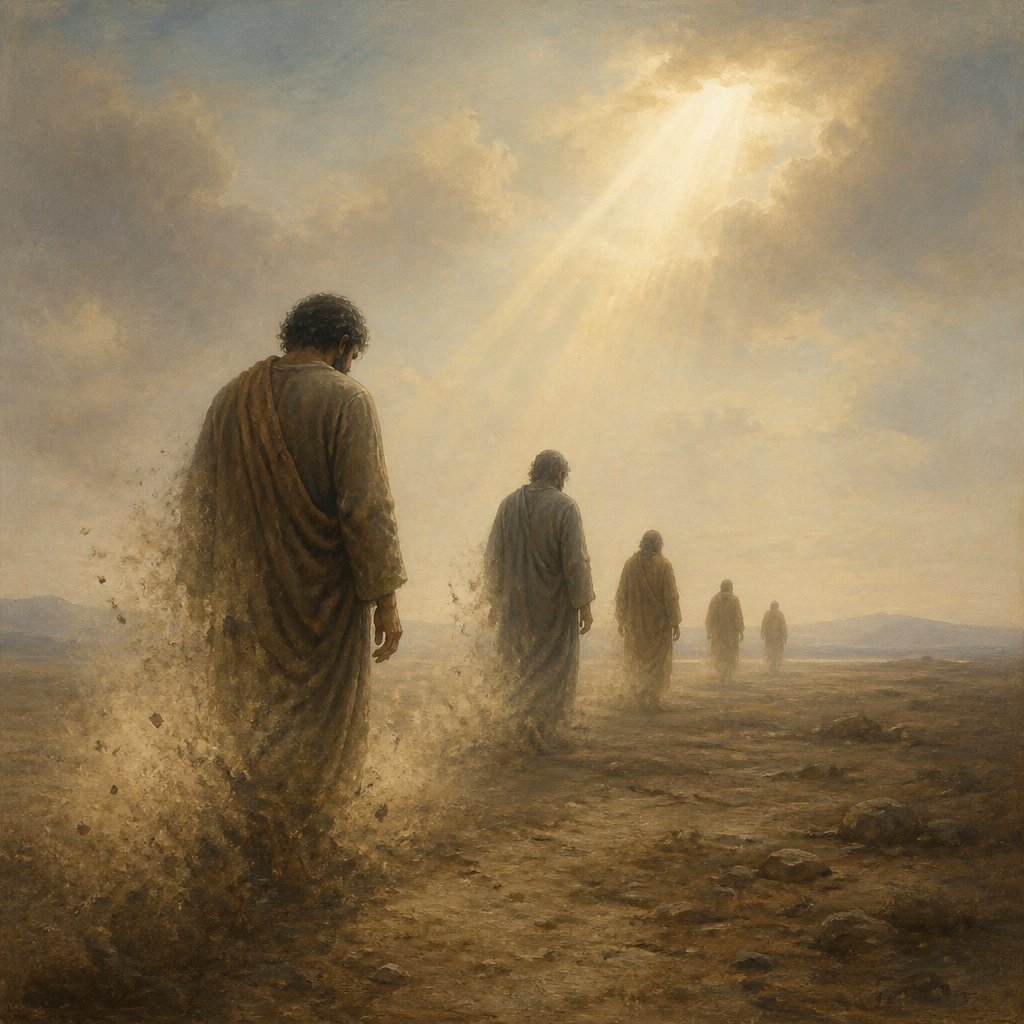
The verse Psalms 90:3 in the King James Version (KJV) of the Bible reads, "Thou turnest man to destruction; and sayest, Return, ye children of men." This verse is taken from a psalm attributed to Moses, the man of God, and is a reflection on the eternal nature of God and the frailty of human life. In this verse, the psalmist acknowledges God's power over life and death, and exhorts humanity to remember their mortality and to turn to God for guidance and protection.
The overarching theme of this verse is the sovereignty of God and the transience of human life. The psalmist begins by addressing God directly, acknowledging His power to turn man to destruction. This imagery suggests that God has the ability to bring about calamity and judgement, reminding humanity of their mortality and dependence on Him. The word "destruction" signifies the inevitable end of human life and the powerlessness of mankind in the face of God's ultimate authority.
The second part of the verse, "and sayest, Return, ye children of men," shifts the focus to God's mercy and compassion towards His creation. Despite His ability to bring about destruction, God calls upon the children of men to return to Him. This call to return signifies God's desire for reconciliation and redemption, encouraging humanity to seek His guidance and protection in the face of their mortality.
The context of this verse is important to understanding its significance. The psalmist, believed to be Moses, reflects on the transient nature of human life in contrast to the eternal nature of God. The psalm as a whole emphasizes the brevity of life and the need for wisdom and reverence in light of God's eternal existence. The verse serves as a reflection on the frailty of humanity and the need for reliance on God's mercy and guidance.
Symbolism plays a significant role in this verse, particularly in the imagery of God turning man to destruction. This image conveys the idea of God as the ultimate arbiter of life and death, emphasizing His sovereignty over all creation. The act of "turning" suggests a deliberate and purposeful action on God's part, highlighting His authority and power. On the other hand, the call for the children of men to return signifies God's compassion and willingness to reconcile with humanity, inviting them to seek refuge in Him in the face of their mortality.
In conclusion, Psalms 90:3 in the KJV of the Bible encapsulates the profound themes of God's sovereignty, human frailty, and the offer of divine mercy. It serves as a poignant reminder of the brevity of life and the need for humility and reliance on God. The imagery and symbolism used in the verse contribute to its powerful message and timeless relevance. As believers reflect on this verse, they are encouraged to embrace the transitory nature of life and to turn to God for strength and guidance. Overall, this verse embodies the enduring truth of God's eternal nature and His compassionate invitation for humanity to return to Him.
Get our apps


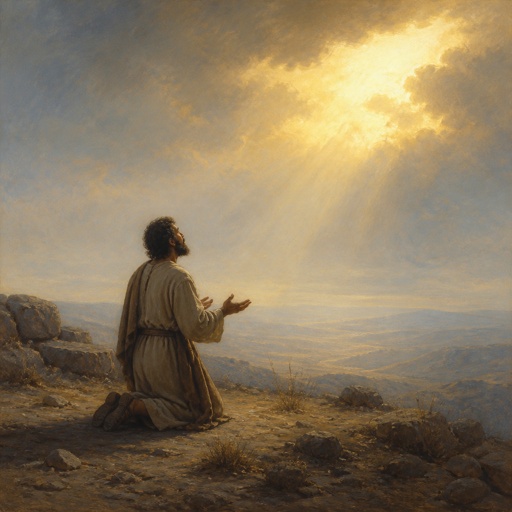
Artwork for Psalms 90:3

Psalms 90:3 - "Thou turnest man to destruction; and sayest, Return, ye children of men."
"Thou turnest man to destruction; and sayest, Return, ye children of men." - Psalms 90:3

"In the morning it flourisheth, and groweth up; in the evening it is cut down, and withereth." - Psalms 90:6

Psalms 90:6 - "In the morning it flourisheth, and groweth up; in the evening it is cut down, and withereth."
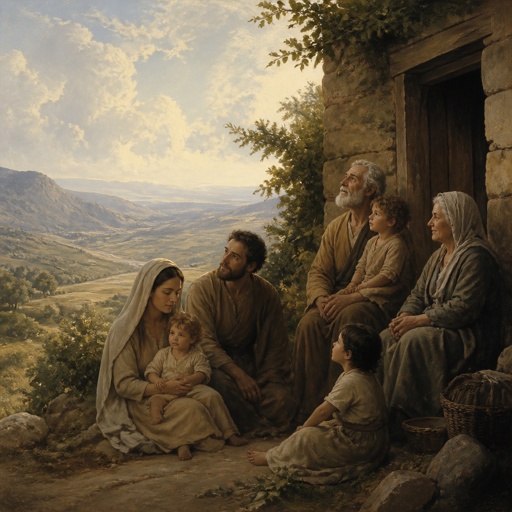
"Lord, thou hast been our dwelling place in all generations." - Psalms 90:1

Psalms 90:4 - "For a thousand years in thy sight are but as yesterday when it is past, and as a watch in the night."

Psalms 90:17 - "And let the beauty of the LORD our God be upon us: and establish thou the work of our hands upon us; yea, the work of our hands establish thou it."
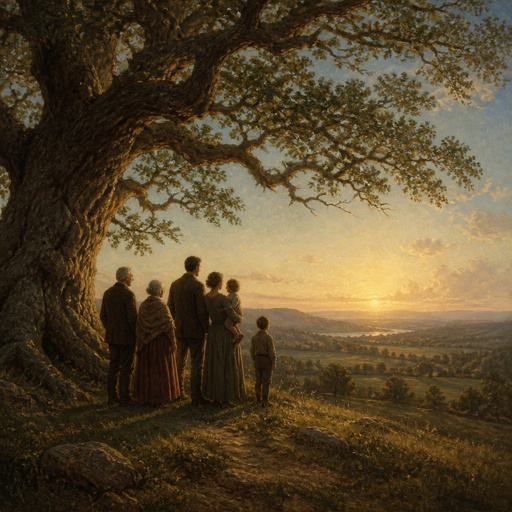
"Thy faithfulness is unto all generations: thou hast established the earth, and it abideth." - Psalms 119:90

Psalms 90:13 - "Return, O LORD, how long? and let it repent thee concerning thy servants."

Psalms 90:5 - "Thou carriest them away as with a flood; they are as a sleep: in the morning they are like grass which groweth up."

Psalms 90:11 - "Who knoweth the power of thine anger? even according to thy fear, so is thy wrath."

Psalms 90:7 - "For we are consumed by thine anger, and by thy wrath are we troubled."

Psalms 90:1 - "Lord, thou hast been our dwelling place in all generations."

Psalms 119:90 - "Thy faithfulness is unto all generations: thou hast established the earth, and it abideth."
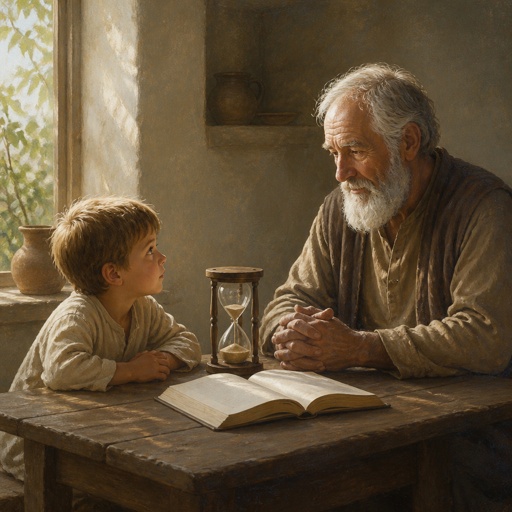
"So teach us to number our days, that we may apply our hearts unto wisdom." - Psalms 90:12

Psalms 90:16 - "Let thy work appear unto thy servants, and thy glory unto their children."

Psalms 90:15 - "Make us glad according to the days wherein thou hast afflicted us, and the years wherein we have seen evil."

Psalms 90:12 - "So teach us to number our days, that we may apply our hearts unto wisdom."

Psalms 90:14 - "O satisfy us early with thy mercy; that we may rejoice and be glad all our days."

Psalms 90:9 - "For all our days are passed away in thy wrath: we spend our years as a tale that is told."

Psalms 90:8 - "Thou hast set our iniquities before thee, our secret sins in the light of thy countenance."
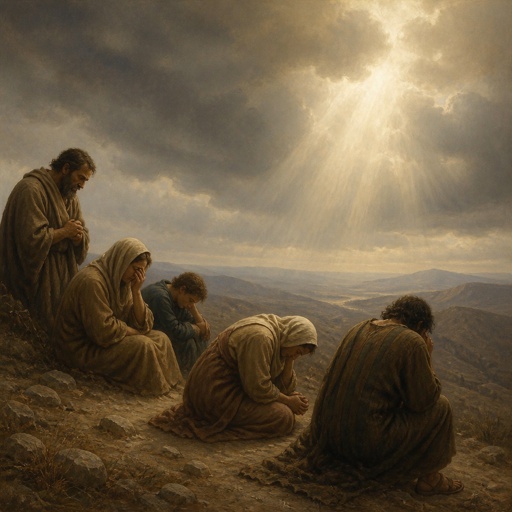
"For we are consumed by thine anger, and by thy wrath are we troubled." - Psalms 90:7

"For a thousand years in thy sight are but as yesterday when it is past, and as a watch in the night." - Psalms 90:4
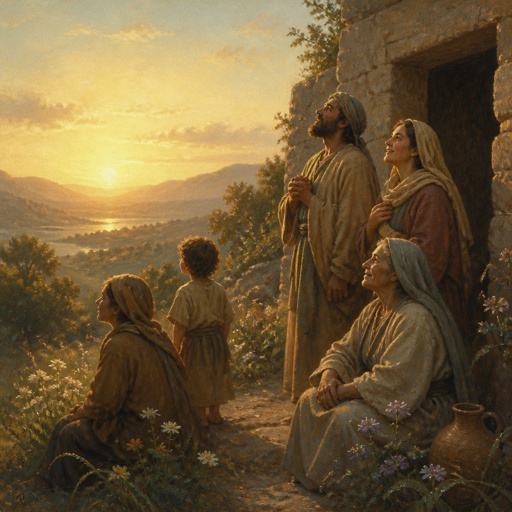
"O satisfy us early with thy mercy; that we may rejoice and be glad all our days." - Psalms 90:14

Psalms 90:2 - "Before the mountains were brought forth, or ever thou hadst formed the earth and the world, even from everlasting to everlasting, thou art God."

Psalms 90:10 - "The days of our years are threescore years and ten; and if by reason of strength they be fourscore years, yet is their strength labour and sorrow; for it is soon cut off, and we fly away."

"Thou carriest them away as with a flood; they are as a sleep: in the morning they are like grass which groweth up." - Psalms 90:5

"Before the mountains were brought forth, or ever thou hadst formed the earth and the world, even from everlasting to everlasting, thou art God." - Psalms 90:2
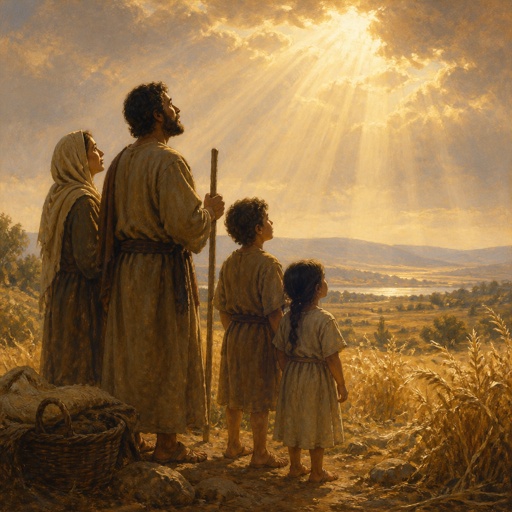
"Let thy work appear unto thy servants, and thy glory unto their children." - Psalms 90:16
"Return, O LORD, how long? and let it repent thee concerning thy servants." - Psalms 90:13