What does Psalms 94:19 mean?
“In the multitude of my thoughts within me thy comforts delight my soul.” — Psalms 94:19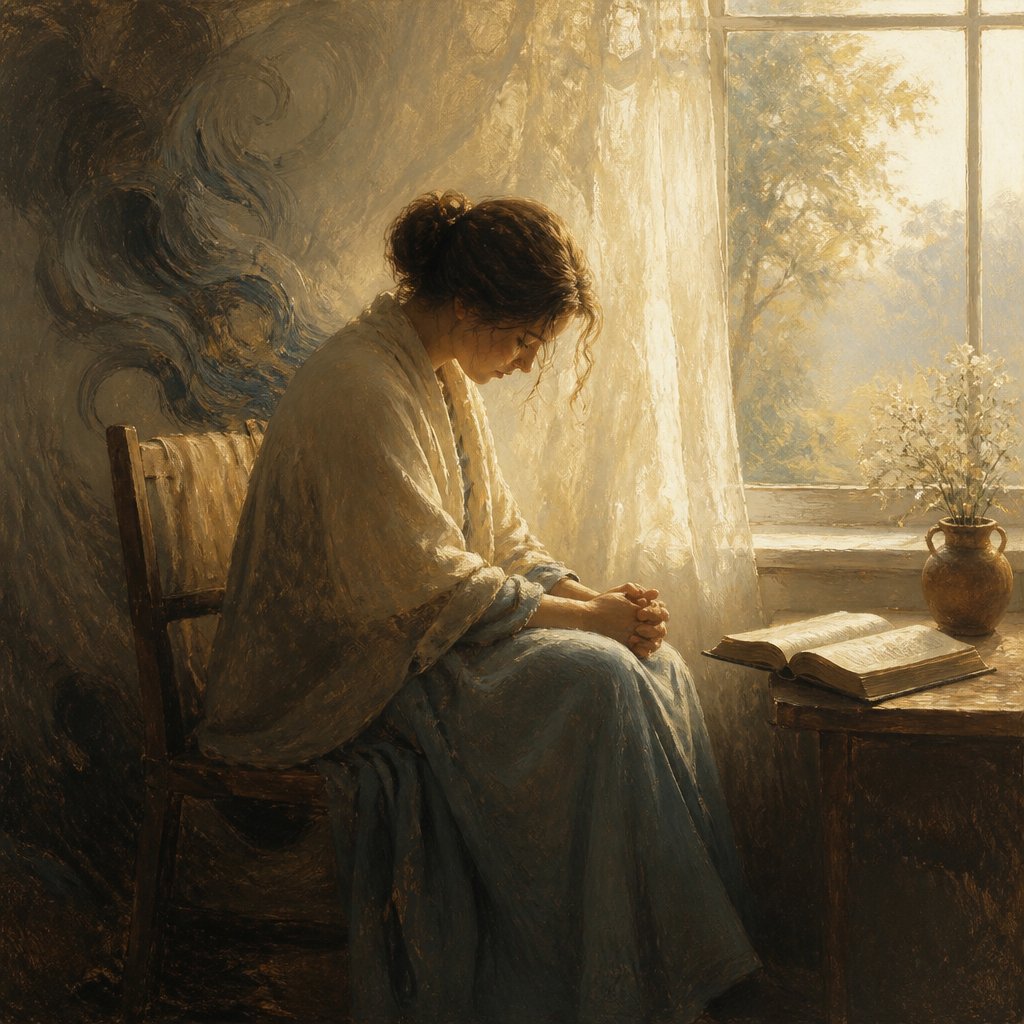
Psalm 94 is a prayer sung from within a world that feels morally upside down. The psalmist looks out and sees the “proud” and the “workers of iniquity” flourishing, crushing the vulnerable, and speaking as though the Lord does not see. In that pressure, the singer does not merely complain about pain; he brings the apparent triumph of injustice into the presence of God, calling Him “the LORD God, to whom vengeance belongeth” and “the judge of the earth” (Psalm 94:1–2, KJV). The whole psalm moves between two realities: the brutal noise of the wicked on the outside and the correcting, sustaining nearness of God on the inside. Psalm 94:19 belongs to that inner turning point, where the battleground shifts from public outrage to private turmoil and from fear to consolation.
The verse reads, in the language of the Authorized Version, “In the multitude of my thoughts within me thy comforts delight my soul” (Psalm 94:19, KJV). The “multitude of my thoughts” is not the calm work of reflection but the crowded press of anxious, disputed, restless thoughts that multiply when evil seems unchecked, when the faithful feel small, and when outcomes are uncertain. The phrase “within me” stresses that this crisis is internal; even if the psalmist can still speak and act outwardly, there is a storm in the mind and heart. The psalm has already named the kind of inner distress he is facing: “When I said, My foot slippeth; thy mercy, O LORD, held me up” (Psalm 94:18, KJV). The “thoughts” of verse 19 are what accompany that slipping—fears, questions, and mental arguments that threaten stability.
Against that multitude stands a different multitude: “thy comforts.” In Psalm 94, God’s comfort is not sentimental optimism; it is the steadying, soul-gladdening ministry of God’s own presence and truth. The psalmist has been reminding himself that the Lord is not ignorant—“He that planted the ear, shall he not hear? he that formed the eye, shall he not see?” (Psalm 94:9, KJV)—and that the Lord is not absent from discipline and instruction—“Blessed is the man whom thou chastenest, O LORD, and teachest him out of thy law” (Psalm 94:12, KJV). Those themes show what “comforts” look like in this psalm: the assurance that God sees and will judge, the re-centering power of God’s law, and the sustaining mercy that holds a slipping foot. Comfort, here, is God’s answer to mental chaos: not always by changing circumstances immediately, but by changing the soul’s footing while it waits for God’s righteous timing.
The symbolism is simple but vivid. Thoughts are pictured as a crowd inside the man, pressing in, multiplying, filling the interior space until the soul feels besieged. Comforts are pictured as something that can meet that crowd and do more than merely counter it; they “delight” the soul. The verb matters. The psalmist does not say God’s comforts merely distract him or numb him; they bring a positive, living gladness, a sweetness that reaches deeper than the troubling thoughts. “Delight my soul” signals an inward restoration that cannot be explained by outward conditions alone. It is the language of worship arising in the middle of distress, where the soul finds joy not because injustice is already ended, but because God is still God—seeing, teaching, holding, and ultimately judging.
The immediate context strengthens this meaning. Verse 18 confesses instability and credits God’s “mercy” with holding him up; verse 19 then describes what that mercy feels like from the inside: crowded thoughts met by divine comforts that bring delight. The verses that follow continue the contrast between God and corrupt power, asking whether “the throne of iniquity” can have fellowship with God (Psalm 94:20, KJV), and concluding with confidence: “But the LORD is my defence; and my God is the rock of my refuge” (Psalm 94:22, KJV). In other words, Psalm 94:19 is not an isolated inspirational line; it is part of an argument the psalmist makes to his own heart. The world may be full of proud speech and unjust decrees, but the inner world of the believer can be filled with another kind of abundance—God’s comforts—so that the soul is not finally ruled by fear.
The themes gathered into this single sentence are therefore the reality of inner spiritual conflict, the legitimacy of troubled thoughts in the life of faith, and the sufficiency of God’s consolation as a direct answer to mental and emotional overload. It also carries the theme of divine intimacy: the Lord’s work is not only to judge nations and overthrow wickedness in public history, but to enter the hidden chamber “within” a person and sustain the soul there. Psalm 94:19 teaches that faith does not deny the multitude of thoughts; it brings them into contact with “thy comforts,” and in that contact the soul is not merely steadied, but delighted.
Get our apps


Artwork for Psalms 94:19

Psalms 94:19 - "In the multitude of my thoughts within me thy comforts delight my soul."
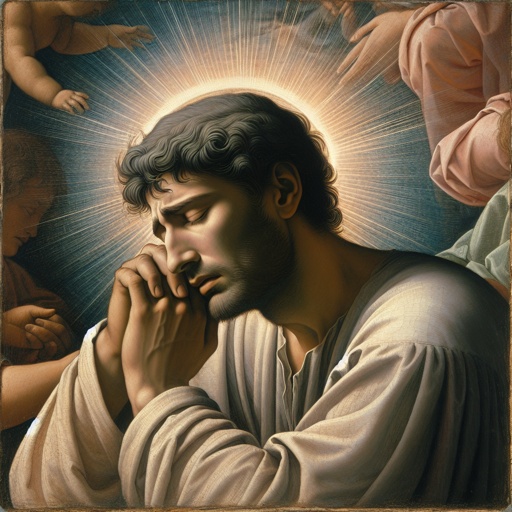
Psalms 94:19 When anxiety was great within me, your consolation brought me joy.
"In the multitude of my thoughts within me thy comforts delight my soul." - Psalms 94:19

"They slay the widow and the stranger, and murder the fatherless." - Psalms 94:6

Psalms 94:16 - "Who will rise up for me against the evildoers? or who will stand up for me against the workers of iniquity?"

Psalms 94:11 - "The LORD knoweth the thoughts of man, that they are vanity."

Psalms 94:6 - "They slay the widow and the stranger, and murder the fatherless."

Psalms 94:22 - "But the LORD is my defence; and my God is the rock of my refuge."
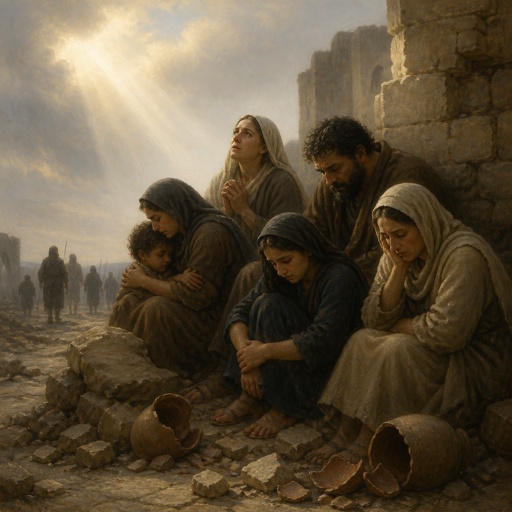
"They break in pieces thy people, O LORD, and afflict thine heritage." - Psalms 94:5

Psalms 94:21 - "They gather themselves together against the soul of the righteous, and condemn the innocent blood."

Psalms 94:5 - "They break in pieces thy people, O LORD, and afflict thine heritage."

Psalms 94:2 - "Lift up thyself, thou judge of the earth: render a reward to the proud."

Psalms 119:94 - "I am thine, save me; for I have sought thy precepts."

Psalms 94:14 - "For the LORD will not cast off his people, neither will he forsake his inheritance."

Psalms 94:3 - "LORD, how long shall the wicked, how long shall the wicked triumph?"
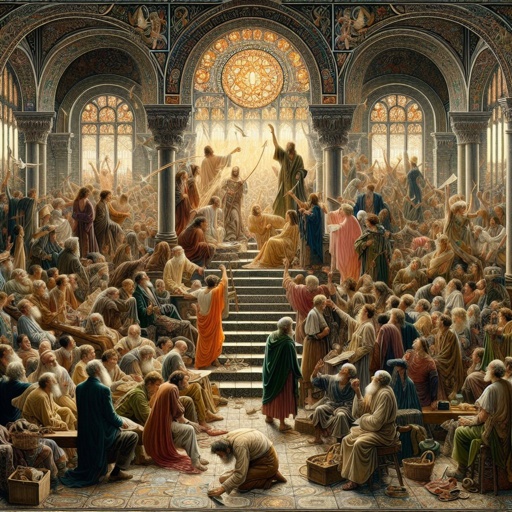
Psalms 94:8 - "Understand, ye brutish among the people: and ye fools, when will ye be wise?"

Psalms 94:7 - "Yet they say, The LORD shall not see, neither shall the God of Jacob regard it."

Psalms 94:20 - "Shall the throne of iniquity have fellowship with thee, which frameth mischief by a law?"

Psalms 94:15 - "But judgment shall return unto righteousness: and all the upright in heart shall follow it."

"LORD, how long shall the wicked, how long shall the wicked triumph?" - Psalms 94:3

"I am thine, save me; for I have sought thy precepts." - Psalms 119:94

"The LORD knoweth the thoughts of man, that they are vanity." - Psalms 94:11

Psalms 94:13 - "That thou mayest give him rest from the days of adversity, until the pit be digged for the wicked."

Psalms 94:9 - "He that planted the ear, shall he not hear? he that formed the eye, shall he not see?"

Psalms 94:17 - "Unless the LORD had been my help, my soul had almost dwelt in silence."

Psalms 94:4 - "How long shall they utter and speak hard things? and all the workers of iniquity boast themselves?"

Psalms 94:12 - "Blessed is the man whom thou chastenest, O LORD, and teachest him out of thy law;"
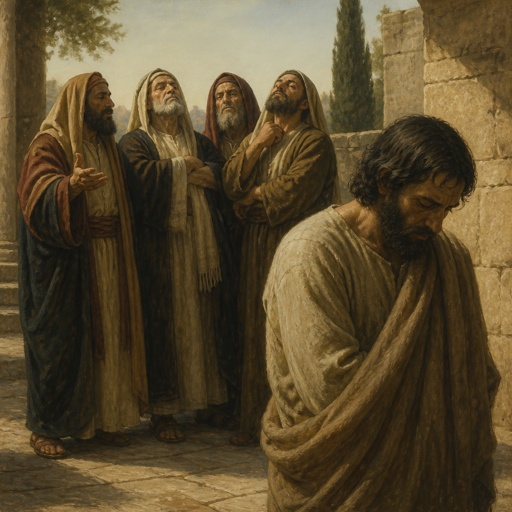
"How long shall they utter and speak hard things? and all the workers of iniquity boast themselves?" - Psalms 94:4

Psalms 94:10 - "He that chastiseth the heathen, shall not he correct? he that teacheth man knowledge, shall not he know?"

Psalms 94:1 - "O LORD God, to whom vengeance belongeth; O God, to whom vengeance belongeth, shew thyself."