What does Revelation 6:2 mean?
“And I saw, and behold a white horse: and he that sat on him had a bow; and a crown was given unto him: and he went forth conquering, and to conquer.” — Revelation 6:2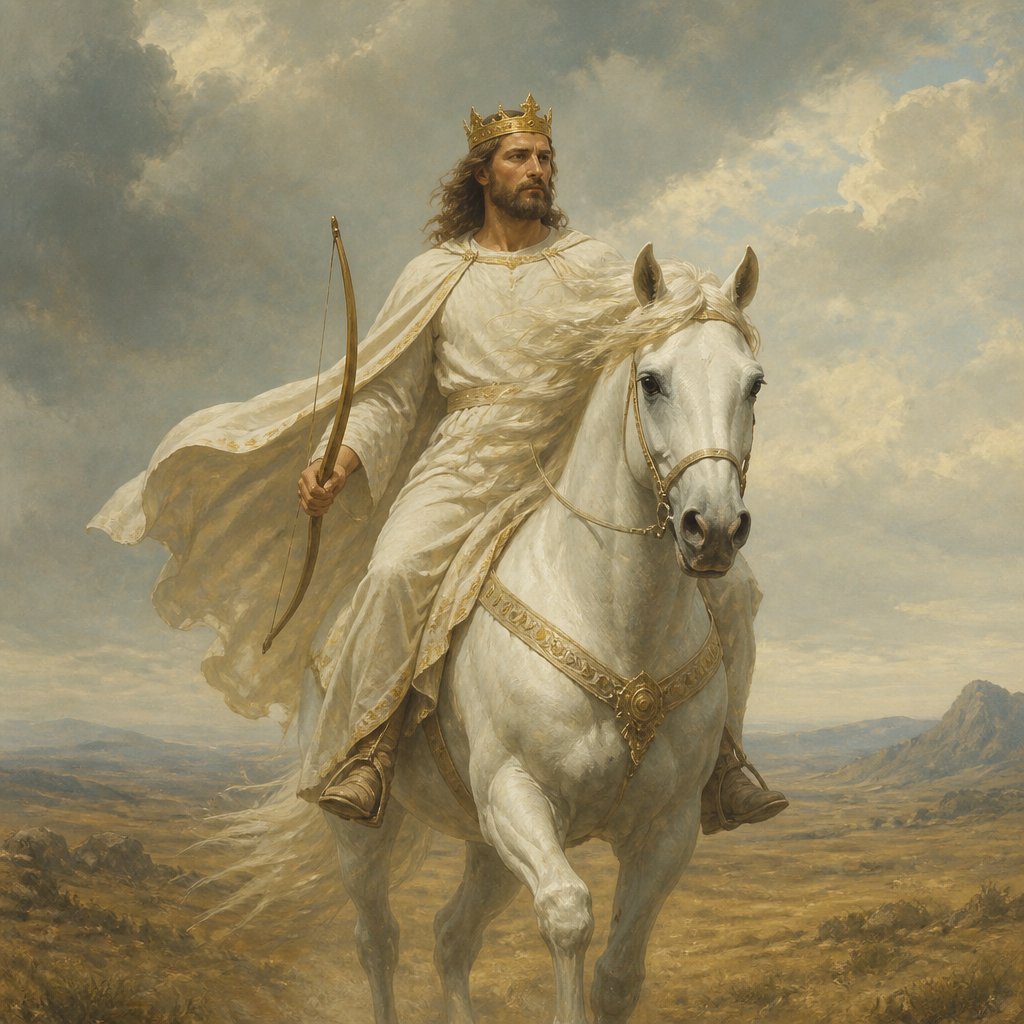
Revelation 6:2 states, "And I saw, and behold a white horse: and he that sat on him had a bow; and a crown was given unto him: and he went forth conquering, and to conquer."
This verse is a part of the book of Revelation, the last book of the New Testament, which is attributed to John the Apostle. The book is apocalyptic in nature and contains visions and prophecies regarding the end times and the ultimate triumph of Christ over evil. The verse in question is part of a series of visions depicting the opening of the seven seals, which signify different events leading up to the culmination of history and the establishment of God's kingdom.
The first four seals are generally known as the "four horsemen of the Apocalypse", and this verse specifically describes the first horseman, who rides a white horse. The color white traditionally symbolizes purity and victory, and the horseman carrying a bow and wearing a crown portrays a powerful and victorious figure. The imagery of a conqueror riding a white horse is reminiscent of ancient Roman triumphal processions, where victorious generals were welcomed into the city with great fanfare. This white horseman represents a conquering force that will bring about significant changes in the world.
The figure of the white horseman is often interpreted as symbolizing the power of conquest and militaristic aggression. Some see this horseman as representing a period of warfare and conflict that will lead to widespread suffering and upheaval. Others interpret the white horseman as symbolizing the spread of the Gospel and the victorious advance of the Christian faith throughout the world. In this interpretation, the bow represents the spreading of the Word of God, and the crown symbolizes the ultimate victory of Christ as King and Savior.
Another potential interpretation of the white horseman is that it represents a false or deceptive force that appears to bring peace and success, but ultimately leads to destruction and chaos. This concept aligns with the idea of a "false messiah" or false prophet who deceives people with their promises of peace and prosperity, only to lead them astray and bring about calamity.
Contextually, the symbolism of the first horseman needs to be understood in the broader context of the book of Revelation and its apocalyptic themes. The book as a whole is filled with rich symbolism and imagery, and its purpose is to provide encouragement and warning to the early Christian communities facing persecution and hardship. The visions and prophecies are meant to assure believers that God is ultimately in control of history and that the forces of evil will ultimately be defeated.
In summary, Revelation 6:2 is a verse rich in symbolism and open to various interpretations. It depicts a powerful and victorious figure riding a white horse, wielding a bow, and wearing a crown. The verse is part of a larger series of visions that illustrate the tumultuous events leading up to the establishment of God's kingdom. Whether understood as a force for conquest, the spread of the Gospel, or a deceptive and destructive influence, the white horseman is a powerful and evocative symbol of the forces at work in the world, and a reminder of the ultimate triumph of good over evil in the Christian worldview.
Get our apps


Artwork for Revelation 6:2

Revelation 6:2 - "And I saw, and behold a white horse: and he that sat on him had a bow; and a crown was given unto him: and he went forth conquering, and to conquer."
"And I saw, and behold a white horse: and he that sat on him had a bow; and a crown was given unto him: and he went forth conquering, and to conquer." - Revelation 6:2

Revelation 2:6 - "But this thou hast, that thou hatest the deeds of the Nicolaitans, which I also hate."

Revelation 6

Revelation 5:6

Revelation 21:6

Revelation 14:6

Revelation 5:6

Revelation 5:6
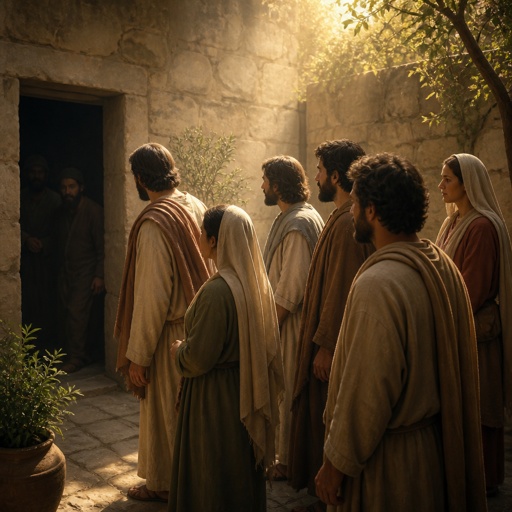
"But this thou hast, that thou hatest the deeds of the Nicolaitans, which I also hate." - Revelation 2:6

Revelation 17:3-6

Revelation 17:3-6

Revelation 17:3-6

Revelation 17:3-6

Revelation 17:3-6

REVELATION 11:6. WATERS TURNING TO BLOOD

2 Thessalonians 2:6 - "And now ye know what withholdeth that he might be revealed in his time."
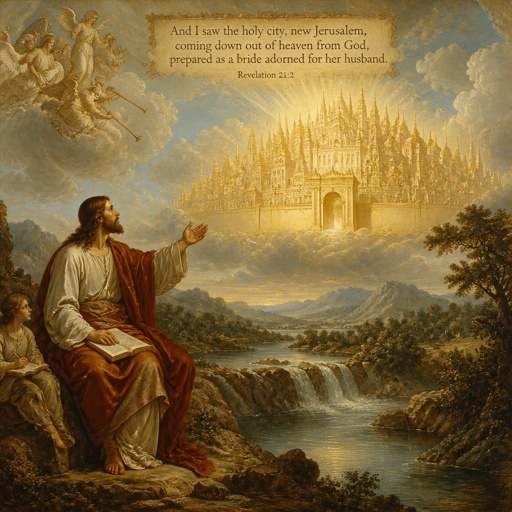
Revelation 21:2

Revelation 6:17 - "For the great day of his wrath is come; and who shall be able to stand?"

Revelation 8:6 - "And the seven angels which had the seven trumpets prepared themselves to sound."

Revelation 21:2
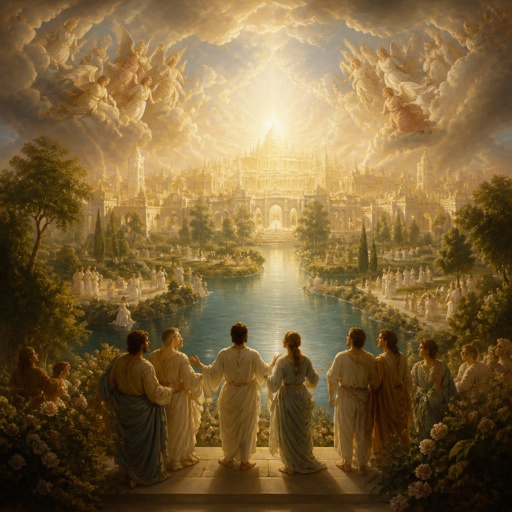
Revelation 21:2

Revelation 21:2

Revelation 21:2

Revelation 16:2

Revelation 16:2

Revelation 21:2

Revelation 2:1

Revelation 21:2

Revelation 6:6 - "And I heard a voice in the midst of the four beasts say, A measure of wheat for a penny, and three measures of barley for a penny; and see thou hurt not the oil and the wine."