What does Romans 1:4 mean?
“And declared to be the Son of God with power, according to the spirit of holiness, by the resurrection from the dead:” — Romans 1:4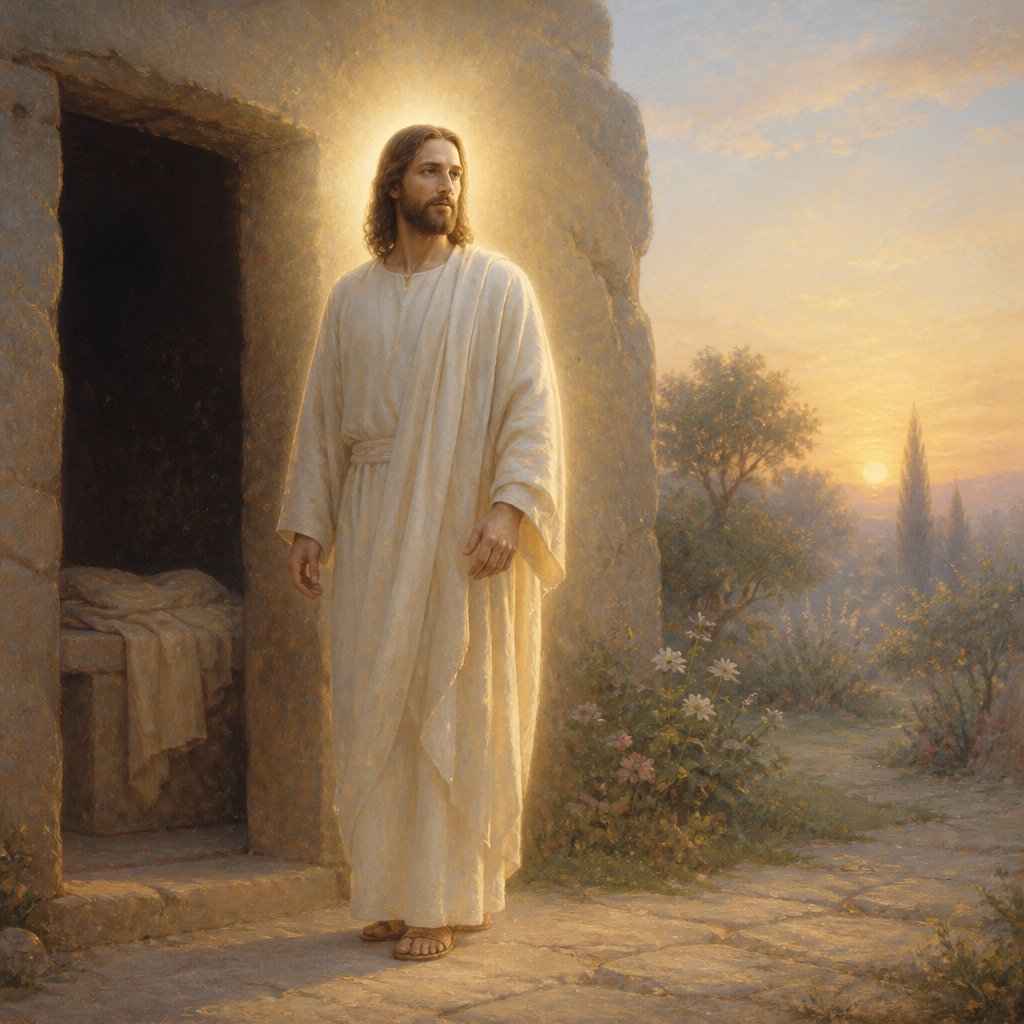
Romans 1:4 (KJV) states: "And declared to be the Son of God with power, according to the spirit of holiness, by the resurrection from the dead."
This verse from the book of Romans holds significant theological and Christological implications. Here, the apostle Paul is proclaiming the divinity of Jesus Christ, the central figure in Christianity, and affirming His power and authority as the Son of God.
The verse begins with the declaration that Jesus is "declared to be the Son of God with power." This statement emphasizes the divine nature of Jesus as the Son of God and affirms His authority and sovereignty. It also underscores the importance of Christ's resurrection as the ultimate demonstration of His identity and His divine nature. The resurrection serves as a powerful declaration of Jesus' deity and confirms His status as the Son of God.
The phrase "according to the spirit of holiness" further emphasizes the divine nature of Jesus. This highlights the purity and sanctity of Christ, emphasizing His divine character and the Holy Spirit’s role in attesting to His divine status. The Holy Spirit bears witness to the fact that Jesus is the Son of God, confirming His divine nature and validating His authority.
The concluding phrase, "by the resurrection from the dead," is crucial in understanding the significance of Jesus' resurrection. It serves as a powerful proclamation of Christ's victory over sin and death, affirming His role as the savior of humanity. The resurrection is central to the Christian faith, as it demonstrates Christ's triumph over death and His ability to grant eternal life to believers. It also serves as evidence of His divine power and authority, validating His claim to be the Son of God.
In a larger theological context, this verse emphasizes the dual nature of Christ - fully divine and fully human. It affirms His divine identity as the Son of God, while also acknowledging His humanity through His resurrection from the dead. This concept of the hypostatic union, the belief that Jesus is both fully God and fully man, is a central tenet of Christian theology and is foundational to the understanding of Christ's redemptive work.
Additionally, Romans 1:4 speaks to the theme of redemption and salvation. The resurrection of Jesus is the pinnacle of God's redemptive plan, providing a way for humanity to be reconciled to God and obtain eternal life. It signifies the defeat of sin and death, offering hope and assurance to believers. Through His resurrection, Jesus has the power to grant forgiveness of sins and the promise of eternal life to those who believe in Him.
Symbolically, the resurrection represents new life and transformation. It serves as a reminder that through Christ, believers are offered spiritual rebirth and the opportunity to live in righteousness. It also symbolizes the victory of light over darkness, good over evil, and life over death.
In conclusion, Romans 1:4 is a powerful declaration of the divinity of Jesus Christ and the significance of His resurrection. It underscores His authority as the Son of God, affirms His victory over sin and death, and emphasizes the central role of His resurrection in the Christian faith. This verse serves as a foundational statement of Christian belief, highlighting the redemptive power of Christ and His ability to grant eternal life to those who believe in Him.
Get our apps


Artwork for Romans 1:4

Romans 1:4 - "And declared to be the Son of God with power, according to the spirit of holiness, by the resurrection from the dead:"
"And declared to be the Son of God with power, according to the spirit of holiness, by the resurrection from the dead:" - Romans 1:4

Romans 2:4

Romans 4:1 - "What shall we say then that Abraham our father, as pertaining to the flesh, hath found?"

Romans 4:3

Romans 4:4 - "Now to him that worketh is the reward not reckoned of grace, but of debt."
Romans 15:4-6
romans 12: 4-5

Romans 5:4 - "And patience, experience; and experience, hope:"

Romans 4:22 - "And therefore it was imputed to him for righteousness."

"What shall we say then that Abraham our father, as pertaining to the flesh, hath found?" - Romans 4:1

Romans 4:8 - "Blessed is the man to whom the Lord will not impute sin."

Romans 4:15 - "Because the law worketh wrath: for where no law is, there is no transgression."

Romans 10:4 - "For Christ is the end of the law for righteousness to every one that believeth."

Romans 4:23 - "Now it was not written for his sake alone, that it was imputed to him;"

Romans 1

Romans 4:7 - "Saying, Blessed are they whose iniquities are forgiven, and whose sins are covered."

Romans 8:1

"Now to him that worketh is the reward not reckoned of grace, but of debt." - Romans 4:4

Romans 5:1

Romans 4:10 - "How was it then reckoned? when he was in circumcision, or in uncircumcision? Not in circumcision, but in uncircumcision."

Romans 4:25 - "Who was delivered for our offences, and was raised again for our justification."

"And patience, experience; and experience, hope:" - Romans 5:4

"And therefore it was imputed to him for righteousness." - Romans 4:22

Romans 4:3 - "For what saith the scripture? Abraham believed God, and it was counted unto him for righteousness."

Romans 4:14 - "For if they which are of the law be heirs, faith is made void, and the promise made of none effect:"

Romans 12:1

Romans 4:2 - "For if Abraham were justified by works, he hath whereof to glory; but not before God."

Romans 4:5 - "But to him that worketh not, but believeth on him that justifieth the ungodly, his faith is counted for righteousness."

Romans 12:1