What does Romans 11:21 mean?
“For if God spared not the natural branches, take heed lest he also spare not thee.” — Romans 11:21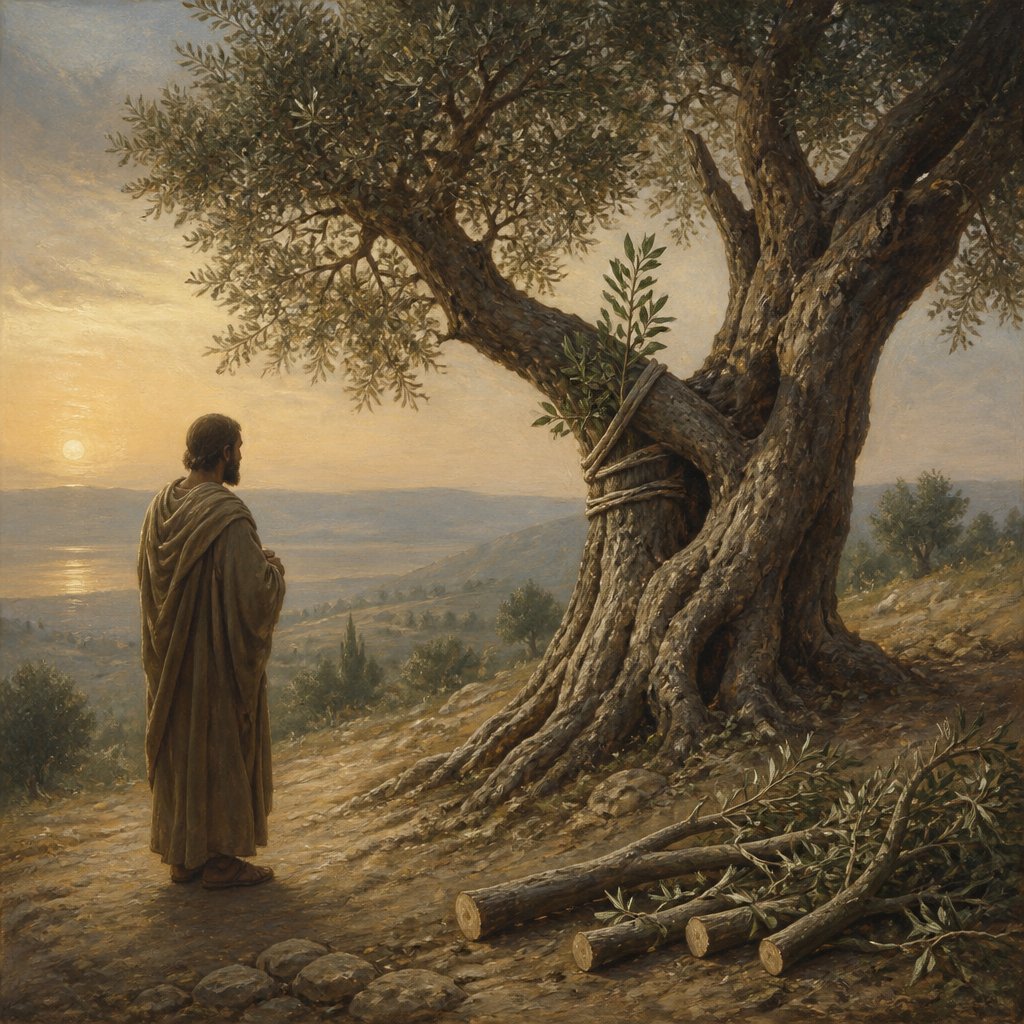
Romans 11:21 in the King James Version of the Bible reads, "For if God spared not the natural branches, take heed lest he also spare not thee." This passage is a part of a larger discourse in the book of Romans, where the apostle Paul addresses the question of the place of Israel in God's plan of redemption.
In this particular verse, Paul uses the metaphor of a cultivated olive tree to illustrate the relationship between Jews and Gentiles in God's family. The "natural branches" refer to the Jewish people, who were the chosen people of God in the Old Testament. The Gentiles, on the other hand, are symbolized by wild branches grafted onto the olive tree to share in the nourishment and life of the tree. Paul warns the Gentile believers not to become prideful or boastful, as they have been grafted in by God's grace and can just as easily be removed if they fail to continue in faith (Romans 11:20-22).
The overall theme of Romans 11:21 is the faithfulness of God and the responsibility of believers to remain faithful as well. God's faithfulness is seen in his dealings with the Jewish people, despite their rejection of Jesus as the Messiah. Paul affirms that God has not rejected his chosen people, as there is a remnant of Jews who have believed in Jesus (Romans 11:1-5). This demonstrates God's faithfulness to his promises and his ability to bring about salvation according to his sovereign will.
On the other hand, Paul admonishes the Gentile believers to take heed and not become arrogant or complacent in their faith. The warning is clear: just as God did not spare the natural branches (the Jews) when they rejected Christ, so too he will not spare the grafted-in branches (the Gentiles) if they do not continue in faith. This highlights the serious nature of apostasy and the need for believers to persevere in their faith and obedience to God.
The context of Romans 11:21 is important to understand the full meaning of the verse. Paul is addressing the relationship between Jews and Gentiles in the plan of God, and he uses the imagery of the cultivated olive tree to illustrate this relationship. Throughout the chapter, Paul emphasizes that God's plan of salvation encompasses both Jews and Gentiles, and that there is hope for the salvation of all people through faith in Jesus Christ.
In this specific verse, Paul is underscoring the need for humility and faithful perseverance among the Gentile believers. The warning is a sober reminder that God's grace and inclusion in his family are not to be taken for granted. Believers must continue to walk in faith and obedience, trusting in God's faithfulness and relying on his grace to sustain them.
Symbolically, the cultivated olive tree represents the covenant relationship between God and his people. The natural branches symbolize the Jewish people, who were originally chosen by God to be his people. The wild branches represent the Gentiles, who have been grafted in to share in the promises and blessings of God. The process of grafting signifies the inclusion of the Gentiles into the family of God through faith in Jesus Christ.
In summary, Romans 11:21 is a powerful reminder of God's faithfulness and the responsibility of believers to remain faithful as well. The passage underscores the need for humility, perseverance, and reliance on God's grace in the Christian life. It also highlights the inclusiveness of God's plan of redemption, which encompasses both Jews and Gentiles. As believers, we are called to heed the warning and continue in faith, knowing that God is faithful to fulfill his promises and to sustain those who trust in him.
Get our apps


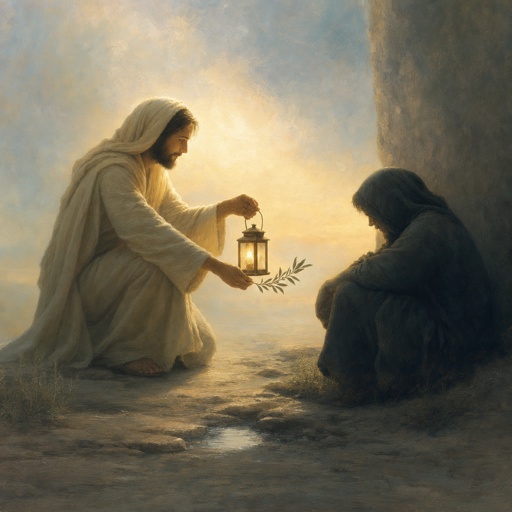
Artwork for Romans 11:21

Romans 11:21 - "For if God spared not the natural branches, take heed lest he also spare not thee."
"For if God spared not the natural branches, take heed lest he also spare not thee." - Romans 11:21

Romans 11:11

Romans 11:18
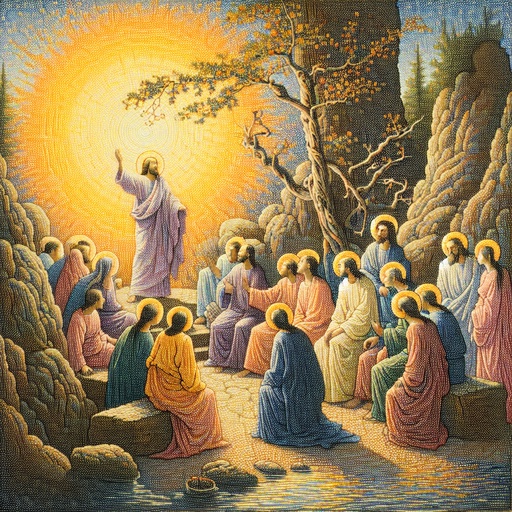
Romans 11:18

Romans 11:18

Romans 11:18

Romans 11:18

Romans 11:18

Romans 11:18

Romans 8:11

Romans 12:21 - "Be not overcome of evil, but overcome evil with good."

Romans 5: 1-11

Romans 11:25-32

Romans 2:11 - "For there is no respect of persons with God."

Romans 5: 1-11

Romans 11:29 - "For the gifts and calling of God are without repentance."

Romans 16:21 - "Timotheus my workfellow, and Lucius, and Jason, and Sosipater, my kinsmen, salute you."

Romans 3:21 - "But now the righteousness of God without the law is manifested, being witnessed by the law and the prophets;"

Romans 15:21 - "But as it is written, To whom he was not spoken of, they shall see: and they that have not heard shall understand."

Acts 16:21 - "And teach customs, which are not lawful for us to receive, neither to observe, being Romans."

Romans 3:11 - "There is none that understandeth, there is none that seeketh after God."

Romans 12:11 - "Not slothful in business; fervent in spirit; serving the Lord;"

Romans 4:21 - "And being fully persuaded that, what he had promised, he was able also to perform."

Romans 7:21 - "I find then a law, that, when I would do good, evil is present with me."

Romans 10:11 - "For the scripture saith, Whosoever believeth on him shall not be ashamed."
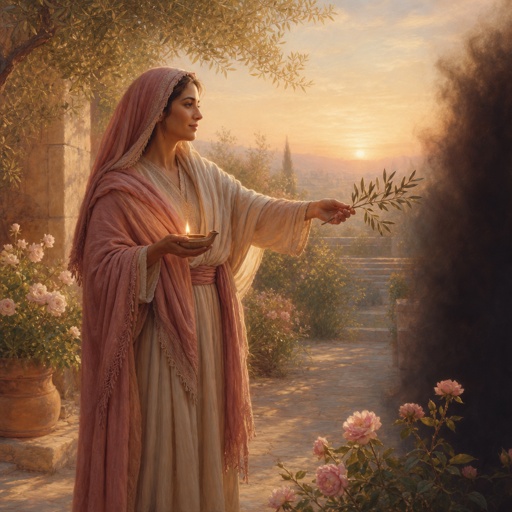
"Be not overcome of evil, but overcome evil with good." - Romans 12:21

"For there is no respect of persons with God." - Romans 2:11
"Be not overcome of evil, but overcome evil with good." - Romans 12:21

"Be not overcome of evil, but overcome evil with good." - Romans 12:21