What does Romans 11:31 mean?
“Even so have these also now not believed, that through your mercy they also may obtain mercy.” — Romans 11:31
Romans 11:31 in the King James Version (KJV) of the Bible reads, "Even so have these also now not believed, that through your mercy they also may obtain mercy." This verse is part of the larger context of Romans 11, which is centered around the theme of God's faithfulness to his promises and his sovereignty over all people.
To truly understand the depth and meaning of this verse, it is essential to consider the broader context of Romans 11. In the previous verses, the apostle Paul is addressing the inclusion of the Gentiles into the family of God. He emphasizes that God has not rejected the Jewish people, but he has extended his mercy to the Gentiles as well. In verse 30, Paul declares, "For as ye in times past have not believed God, yet have now obtained mercy through their unbelief." This is followed by verse 31, which raises the issue of the unbelief of the Jews, paralleling it with the unbelief of the Gentiles in the past.
The verse speaks to the overarching theme of God's mercy and grace being extended to all people, regardless of their background or ethnicity. It emphasizes the message of inclusion, indicating that both Jews and Gentiles have the opportunity to obtain mercy through their faith in God. This message is particularly powerful in a historical context, as the early Christian church was grappling with the inclusion of Gentiles and the tension between Jewish and Gentile believers.
The verse also reflects the broader biblical theme of God's sovereignty and his redemptive plan for all people. Paul's message in Romans 11 is a profound reminder that God's mercy is not limited by human circumstances or actions. It conveys the idea that God's mercy is available to all, and it is through his mercy that people can receive salvation and redemption.
The use of parallelism in this verse is significant for understanding its deeper meaning. Paul juxtaposes the unbelief of the Jews with the unbelief of the Gentiles, highlighting the universal need for God's mercy. This parallel structure underscores the equality of all people before God and the mutual dependence on his mercy for salvation.
Symbolism plays a key role in understanding the significance of this verse. The concept of mercy is central to the Christian faith, and it symbolizes God's compassion, forgiveness, and loving-kindness towards humanity. Additionally, the inclusion of both Jews and Gentiles in the extension of mercy symbolizes the unifying power of God's redemptive plan. It communicates the idea that all people are equally in need of God's mercy and that it is through this mercy that unity and reconciliation can be achieved.
In summary, Romans 11:31 in the King James Version is a powerful and profound reflection on the universal need for God's mercy. It emphasizes the inclusion of all people in God's redemptive plan, regardless of their background or ethnicity. The verse underscores the themes of God's sovereignty, his faithfulness to his promises, and the unifying power of his mercy. It serves as a timeless reminder of the all-encompassing nature of God's love and his desire for all people to experience his mercy and grace.
Get our apps


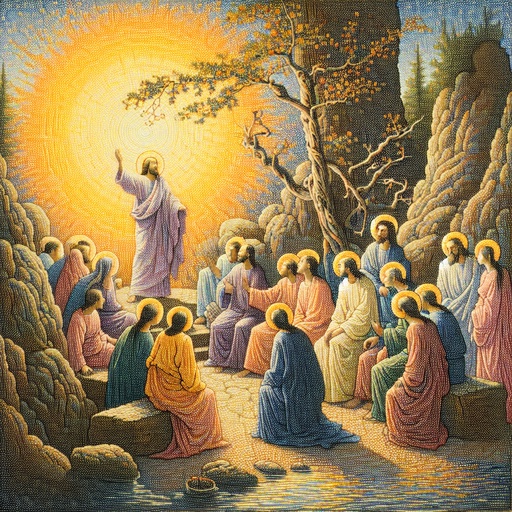
Artwork for Romans 11:31

Romans 11:31 - "Even so have these also now not believed, that through your mercy they also may obtain mercy."

"Even so have these also now not believed, that through your mercy they also may obtain mercy." - Romans 11:31

Romans 8:31

Romans 8:31

Romans 8:31

Romans 11:11

Romans 1:31 - "Without understanding, covenantbreakers, without natural affection, implacable, unmerciful:"

Romans 9:31 - "But Israel, which followed after the law of righteousness, hath not attained to the law of righteousness."

Romans 11:18
Romans 11:18

Romans 11:18

Romans 8:31 - "What shall we then say to these things? If God be for us, who can be against us?"

Romans 11:18

Romans 11:18

Romans 11:18

Romans 11:18

Romans 8:11

Romans 3:31 - "Do we then make void the law through faith? God forbid: yea, we establish the law."

Romans 5: 1-11

Romans 11:25-32

Romans 2:11 - "For there is no respect of persons with God."

Romans 5: 1-11

Romans 11:29 - "For the gifts and calling of God are without repentance."

Romans 15:31 - "That I may be delivered from them that do not believe in Judaea; and that my service which I have for Jerusalem may be accepted of the saints;"

Romans 3:11 - "There is none that understandeth, there is none that seeketh after God."

Romans 12:11 - "Not slothful in business; fervent in spirit; serving the Lord;"

"Without understanding, covenantbreakers, without natural affection, implacable, unmerciful:" - Romans 1:31

Romans 10:11 - "For the scripture saith, Whosoever believeth on him shall not be ashamed."

"For there is no respect of persons with God." - Romans 2:11

1 Kings 11:30-31