What does Romans 11:6 mean?
“And if by grace, then is it no more of works: otherwise grace is no more grace. But if it be of works, then is it no more grace: otherwise work is no more work.” — Romans 11:6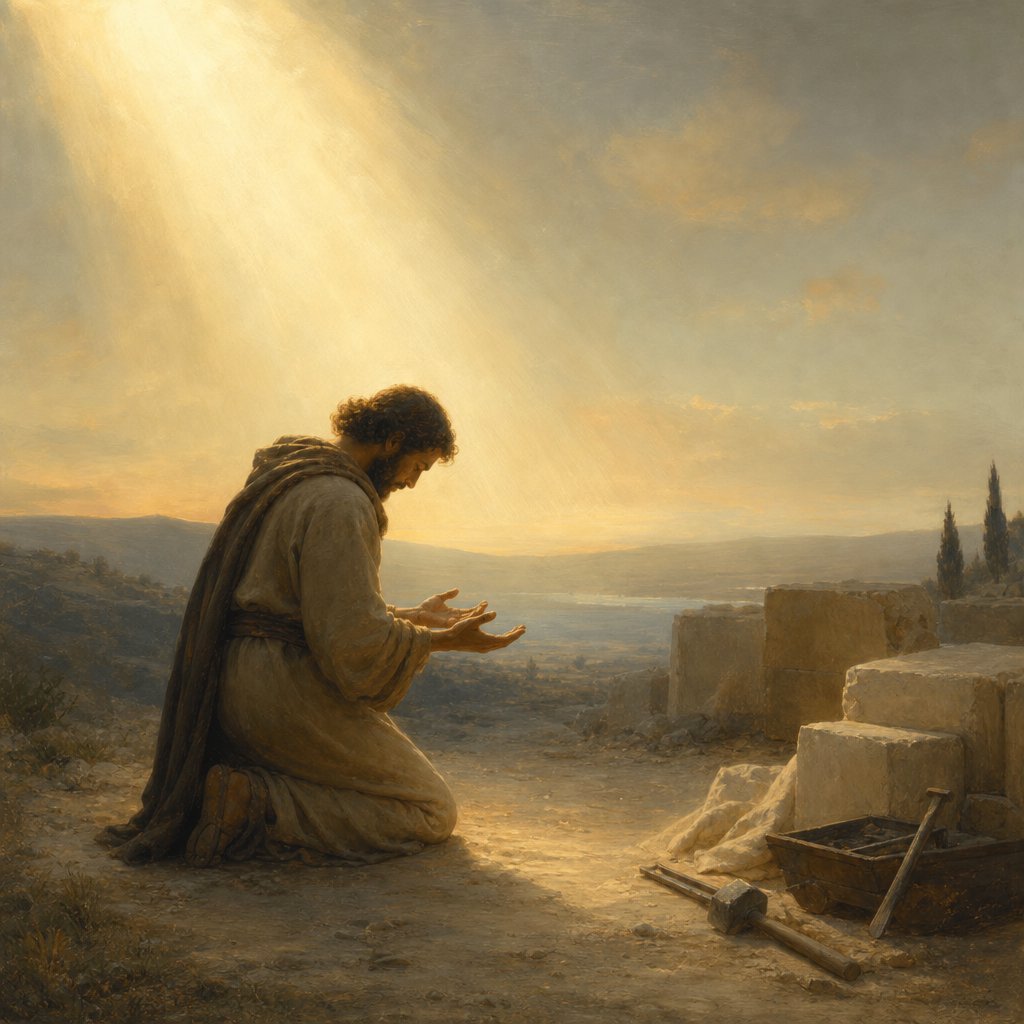
The verse Romans 11:6 from the King James Version (KJV) of the Bible reads: "And if by grace, then is it no more of works: otherwise grace is no more grace. But if it be of works, then is it no more grace: otherwise work is no more work." This verse is found within the larger context of Paul's letter to the Romans, addressing the theme of salvation and the relationship between faith and works.
In the preceding verses, Paul discusses the remnant of Israel who have not rejected God, emphasizing that they were chosen by grace rather than by works. He brings up the concept of grace, which is God's unmerited favor toward humanity, and contrasts it with works, or human effort to earn salvation. This verse serves as a continuation of this discussion, explaining that grace and works are mutually exclusive - if something is obtained by grace, it cannot also be obtained by works, and vice versa.
The overarching theme of this verse is the nature of salvation and the role of grace and works in obtaining it. It addresses the theological concept of justification, or being made righteous in the sight of God, and emphasizes the primacy of grace in this process. Additionally, it serves as a reminder of the sufficiency of God's grace and the futility of relying on one's own works for salvation.
The context of this verse within the broader letter to the Romans is important for understanding its significance. Paul's letter to the Romans was written to a diverse audience, addressing both Jewish and Gentile believers, and dealing with topics such as sin, righteousness, and the role of the law in the life of a believer. In this particular section of the letter, Paul is addressing the relationship between Gentile believers and the remnant of Israel, and the implications of God's grace in this relationship.
In terms of symbolism, this verse serves to symbolize the dichotomy between grace and works in the Christian faith. Grace represents God's unmerited favor and love toward humanity, while works symbolize human effort and striving for righteousness. The contrast between the two serves to highlight the distinctiveness of God's grace and the inability of human works to merit salvation. This symbolism is a recurring theme in Paul's writings, as he frequently emphasizes the sufficiency of God's grace and the need for believers to place their trust in Him rather than in their own efforts.
Overall, Romans 11:6 from the King James Version of the Bible holds significant meaning within the broader context of Paul's letter to the Romans. It addresses the theological themes of salvation, grace, and works, and serves to emphasize the primacy of God's grace in the process of justification. It also serves as a reminder of the futility of relying on one's own works for salvation and the sufficiency of God's grace. As believers reflect on this verse, they are encouraged to place their trust in God's grace and to recognize the inadequacy of their own efforts to earn salvation.
Get our apps


Artwork for Romans 11:6

Romans 11:6 - "And if by grace, then is it no more of works: otherwise grace is no more grace. But if it be of works, then is it no more grace: otherwise work is no more work."
Romans 11:6 And if by grace, then it is no longer of works; otherwise grace is no longer grace. But if it is of works, it is no longer grace; otherwise work is no longer work.

Romans 11:6 And if by grace, then it is no longer of works; otherwise grace is no longer grace. But if it is of works, it is no longer grace; otherwise work is no longer work.

"And if by grace, then is it no more of works: otherwise grace is no more grace. But if it be of works, then is it no more grace: otherwise work is no more work." - Romans 11:6
"And if by grace, then is it no more of works: otherwise grace is no more grace. But if it be of works, then is it no more grace: otherwise work is no more work." - Romans 11:6
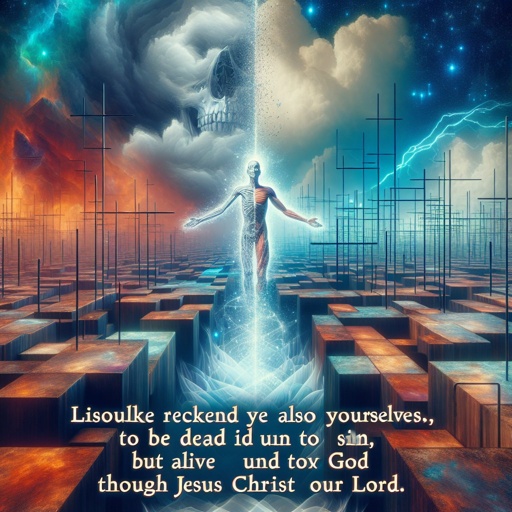
Romans 6:11 - "Likewise reckon ye also yourselves to be dead indeed unto sin, but alive unto God through Jesus Christ our Lord."

Romans 11:11

Romans 11:18
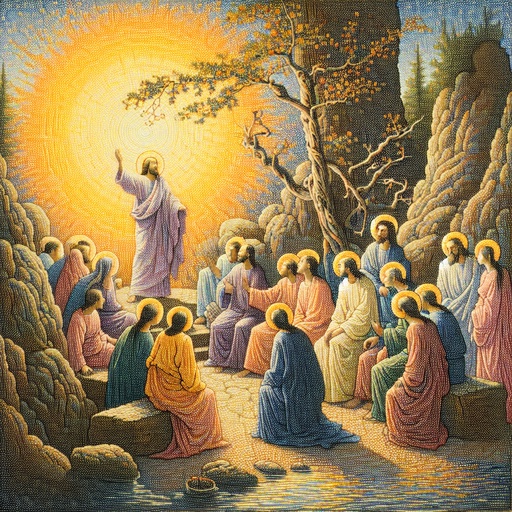
Romans 11:18

Romans 11:18

Romans 11:18

Romans 11:18

Romans 11:18

Romans 11:18

Romans 8:11

Romans 6:23

Romans 8:6

Romans 6:23

Romans 5: 1-11

Romans 11:25-32

Romans 2:11 - "For there is no respect of persons with God."

Romans 5: 1-11

Romans 15:4-6

Romans 11:29 - "For the gifts and calling of God are without repentance."

Romans 6:7 - "For he that is dead is freed from sin."

Romans 3:11 - "There is none that understandeth, there is none that seeketh after God."

Romans 12:11 - "Not slothful in business; fervent in spirit; serving the Lord;"

Romans 10:11 - "For the scripture saith, Whosoever believeth on him shall not be ashamed."

"For there is no respect of persons with God." - Romans 2:11

"Likewise reckon ye also yourselves to be dead indeed unto sin, but alive unto God through Jesus Christ our Lord." - Romans 6:11