What does Romans 11:2-3 mean?
“God hath not cast away his people which he foreknew. Wot ye not what the scripture saith of Elias? how he maketh intercession to God against Israel, saying, Lord, they have killed thy prophets, and digged down thine altars; and I am left alone, and they seek my life.” — Romans 11:2-3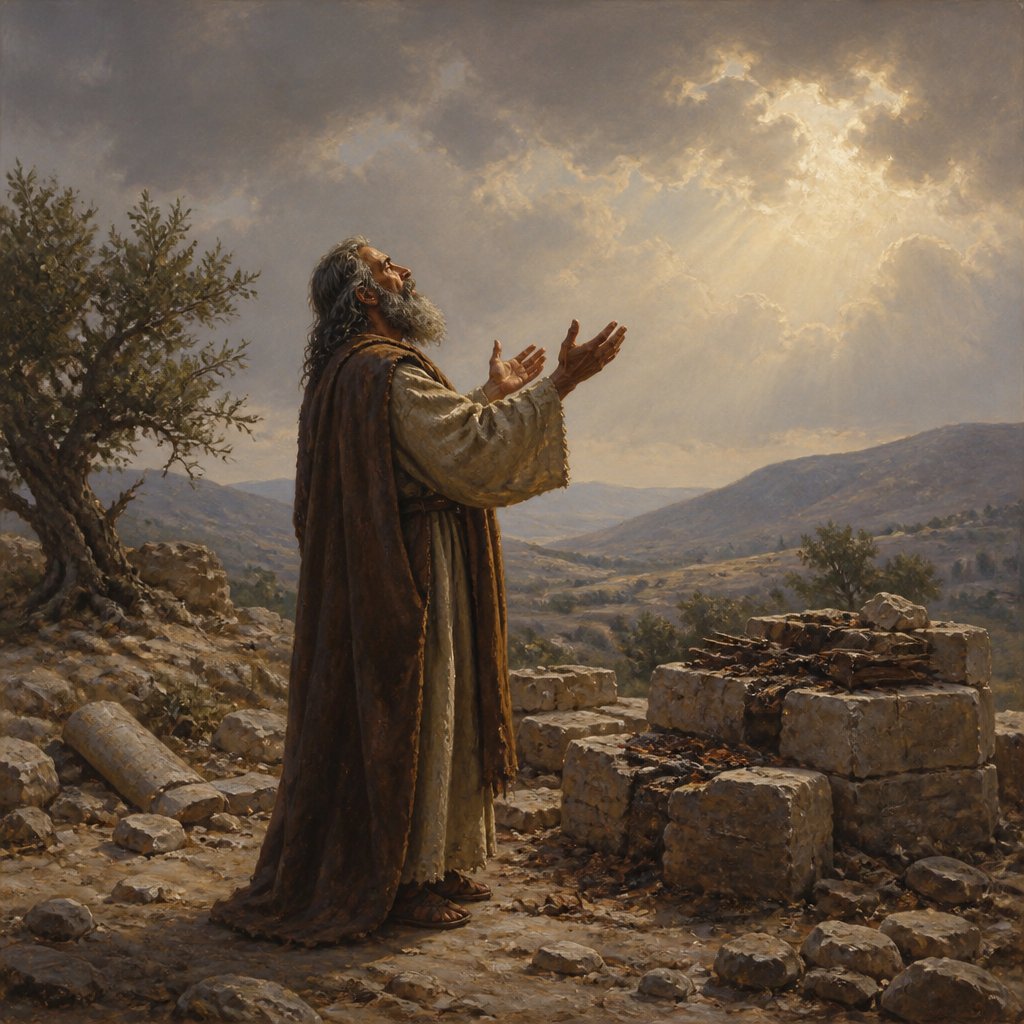
Romans 11:2-3 in the King James Version of the Bible reads, "God hath not cast away his people which he foreknew. Wot ye not what the scripture saith of Elias? how he maketh intercession to God against Israel, saying, Lord, they have killed thy prophets, and digged down thine altars; and I am left alone, and they seek my life." This passage from the book of Romans touches on many significant themes and offers profound insights into the relationship between God and his people, as well as the timeless struggle between faithfulness and disobedience.
The context of this passage is within a larger discussion of the apostle Paul's letter to the Romans about the relationship between the Jewish people and God. In the preceding verses, Paul discusses the rejection of Jesus by many of the Jewish people and the salvation of both Jews and Gentiles through faith in Christ. He addresses the question of whether God has completely rejected Israel, his chosen people, due to their disobedience and rejection of Christ. This verse serves as part of Paul's argument against the idea that God has abandoned Israel, emphasizing God's faithfulness to his promises and his enduring love for his people.
The passage begins by affirming that God has not cast away his people, whom he foreknew. This statement reflects the theme of God's faithfulness and steadfast love for his chosen people. It is a reminder that God's relationship with Israel is based on his sovereign choice and foreknowledge, rather than on their performance or faithfulness. This underscores the unconditional nature of God's love and the enduring covenant relationship he has with his people.
To support his point, Paul references the example of Elijah, also known as Elias, from the Old Testament. Elijah was a prophet who lived during a time of great apostasy in Israel. The people had turned away from God and were worshipping idols, leading to widespread moral and spiritual corruption. In the passage, Paul quotes the words of Elijah as he made intercession to God against Israel, expressing his frustration and feeling of isolation as a faithful servant of God amidst a rebellious and idolatrous people. Elijah recounts how the people of Israel had killed God's prophets, torn down his altars, and sought to take his life, highlighting the depth of their disobedience and rejection of God.
By citing Elijah's intercession, Paul demonstrates that even in the midst of Israel's unfaithfulness, God remained faithful to his people. Despite their rebellion and rejection of his prophets, God did not abandon them. This serves as a powerful illustration of God's enduring love and commitment to his chosen people, and it reinforces the message that God's purposes for Israel have not been thwarted by their disobedience.
Furthermore, the passage also touches on the theme of God's sovereignty in fulfilling his purposes. Despite the unfaithfulness of the people, God continued to work through Elijah and preserved a remnant of faithful followers. This foreshadows Paul's later discussion of the remnant of Israel that remains faithful to God, indicating that God's purposes for his people will ultimately be fulfilled through his sovereign will.
In terms of symbolism, Elijah's experience also serves as a metaphor for the faithful remnant within Israel who remained true to God amidst widespread unfaithfulness. It symbolizes the enduring presence of a faithful minority within the larger context of apostasy and disobedience. This theme of the faithful remnant is a recurring motif in the Bible and serves as a symbol of hope and perseverance amidst spiritual darkness and rebellion.
In conclusion, Romans 11:2-3 offers a rich and profound commentary on the relationship between God and his people, highlighting themes of God's faithfulness, sovereignty, and the resilience of the faithful remnant. It reassures believers of God's unwavering love and commitment to his people, despite their failings and disobedience. The passage serves as a powerful reminder of the enduring nature of God's covenant with Israel and his ultimate plan for their redemption.
Get our apps


Artwork for Romans 11:2-3
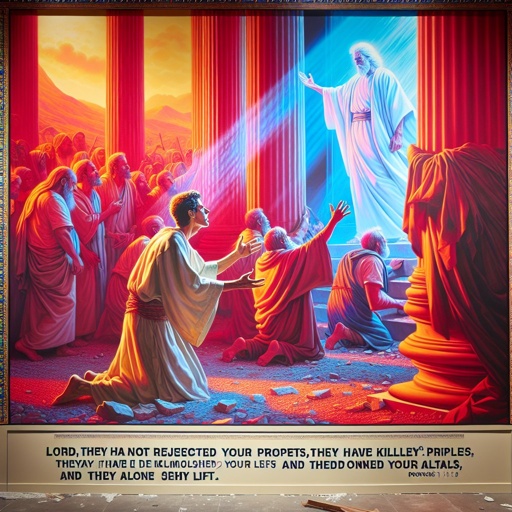
Romans 11:2-3 - "God has not rejected his people whom he foreknew. Do you not know what the Scripture says of Elijah, how he appeals to God against Israel? "Lord, they have killed your prophets, they have demolished your altars, and I alone am left, and they seek my life.""
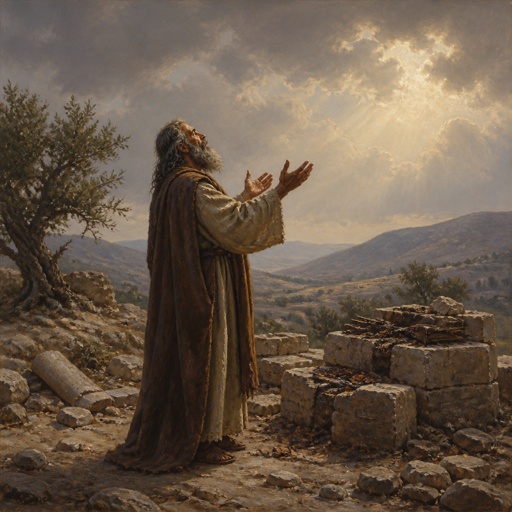
"God has not rejected his people whom he foreknew. Do you not know what the Scripture says of Elijah, how he appeals to God against Israel? "Lord, they have killed your prophets, they have demolished your altars, and I alone am left, and they seek my life."" - Romans 11:2-3

Romans 3:11 - "There is none that understandeth, there is none that seeketh after God."

Romans 2:11 - "For there is no respect of persons with God."

"For there is no respect of persons with God." - Romans 2:11

"There is none that understandeth, there is none that seeketh after God." - Romans 3:11

Romans 11:3 - "Lord, they have killed thy prophets, and digged down thine altars; and I am left alone, and they seek my life."

Romans 3:2 - "Much every way: chiefly, because that unto them were committed the oracles of God."

Romans 11:11

Romans 2:3 - "And thinkest thou this, O man, that judgest them which do such things, and doest the same, that thou shalt escape the judgment of God?"

Romans 11:18

Romans 11:18

Romans 11:18

Romans 11:18

Romans 11:18

Romans 11:18

Romans 11:18

Romans 8:11

Romans 11:2 - "God hath not cast away his people which he foreknew. Wot ye not what the scripture saith of Elias? how he maketh intercession to God against Israel, saying,"

Romans 5: 1-11

Romans 11:25-32

Romans 5: 1-11

Romans 4:3

Romans 3:24

Romans 11:29 - "For the gifts and calling of God are without repentance."

Romans 3:16 - "Destruction and misery are in their ways:"

Romans 12:11 - "Not slothful in business; fervent in spirit; serving the Lord;"

2 Corinthians 3:11 - "For if that which is done away was glorious, much more that which remaineth is glorious."

Romans 3:17 - "And the way of peace have they not known:"

2 Samuel 3:11 - "And he could not answer Abner a word again, because he feared him."