
Romans 2:1-3 from the King James Version of the Bible states, "Therefore thou art inexcusable, O man, whosoever thou art that judgest: for wherein thou judgest another, thou condemnest thyself; for thou that judgest doest the same things. But we are sure that the judgment of God is according to truth against them which commit such things. And thinkest thou this, O man, that judgest them which do such things, and doest the same, that thou shalt escape the judgment of God?"
This passage from the Book of Romans addresses the hypocrisy of judgment and highlights the impartiality of God's judgment. The verses admonish individuals to refrain from passing judgment on others while being guilty of the same or similar transgressions themselves. The underlying theme of this passage is the danger of hypocrisy and the inevitability of divine judgment.
The context of Romans 2:1-3 is crucial to understanding its significance. The Apostle Paul, the author of Romans, is addressing the Gentile and Jewish believers in Rome. He is emphasizing the universal need for salvation and the impartiality of God's judgment. In the preceding chapter, Paul outlines the universal sinfulness of humanity and the need for redemption through faith in Jesus Christ. In Romans 2, he specifically addresses the issue of hypocrisy and self-righteousness among those who claim to be religious or moral.
The passage begins with the assertion that no one has an excuse for judging others. The use of "O man" is a rhetorical device to address all humanity, regardless of gender. Paul admonishes that by judging others, individuals are condemning themselves because they too are guilty of sin. This aligns with Jesus' teaching in Matthew 7:1-5, where He warns against hypocritical judgment and encourages self-examination before pointing out the faults of others.
Paul then contrasts human judgment with the judgment of God. He states that while humans may judge based on subjective standards, God's judgment is rooted in truth and righteousness. This serves as a warning that those who engage in hypocritical judgment will face the righteous judgment of God.
The passage concludes with a rhetorical question that challenges the presumption of escaping divine judgment. Paul asks whether those who judge others while committing the same sins believe they will escape God's judgment. This question underscores the folly of hypocrisy and the certainty of being held accountable by God.
Symbolism in this passage is evident in the contrast between human judgment and divine judgment. Human judgment is depicted as flawed, hypocritical, and condemning, while God's judgment is portrayed as just, impartial, and based on truth. The passage symbolizes the universal human tendency towards hypocrisy and the need for humility and self-reflection.
Overall, Romans 2:1-3 serves as a sobering reminder of the dangers of hypocritical judgment and the certainty of divine judgment. It calls for humility, self-examination, and genuine repentance, emphasizing the universal need for grace and redemption through faith in Jesus Christ. This passage continues to serve as a timeless admonition for believers to refrain from hypocrisy and to approach others with grace and humility, knowing that all will ultimately be held accountable before God.
Get our apps


Artwork for Romans 2:1-3

Romans 2:1-3 - "You, therefore, have no excuse, you who pass judgment on someone else, for at whatever point you judge another, you are condemning yourself, because you who pass judgment do the same things. Now we know that God’s judgment against those who do such things is based on truth. So when you, a mere human being, pass judgment on them and yet do the same things, do you think you will escape God’s judgment?"

"You, therefore, have no excuse, you who pass judgment on someone else, for at whatever point you judge another, you are condemning yourself, because you who pass judgment do the same things. Now we know that God’s judgment against those who do such things is based on truth. So when you, a mere human being, pass judgment on them and yet do the same things, do you think you will escape God’s judgment?" - Romans 2:1-3

Habakkuk 2:1-3

Romans 2:4

Romans 3:1 - "What advantage then hath the Jew? or what profit is there of circumcision?"

romans 12:1-2

Romans 12:1-2

Romans 3:2 - "Much every way: chiefly, because that unto them were committed the oracles of God."

Romans 2:1 - "Therefore thou art inexcusable, O man, whosoever thou art that judgest: for wherein thou judgest another, thou condemnest thyself; for thou that judgest doest the same things."

Romans 1:3 - "Concerning his Son Jesus Christ our Lord, which was made of the seed of David according to the flesh;"

Romans 2:3 - "And thinkest thou this, O man, that judgest them which do such things, and doest the same, that thou shalt escape the judgment of God?"

Romans 1:2 - "(Which he had promised afore by his prophets in the holy scriptures,)"

"What advantage then hath the Jew? or what profit is there of circumcision?" - Romans 3:1

Romans 4:3

Romans 3:24

Romans 3:16 - "Destruction and misery are in their ways:"

Romans 3:17 - "And the way of peace have they not known:"
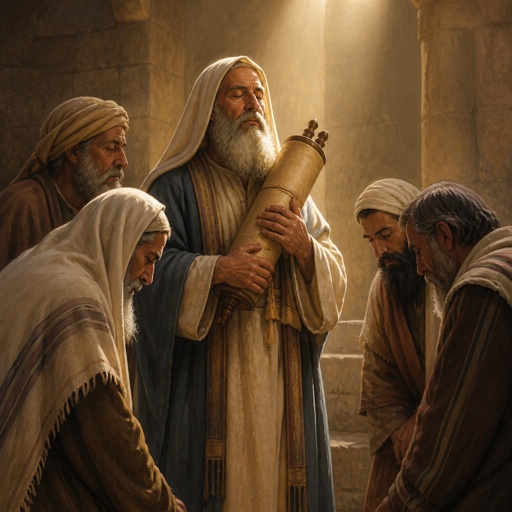
"Much every way: chiefly, because that unto them were committed the oracles of God." - Romans 3:2

Romans 3:15 - "Their feet are swift to shed blood:"

Romans 3:10 - "As it is written, There is none righteous, no, not one:"

Romans 3:18 - "There is no fear of God before their eyes."

Romans 3:3 - "For what if some did not believe? shall their unbelief make the faith of God without effect?"

Romans 3:14 - "Whose mouth is full of cursing and bitterness:"

Romans 12:2

Romans 12:2

Romans 12:2

Romans 12:2

Romans 12:2

Romans 12:2

Romans 12:2