What does Romans 2:22 mean?
“Thou that sayest a man should not commit adultery, dost thou commit adultery? thou that abhorrest idols, dost thou commit sacrilege?” — Romans 2:22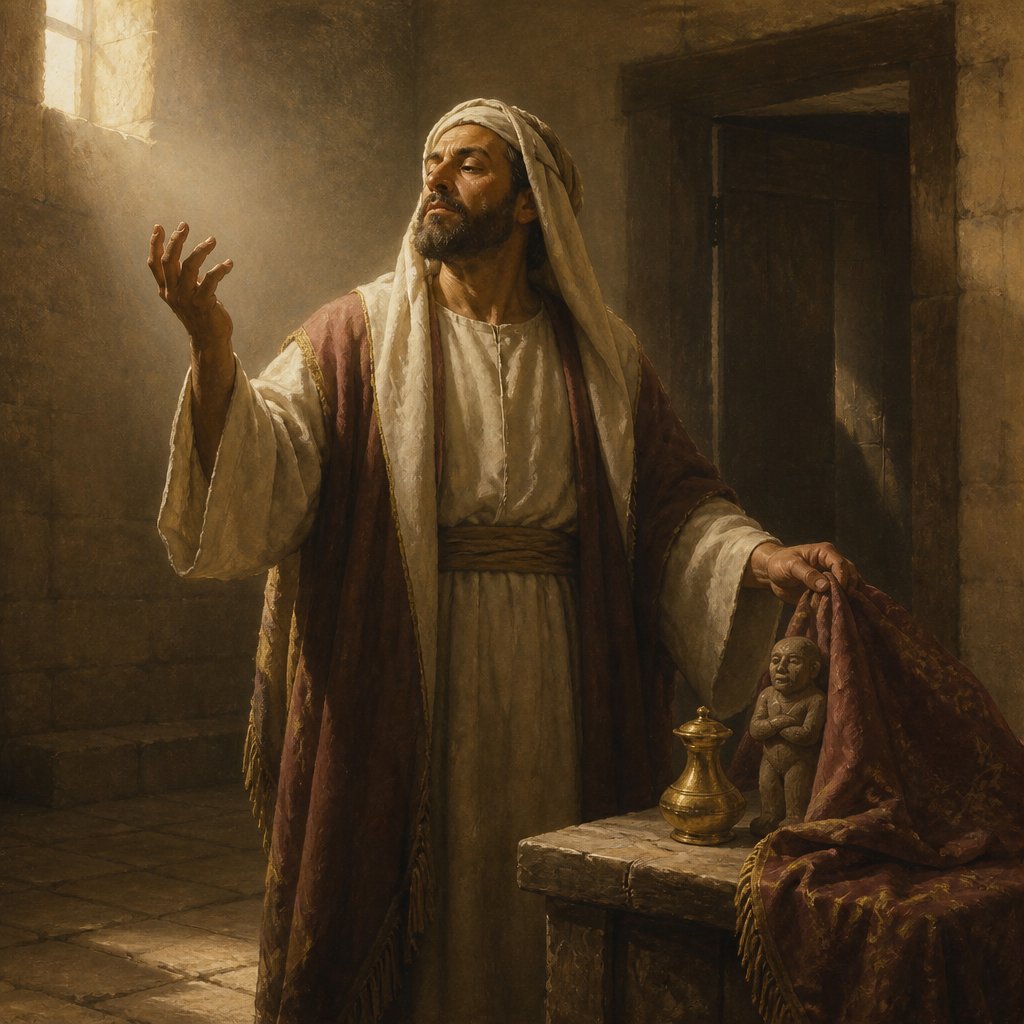
Romans 2:22 (KJV) - "Thou that sayest a man should not commit adultery, dost thou commit adultery? thou that abhorrest idols, dost thou commit sacrilege?"
In order to truly understand the meaning and significance of this verse, it is important to consider the context in which it was written. The Book of Romans was written by the apostle Paul to the believers in Rome. Paul was addressing the Jewish and Gentile Christians in Rome, and he was addressing issues of sin, salvation, and the righteousness of God. In Chapter 2, Paul focuses on the hypocrisy of the Jews, particularly those who were quick to point out the sins of others while failing to acknowledge their own.
In Romans 2:22, Paul is calling out the hypocrisy of those who claim to uphold moral standards but fail to live up to them themselves. The verse is structured as a series of rhetorical questions, each exposing the hypocrisy of the person being addressed. The first question, "Thou that sayest a man should not commit adultery, dost thou commit adultery?" is highlighting the inconsistency between professing a standard of sexual purity and actually engaging in adulterous behavior. The second question, "thou that abhorrest idols, dost thou commit sacrilege?" brings attention to the contradiction between condemning idol worship and yet engaging in acts that defile or disrespect holy things.
The underlying theme of Romans 2:22 is the danger of hypocrisy and the importance of living in accordance with the moral standards one claims to uphold. The verse serves as a reminder that outward observance of religious practices or moral codes is not enough; true righteousness requires genuine adherence to those standards in one's thoughts, words, and actions.
The verse also speaks to the universal human tendency to judge others while turning a blind eye to our own shortcomings. This tendency is not limited to the Jewish Christians in Rome but is relevant to all people in all times. It is a reminder that we are all susceptible to hypocrisy and that we should be mindful of our own faults and weaknesses before casting judgment on others.
Symbolism is also present in this verse, particularly in the reference to adultery and sacrilege. Adultery was not only a violation of the moral law but also a symbol of unfaithfulness and betrayal. In a similar vein, sacrilege is not just a violation of religious law but also a symbol of disrespect and desecration. These symbols serve to underscore the seriousness of hypocrisy and its impact on personal integrity and spiritual devotion.
In conclusion, Romans 2:22 is a powerful and convicting verse that challenges us to examine our own lives and to live with genuine integrity and righteousness. It reminds us that our words and actions must align, and that we must strive for consistency in our moral and spiritual conduct. The verse also serves as a warning against the dangers of hypocrisy and the importance of self-reflection and humility. Ultimately, it calls us to a higher standard of living that is rooted in sincerity, authenticity, and true devotion to God.
Get our apps


Artwork for Romans 2:22

Romans 2:22 - "Thou that sayest a man should not commit adultery, dost thou commit adultery? thou that abhorrest idols, dost thou commit sacrilege?"
"Thou that sayest a man should not commit adultery, dost thou commit adultery? thou that abhorrest idols, dost thou commit sacrilege?" - Romans 2:22

Romans 2:2 - "But we are sure that the judgment of God is according to truth against them which commit such things."

"But we are sure that the judgment of God is according to truth against them which commit such things." - Romans 2:2

Romans 4:22 - "And therefore it was imputed to him for righteousness."

Romans 1:22 - "Professing themselves to be wise, they became fools,"

Romans 7:22 - "For I delight in the law of God after the inward man:"

Romans 16:22 - "I Tertius, who wrote this epistle, salute you in the Lord."

"And therefore it was imputed to him for righteousness." - Romans 4:22

Romans 8:22 - "For we know that the whole creation groaneth and travaileth in pain together until now."

Romans 15:22 - "For which cause also I have been much hindered from coming to you."

"Professing themselves to be wise, they became fools," - Romans 1:22

Romans 12:2

Romans 12:2

Romans 12:2

Romans 12:2

Romans 12:2

Romans 12:2

Romans 12:2

Romans 12:2

Romans 12:2

Romans 12:2

Romans 12:2

Romans 12:2

Romans 12:2

Romans 12:2

Romans 12:2

Romans 3:22 - "Even the righteousness of God which is by faith of Jesus Christ unto all and upon all them that believe: for there is no difference:"

Romans 2:4

Romans 12:2