What does Romans 3:23-25 mean?
“For all have sinned, and come short of the glory of God; Being justified freely by his grace through the redemption that is in Christ Jesus: Whom God hath set forth to be a propitiation through faith in his blood, to declare his righteousness for the remission of sins that are past, through the forbearance of God;” — Romans 3:23-25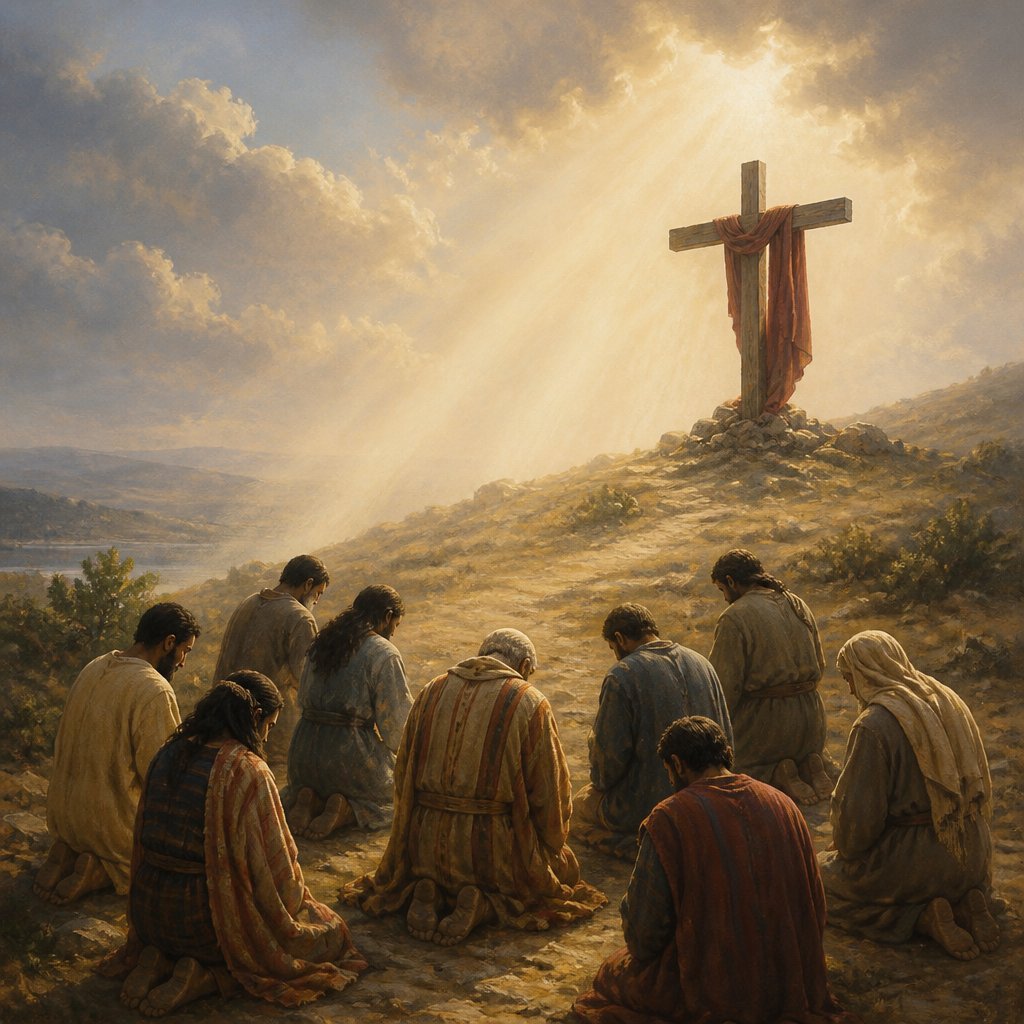
Romans 3:23-25 in the King James Version of the Bible states, "For all have sinned, and come short of the glory of God; Being justified freely by his grace through the redemption that is in Christ Jesus: Whom God hath set forth to be a propitiation through faith in his blood, to declare his righteousness for the remission of sins that are past, through the forbearance of God."
This passage from the Book of Romans addresses the universal reality of sin and the solution provided by God for the reconciliation and redemption of humanity. It begins with a sobering acknowledgment that "all have sinned, and come short of the glory of God." This simple statement encapsulates the sinful condition of every individual, emphasizing the universality of sin and the inability of mankind to attain God's perfection on their own. In acknowledging this truth, the passage sets the stage for the proclamation of the good news of salvation that follows.
The following verse speaks of the remedy for this universal human condition of sin. It speaks of humanity being "justified freely by his grace through the redemption that is in Christ Jesus." The word "justified" indicates that through the sacrifice of Jesus Christ, believers are declared righteous in the sight of God, despite their sinfulness. This justification does not come by human effort or merit, but is a result of God's grace and the work of Christ on the cross. This grace, freely given to sinners, demonstrates God's love and mercy toward humanity.
The passage then elaborates further on the redemptive work of Christ, describing Him as "a propitiation through faith in his blood, to declare his righteousness for the remission of sins." The term "propitiation" carries the idea of appeasement or satisfaction of God's righteous wrath towards sin. Through His sacrificial death, Jesus satisfied the demands of God's justice, providing the means by which humanity can be reconciled to God. This reconciliation is achieved through faith in the atoning work of Christ, and results in the forgiveness of sins – the remission of sins that are past – and the restoration of a right relationship with God.
The passage also highlights the forbearance of God, who in His patience and long-suffering, withheld judgment and punishment for sin in the past. Instead of immediately executing the full penalty for sin, God extended His mercy, providing an opportunity for repentance and reconciliation through the redemptive work of Christ.
In this passage, one can discern several significant themes that are central to the Christian faith. One of the key themes is the universality of sin. The verse unequivocally states that "all have sinned," making no exceptions or distinctions based on status, ethnicity, or background. This highlights the impartiality of God's judgment and the common predicament of humanity in its fallen state.
Another theme that emerges is the concept of grace and redemption. The passage emphasizes that justification and redemption are not earned through human effort or good deeds, but are freely given by God as an expression of His grace. This underscores the unmerited favor of God towards sinners and the foundational role of Christ's atoning sacrifice in securing the salvation of believers.
Furthermore, the passage underscores the importance of faith in the redemptive work of Christ. It is through faith in His shed blood that believers partake in the justification and reconciliation provided by God. This underscores the centrality of faith as the means by which individuals appropriate the benefits of Christ's sacrifice and are reconciled to God.
Symbolism is also present in this passage, particularly in the imagery of Christ as a propitiation through His blood. The blood of Christ is a powerful symbol of the sacrificial nature of His death, and its efficacy in securing forgiveness and atonement for sin. This imagery harkens back to the Old Testament sacrificial system, where the shedding of blood was central to the remission of sins and the appeasement of God's wrath. The passage signifies that Christ's death fulfills and surpasses the typological sacrifices of the Old Testament, serving as the ultimate and perfect atonement for sin.
In conclusion, Romans 3:23-25 eloquently articulates the essential truths of Christian theology – the universal reality of sin, the gracious provision of redemption through Christ, the necessity of faith in His atoning work, and the symbol of His sacrificial death. It is a powerful declaration of God's love, mercy, and justice, and a testament to the foundational principles of the Christian faith. This passage continues to resonate with believers as a source of comfort, assurance, and hope in the midst of their sinfulness, pointing them to the redemptive work of Christ as the only means of reconciliation with God.
Get our apps


Artwork for Romans 3:23-25

Romans 3:23-25 - "For all have sinned, and come short of the glory of God; Being justified freely by his grace through the redemption that is in Christ Jesus: Whom God hath set forth to be a propitiation through faith in his blood, to declare his righteousness for the remission of sins that are past, through the forbearance of God;"
"For all have sinned, and come short of the glory of God; Being justified freely by his grace through the redemption that is in Christ Jesus: Whom God hath set forth to be a propitiation through faith in his blood, to declare his righteousness for the remission of sins that are past, through the forbearance of God;" - Romans 3:23-25

Romans 3:23 - "For all have sinned, and come short of the glory of God;"

"For all have sinned, and come short of the glory of God;" - Romans 3:23

Romans 3:25 - "Whom God hath set forth to be a propitiation through faith in his blood, to declare his righteousness for the remission of sins that are past, through the forbearance of God;"

Romans 3:23-24 - "For all have sinned, and come short of the glory of God; Being justified freely by his grace through the redemption that is in Christ Jesus."

Romans 3:22-23 - "This righteousness is given through faith in Jesus Christ to all who believe. There is no difference between Jew and Gentile, for all have sinned and fall short of the glory of God."

"And he wrote a letter after this manner:" - Acts 23:25

Romans 6:23

Romans 6:23

Romans 11:25-32

Romans 15:25 - "But now I go unto Jerusalem to minister unto the saints."

Romans 8:25 - "But if we hope for that we see not, then do we with patience wait for it."

Romans 4:25 - "Who was delivered for our offences, and was raised again for our justification."

Romans 4:23 - "Now it was not written for his sake alone, that it was imputed to him;"

Matthew 25:23

Romans 3:24-25 - "and all are justified freely by his grace through the redemption that came by Christ Jesus. God presented Christ as a sacrifice of atonement, through the shedding of his blood—to be received by faith. He did this to demonstrate his righteousness, because in his forbearance he had left the sins committed beforehand unpunished."

Matthew 25:23

Genesis 25-23

Romans 4:3

"For all have sinned, and come short of the glory of God; Being justified freely by his grace through the redemption that is in Christ Jesus." - Romans 3:23-24

Romans 3:24

Romans 3:16 - "Destruction and misery are in their ways:"

Romans 2:23 - "Thou that makest thy boast of the law, through breaking the law dishonourest thou God?"

Romans 11:23 - "And they also, if they abide not still in unbelief, shall be graffed in: for God is able to graff them in again."

Romans 2:25 - "For circumcision verily profiteth, if thou keep the law: but if thou be a breaker of the law, thy circumcision is made uncircumcision."

Acts 23:25 - "And he wrote a letter after this manner:"
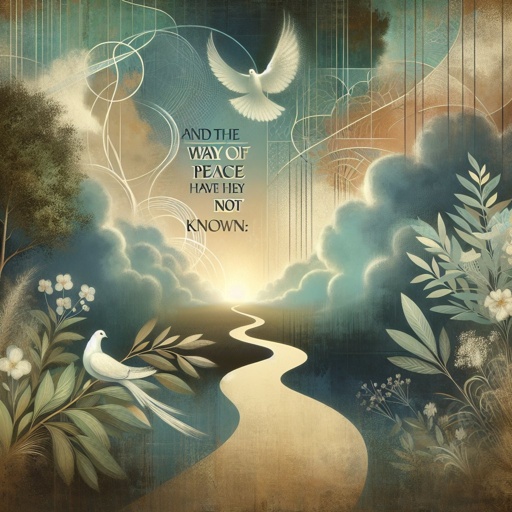
Romans 3:17 - "And the way of peace have they not known:"

Romans 6:23 - "For the wages of sin is death; but the gift of God is eternal life through Jesus Christ our Lord."

2 Samuel 23:25 - "Shammah the Harodite, Elika the Harodite,"