What does Romans 4:10 mean?
“How was it then reckoned? when he was in circumcision, or in uncircumcision? Not in circumcision, but in uncircumcision.” — Romans 4:10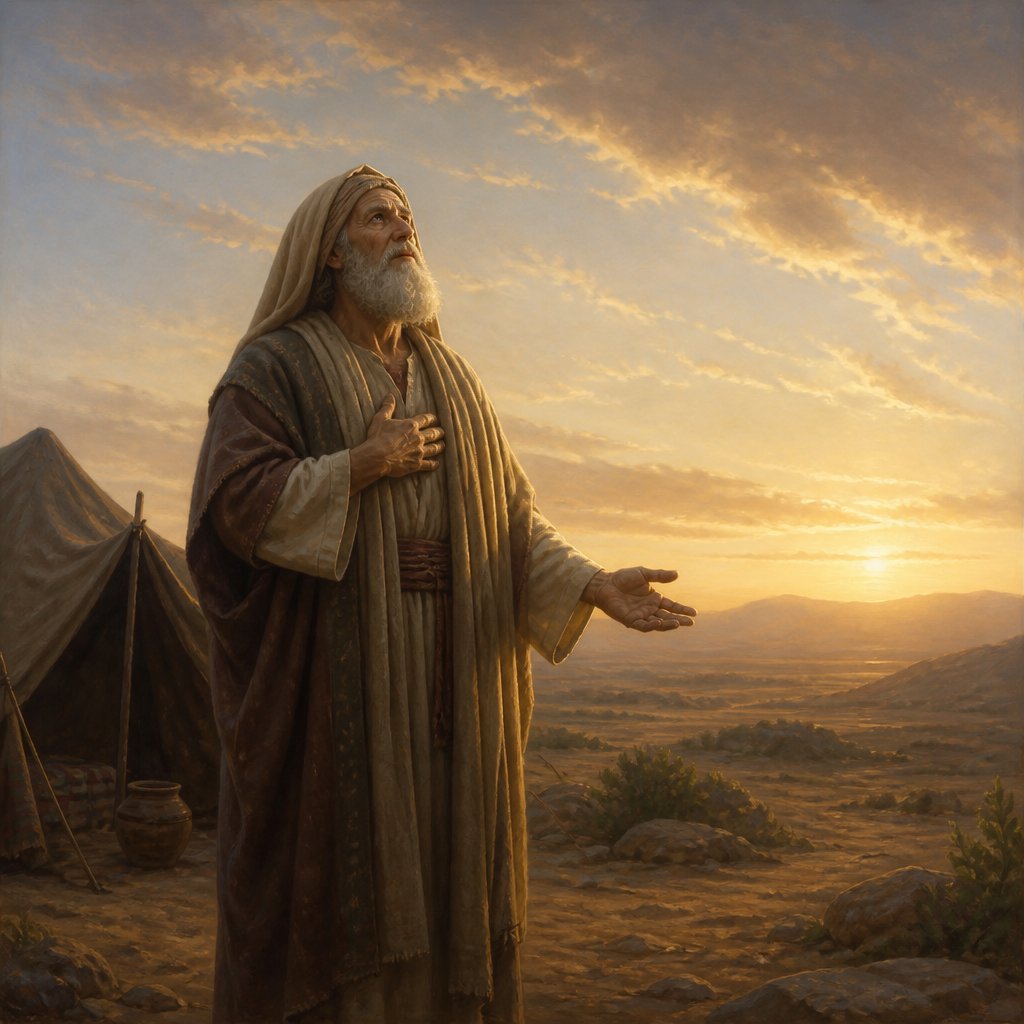
Romans 4:10 (KJV) – "How was it then reckoned? when he was in circumcision, or in uncircumcision? Not in circumcision, but in uncircumcision."
In this verse, the apostle Paul is continuing his argument about the nature of faith and its relationship to justification before God. He refers to the example of Abraham, the father of the Jewish people, and stresses the fact that Abraham was declared righteous by God long before he was circumcised. In doing so, Paul is challenging the Jewish Christians who believed that adherence to the law, particularly the rite of circumcision, was necessary for salvation.
To fully understand the significance of this verse, it is important to consider its context within the larger passage. In Romans 4, Paul is addressing the issue of justification by faith and contrasting it with justification by works of the law. He presents Abraham as a prime example of someone who was justified by faith, rather than by his obedience to a set of rules or rituals.
The theme of justification by faith is central to the book of Romans, and indeed, to the Christian faith as a whole. Paul's argument is that faith, not works, is the means by which an individual is declared righteous before God. This is a fundamental aspect of Paul's theology, and it runs counter to the legalistic tendencies of some Jewish Christians who sought to impose the requirements of the Mosaic law on Gentile believers.
The specific mention of circumcision in this verse is significant for a number of reasons. In the context of the Jewish religion, circumcision was a crucial sign of the covenant between God and the Jewish people, and it was considered an essential rite for all male members of the community. However, Paul argues that Abraham's justification occurred before he was circumcised, emphasizing that it was his faith that made him righteous in God's eyes, not his observance of the law.
Furthermore, Paul's reference to circumcision serves as a broader metaphor for the distinction between outward actions and inner faith. He is making the point that true righteousness comes from the heart, from a genuine and living relationship with God, and not simply from adherence to external religious practices.
The verse also highlights the universal nature of justification by faith. By emphasizing that Abraham's faith preceded his circumcision, Paul is demonstrating that justification is not limited to those who observe the rituals and customs of a particular religious tradition. Rather, it is a truth that extends to all who believe, regardless of their background or religious heritage.
In addition to its theological implications, this verse has important practical implications for the early Christian community and for believers today. It is a reminder that our status before God is not determined by outward religious observance, but by our inner disposition of faith and trust in God's grace. This has implications for the way we understand our relationship with God and with one another, and it challenges us to prioritize the inward reality of faith over external religious formalities.
In conclusion, Romans 4:10 is a pivotal verse in the biblical discussion of faith, works, and justification. It addresses important theological and practical concerns, and its message remains relevant for believers today. The verse invites us to consider the true nature of righteousness and to recognize that it is based on faith in God, rather than on our own efforts or adherence to external religious customs.
Get our apps


Artwork for Romans 4:10

Romans 4:10 - "How was it then reckoned? when he was in circumcision, or in uncircumcision? Not in circumcision, but in uncircumcision."
"How was it then reckoned? when he was in circumcision, or in uncircumcision? Not in circumcision, but in uncircumcision." - Romans 4:10

Romans 10:4 - "For Christ is the end of the law for righteousness to every one that believeth."

Romans 10:4 For Christ is the end of the law for righteousness to everyone who believes.
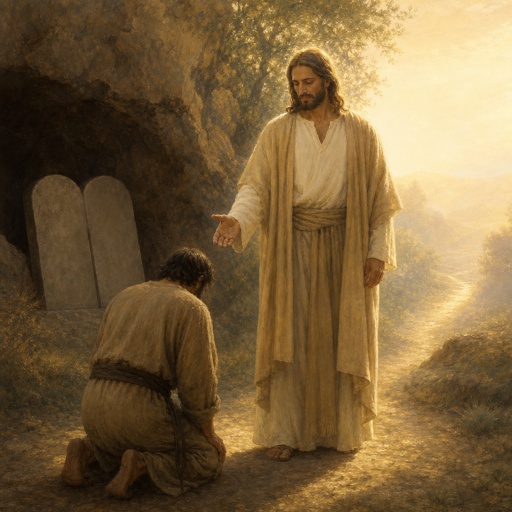
"For Christ is the end of the law for righteousness to every one that believeth." - Romans 10:4

Romans 10

Romans 10:17

Romans 10:17

Romans 10:17

Romans 10:17

Romans 10:17

Romans 10:17

Romans 10:17

Romans 10:14

Romans 10:17

Romans 10:9

Romans 10:9

Romans 10:13-15

Romans 10:10 - "For with the heart man believeth unto righteousness; and with the mouth confession is made unto salvation."

Romans 2:4

Romans 4:3

Romans 4:4 - "Now to him that worketh is the reward not reckoned of grace, but of debt."

Romans 3:10 - "As it is written, There is none righteous, no, not one:"
Romans 15:4-6
romans 12: 4-5

Romans 5:4 - "And patience, experience; and experience, hope:"

Romans 4:22 - "And therefore it was imputed to him for righteousness."

Romans 10:11 - "For the scripture saith, Whosoever believeth on him shall not be ashamed."

Romans 10:17 - "So then faith cometh by hearing, and hearing by the word of God."

Romans 7:10 - "And the commandment, which was ordained to life, I found to be unto death."