What does Romans 4:14 mean?
“For if they which are of the law be heirs, faith is made void, and the promise made of none effect:” — Romans 4:14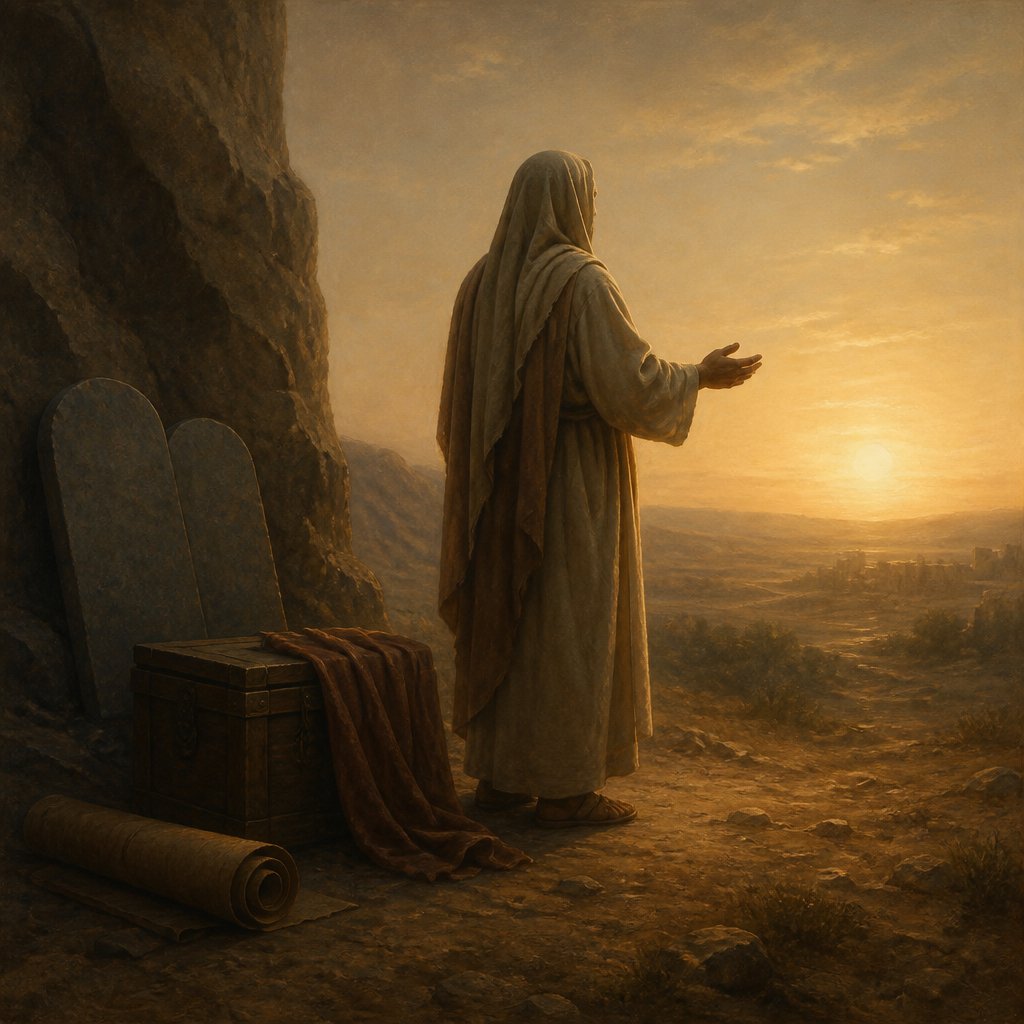
Romans 4:14 (KJV) says, "For if they which are of the law be heirs, faith is made void, and the promise made of none effect."
This verse is part of a larger passage in which the apostle Paul is discussing the concept of faith and its role in the life of a believer. In the broader context, Paul is using the example of Abraham to demonstrate that righteousness comes not from the law, but from faith in God. He points out that even before the law was given, Abraham believed in God's promises and his faith was accounted to him as righteousness (Romans 4:3).
In this specific verse, Paul is addressing the relationship between faith and the law. He is making the point that if righteousness were based on the law, then faith would be unnecessary and the promises of God would be nullified. The implication is that the law, with its focus on obedience and adherence to rules, cannot bring about the justification that comes through faith. This is a key theme in Paul's writings, as he consistently emphasizes the need for faith in Jesus Christ as the means of salvation, rather than relying on adherence to the Mosaic law.
One of the central themes in the book of Romans and indeed in the wider context of the New Testament is the tension between law and faith. The Jewish people had placed great importance on the law as a means of righteousness, but Paul argues that this approach is insufficient. He asserts that it is faith in Christ, not the works of the law, that brings about salvation. This is a radical departure from traditional Jewish thinking, and it was a message that Paul had to defend and explain throughout his ministry.
The implications of this verse are profound for believers. It underscores the idea that our standing before God is not based on our ability to keep the law, but on our faith in Christ. This has significant implications for how Christians understand their relationship with God and with others. It suggests that our value and worth do not come from our own efforts to be good, but from our trust in the promises of God.
The symbolism in this verse lies in the contrast between law and faith. The law represents human effort and striving to meet a standard of righteousness, while faith represents trust in God's character and promises. The two are presented as incompatible in this passage, with Paul making the case that faith in Christ supersedes the need for adherence to the law.
In conclusion, Romans 4:14 is a powerful verse that highlights the central theme of faith versus law in the Christian life. It serves as a reminder that our righteousness comes not from our own efforts, but from our trust in the promises of God. This message was radical in the context of Paul's audience, and it continues to challenge and inspire believers today. The verse encourages us to place our trust in Christ, rather than relying on our own abilities to be righteous before God.
Get our apps


Artwork for Romans 4:14

Romans 4:14 - "For if they which are of the law be heirs, faith is made void, and the promise made of none effect:"
"For if they which are of the law be heirs, faith is made void, and the promise made of none effect:" - Romans 4:14
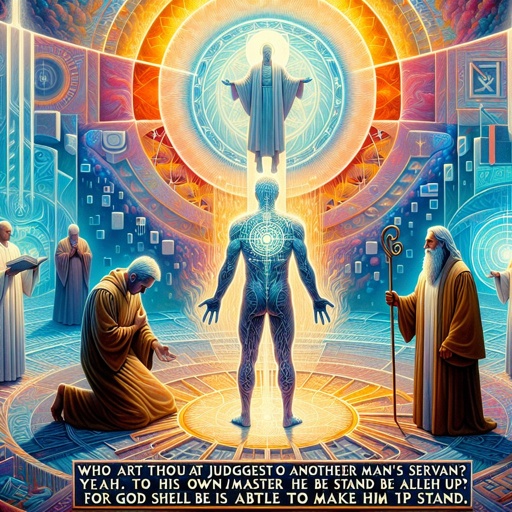
Romans 14:4 - "Who art thou that judgest another man's servant? to his own master he standeth or falleth. Yea, he shall be holden up: for God is able to make him stand."

Romans 4:13-14 - "For the promise to Abraham and his offspring that he would be heir of the world did not come through the law but through the righteousness of faith. For if it is the adherents of the law who are to be the heirs, faith is null and the promise is void."

Romans 14:12

Romans 8:14

Romans 10:14

Romans 2:4

Romans 4:3

Romans 14:16 - "Let not then your good be evil spoken of:"

Romans 3:14 - "Whose mouth is full of cursing and bitterness:"

Romans 4:4 - "Now to him that worketh is the reward not reckoned of grace, but of debt."

Romans 8:14 - "For as many as are led by the Spirit of God, they are the sons of God."

Romans 14:7 - "For none of us liveth to himself, and no man dieth to himself."

depict the theme of Romans 13:8-14
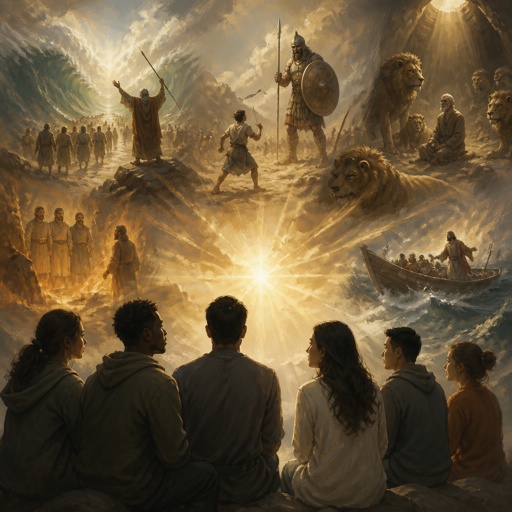
Romans 15:4-6
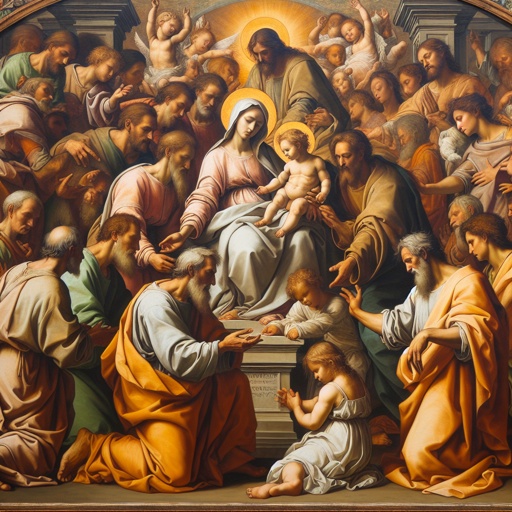
romans 12: 4-5

Romans 14:1 - "Him that is weak in the faith receive ye, but not to doubtful disputations."

Romans 12:14 - "Bless them which persecute you: bless, and curse not."

Romans 9:14 - "What shall we say then? Is there unrighteousness with God? God forbid."

Romans 14:18 - "For he that in these things serveth Christ is acceptable to God, and approved of men."

Romans 5:4 - "And patience, experience; and experience, hope:"

Romans 14:14 - "I know, and am persuaded by the Lord Jesus, that there is nothing unclean of itself: but to him that esteemeth any thing to be unclean, to him it is unclean."

Romans 4:22 - "And therefore it was imputed to him for righteousness."

Romans 14:12 - "So then every one of us shall give account of himself to God."

Romans 1:14 - "I am debtor both to the Greeks, and to the Barbarians; both to the wise, and to the unwise."

Romans 16:14 - "Salute Asyncritus, Phlegon, Hermas, Patrobas, Hermes, and the brethren which are with them."

Romans 14:17 - "For the kingdom of God is not meat and drink; but righteousness, and peace, and joy in the Holy Ghost."

Romans 7:14 - "For we know that the law is spiritual: but I am carnal, sold under sin."

Romans 4:8 - "Blessed is the man to whom the Lord will not impute sin."