What does Romans 5:7 mean?
“For scarcely for a righteous man will one die: yet peradventure for a good man some would even dare to die.” — Romans 5:7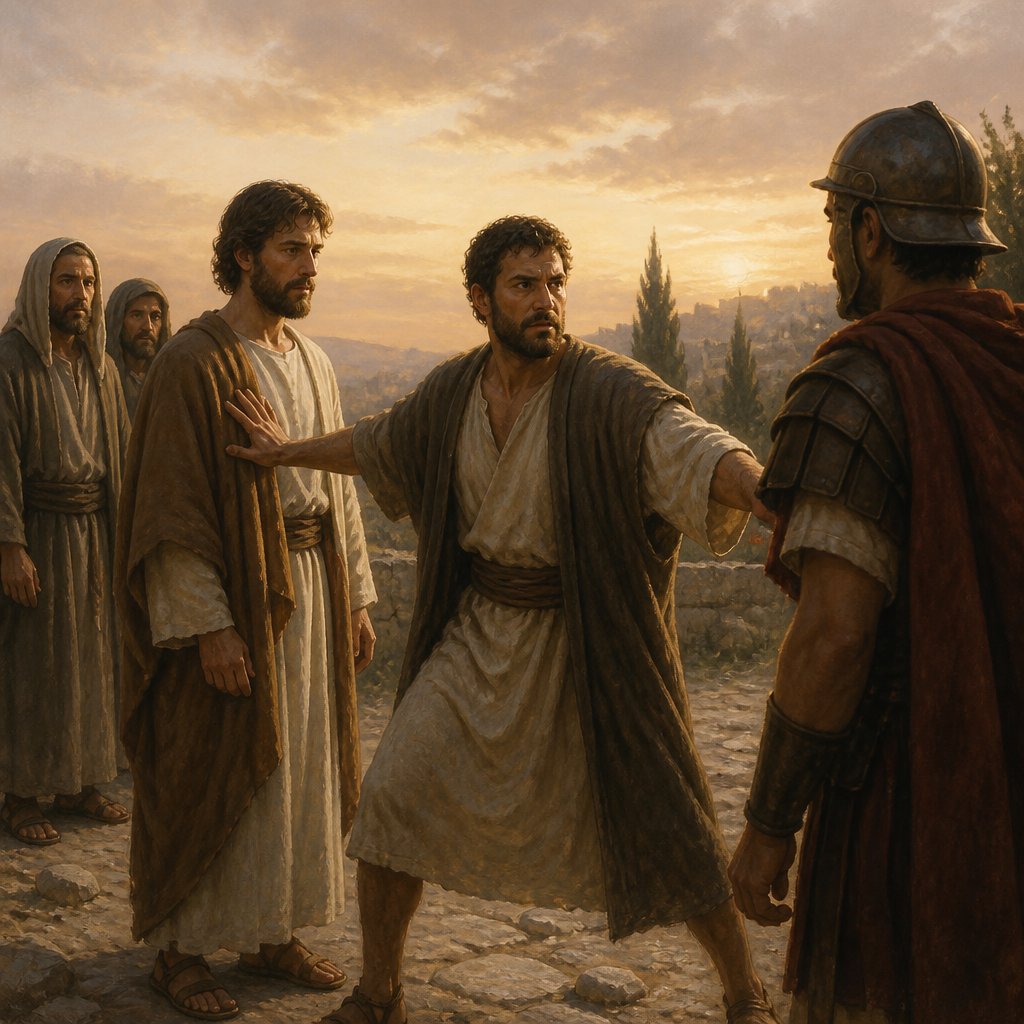
Romans 5:7 KJV – “For scarcely for a righteous man will one die: yet peradventure for a good man some would even dare to die.”
This verse from the Book of Romans in the King James Version of the Bible carries significant weight and depth in its meaning and commentary. The verse speaks to the sacrificial nature of love and the selfless act of giving one's life for another. It also delves into the human condition, exploring the concepts of righteousness and goodness.
The context of this verse is important to understanding its meaning. In the preceding verses, the apostle Paul discusses the concept of justification through faith. He explains that God's love for humanity is displayed through the sacrifice of Jesus Christ, who died for the ungodly. Paul emphasizes the incredible act of love that was displayed through Christ's death on the cross, stating that it is rare for someone to die for a righteous or good person, and yet Christ died for all, regardless of their righteousness.
The overarching theme of this verse is the sacrificial nature of love. In the Roman society at the time of Paul's writing, it was uncommon for someone to lay down their life for another person, especially for someone who was considered unworthy or unrighteous. However, Paul uses this cultural context to highlight the incredible love and sacrifice of Jesus Christ, who gave his life for all humanity, regardless of their moral standing.
Another theme that emerges from this verse is the concept of righteousness and goodness. Paul draws a distinction between a righteous person and a good person, suggesting that there is a difference in their moral standing. He implies that it is rare for someone to die for a righteous person, but perhaps some would dare to die for a good person. This distinction raises questions about the nature of righteousness and goodness and their relationship to the capacity for sacrificial love.
The symbolism in this verse is powerful and profound. The act of laying down one's life for another person is considered one of the most selfless and noble acts of love. In the Christian faith, Jesus Christ's sacrifice on the cross is seen as the ultimate symbol of love and redemption. By using the imagery of sacrificing one's life, Paul emphasizes the magnitude of Christ's love for humanity and the unparalleled nature of his sacrifice.
Furthermore, the distinction between a righteous person and a good person invites introspection and self-examination. It prompts the reader to consider the nature of their own righteousness or goodness and how it relates to their capacity for sacrificial love. It also raises questions about the moral obligations we have towards others and the willingness to offer ourselves for the sake of others.
In conclusion, Romans 5:7 in the King James Version of the Bible presents a deep and profound commentary on the sacrificial nature of love, the distinctions between righteousness and goodness, and the ultimate symbol of love and redemption in the sacrifice of Jesus Christ. The verse challenges believers to reflect on their own capacity for sacrificial love and to consider the incredible display of love and grace shown through Christ's death on the cross. It serves as a reminder of the transformative power of love and the selflessness that is at the heart of the Christian faith.
Get our apps


Artwork for Romans 5:7

Romans 5:7 - "For scarcely for a righteous man will one die: yet peradventure for a good man some would even dare to die."
"For scarcely for a righteous man will one die: yet peradventure for a good man some would even dare to die." - Romans 5:7
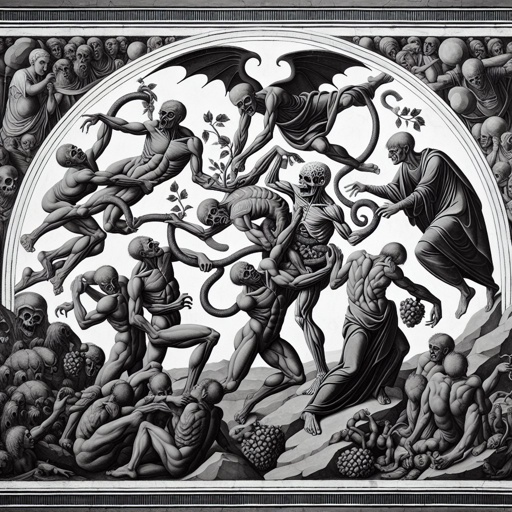
Romans 7:5 - "For when we were in the flesh, the motions of sins, which were by the law, did work in our members to bring forth fruit unto death."

Romans 5:1

Romans 5:19

Romans 5:8

Romans 5:8

Romans 5:8

Romans 5:19

Romans 7:19

Romans 7:12

Romans 5: 1-11

Romans 5: 1-11
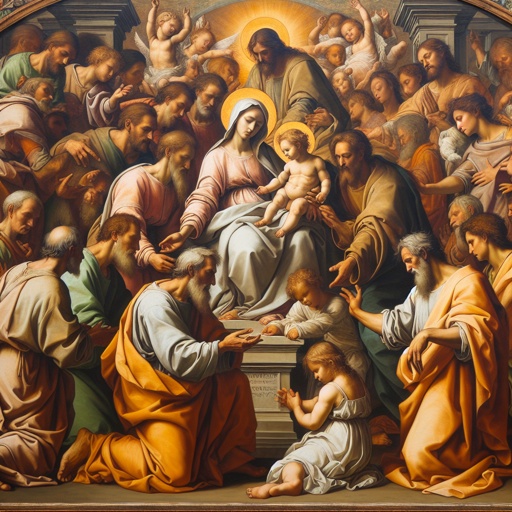
romans 12: 4-5

Romans 5:4 - "And patience, experience; and experience, hope:"

Romans 6:7 - "For he that is dead is freed from sin."

Romans 7:12 - "Wherefore the law is holy, and the commandment holy, and just, and good."

Romans 14:7 - "For none of us liveth to himself, and no man dieth to himself."

Romans 7:17 - "Now then it is no more I that do it, but sin that dwelleth in me."

Romans 7:22 - "For I delight in the law of God after the inward man:"

Romans 5:5 - "And hope maketh not ashamed; because the love of God is shed abroad in our hearts by the Holy Ghost which is given unto us."

Romans 7:10 - "And the commandment, which was ordained to life, I found to be unto death."

Romans 4:7 - "Saying, Blessed are they whose iniquities are forgiven, and whose sins are covered."

Romans 5:13 - "(For until the law sin was in the world: but sin is not imputed when there is no law."

Romans 7:11 - "For sin, taking occasion by the commandment, deceived me, and by it slew me."

Romans 11:5 - "Even so then at this present time also there is a remnant according to the election of grace."

"And patience, experience; and experience, hope:" - Romans 5:4
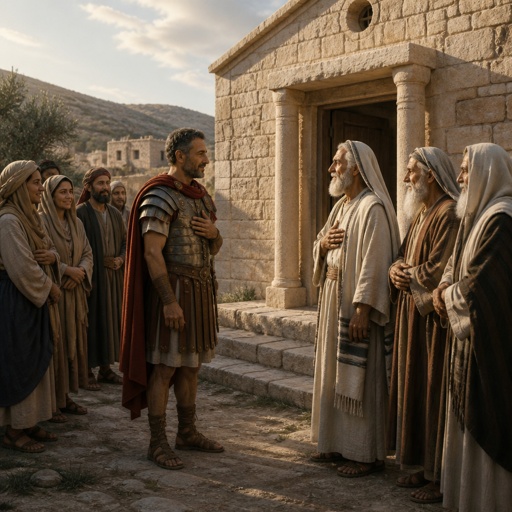
"For he loveth our nation, and he hath built us a synagogue." - Luke 7:5

Romans 12:7 - "Or ministry, let us wait on our ministering: or he that teacheth, on teaching;"
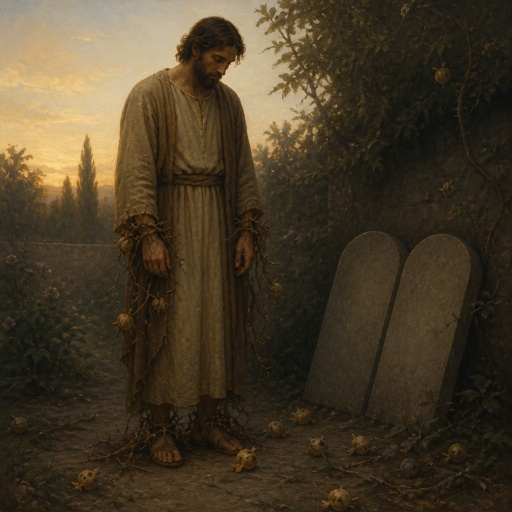
"For when we were in the flesh, the motions of sins, which were by the law, did work in our members to bring forth fruit unto death." - Romans 7:5