What does Romans 7:10 mean?
“And the commandment, which was ordained to life, I found to be unto death.” — Romans 7:10
Romans 7:10 in the King James Version (KJV) of the Bible reads, "And the commandment, which was ordained to life, I found to be unto death." This verse is part of a larger passage in which the apostle Paul is discussing the struggle between the flesh and the spirit, the law and grace, and the consequences of sin.
In this particular verse, Paul is reflecting on the commandment, which was given to lead to life, but ultimately led to death. This statement is a powerful and poignant expression of the law's inability to save us from sin and death. The commandments of God were given to show us the way to live in righteousness and obedience to Him. However, because of the sinful nature of humanity, the law only serves to highlight our disobedience and ultimately bring about our spiritual death and separation from God.
The broader context of this verse is important for understanding its significance. In the preceding verses, Paul explains how the law reveals sin in our lives, but it does not provide the power to overcome it. He speaks of the internal struggle between the desire to do what is right and the inability to carry it out. This inner conflict is a universal experience of humanity, and Paul's words resonate deeply with those who have grappled with their own shortcomings and failures.
The themes present in Romans 7:10 reach to the heart of the Christian faith and speak to the fundamental nature of human existence. The verse addresses the tension between obedience and disobedience, the struggle to live in accordance with God's commandments, and the realization of our own sinful nature. It is a reminder of the universal human experience of falling short of God's standards and the need for His grace and mercy.
The significance of this verse is further elucidated through its connection to other biblical themes and passages. Throughout the New Testament, there is a consistent emphasis on the inability of the law to save or justify mankind. Paul himself expounds on this in his letter to the Galatians, where he contrasts the law with faith in Jesus Christ as the means of salvation. In Romans 3:23, he states, "For all have sinned and fall short of the glory of God," underscoring the universal need for redemption.
Symbolically, the commandment mentioned in Romans 7:10 represents the law of God, which is holy, righteous, and good (Romans 7:12). However, the inability of the law to bring life highlights the need for a Savior who can fulfill its requirements on our behalf. Jesus Christ is the fulfillment of the law, and through His death and resurrection, He provides the way to eternal life for those who believe in Him.
The depth of meaning in Romans 7:10 speaks to the core of the Christian message. It acknowledges the insufficiency of human effort to earn salvation and points to the redemptive work of Christ as the only solution to the problem of sin and death. The verse serves as a powerful reminder of the transformative power of God's grace and the need for a Savior. It encourages believers to rely on Christ for salvation and to live in obedience to Him out of gratitude for what He has done.
In conclusion, Romans 7:10 in the King James Version of the Bible encapsulates profound theological truths about the human condition, the nature of the law, and the redemptive work of Jesus Christ. It is a reflection on the tension between the commandments of God and the reality of our sinful nature, ultimately pointing to the need for a Savior. This verse serves as a poignant reminder of the limitations of the law and the surpassing power of God's grace and mercy.
Get our apps


Artwork for Romans 7:10

Romans 7:10 - "And the commandment, which was ordained to life, I found to be unto death."

"And the commandment, which was ordained to life, I found to be unto death." - Romans 7:10

Romans 10:7 - "Or, Who shall descend into the deep? (that is, to bring up Christ again from the dead.)"

Combine the authority theme described in Romans 13:1-7 and Revelation 13:1-10.

Show the Divine Order seen in Romans 131:7 with the Beastly Rule seen in Revelation 13:1-10.

Show the Divine Order seen in Romans 131:7 with the Beastly Rule seen in Revelation 13:1-10.

Show the Divine Order seen in Romans 131:7 with the Beastly Rule seen in Revelation 13:1-10.

Show the Divine Order seen in Romans 131:7 with the Beastly Rule seen in Revelation 13:1-10.
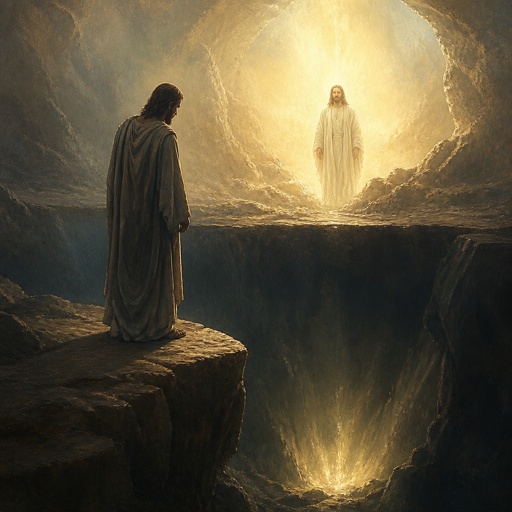
"Or, Who shall descend into the deep? (that is, to bring up Christ again from the dead.)" - Romans 10:7

Show the Divine Order of government authority seen in Romans 131:7 contrasted with the Beastly Rule faced in Revelation 13:1-10.

Romans 10

Romans 10:17

Romans 10:17

Romans 10:17

Romans 10:17

Romans 10:17

Romans 10:17

Romans 10:17

Romans 10:14

Romans 10:17

Romans 10:9

Romans 10:9

Romans 7:19

Romans 7:12

Romans 10:13-15

Romans 10:10 - "For with the heart man believeth unto righteousness; and with the mouth confession is made unto salvation."

Romans 3:10 - "As it is written, There is none righteous, no, not one:"

Romans 6:7 - "For he that is dead is freed from sin."

Romans 10:4 - "For Christ is the end of the law for righteousness to every one that believeth."

Romans 10:11 - "For the scripture saith, Whosoever believeth on him shall not be ashamed."