What does Romans 7:14 mean?
“For we know that the law is spiritual: but I am carnal, sold under sin.” — Romans 7:14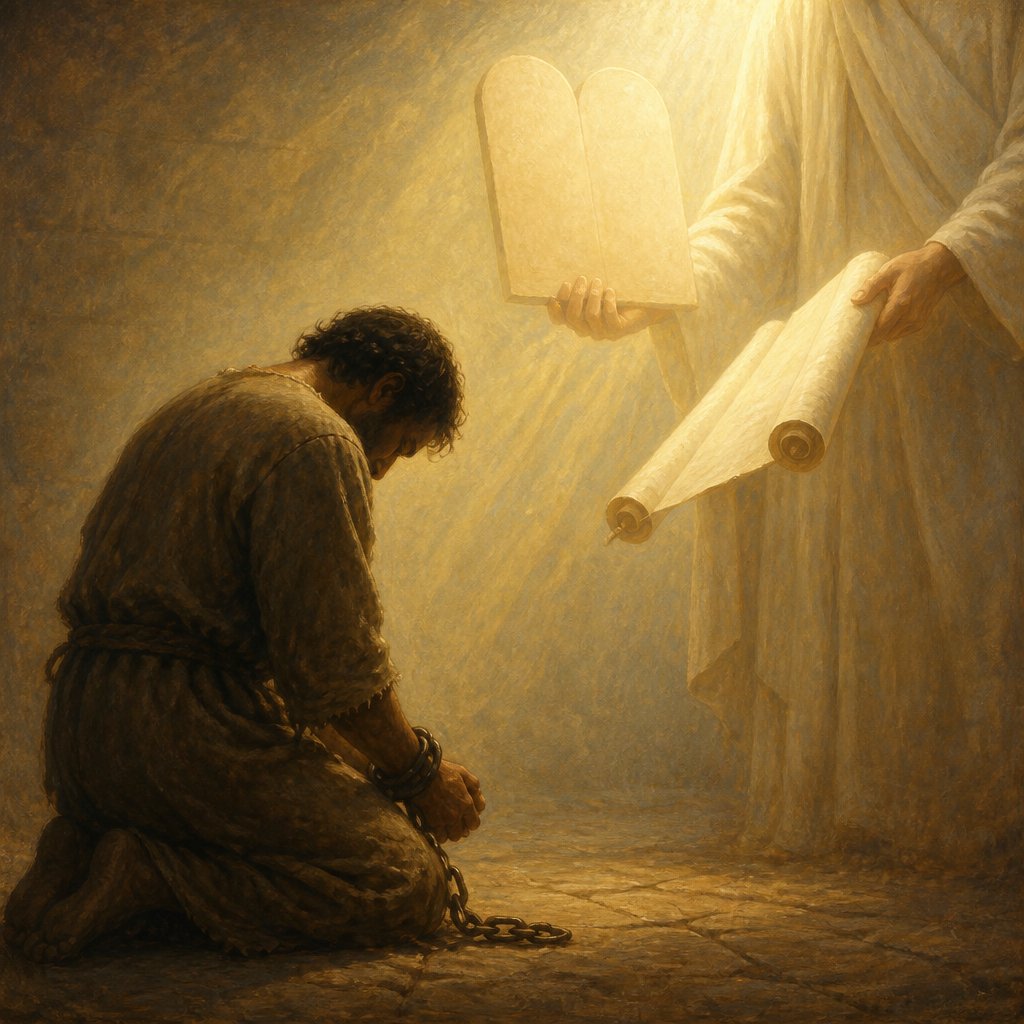
Romans 7:14 in the King James Version (KJV) of the Bible states, "For we know that the law is spiritual: but I am carnal, sold under sin." This verse is part of a larger passage in which the apostle Paul discusses the struggle between the sinful nature of human beings and their desire to follow God's law.
In order to fully understand the meaning and significance of this verse, it is important to consider its context within the larger book of Romans. Paul wrote this letter to the Christians in Rome, addressing theological and practical issues related to the Christian faith. In the verses leading up to Romans 7:14, Paul discusses the relationship between the law and sin, emphasizing the power of sin to bring about death, and the inability of the law to save people from sin. As the verse in question suggests, Paul is acknowledging the spiritual nature of the law, but he is also acknowledging his own human failings and susceptibility to sin.
When Paul says, "For we know that the law is spiritual," he is affirming the divine origin and nature of the law. The law, as given by God to the Israelites, reflects His character and His will for His people. The law is meant to guide and instruct, and to reveal the holiness and righteousness of God. However, in the second part of the verse when Paul says, "but I am carnal, sold under sin," he is acknowledging his own human nature. The word "carnal" refers to the sinful nature of humanity, which is in direct contrast to the spiritual nature of the law. Paul recognizes that despite his best efforts, he is still subject to the influence of sin.
The tension between the spiritual nature of the law and the sinful nature of humanity is a recurring theme in the book of Romans. Throughout the letter, Paul emphasizes the universality of sin and the need for salvation. In Romans 3:23, he writes, "For all have sinned, and come short of the glory of God." This universal condition of sinfulness is what makes the law powerless to save people. Paul's admission of his own sinfulness in Romans 7:14 is a reflection of this larger theological understanding.
The verse also speaks to the human experience of struggling with sin and the desire to do what is right. This struggle is something that Paul addresses in his personal testimony in Romans 7:15-25, where he laments the conflict between his desire to do good and his inability to carry it out. This inner turmoil is a common experience for believers, as they navigate the tension between their new identity in Christ and the lingering effects of sin in their lives.
Symbolism is also present in this verse, as Paul uses the contrast between the spiritual nature of the law and the carnal nature of humanity to highlight the inherent tension between the two. This tension serves to underscore the need for a savior, who can bridge the gap between humanity and the law. Ultimately, this verse points to the redemptive work of Jesus Christ, who offers freedom from the power of sin and the ability to fulfill the righteous requirements of the law.
In conclusion, Romans 7:14 in the King James Version of the Bible captures the ongoing struggle between the spiritual nature of God's law and the sinful nature of humanity. It underscores the universal condition of sinfulness and the need for salvation, while also acknowledging the personal struggle that believers face in trying to live according to God's standards. Ultimately, the verse points to the redemptive work of Jesus Christ as the solution to the tension between the spiritual law and the carnal nature of humanity.
Get our apps


Artwork for Romans 7:14

Romans 7:14 - "For we know that the law is spiritual: but I am carnal, sold under sin."

"For we know that the law is spiritual: but I am carnal, sold under sin." - Romans 7:14

Romans 14:7 - "For none of us liveth to himself, and no man dieth to himself."

"For none of us liveth to himself, and no man dieth to himself." - Romans 14:7

Romans 14:7-8 - "For none of us lives to himself, and no one dies to himself. For if we live, we live to the Lord; and if we die, we die to the Lord. Therefore, whether we live or die, we are the Lord’s."

Romans 14:12

Romans 8:14

Romans 10:14

Romans 7:19

Romans 7:12

Romans 3:14 - "Whose mouth is full of cursing and bitterness:"

Romans 14:16 - "Let not then your good be evil spoken of:"

Romans 8:14 - "For as many as are led by the Spirit of God, they are the sons of God."

depict the theme of Romans 13:8-14

Romans 6:7 - "For he that is dead is freed from sin."

Romans 14:1 - "Him that is weak in the faith receive ye, but not to doubtful disputations."

Romans 12:14 - "Bless them which persecute you: bless, and curse not."

Romans 9:14 - "What shall we say then? Is there unrighteousness with God? God forbid."

Romans 14:18 - "For he that in these things serveth Christ is acceptable to God, and approved of men."

Romans 14:14 - "I know, and am persuaded by the Lord Jesus, that there is nothing unclean of itself: but to him that esteemeth any thing to be unclean, to him it is unclean."

Romans 14:12 - "So then every one of us shall give account of himself to God."

Romans 1:14 - "I am debtor both to the Greeks, and to the Barbarians; both to the wise, and to the unwise."

Romans 7:12 - "Wherefore the law is holy, and the commandment holy, and just, and good."

Romans 7:17 - "Now then it is no more I that do it, but sin that dwelleth in me."

Romans 14:17 - "For the kingdom of God is not meat and drink; but righteousness, and peace, and joy in the Holy Ghost."

Romans 16:14 - "Salute Asyncritus, Phlegon, Hermas, Patrobas, Hermes, and the brethren which are with them."

Romans 4:14 - "For if they which are of the law be heirs, faith is made void, and the promise made of none effect:"

Romans 7:22 - "For I delight in the law of God after the inward man:"

Romans 7:10 - "And the commandment, which was ordained to life, I found to be unto death."

Romans 4:7 - "Saying, Blessed are they whose iniquities are forgiven, and whose sins are covered."