What does Romans 7:5 mean?
“For when we were in the flesh, the motions of sins, which were by the law, did work in our members to bring forth fruit unto death.” — Romans 7:5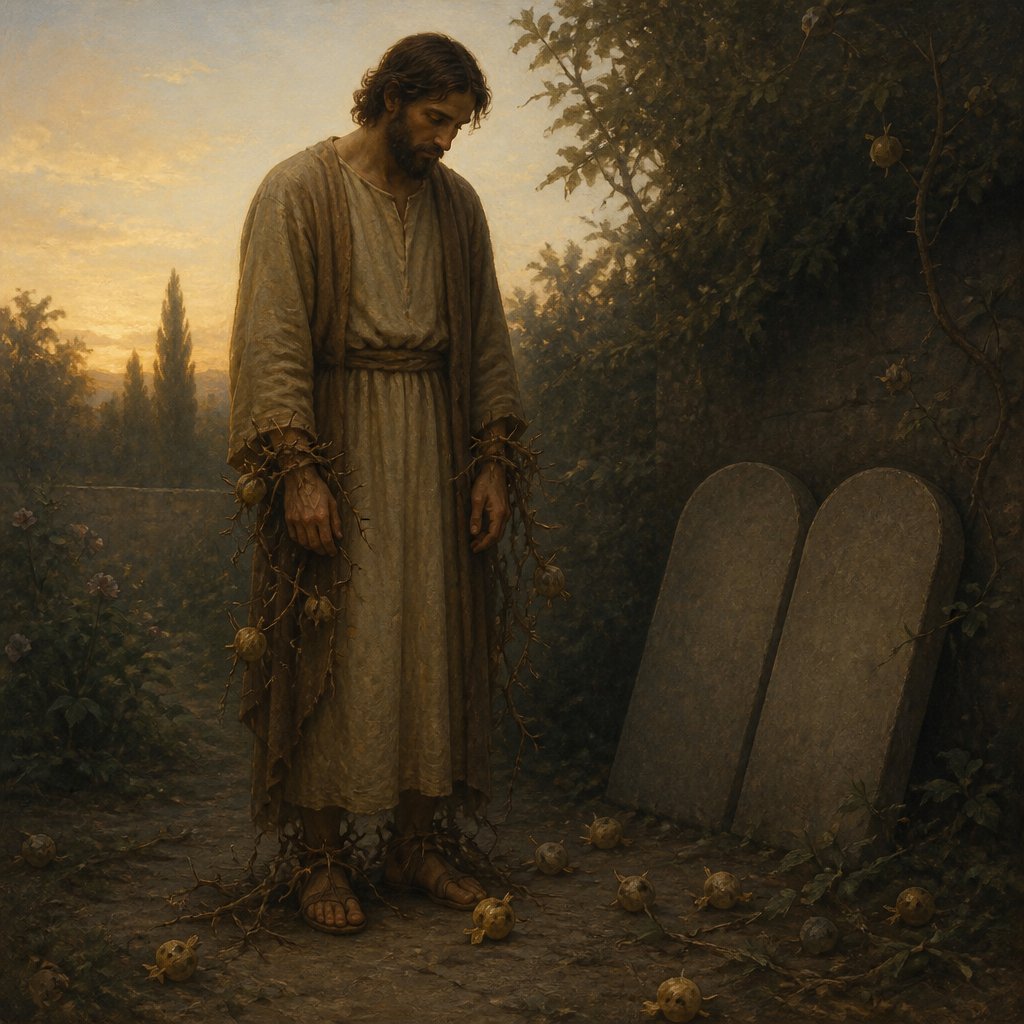
Romans 7:5 (KJV) states, "For when we were in the flesh, the motions of sins, which were by the law, did work in our members to bring forth fruit unto death."
This verse from the book of Romans is part of a larger passage in which the apostle Paul is discussing the struggle between the flesh and the spirit. In the preceding verses, Paul explains how the law serves to reveal sin, but sin takes advantage of the law to produce sinful desires in our flesh. In verse 5, Paul is addressing the results of living according to the flesh and being under the power of sin.
The phrase "in the flesh" refers to living according to the desires and inclinations of the fallen human nature. This state of being is in opposition to living in the Spirit, which is the state of being controlled and guided by the Holy Spirit. When we are in the flesh, our sinful nature and the motions of sin (or sinful impulses) are at work within us. These motions of sins, Paul explains, are ignited and stirred up by the law.
It is important to understand the context in which this verse is set. In the preceding chapters of Romans, Paul has been emphasizing the power of sin and the inability of the law to save us from it. He explains that although the law is holy and good, it cannot enable us to overcome sin. Instead, the law exposes the sinful nature within us and reveals our desperate need for a Savior.
The phrase "motions of sins, which were by the law" highlights the fact that the law serves to make sin known, but does not provide the power to free us from its grip. In fact, the law actually stirs up sinful desires within us, leading to behavior that brings forth fruit unto death. The "fruit unto death" refers to the natural consequence of living in sin. It leads to spiritual death and separation from God.
This verse is deeply rooted in the theological themes of law, sin, and grace that are fundamental to the Christian faith. It underscores the reality of the human condition, in which we are inherently sinful and unable to save ourselves through our own efforts. The law serves to highlight this reality and show us the extent of our need for a Savior.
In the broader context of the book of Romans, Paul goes on to explain the solution to this predicament. He emphasizes the saving grace of Jesus Christ, who has the power to free us from the bondage of sin and give us new life in the Spirit. It is through faith in Christ and the work of the Holy Spirit that we can be set free from the power of sin and begin to bear fruit unto life.
Symbolically, this verse serves as a stark reminder of the consequences of living in the flesh and being under the power of sin. It illustrates the hopelessness of trying to attain righteousness through our own efforts and the need to turn to Christ for salvation. It also highlights the transformative power of the gospel, which enables us to live in the Spirit and bear fruit that leads to eternal life.
In conclusion, Romans 7:5 (KJV) is a powerful and sobering reminder of the human condition and the desperate need for a Savior. It underscores the limitations of the law and the futility of trying to overcome sin through our own efforts. Ultimately, it points us to the saving grace of Jesus Christ and the transformative power of the Holy Spirit, which enables us to live in freedom from sin and bear fruit unto eternal life.
Get our apps


Artwork for Romans 7:5
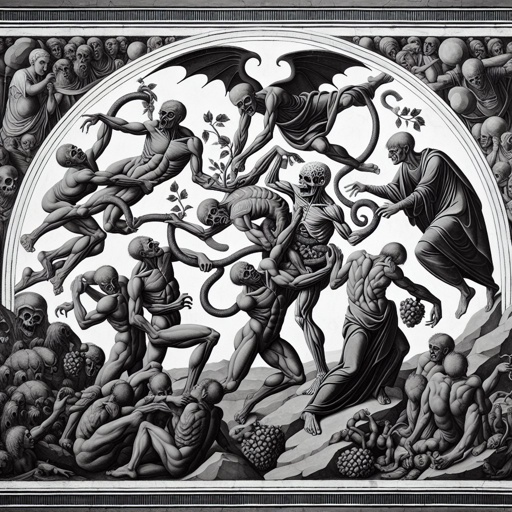
Romans 7:5 - "For when we were in the flesh, the motions of sins, which were by the law, did work in our members to bring forth fruit unto death."
"For when we were in the flesh, the motions of sins, which were by the law, did work in our members to bring forth fruit unto death." - Romans 7:5

Romans 5:7 - "For scarcely for a righteous man will one die: yet peradventure for a good man some would even dare to die."

Romans 5:1

Romans 5:19

Romans 5:8

Romans 5:8

Romans 5:8

Romans 5:19

Romans 7:19

Romans 7:12

Romans 5: 1-11

Romans 5: 1-11
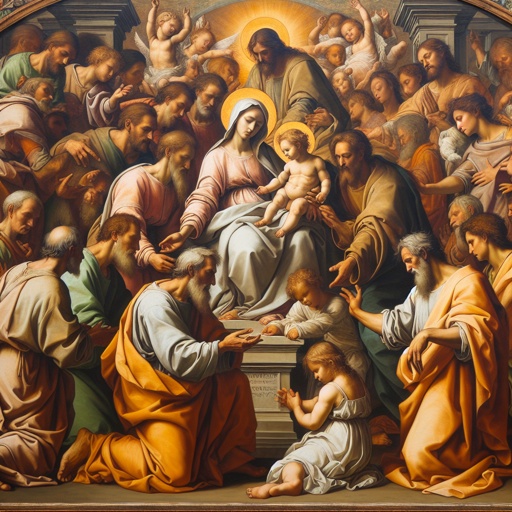
romans 12: 4-5
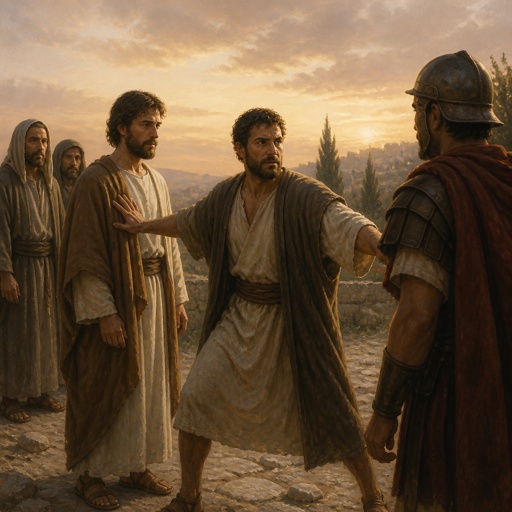
"For scarcely for a righteous man will one die: yet peradventure for a good man some would even dare to die." - Romans 5:7

Romans 5:4 - "And patience, experience; and experience, hope:"

Romans 6:7 - "For he that is dead is freed from sin."

Romans 7:12 - "Wherefore the law is holy, and the commandment holy, and just, and good."

Romans 14:7 - "For none of us liveth to himself, and no man dieth to himself."

Romans 7:17 - "Now then it is no more I that do it, but sin that dwelleth in me."

Romans 7:22 - "For I delight in the law of God after the inward man:"

Romans 5:5 - "And hope maketh not ashamed; because the love of God is shed abroad in our hearts by the Holy Ghost which is given unto us."

Romans 7:10 - "And the commandment, which was ordained to life, I found to be unto death."

Romans 4:7 - "Saying, Blessed are they whose iniquities are forgiven, and whose sins are covered."

Romans 5:13 - "(For until the law sin was in the world: but sin is not imputed when there is no law."

Romans 7:11 - "For sin, taking occasion by the commandment, deceived me, and by it slew me."

Romans 11:5 - "Even so then at this present time also there is a remnant according to the election of grace."

"And patience, experience; and experience, hope:" - Romans 5:4
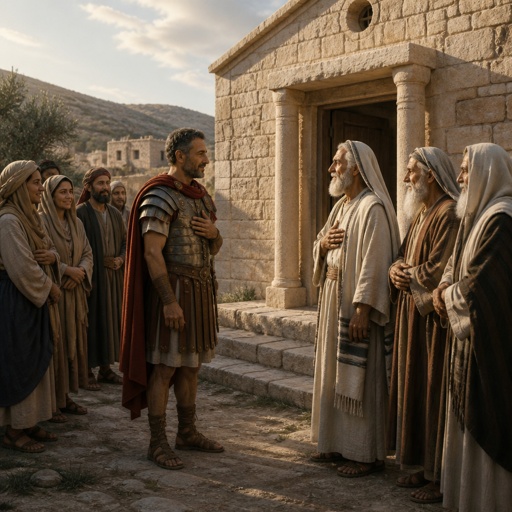
"For he loveth our nation, and he hath built us a synagogue." - Luke 7:5

Romans 12:7 - "Or ministry, let us wait on our ministering: or he that teacheth, on teaching;"