What does Romans 9:14 mean?
“What shall we say then? Is there unrighteousness with God? God forbid.” — Romans 9:14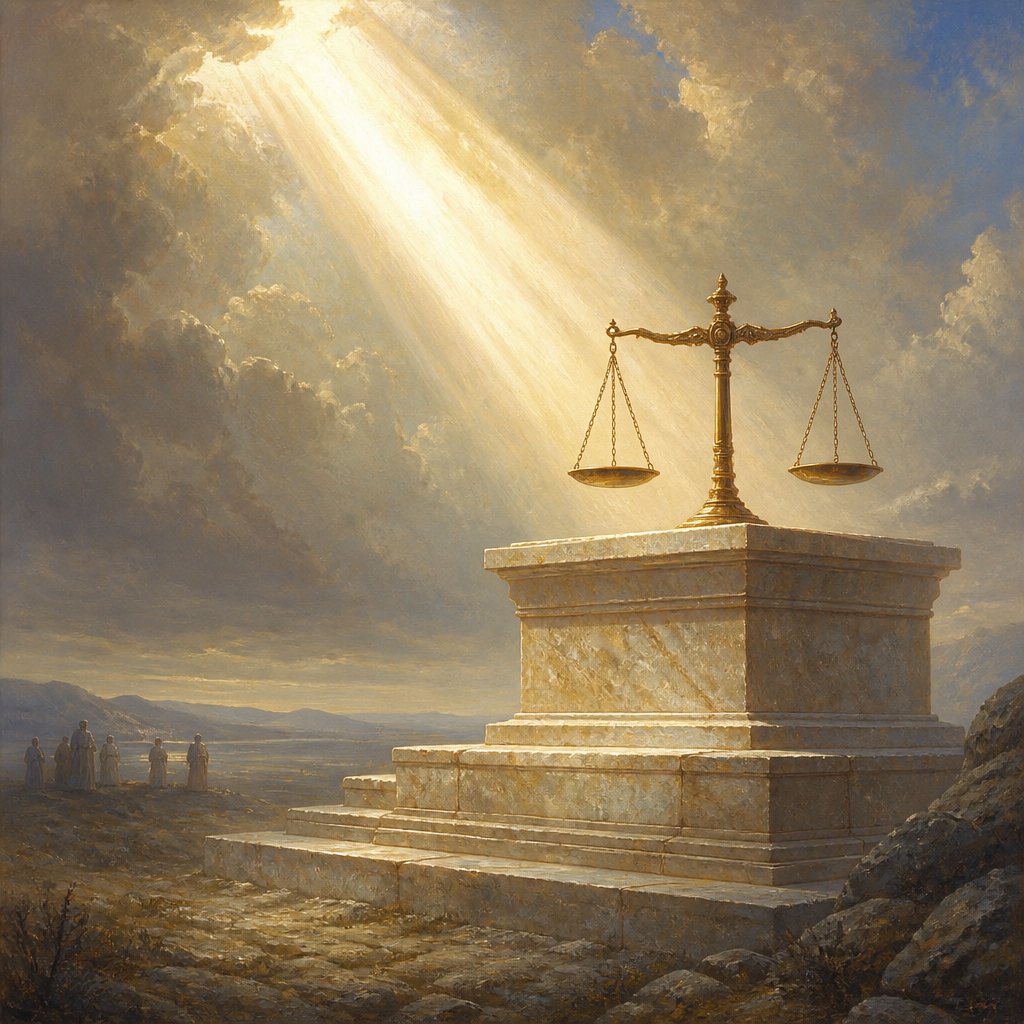
Romans 9:14 in the King James Version of the Bible reads, "What shall we say then? Is there unrighteousness with God? God forbid." This verse is part of a larger passage in which the apostle Paul is addressing the sovereignty of God and the concept of election. In this particular verse, Paul is responding to a potential objection or question by asking, "Is there unrighteousness with God?" In other words, is it unjust or unfair for God to act in the way he does with regards to election and salvation?
The context of this verse is important for understanding its meaning. In the preceding verses, Paul discusses the fact that God chose Jacob over Esau before they were even born. This was a controversial concept for the Jews of Paul's time, who believed that they were God's chosen people by virtue of being descendants of Abraham. Paul's argument here is that God's choices are not based on human merit or works, but on his own sovereign will and purpose. This leads to the question posed in verse 14 about whether God's actions are unjust.
Paul's response to this question is emphatic: "God forbid!" In other words, the idea of unrighteousness or injustice on God's part is inconceivable. This is a strong assertion of God's absolute justice and righteousness. Paul is affirming that God's ways are above human understanding and that his actions are always in accordance with his perfect nature.
The themes present in this verse are central to the broader theological issues of election, predestination, and the character of God. The concept of election, as Paul presents it, is challenging for many people to accept. It raises questions about God's fairness and the nature of his love and mercy. Paul's response in verse 14 serves to reassure his readers that God is just and righteous in all his ways, even if they may not fully understand or agree with his choices.
This verse also raises questions about the sovereignty of God and the limitations of human understanding. Paul's affirmation of God's righteousness in the face of potential objections challenges us to trust in God's wisdom and goodness, even when we may struggle to reconcile his actions with our own sense of justice.
Symbolism in this verse can be seen in the contrast between human understanding and divine wisdom. The question posed in verse 14 represents a human attempt to grapple with the mystery of God's ways. By responding with "God forbid," Paul is emphasizing the transcendence of God's righteousness and justice beyond human comprehension. This challenges us to recognize the limitations of our own understanding and to humbly submit to the wisdom of God.
In conclusion, Romans 9:14 in the King James Version of the Bible addresses profound theological questions about the nature of God and his sovereign choices. Paul's response to the question of God's righteousness is a powerful affirmation of the absolute justice and goodness of God. This verse encourages us to trust in God's wisdom and to recognize the limitations of our own understanding in grappling with the mysteries of divine sovereignty. Ultimately, it calls us to humbly submit to and trust in the righteous ways of God, even when they may be beyond our full comprehension.
Get our apps


Artwork for Romans 9:14

Romans 9:14 - "What shall we say then? Is there unrighteousness with God? God forbid."
"What shall we say then? Is there unrighteousness with God? God forbid." - Romans 9:14

Romans 14:9 - "For to this end Christ both died, and rose, and revived, that he might be Lord both of the dead and living."
"For to this end Christ both died, and rose, and revived, that he might be Lord both of the dead and living." - Romans 14:9

Romans 14:12

Romans 8:14

Romans 10:14

Romans 10:9

Romans 10:9

Romans 9:9 - "For this is the word of promise, At this time will I come, and Sara shall have a son."

Romans 3:14 - "Whose mouth is full of cursing and bitterness:"

Romans 14:16 - "Let not then your good be evil spoken of:"

Romans 8:14 - "For as many as are led by the Spirit of God, they are the sons of God."

Romans 14:7 - "For none of us liveth to himself, and no man dieth to himself."

depict the theme of Romans 13:8-14

Romans 14:1 - "Him that is weak in the faith receive ye, but not to doubtful disputations."

Romans 12:14 - "Bless them which persecute you: bless, and curse not."

Romans 14:18 - "For he that in these things serveth Christ is acceptable to God, and approved of men."

Romans 14:14 - "I know, and am persuaded by the Lord Jesus, that there is nothing unclean of itself: but to him that esteemeth any thing to be unclean, to him it is unclean."

Romans 9:12 - "It was said unto her, The elder shall serve the younger."

Romans 14:12 - "So then every one of us shall give account of himself to God."

Romans 1:14 - "I am debtor both to the Greeks, and to the Barbarians; both to the wise, and to the unwise."

Romans 14:17 - "For the kingdom of God is not meat and drink; but righteousness, and peace, and joy in the Holy Ghost."

Romans 16:14 - "Salute Asyncritus, Phlegon, Hermas, Patrobas, Hermes, and the brethren which are with them."

Romans 7:14 - "For we know that the law is spiritual: but I am carnal, sold under sin."

Romans 4:14 - "For if they which are of the law be heirs, faith is made void, and the promise made of none effect:"

Romans 16:9 - "Salute Urbane, our helper in Christ, and Stachys my beloved."

Romans 9:2 - "That I have great heaviness and continual sorrow in my heart."

Romans 9:8 - "That is, They which are the children of the flesh, these are not the children of God: but the children of the promise are counted for the seed."

Romans 6:14 - "For sin shall not have dominion over you: for ye are not under the law, but under grace."