What does Romans 9:16 mean?
“So then it is not of him that willeth, nor of him that runneth, but of God that sheweth mercy.” — Romans 9:16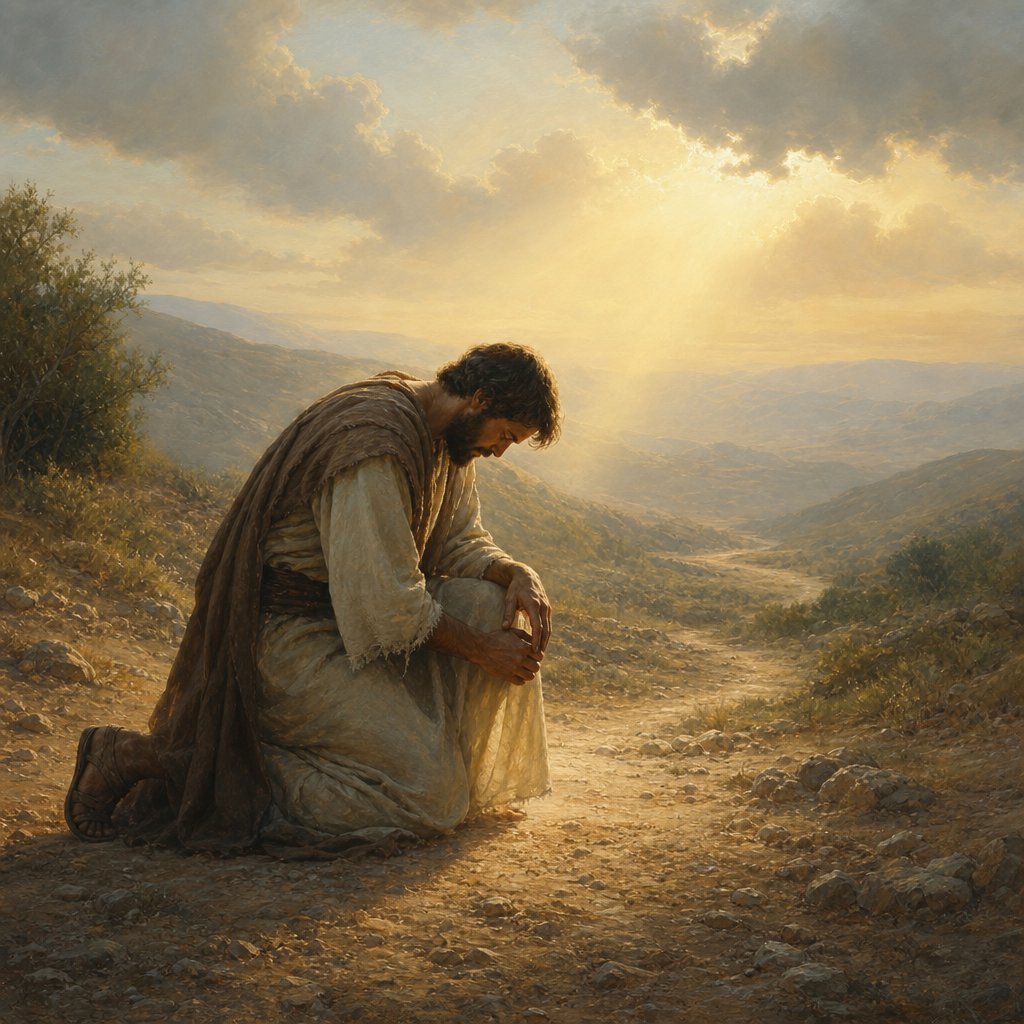
Romans 9:16 (KJV) states, "So then it is not of him that willeth, nor of him that runneth, but of God that sheweth mercy." This verse is part of a larger passage in which the apostle Paul addresses the sovereign choice of God in salvation. It is a powerful statement that emphasizes God's sovereignty and absolute authority in determining who will receive his mercy and grace.
In order to truly understand the significance and implications of this verse, it is important to consider the context in which it is found. The book of Romans is considered one of the most profound theological writings in the Bible, and in this particular section, Paul is addressing the question of why the Israelites, who were God's chosen people, did not all accept the message of Jesus as their Messiah. He explains that it was not the result of their works or efforts, but rather the result of God's sovereign choice and mercy.
The verse challenges the common human belief that our will and efforts determine our standing with God. It is a reminder that salvation does not come from our own striving or desire, but from God's mercy and divine initiative. This concept is foundational to the theological doctrine of predestination, which teaches that God has chosen those who will be saved before the foundation of the world, not based on anything they have done or will do, but solely on his own will.
The themes that emerge from this verse are the sovereignty of God, the nature of salvation, and the doctrine of predestination. The emphasis on God's sovereignty highlights his absolute authority and power in determining the destinies of individuals. This can be a difficult concept for many to accept, as it challenges our desire for control and autonomy. However, it also offers a profound sense of security and assurance, knowing that our salvation ultimately rests in the hands of a loving and just God.
The nature of salvation is also a key theme in this verse. It underscores the fact that salvation is a gift from God, not something that can be earned or achieved through human effort. This runs contrary to the prevalent belief in many religious systems that salvation is obtained through good works or moral striving. The verse reminds us that our salvation is entirely dependent on God's mercy and grace.
The doctrine of predestination, which is implied in this verse, has been a source of great controversy and debate throughout the history of Christianity. It raises questions about the nature of free will, the fairness of God's judgment, and the role of human responsibility. While it can be difficult to fully comprehend and reconcile with our human understanding, it serves as a reminder of God's inscrutable wisdom and purposes.
Symbolically, the verse conveys the image of God as the ultimate authority and source of mercy. It paints a picture of human beings as dependent creatures who are entirely reliant on God for their salvation. It challenges our pride and self-sufficiency, directing our gaze towards the magnificence and sovereignty of God.
In conclusion, Romans 9:16 (KJV) is a profound theological statement that underscores the sovereignty of God in salvation. It challenges our human assumptions and highlights the reality of God's initiative and mercy in the process of redemption. It calls for humility and trust in God's wisdom and goodness, as we grapple with the mysterious ways of his providence. As we reflect on this verse, we are reminded of the profound truth that our salvation ultimately rests in the hands of a merciful and loving God.
Get our apps


Artwork for Romans 9:16

Romans 9:16 - "So then it is not of him that willeth, nor of him that runneth, but of God that sheweth mercy."
"So then it is not of him that willeth, nor of him that runneth, but of God that sheweth mercy." - Romans 9:16

Romans 16:9 - "Salute Urbane, our helper in Christ, and Stachys my beloved."
"Salute Urbane, our helper in Christ, and Stachys my beloved." - Romans 16:9

Romans 8:16

Romans 16:17

Romans 16:17

Romans 16:17

Romans 16:16 - "Salute one another with an holy kiss. The churches of Christ salute you."

Romans 8:15-16

Romans 3:16 - "Destruction and misery are in their ways:"

Romans 10:9

Romans 10:9

Romans 9:9 - "For this is the word of promise, At this time will I come, and Sara shall have a son."

Romans 16:8 - "Greet Amplias my beloved in the Lord."

Romans 14:16 - "Let not then your good be evil spoken of:"

Romans 1:16 to the Jew first

Romans 16:6 - "Greet Mary, who bestowed much labour on us."

Romans 16:3 - "Greet Priscilla and Aquila my helpers in Christ Jesus:"

Romans 16:13 - "Salute Rufus chosen in the Lord, and his mother and mine."

"Destruction and misery are in their ways:" - Romans 3:16

Romans 16:24 - "The grace of our Lord Jesus Christ be with you all. Amen."

Romans 16:22 - "I Tertius, who wrote this epistle, salute you in the Lord."

Romans 9:12 - "It was said unto her, The elder shall serve the younger."

Romans 16:14 - "Salute Asyncritus, Phlegon, Hermas, Patrobas, Hermes, and the brethren which are with them."

Romans 16:27 - "To God only wise, be glory through Jesus Christ for ever. Amen."

Romans 11:16 - "For if the firstfruit be holy, the lump is also holy: and if the root be holy, so are the branches."

Romans 8:16 - "The Spirit itself beareth witness with our spirit, that we are the children of God:"

Romans 16:10 - "Salute Apelles approved in Christ. Salute them which are of Aristobulus' household."

Romans 9:14 - "What shall we say then? Is there unrighteousness with God? God forbid."