What does Romans 9:32 mean?
“Wherefore? Because they sought it not by faith, but as it were by the works of the law. For they stumbled at that stumblingstone;” — Romans 9:32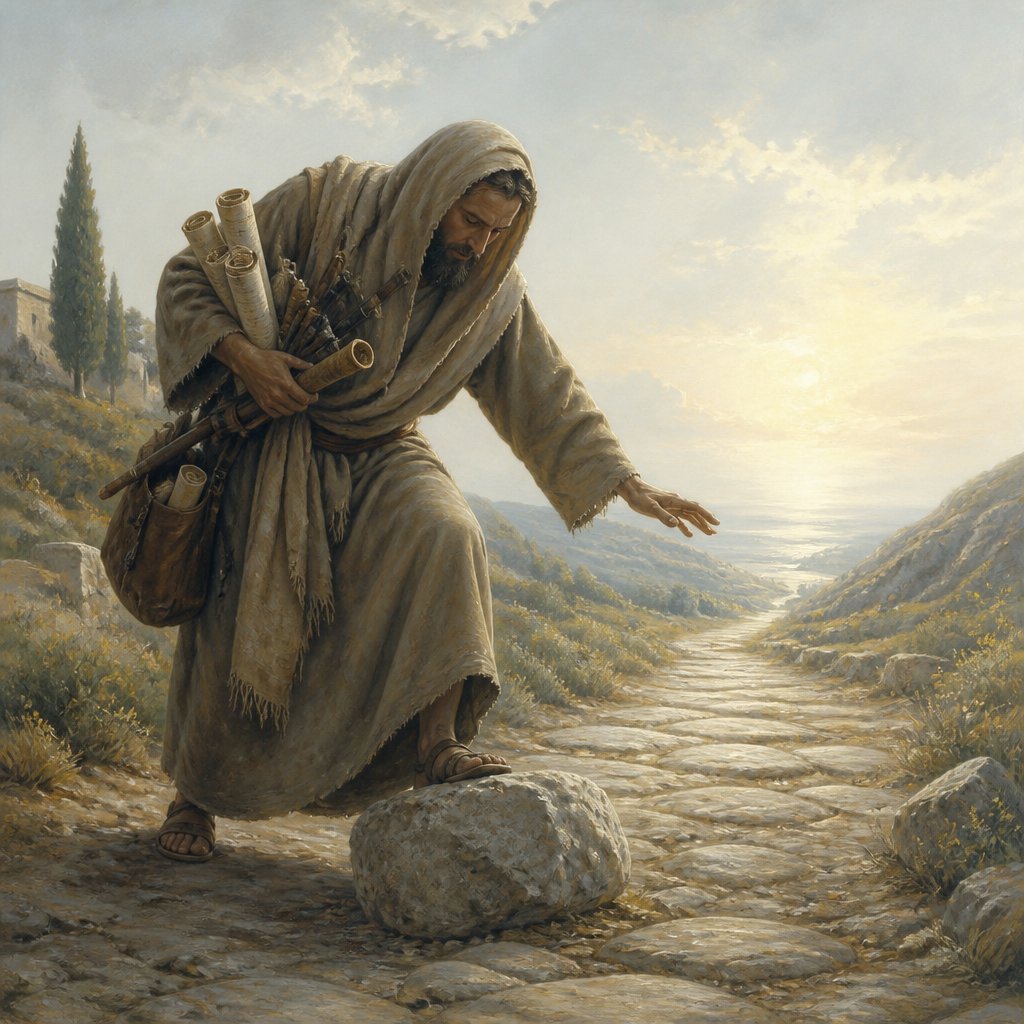
Romans 9:32 - "Wherefore? Because they sought it not by faith, but as it were by the works of the law. For they stumbled at that stumblingstone;"
The book of Romans, written by the Apostle Paul, is a significant and foundational book in the New Testament. It addresses many theological and practical issues related to Christianity and the Christian life. In the passage of Romans 9:32, Paul discusses the reasons why some people, particularly the Jews, have not embraced salvation through Jesus Christ. This verse reveals the themes of faith, law, stumbling, and the stumbling stone, and it provides meaningful insights into the overarching message of the gospel.
The verse begins with the question "Wherefore?" indicating that there is a reason or cause for the situation being described. Paul is addressing the issue of why the Jews, who were the chosen people of God, did not obtain righteousness despite their zealousness for the law and their religious activities. The reason, Paul explains, is that they sought righteousness not by faith, but by the works of the law. This distinction between faith and works is a central theme in Paul's teachings and is reminiscent of his letter to the Ephesians where he states, "For by grace are ye saved through faith; and that not of yourselves: it is the gift of God: Not of works, lest any man should boast" (Ephesians 2:8-9, KJV).
The contrast between faith and works is an essential aspect of Christian doctrine. The Jews, who were diligent in keeping the requirements of the Mosaic law, believed that their obedience and adherence to the law would secure their righteousness before God. However, Paul explains that it is not the works of the law that bring righteousness, but faith in Jesus Christ. This concept is echoed in Galatians 2:16 where Paul emphatically declares, "Knowing that a man is not justified by the works of the law, but by the faith of Jesus Christ, even we have believed in Jesus Christ, that we might be justified by the faith of Christ, and not by the works of the law: for by the works of the law shall no flesh be justified" (KJV).
The stumblingstone mentioned in Romans 9:32 refers to Jesus Christ Himself. The Jews stumbled over the stumblingstone because they did not recognize Jesus as the promised Messiah and the fulfillment of the law and the prophets. This rejection of Christ as the cornerstone of salvation is a recurring theme in the New Testament, as seen in 1 Corinthians 1:23 where Paul writes, "But we preach Christ crucified, unto the Jews a stumblingblock, and unto the Greeks foolishness" (KJV).
The context of Romans 9 emphasizes God's sovereignty in choosing His people and extending His grace to both Jews and Gentiles. Paul's discussion of the stumblingstone underscores the critical importance of recognizing and accepting Jesus Christ as the only way to true righteousness and salvation. The rejection of Christ by the Jews serves as a cautionary example for all who may seek righteousness through their own efforts or adherence to religious laws without embracing the gift of grace through faith in Jesus.
In conclusion, Romans 9:32 provides a significant insight into the theological themes of faith, works, and the stumblingstone of Christ. It highlights the crucial distinction between seeking righteousness through human effort and achieving it through faith in Jesus Christ. This verse serves as a reminder of the central message of the gospel and the need for all people to recognize Jesus Christ as the cornerstone of salvation. It calls believers to embrace the gift of grace and to live by faith in Christ, rather than stumbling over the stumblingstone of unbelief and self-righteousness.
Get our apps


Artwork for Romans 9:32

Romans 9:32 - "Wherefore? Because they sought it not by faith, but as it were by the works of the law. For they stumbled at that stumblingstone;"
"Wherefore? Because they sought it not by faith, but as it were by the works of the law. For they stumbled at that stumblingstone;" - Romans 9:32

Romans 11:25-32

Romans 15:32 - "That I may come unto you with joy by the will of God, and may with you be refreshed."

Romans 11:32 - "For God hath concluded them all in unbelief, that he might have mercy upon all."

Romans 10:9

Romans 10:9

Romans 9:9 - "For this is the word of promise, At this time will I come, and Sara shall have a son."

Romans 1:32 - "Who knowing the judgment of God, that they which commit such things are worthy of death, not only do the same, but have pleasure in them that do them."

"He that spared not his own Son, but delivered him up for us all, how shall he not with him also freely give us all things?" - Romans 8:32

Romans 8:32 - "He that spared not his own Son, but delivered him up for us all, how shall he not with him also freely give us all things?"

Romans 9:12 - "It was said unto her, The elder shall serve the younger."

Mark 9:32 - "But they understood not that saying, and were afraid to ask him."

Romans 9:14 - "What shall we say then? Is there unrighteousness with God? God forbid."

Exodus 9:32 - "But the wheat and the rie were not smitten: for they were not grown up."

Esther 9:32 - "And the decree of Esther confirmed these matters of Purim; and it was written in the book."

Romans 16:9 - "Salute Urbane, our helper in Christ, and Stachys my beloved."

Romans 9:2 - "That I have great heaviness and continual sorrow in my heart."

Romans 9:8 - "That is, They which are the children of the flesh, these are not the children of God: but the children of the promise are counted for the seed."
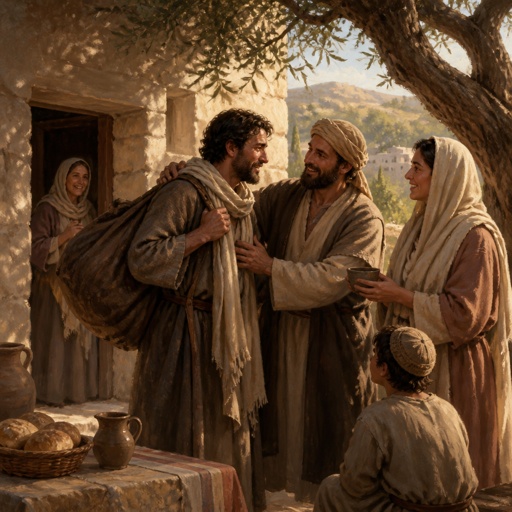
"That I may come unto you with joy by the will of God, and may with you be refreshed." - Romans 15:32

Deuteronomy 32:9 - "For the LORD'S portion is his people; Jacob is the lot of his inheritance."

Romans 9:13 - "As it is written, Jacob have I loved, but Esau have I hated."

Romans 9:16 - "So then it is not of him that willeth, nor of him that runneth, but of God that sheweth mercy."

Matthew 9:32 - "¶ As they went out, behold, they brought to him a dumb man possessed with a devil."

Job 32:9 - "Great men are not always wise: neither do the aged understand judgment."

Romans 12:9 - "Let love be without dissimulation. Abhor that which is evil; cleave to that which is good."

Romans 9:31 - "But Israel, which followed after the law of righteousness, hath not attained to the law of righteousness."

Romans 9:24 - "Even us, whom he hath called, not of the Jews only, but also of the Gentiles?"

Romans 9:6 - "Not as though the word of God hath taken none effect. For they are not all Israel, which are of Israel:"

Romans 9:7 - "Neither, because they are the seed of Abraham, are they all children: but, In Isaac shall thy seed be called."