What does Ruth 4:2 mean?
“And he took ten men of the elders of the city, and said, Sit ye down here. And they sat down.” — Ruth 4:2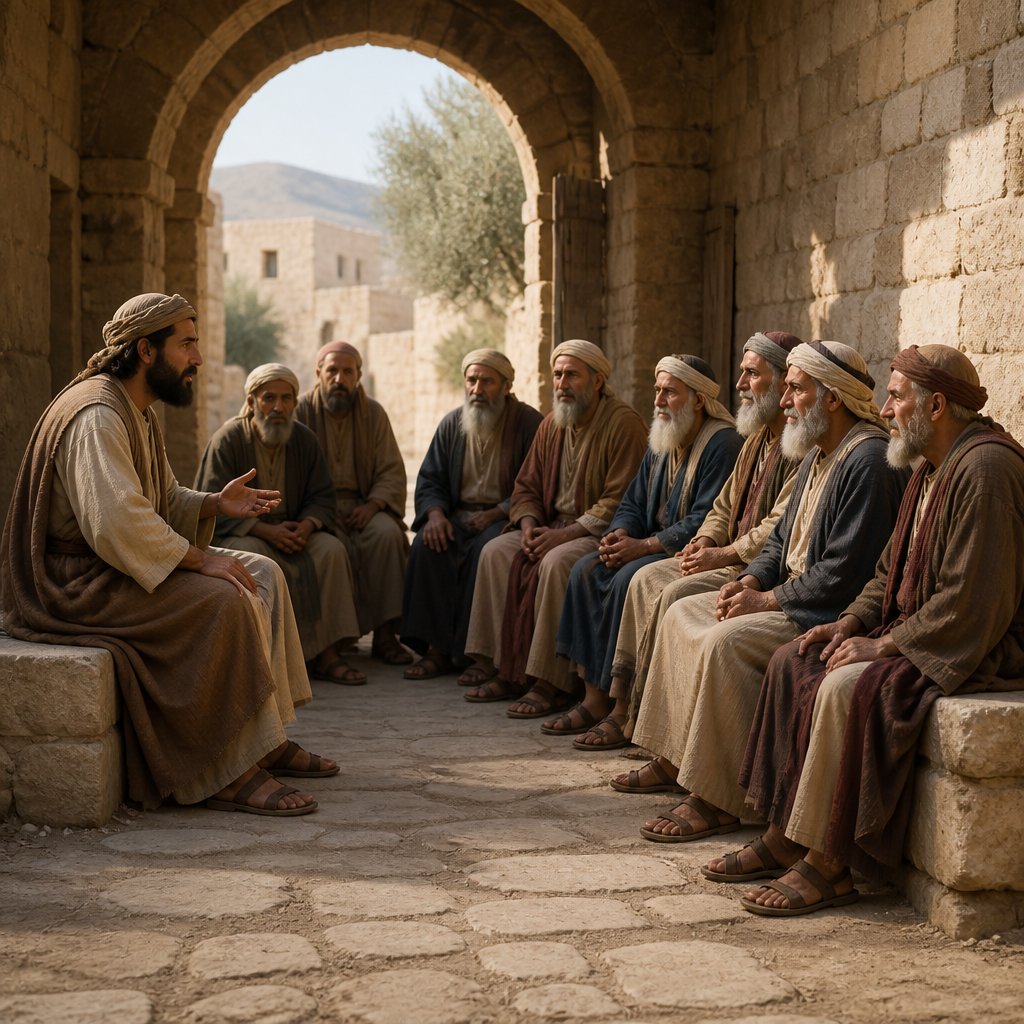
Ruth 4:2 (KJV) – "And he took ten men of the elders of the city, and said, Sit ye down here. And they sat down."
The book of Ruth is a beautiful and poignant narrative that tells the story of loyalty, love, and redemption. It is a story that has captivated readers for centuries, not only for its historical significance but also for the deep spiritual and moral lessons it imparts. Ruth 4:2 is a pivotal verse in the narrative, as it marks the beginning of the climax of the story and the resolution of the central conflict.
The context of Ruth 4:2 is the legal custom of redemption and inheritance in ancient Israel. In the preceding chapters, Ruth, a Moabite widow, has demonstrated unwavering loyalty and devotion to her mother-in-law, Naomi. They have returned to Naomi's homeland, where they are destitute and in need of a kinsman-redeemer to rescue them from their dire circumstances. The kinsman-redeemer, Boaz, has shown kindness and compassion to Ruth, and now he is about to negotiate with a relative who is a closer relative than he, to secure Ruth's future and ensure that her deceased husband's name and property are not lost and that their family line continues.
In verse 2, Boaz demonstrates his commitment to upholding the legal process by gathering ten elders of the city as witnesses to the transaction that is about to take place. This action reveals Boaz's integrity and respect for the established laws and traditions of his society. The gathering of the elders also signifies the importance and solemnity of the occasion, as their presence lends authority and credibility to the proceedings.
The theme of justice and righteousness is prominent in this verse, as Boaz seeks to ensure that all legal and moral obligations are fulfilled in the redemption of Ruth and the preservation of her family's inheritance. This theme reflects the broader biblical principle of God's faithfulness in upholding His covenant promises and ensuring justice for the oppressed and marginalized. The inclusion of the elders in the process further reinforces the significance of community and collective responsibility in matters of justice and moral conduct.
Symbolically, the number ten often represents completeness or fullness in the Bible. In this context, the gathering of ten elders may symbolize the complete and thorough execution of the redemption process, leaving no room for doubt or dispute. It also signifies the communal affirmation and support of the decision, emphasizing the communal nature of justice and accountability within the community.
Moreover, the act of sitting down was a customary practice in ancient Near Eastern legal transactions, signifying the commencement of formal negotiations or adjudication. Thus, by instructing the elders to sit down, Boaz signals the beginning of the legal process and the serious nature of the forthcoming discussion. This act also reflects the importance of careful and deliberate consideration in matters of justice and moral obligation, as decisions made in such settings would have lasting implications for all parties involved.
In conclusion, Ruth 4:2 holds significant thematic, contextual, and symbolic importance within the broader narrative of Ruth. It serves as a pivotal moment in the story, highlighting the themes of justice, righteousness, and communal responsibility, while also symbolizing the completeness and gravity of the legal proceedings about to unfold. This verse ultimately underscores the timeless and universal principles of fairness, integrity, and compassion that are woven throughout the biblical narrative and continue to resonate with readers today.
Get our apps


Artwork for Ruth 4:2

Ruth 4:2 - "And he took ten men of the elders of the city, and said, Sit ye down here. And they sat down."
"And he took ten men of the elders of the city, and said, Sit ye down here. And they sat down." - Ruth 4:2

Ruth 2:4 - "¶ And, behold, Boaz came from Beth-lehem, and said unto the reapers, The LORD be with you. And they answered him, The LORD bless thee."

Ruth 1:4 - "And they took them wives of the women of Moab; the name of the one was Orpah, and the name of the other Ruth: and they dwelled there about ten years."

Ruth 4:13 - "¶ So Boaz took Ruth, and she was his wife: and when he went in unto her, the LORD gave her conception, and she bare a son."

Ruth 4:19 - "And Hezron begat Ram, and Ram begat Amminadab,"

Ruth 4:22 - "And Obed begat Jesse, and Jesse begat David."

Ruth 4:18 - "¶ Now these are the generations of Pharez: Pharez begat Hezron,"

Ruth 4:20 - "And Amminadab begat Nahshon, and Nahshon begat Salmon,"

Ruth 4:21 - "And Salmon begat Boaz, and Boaz begat Obed,"

Ruth 4:5 - "Then said Boaz, What day thou buyest the field of the hand of Naomi, thou must buy it also of Ruth the Moabitess, the wife of the dead, to raise up the name of the dead upon his inheritance."

Ruth 4:16 - "And Naomi took the child, and laid it in her bosom, and became nurse unto it."

Ruth 2:2 - "And Ruth the Moabitess said unto Naomi, Let me now go to the field, and glean ears of corn after him in whose sight I shall find grace. And she said unto her, Go, my daughter."

Ruth 2:22 - "And Naomi said unto Ruth her daughter in law, It is good, my daughter, that thou go out with his maidens, that they meet thee not in any other field."

Ruth 2:8 - "Then said Boaz unto Ruth, Hearest thou not, my daughter? Go not to glean in another field, neither go from hence, but abide here fast by my maidens:"

Ruth 2:21 - "And Ruth the Moabitess said, He said unto me also, Thou shalt keep fast by my young men, until they have ended all my harvest."

Ruth 4:10 - "Moreover Ruth the Moabitess, the wife of Mahlon, have I purchased to be my wife, to raise up the name of the dead upon his inheritance, that the name of the dead be not cut off from among his brethren, and from the gate of his place: ye are witnesses this day."
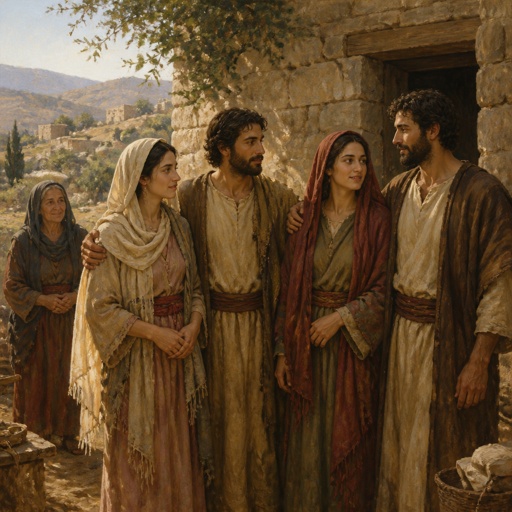
"And they took them wives of the women of Moab; the name of the one was Orpah, and the name of the other Ruth: and they dwelled there about ten years." - Ruth 1:4

Ruth 4:8 - "Therefore the kinsman said unto Boaz, Buy it for thee. So he drew off his shoe."
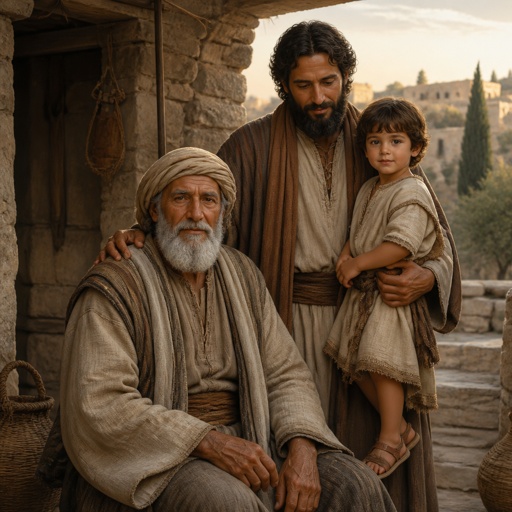
"And Salmon begat Boaz, and Boaz begat Obed," - Ruth 4:21
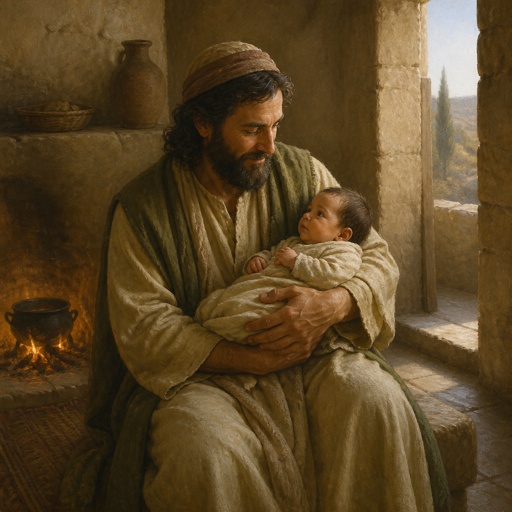
"¶ Now these are the generations of Pharez: Pharez begat Hezron," - Ruth 4:18
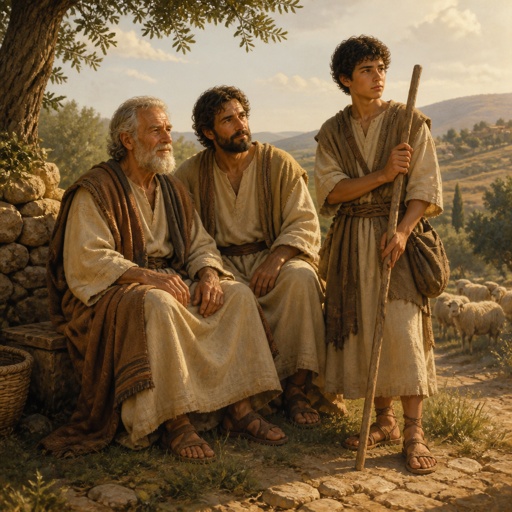
"And Obed begat Jesse, and Jesse begat David." - Ruth 4:22
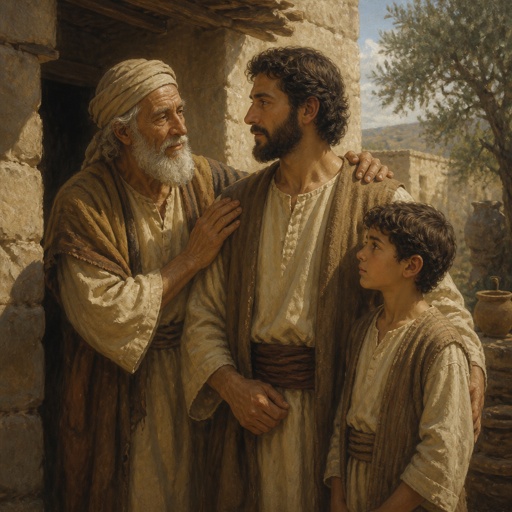
"And Amminadab begat Nahshon, and Nahshon begat Salmon," - Ruth 4:20
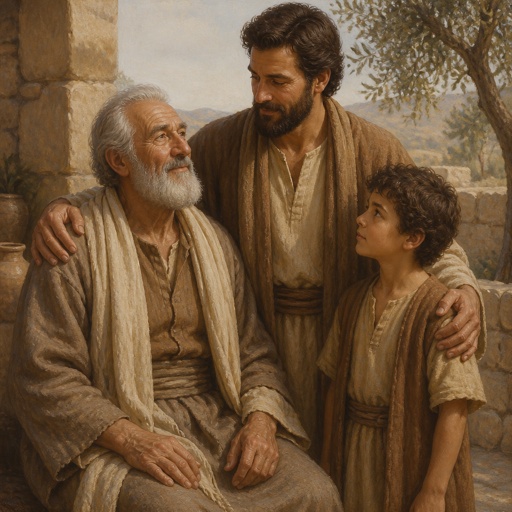
"And Hezron begat Ram, and Ram begat Amminadab," - Ruth 4:19

Ruth 2:3 – "So she went out, entered a field and began to glean behind the harvesters."

Ruth 2:15 - "And when she was risen up to glean, Boaz commanded his young men, saying, Let her glean even among the sheaves, and reproach her not:"

Ruth 2:5 - "Then said Boaz unto his servant that was set over the reapers, Whose damsel is this?"
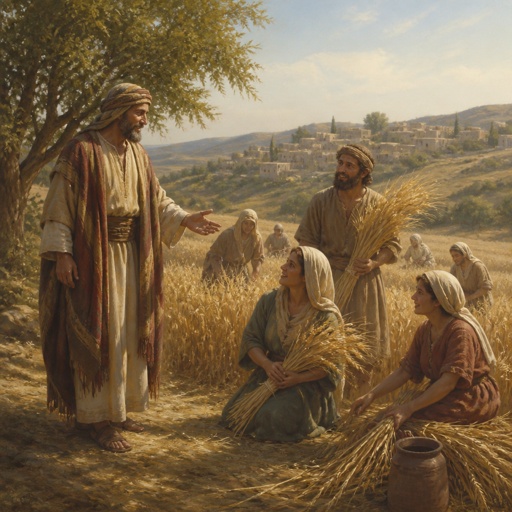
"¶ And, behold, Boaz came from Beth-lehem, and said unto the reapers, The LORD be with you. And they answered him, The LORD bless thee." - Ruth 2:4

Ruth 4:3 - "And he said unto the kinsman, Naomi, that is come again out of the country of Moab, selleth a parcel of land, which was our brother Elimelech's:"
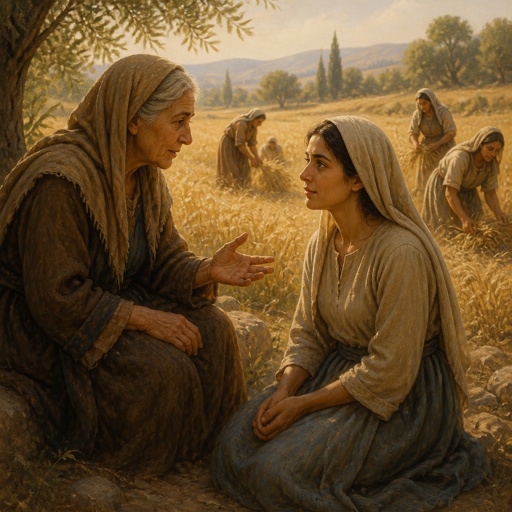
"And Naomi said unto Ruth her daughter in law, It is good, my daughter, that thou go out with his maidens, that they meet thee not in any other field." - Ruth 2:22