What does Song of Solomon 1:8 mean?
“If thou know not, O thou fairest among women, go thy way forth by the footsteps of the flock, and feed thy kids beside the shepherds’ tents.” — Song of Solomon 1:8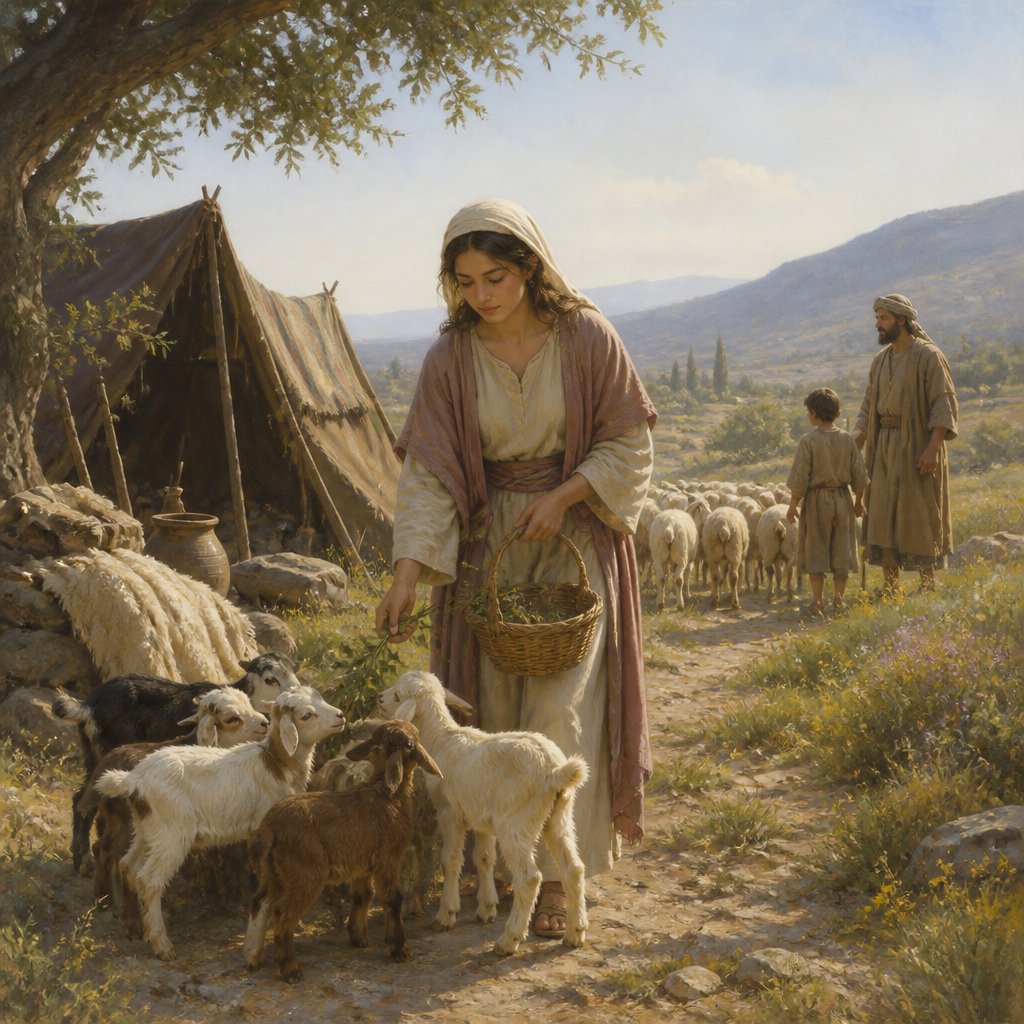
Song of Solomon 1:8 in the King James Version reads: "If thou know not, O thou fairest among women, go thy way forth by the footsteps of the flock, and feed thy kids beside the shepherds' tents."
The Song of Solomon, also known as the Song of Songs, is a unique book in the Bible, as it is a love poem that celebrates the beauty and intimacy of human love. Song of Solomon 1:8 is part of a dialogue between the bride and her beloved. In this verse, the beloved speaks to the bride, urging her to seek guidance and nourishment from the shepherds who tend to their flocks.
The verse can be interpreted on both a literal and symbolic level. On a literal level, the verse could be understood as practical advice for the bride to seek out the ways of the shepherds in order to care for her own flock of kids. This interpretation emphasizes the pastoral and agricultural context of the verse, as well as the importance of community and learning from others.
On a symbolic level, Song of Solomon 1:8 can be seen as a metaphor for seeking wisdom and guidance from those who are experienced and knowledgeable. The image of following the footsteps of the flock and feeding beside the shepherds' tents evokes a sense of humility and a willingness to learn from others. It suggests that the bride should not rely solely on her own understanding, but should instead seek out the wisdom of those who have gone before her.
The verse also highlights the theme of nurturing and caring for others. The imagery of feeding the kids beside the shepherds' tents speaks to the importance of providing for and tending to those in one's care. This can be seen as a reflection of the bride's responsibility to care for her own flock, but it can also be understood more broadly as a call to all believers to care for one another.
The language of the verse also conveys a sense of reverence and admiration for the bride. The beloved addresses her as "O thou fairest among women," acknowledging her beauty and worth. This emphasizes the theme of love and admiration that runs throughout the Song of Solomon, and it underscores the idea that the bride is precious and worthy of respect.
In a broader biblical context, Song of Solomon 1:8 can be seen as a reflection of the relationship between Christ and the church. The bride can be understood as a symbol of the church, and the beloved as a symbol of Christ. In this light, the verse conveys the idea that the church should seek guidance and nourishment from Christ and from those who walk in his footsteps. It also serves as a reminder of the church's responsibility to care for and nurture its members, just as the bride is called to care for her flock.
Overall, Song of Solomon 1:8 is a rich and multi-layered verse that can be interpreted in a variety of ways. It speaks to themes of humility, wisdom, nurturing, and the beauty of human love, and it offers valuable insights for both individuals and communities. Whether read in its literal context as part of a love poem, or in its broader biblical context, this verse continues to offer meaningful guidance and wisdom for readers today.
Get our apps


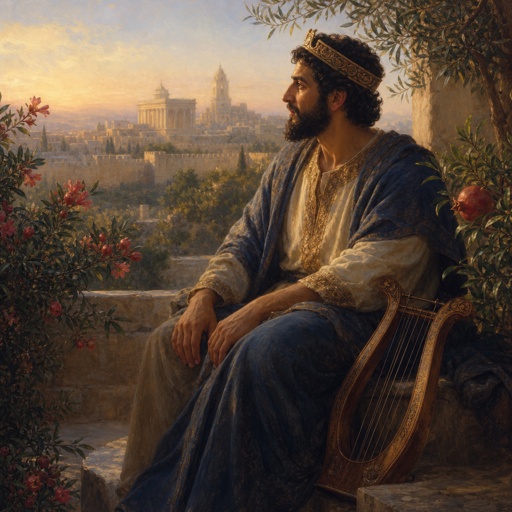
Artwork for Song of Solomon 1:8

Song of Solomon 1:8 - "¶ If thou know not, O thou fairest among women, go thy way forth by the footsteps of the flock, and feed thy kids beside the shepherds' tents."
"¶ If thou know not, O thou fairest among women, go thy way forth by the footsteps of the flock, and feed thy kids beside the shepherds' tents." - Song of Solomon 1:8

Songs of Solomon 1:2

Song of Solomon 1:4

Song of Solomon 1:4

Song of Solomon 1:1 - "The song of songs, which is Solomon's."
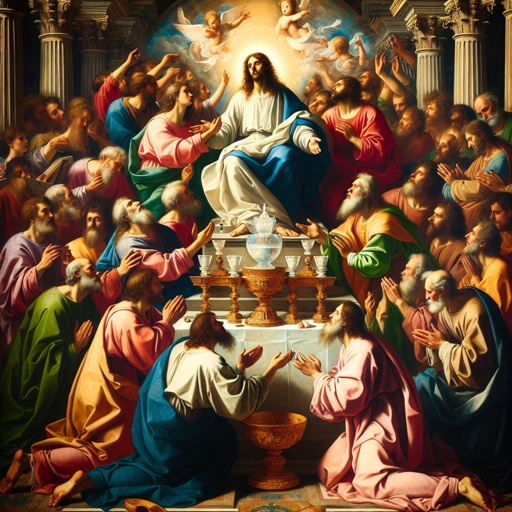
1 Songs of Solomon 1:1
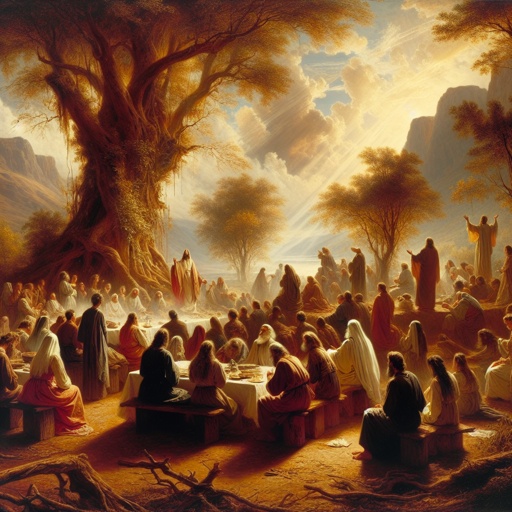
1 songs of Solomon 1:2
"The song of songs, which is Solomon's." - Song of Solomon 1:1

Song of Solomon 1:12 - "¶ While the king sitteth at his table, my spikenard sendeth forth the smell thereof."

Song of Solomon 1:11 - "We will make thee borders of gold with studs of silver."

Song of Solomon 1:5 - "I am black, but comely, O ye daughters of Jerusalem, as the tents of Kedar, as the curtains of Solomon."

Songs of solomon 8:10

Song of Solomon 1:15 - "Behold, thou art fair, my love; behold, thou art fair; thou hast doves' eyes."

Song of Solomon 1:9 - "I have compared thee, O my love, to a company of horses in Pharaoh's chariots."

Song of Solomon 1:17 - "The beams of our house are cedar, and our rafters of fir."

Song of Solomon 1:14 - "My beloved is unto me as a cluster of camphire in the vineyards of En-gedi."

Song of Solomon 6:8 - "There are threescore queens, and fourscore concubines, and virgins without number."

Song of Solomon 1:16 - "Behold, thou art fair, my beloved, yea, pleasant: also our bed is green."

Song of Solomon 1:13 - "A bundle of myrrh is my wellbeloved unto me; he shall lie all night betwixt my breasts."

Song of Solomon 1:10 - "Thy cheeks are comely with rows of jewels, thy neck with chains of gold."

Song of Solomon 2:3

Song of Solomon 2:15

Song of Solomon 2:15

Song of Solomon 5:11

"The beams of our house are cedar, and our rafters of fir." - Song of Solomon 1:17

Song of Solomon 1:2 - "Let him kiss me with the kisses of his mouth: for thy love is better than wine."

Song of Solomon 8:12 - "My vineyard, which is mine, is before me: thou, O Solomon, must have a thousand, and those that keep the fruit thereof two hundred."

Song of Solomon 1:3 - "Because of the savour of thy good ointments thy name is as ointment poured forth, therefore do the virgins love thee."

Song of Solomon 8:13 - "Thou that dwellest in the gardens, the companions hearken to thy voice: cause me to hear it."