What does Song of Solomon 2:11 mean?
“For, lo, the winter is past, the rain is over and gone;” — Song of Solomon 2:11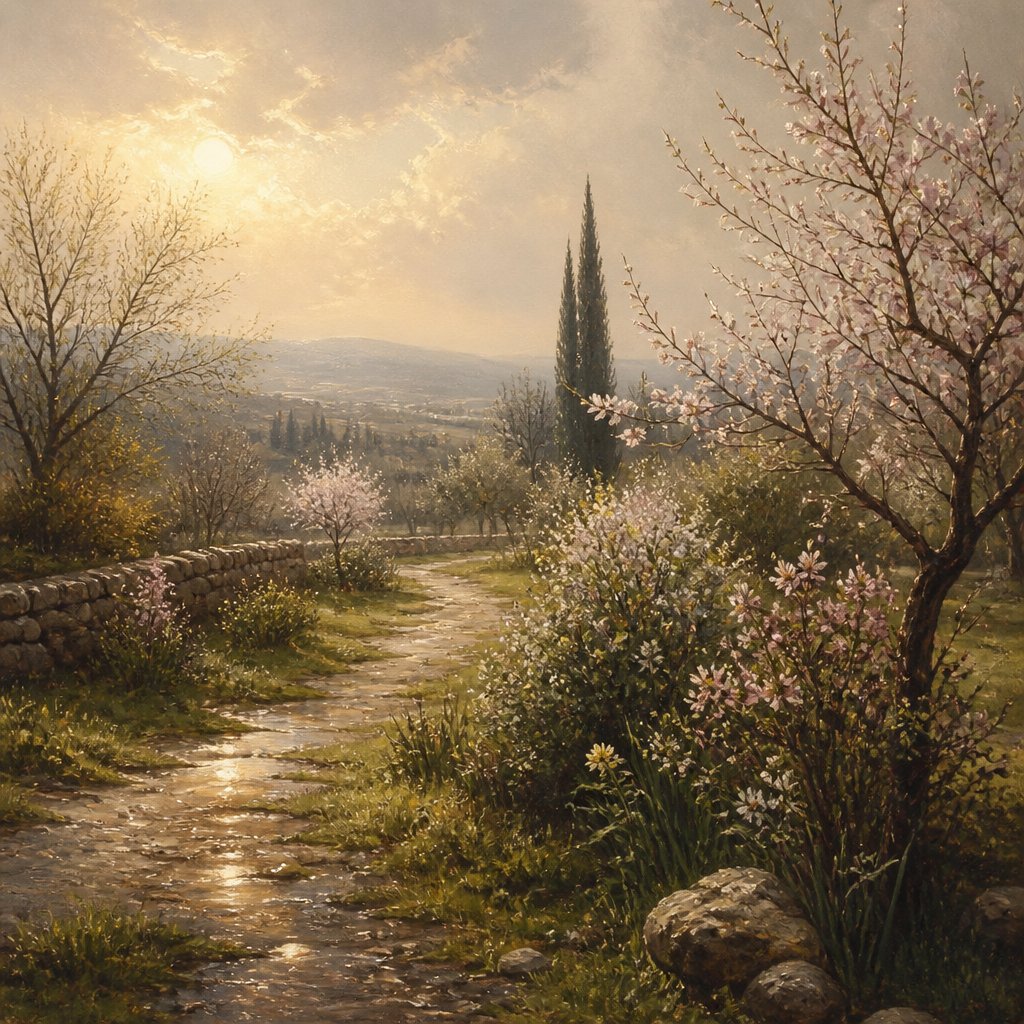
The Bible verse Song of Solomon 2:11 in the King James Version (KJV) reads, "For, lo, the winter is past, the rain is over and gone."
The Song of Solomon, also known as the Song of Songs, is a book of the Bible that is often seen as a love poem between a bride and groom, as well as a metaphor for the relationship between God and His people. This verse in particular comes from a section where the bride and groom are expressing their love and longing for each other, using the changing seasons as a symbol for their relationship.
In this verse, the bride is speaking, and she starts by acknowledging the passing of winter. In many ancient cultures, winter was a time of hardship and scarcity, so the end of winter would bring a sense of relief and hope for better times ahead. The bride then goes on to say that the rain is over and gone, which can be seen as a metaphor for the end of difficult times and the beginning of a new season of joy and abundance.
When we consider the verse in its larger context, it becomes clear that the changing of the seasons is not just a reflection of nature, but also a reflection of the changing tides of the couple's relationship. Just as the harshness of winter gives way to the freshness of spring, so too do the trials and challenges of their love give way to a renewed sense of joy and affection.
The verse can also be understood in a more spiritual sense, as a metaphor for the changing seasons of our relationship with God. In this interpretation, the difficult times of winter and the rain symbolize the trials and struggles that we face in our spiritual journey. But just as the end of winter brings the promise of spring, so too do our hardships give way to a renewed sense of hope and faith in God's promises.
In a broader sense, the verse can be seen as a reminder of the cyclical nature of life and love. Just as the seasons change and bring new beginnings, so too do our relationships and experiences ebb and flow. This verse serves as a reminder that even in the midst of hardship, there is always the promise of better days ahead.
Symbolically, the verse can also be seen as a representation of hope and renewal. It is a reminder that nothing lasts forever, and that even the harshest of winters will eventually come to an end. This can provide comfort and encouragement to those who are currently facing difficulties, reminding them that there is always the promise of a new season on the horizon.
Ultimately, Song of Solomon 2:11 is a beautiful and evocative verse that captures the universal themes of love, hope, and renewal. Whether interpreted in the context of a romantic relationship, a spiritual journey, or the cyclical nature of life, this verse serves as a powerful reminder of the promise of better days ahead, even in the midst of hardship.
Get our apps


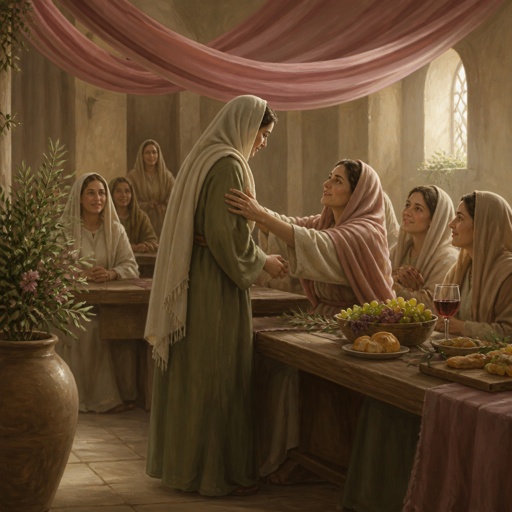
Artwork for Song of Solomon 2:11

Song of Solomon 2:11 - "For, lo, the winter is past, the rain is over and gone;"
"For, lo, the winter is past, the rain is over and gone;" - Song of Solomon 2:11
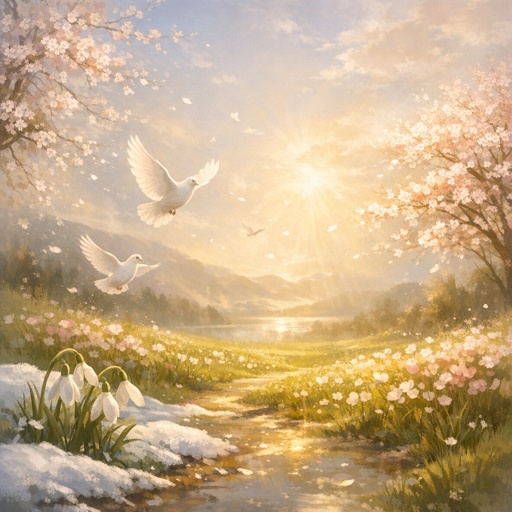
"For, lo, the winter is past, the rain is over and gone; The flowers appear on the earth; the time of the singing of birds is come, and the voice of the turtle is heard in our land;" - Song of Solomon 2:11-12

Song of Solomon 2:3

Song of Solomon 2:15

Song of Solomon 2:15

Song of Solomon 5:11

Song of Solomon 2:2 - "As the lily among thorns, so is my love among the daughters."

Song of Solomon 2:1 - "I am the rose of Sharon, and the lily of the valleys."

Song of Solomon 2:5 - "Stay me with flagons, comfort me with apples: for I am sick of love."

Song of Solomon 2:16 - "¶ My beloved is mine, and I am his: he feedeth among the lilies."

Song of Solomon 2:4 - "He brought me to the banqueting house, and his banner over me was love."

Song of Solomon 2:6 - "His left hand is under my head, and his right hand doth embrace me."

Song of Solomon 2:8 - "¶ The voice of my beloved! behold, he cometh leaping upon the mountains, skipping upon the hills."

Song of Solomon 1:11 - "We will make thee borders of gold with studs of silver."

Song of Solomon 2:10 - "My beloved spake, and said unto me, Rise up, my love, my fair one, and come away."

Song of Solomon 2:15 - "Take us the foxes, the little foxes, that spoil the vines: for our vines have tender grapes."

Song of Solomon 1:1 - "The song of songs, which is Solomon's."

Song of Solomon 2:1 – "I am a rose of Sharon, a lily of the valleys."

"I am the rose of Sharon, and the lily of the valleys." - Song of Solomon 2:1

Song of Solomon 5:11 - "His head is as the most fine gold, his locks are bushy, and black as a raven."

Song of Solomon 8:11 - "Solomon had a vineyard at Baal-hamon; he let out the vineyard unto keepers; every one for the fruit thereof was to bring a thousand pieces of silver."

Songs of Solomon 1:2
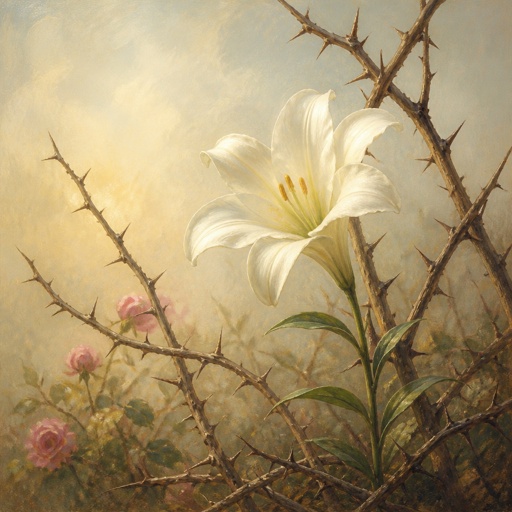
"As the lily among thorns, so is my love among the daughters." - Song of Solomon 2:2
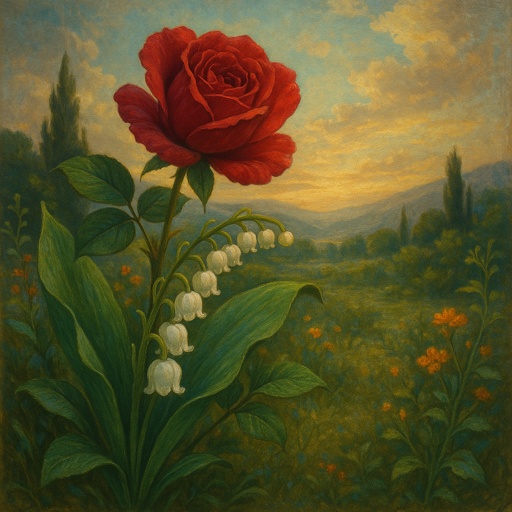
"I am the rose of Sharon, and the lily of the valleys." - Song of Solomon 2:1
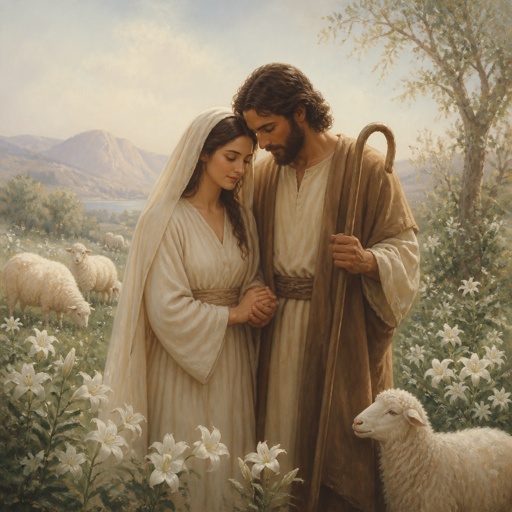
"¶ My beloved is mine, and I am his: he feedeth among the lilies." - Song of Solomon 2:16
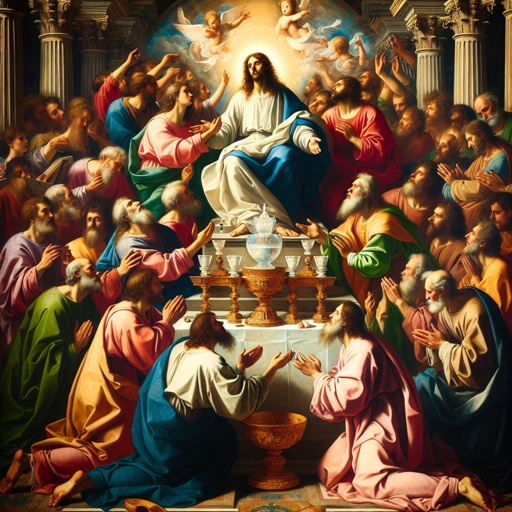
1 Songs of Solomon 1:1

Song of Solomon 7:11 - "Come, my beloved, let us go forth into the field; let us lodge in the villages."
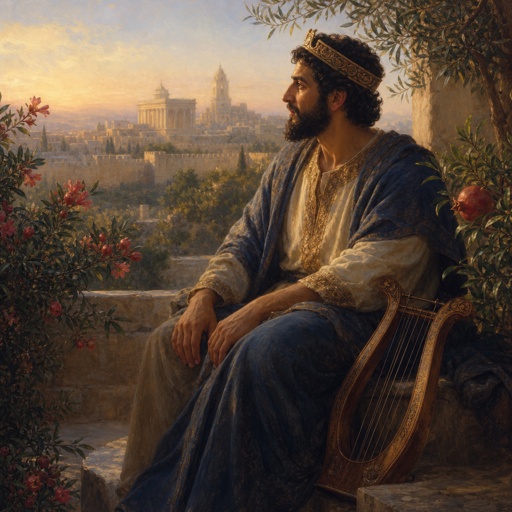
"The song of songs, which is Solomon's." - Song of Solomon 1:1
"He brought me to the banqueting house, and his banner over me was love." - Song of Solomon 2:4