What does Song of Solomon 2:7 mean?
“I charge you, O ye daughters of Jerusalem, by the roes, and by the hinds of the field, that ye stir not up, nor awake my love, till he please.” — Song of Solomon 2:7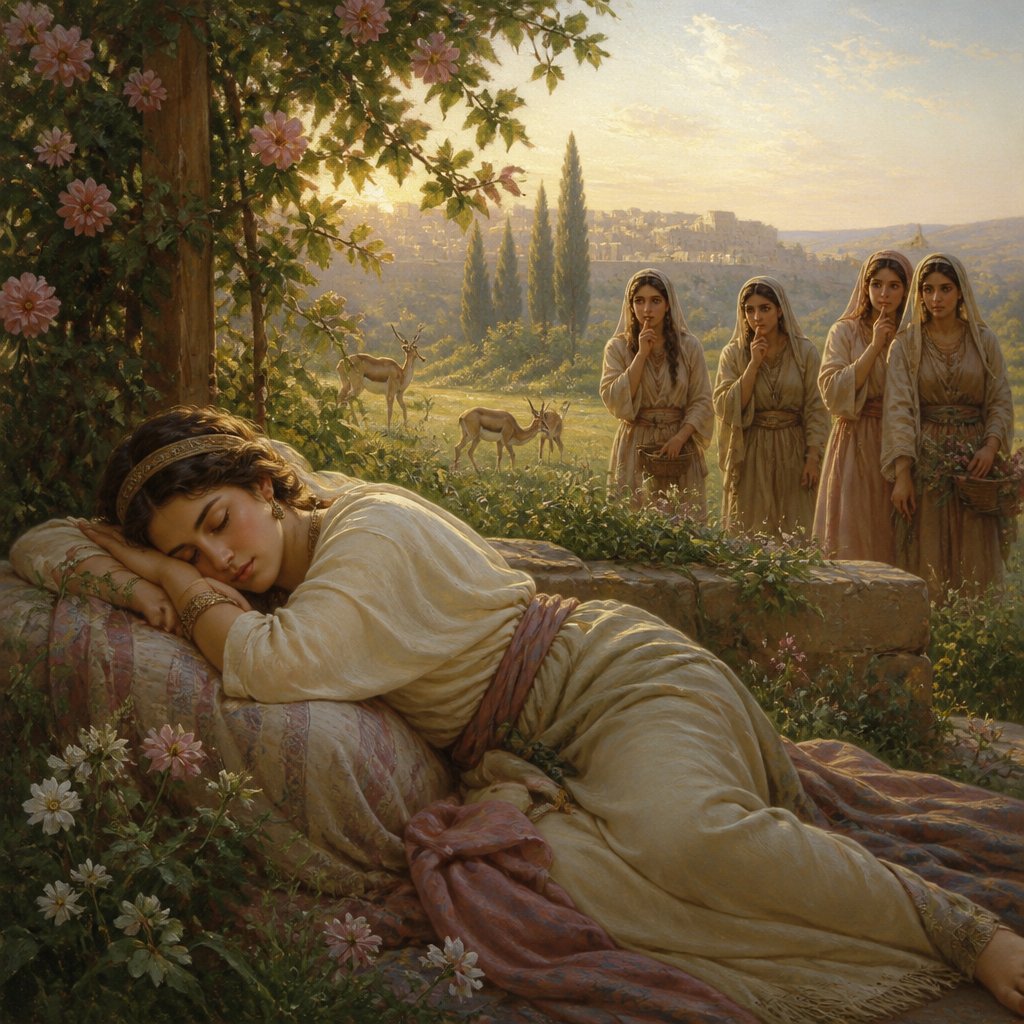
Song of Solomon 2:7 in the King James Version of the Bible reads, "I charge you, O ye daughters of Jerusalem, by the roes, and by the hinds of the field, that ye stir not up, nor awake my love, till he please."
The Song of Solomon, also known as the Song of Songs, is a book in the Old Testament that is considered to be a beautiful and poetic love song. It is traditionally attributed to King Solomon, and it explores the themes of love, desire, and the intimacy between a man and a woman. Many scholars and theologians interpret the book as an allegory of the love between God and his people, while others see it as a celebration of human love and passion.
In Song of Solomon 2:7, the speaker is addressing the daughters of Jerusalem, urging them not to disturb or awaken her love until he desires it. The language used in this verse is rich with symbolism and metaphor, and it reflects the deep intimacy and longing between the lovers.
One of the central themes of Song of Solomon is the idea of patient and respectful love. The speaker's plea to the daughters of Jerusalem not to stir up or awaken her love until he pleases is a reflection of the importance of waiting for the right time and respecting the desires and boundaries of one's beloved. This verse can be seen as a call for patience and self-control in matters of love and desire.
The use of the imagery of "the roes and by the hinds of the field" adds to the symbolic depth of the verse. In the Bible, roes and hinds are often associated with grace, beauty, and gentleness. They are also known for their swiftness and agility. By invoking these animals, the speaker is drawing attention to the delicate and tender nature of love and the need to handle it with care and sensitivity.
This verse also emphasizes the importance of mutual desire and consent in a loving relationship. The speaker's plea to the daughters of Jerusalem is an assertion of her love's autonomy and agency. She is asking for her love to be awakened only when he desires it, highlighting the significance of reciprocal feelings and the equal participation of both partners in a relationship.
In a broader context, Song of Solomon 2:7 can also be interpreted as a metaphor for the relationship between God and his people. The speaker's plea can be seen as a representation of the soul's yearning for a deep and intimate connection with the divine. Just as the lover in the verse asks for patience and respect in love, so too do believers seek to honor God's timing and will in their spiritual journey.
Overall, Song of Solomon 2:7 is a poignant and evocative verse that captures the tender and passionate nature of love. It speaks to the themes of patience, mutual desire, and the reverence for the autonomy of one's beloved. Whether approached as a literal love song or as an allegory for the spiritual connection between humanity and the divine, this verse offers profound insights into the complexities and beauties of love and desire.
Get our apps


Artwork for Song of Solomon 2:7
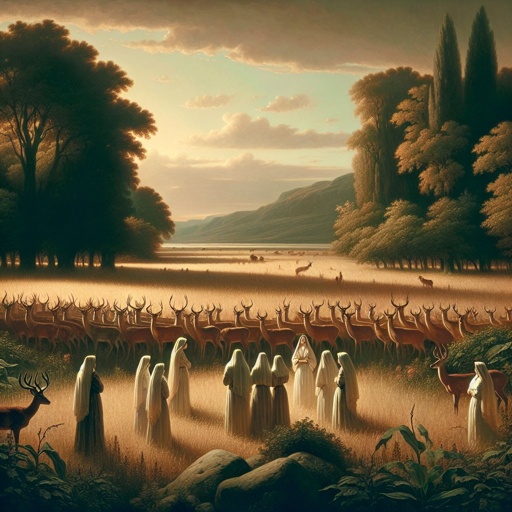
Song of Solomon 2:7 - "I charge you, O ye daughters of Jerusalem, by the roes, and by the hinds of the field, that ye stir not up, nor awake my love, till he please."
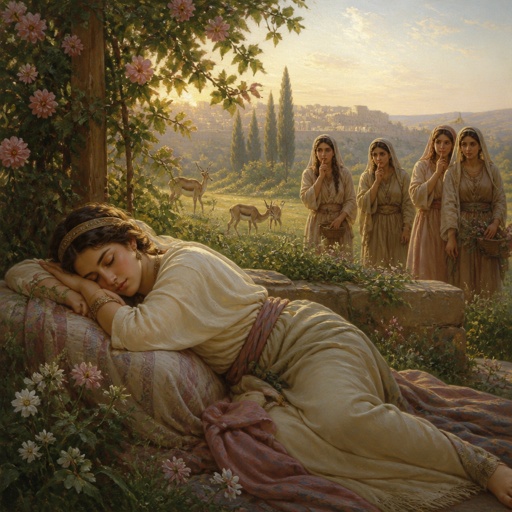
"I charge you, O ye daughters of Jerusalem, by the roes, and by the hinds of the field, that ye stir not up, nor awake my love, till he please." - Song of Solomon 2:7

Song of Solomon 2:3

Song of Solomon 2:15

Song of Solomon 2:15

Song of Solomon 2:2 - "As the lily among thorns, so is my love among the daughters."

Song of Solomon 2:11 - "For, lo, the winter is past, the rain is over and gone;"

Song of Solomon 2:1 - "I am the rose of Sharon, and the lily of the valleys."

Song of Solomon 2:5 - "Stay me with flagons, comfort me with apples: for I am sick of love."

Song of Solomon 7:2 - "Thy navel is like a round goblet, which wanteth not liquor: thy belly is like an heap of wheat set about with lilies."

Song of Solomon 7:7 - "This thy stature is like to a palm tree, and thy breasts to clusters of grapes."

Song of Solomon 2:16 - "¶ My beloved is mine, and I am his: he feedeth among the lilies."

Song of Solomon 2:4 - "He brought me to the banqueting house, and his banner over me was love."

Song of Solomon 2:6 - "His left hand is under my head, and his right hand doth embrace me."

Song of Solomon 2:8 - "¶ The voice of my beloved! behold, he cometh leaping upon the mountains, skipping upon the hills."

Song of Solomon 6:7 - "As a piece of a pomegranate are thy temples within thy locks."

Song of Solomon 2:10 - "My beloved spake, and said unto me, Rise up, my love, my fair one, and come away."
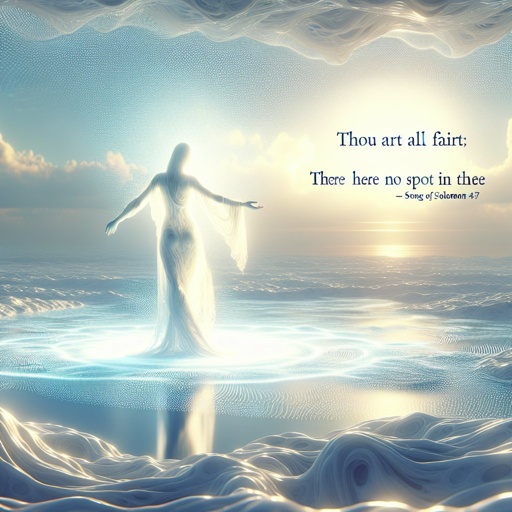
Song of Solomon 4:7 - "Thou art all fair, my love; there is no spot in thee."

Song of Solomon 7:3 - "Thy two breasts are like two young roes that are twins."

Song of Solomon 7:10 - "¶ I am my beloved's, and his desire is toward me."

Song of Solomon 2:15 - "Take us the foxes, the little foxes, that spoil the vines: for our vines have tender grapes."

Song of Solomon 2:1 – "I am a rose of Sharon, a lily of the valleys."

"I am the rose of Sharon, and the lily of the valleys." - Song of Solomon 2:1

Song of Solomon 7:6 - "How fair and how pleasant art thou, O love, for delights!"

Song of Solomon 3:7 - "Behold his bed, which is Solomon's; threescore valiant men are about it, of the valiant of Israel."

Songs of Solomon 1:2
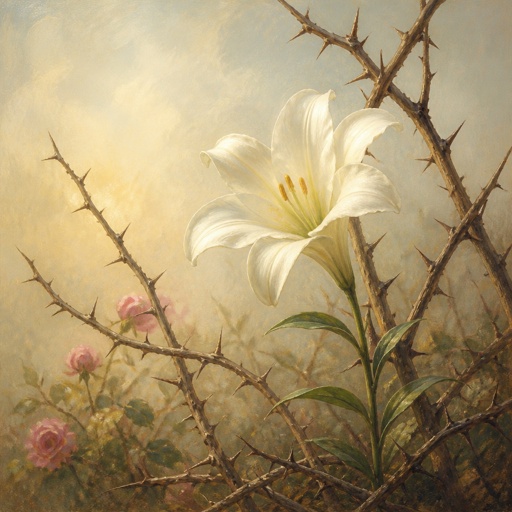
"As the lily among thorns, so is my love among the daughters." - Song of Solomon 2:2

"For, lo, the winter is past, the rain is over and gone;" - Song of Solomon 2:11
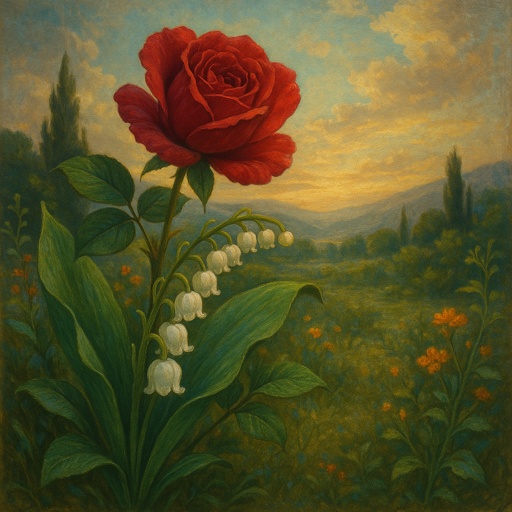
"I am the rose of Sharon, and the lily of the valleys." - Song of Solomon 2:1
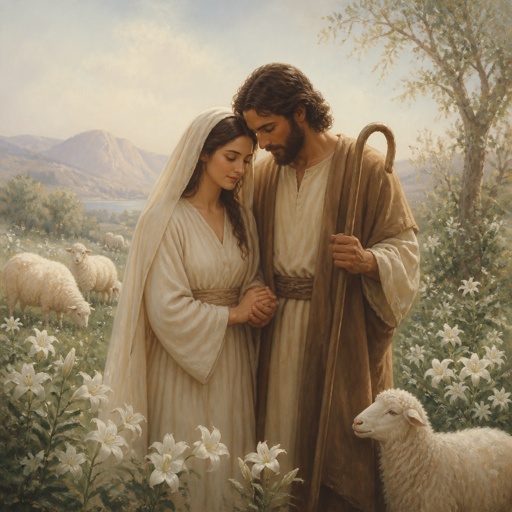
"¶ My beloved is mine, and I am his: he feedeth among the lilies." - Song of Solomon 2:16