What does Song of Solomon 4:11 mean?
“Thy lips, O my spouse, drop as the honeycomb: honey and milk are under thy tongue; and the smell of thy garments is like the smell of Lebanon.” — Song of Solomon 4:11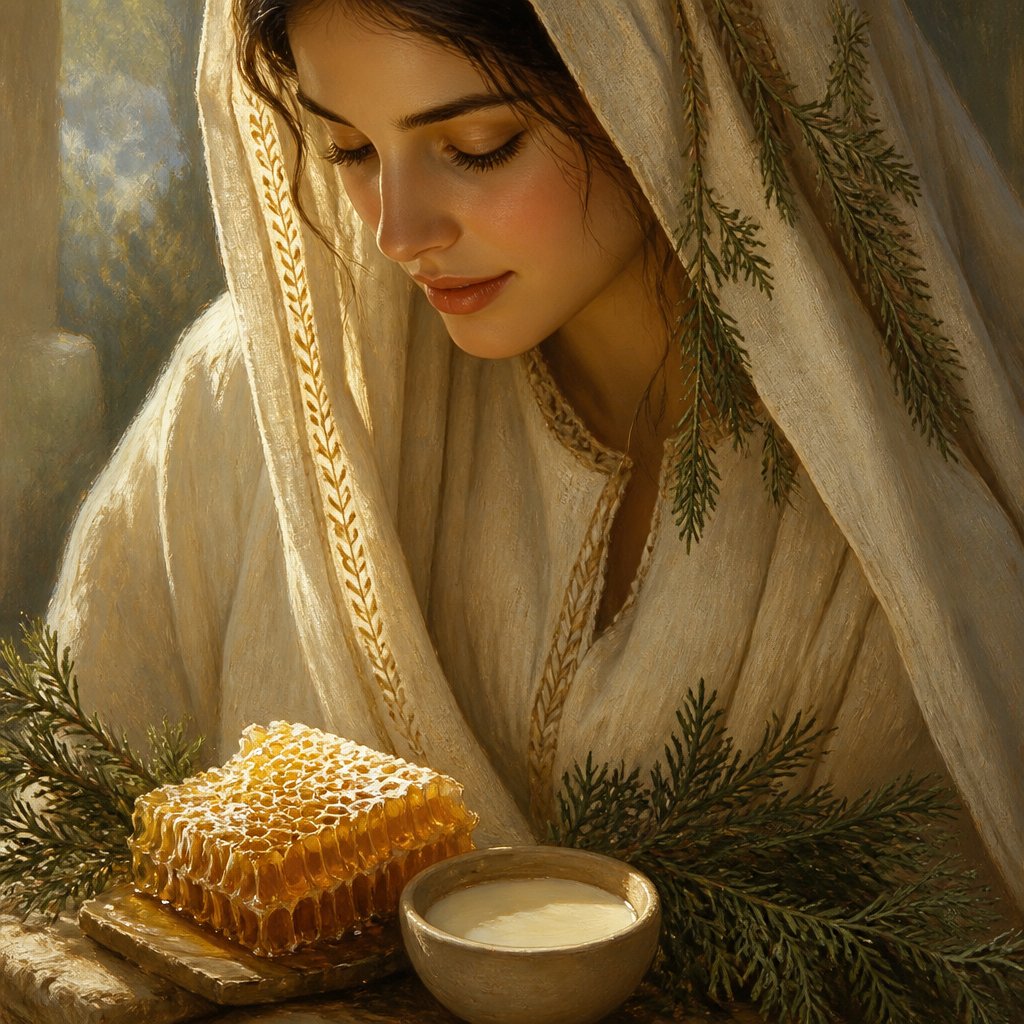
Song of Solomon 4:11 in the King James Version of the Bible reads:
"Thy lips, O my spouse, drop as the honeycomb: honey and milk are under thy tongue; and the smell of thy garments is like the smell of Lebanon."
The Song of Solomon, also known as the Song of Songs, is one of the most beautiful and poetic books in the Bible. It is a collection of love poems that celebrate the beauty of romantic and sensual love, and it has been interpreted in several different ways throughout history. This verse in particular offers a vivid and sensual description of the beloved's attributes, using the imagery of honey, milk, and the sweet smell of Lebanon.
In this verse, the speaker, traditionally interpreted as Solomon, is praising his beloved's lips, describing them as dropping down like the honeycomb. This simile is a powerful and evocative image, suggesting that the beloved's lips are not only sweet and desirable, but also abundant in their sweetness, much like the honeycomb itself. In ancient times, honey was highly valued for its sweetness and its association with abundance and prosperity, so comparing the beloved's lips to a honeycomb would have been a high compliment. The image also suggests that the beloved's words are as sweet and nourishing as honey, adding a layer of depth to the description.
Additionally, the reference to honey and milk under the beloved's tongue further emphasizes the idea of sweetness and nourishment. In biblical times, honey and milk were symbols of fertility, abundance, and nurturing, and the mention of these substances under the beloved's tongue suggests that her words and actions are not only sweet, but also nurturing and life-giving. This imagery also underscores the intimate and sensual nature of the relationship being described, as it suggests a closeness and symbiosis between the speaker and his beloved.
The final part of the verse describes the smell of the beloved's garments as being like the smell of Lebanon. Lebanon was known for its fragrant cedar trees, and its scent was associated with luxury and beauty in the ancient Near East. By comparing the smell of the beloved's garments to the scent of Lebanon, the speaker is further emphasizing the beloved's attractiveness and desirability. This imagery suggests that the beloved is not only physically beautiful, but also exudes a sense of luxury and allure that captivates the senses.
Overall, this verse from the Song of Solomon is a rich and evocative celebration of the beloved's physical and spiritual attributes. It uses lush and sensuous imagery to convey the depth of the speaker's admiration and desire for the beloved, while also capturing the romantic and intimate nature of the relationship being described.
In terms of themes, this verse speaks to the power and allure of romantic love, as well as the ways in which physical and emotional attraction can manifest in a relationship. It also touches on themes of beauty, desire, and intimacy, and the ways in which these elements can intertwine to create a deep and meaningful connection between two people. The verse also highlights the importance of words and actions in love, suggesting that the beloved's sweetness and nurturing nature are just as important as her physical beauty.
In a larger context, the Song of Solomon has been interpreted in several different ways throughout history. Some have seen it as a celebration of human love and sexuality, while others have viewed it as an allegory for the relationship between God and his people, or between Christ and the church. This verse, with its lush and sensuous imagery, can be seen as capturing the depth and richness of human relationships, as well as the divine and spiritual dimensions of love and attraction.
In conclusion, Song of Solomon 4:11 is a beautiful and evocative verse that captures the depth and richness of romantic love. Its vivid imagery and sensual language speak to the power of physical and emotional attraction, while also conveying the depth of the speaker's admiration and desire for the beloved. It is a verse that celebrates the beauty and allure of human relationships, and the ways in which love can be experienced on both a physical and spiritual level.
Get our apps


Artwork for Song of Solomon 4:11

Song of Solomon 4:11 - "Thy lips, O my spouse, drop as the honeycomb: honey and milk are under thy tongue; and the smell of thy garments is like the smell of Lebanon."
"Thy lips, O my spouse, drop as the honeycomb: honey and milk are under thy tongue; and the smell of thy garments is like the smell of Lebanon." - Song of Solomon 4:11

Song of Solomon 5:11

Song of Solomon 1:4

Song of Solomon 3:4

Song of Solomon 1:4

Song of Solomon 4:13 - "Thy plants are an orchard of pomegranates, with pleasant fruits; camphire, with spikenard,"

Song of Solomon 4:7 - "Thou art all fair, my love; there is no spot in thee."

Song of Solomon 4:15 - "A fountain of gardens, a well of living waters, and streams from Lebanon."

Song of Solomon 2:11 - "For, lo, the winter is past, the rain is over and gone;"

Song of Solomon 4:12 - "A garden inclosed is my sister, my spouse; a spring shut up, a fountain sealed."

Song of Solomon 1:11 - "We will make thee borders of gold with studs of silver."

Song of Solomon 4:5 - "Thy two breasts are like two young roes that are twins, which feed among the lilies."

Song of Solomon 4:14 - "Spikenard and saffron; calamus and cinnamon, with all trees of frankincense; myrrh and aloes, with all the chief spices:"
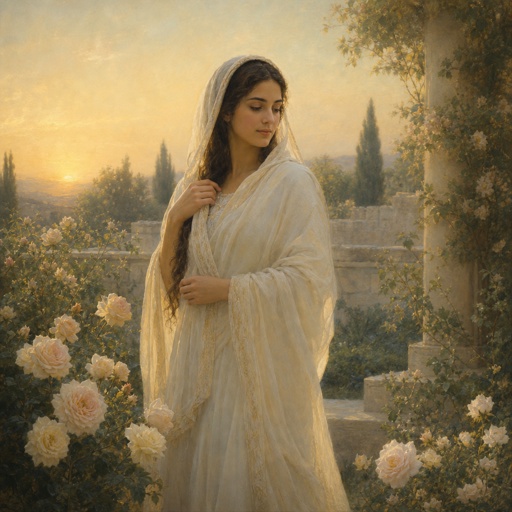
"Thou art all fair, my love; there is no spot in thee." - Song of Solomon 4:7

Song of Solomon 1:1 - "The song of songs, which is Solomon's."
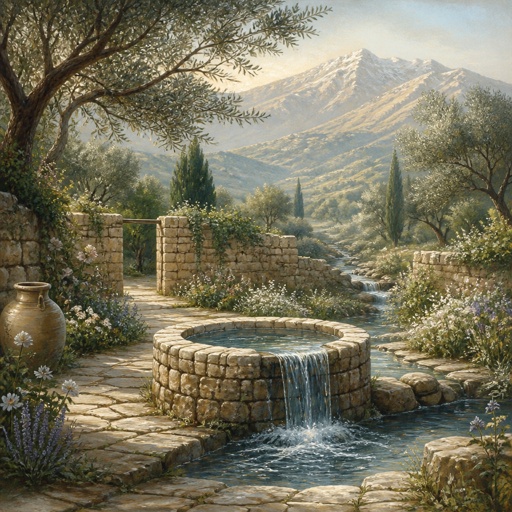
"A fountain of gardens, a well of living waters, and streams from Lebanon." - Song of Solomon 4:15

Song of Solomon 5:11 - "His head is as the most fine gold, his locks are bushy, and black as a raven."

Song of Solomon 8:11 - "Solomon had a vineyard at Baal-hamon; he let out the vineyard unto keepers; every one for the fruit thereof was to bring a thousand pieces of silver."

Song of Solomon 4:6 - "Until the day break, and the shadows flee away, I will get me to the mountain of myrrh, and to the hill of frankincense."

Song of Solomon 4:3 - "Thy lips are like a thread of scarlet, and thy speech is comely: thy temples are like a piece of a pomegranate within thy locks."
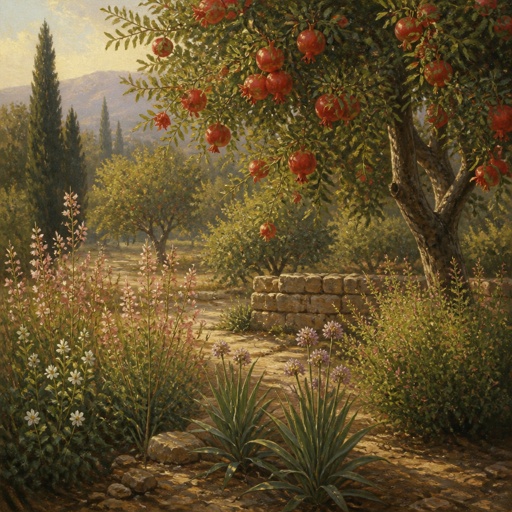
"Thy plants are an orchard of pomegranates, with pleasant fruits; camphire, with spikenard," - Song of Solomon 4:13
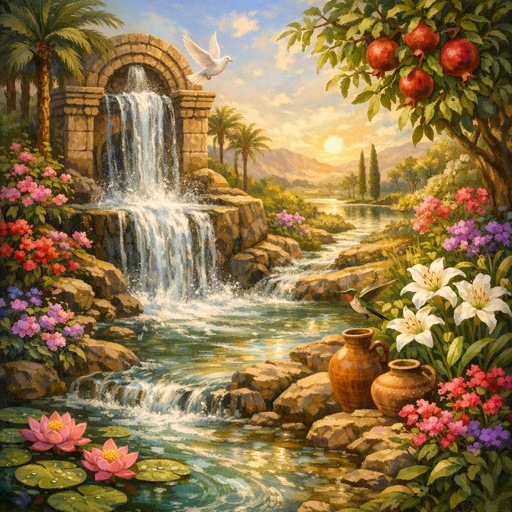
"A fountain of gardens, a well of living waters, and streams from Lebanon." - Song of Solomon 4:15

Song of Solomon 4:4 - "Thy neck is like the tower of David builded for an armoury, whereon there hang a thousand bucklers, all shields of mighty men."
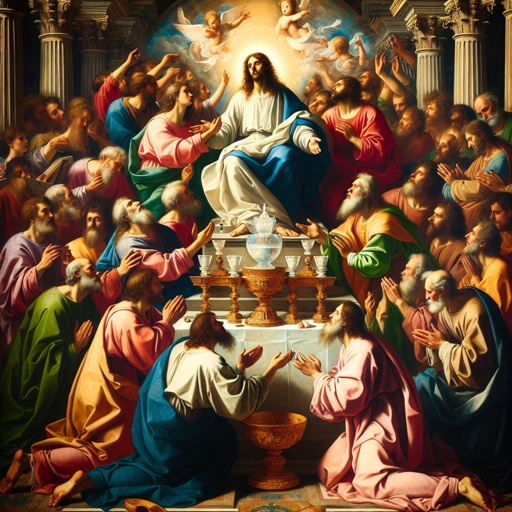
1 Songs of Solomon 1:1

Song of Solomon 4:9 - "Thou hast ravished my heart, my sister, my spouse; thou hast ravished my heart with one of thine eyes, with one chain of thy neck."

Song of Solomon 2:4 - "He brought me to the banqueting house, and his banner over me was love."

Song of Solomon 7:11 - "Come, my beloved, let us go forth into the field; let us lodge in the villages."
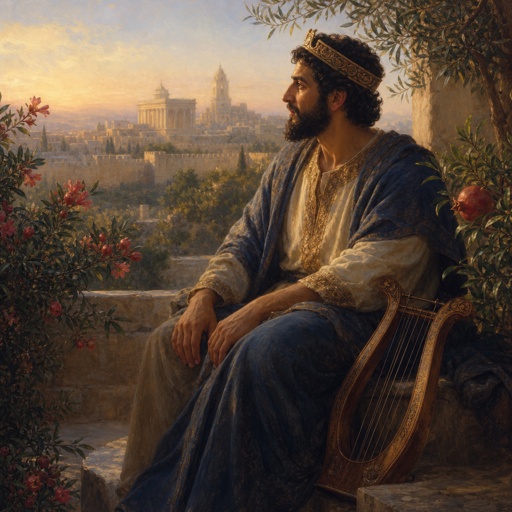
"The song of songs, which is Solomon's." - Song of Solomon 1:1

Song of Solomon 3:11 - "Go forth, O ye daughters of Zion, and behold king Solomon with the crown wherewith his mother crowned him in the day of his espousals, and in the day of the gladness of his heart."