What does Song of Solomon 8:11 mean?
“Solomon had a vineyard at Baal-hamon; he let out the vineyard unto keepers; every one for the fruit thereof was to bring a thousand pieces of silver.” — Song of Solomon 8:11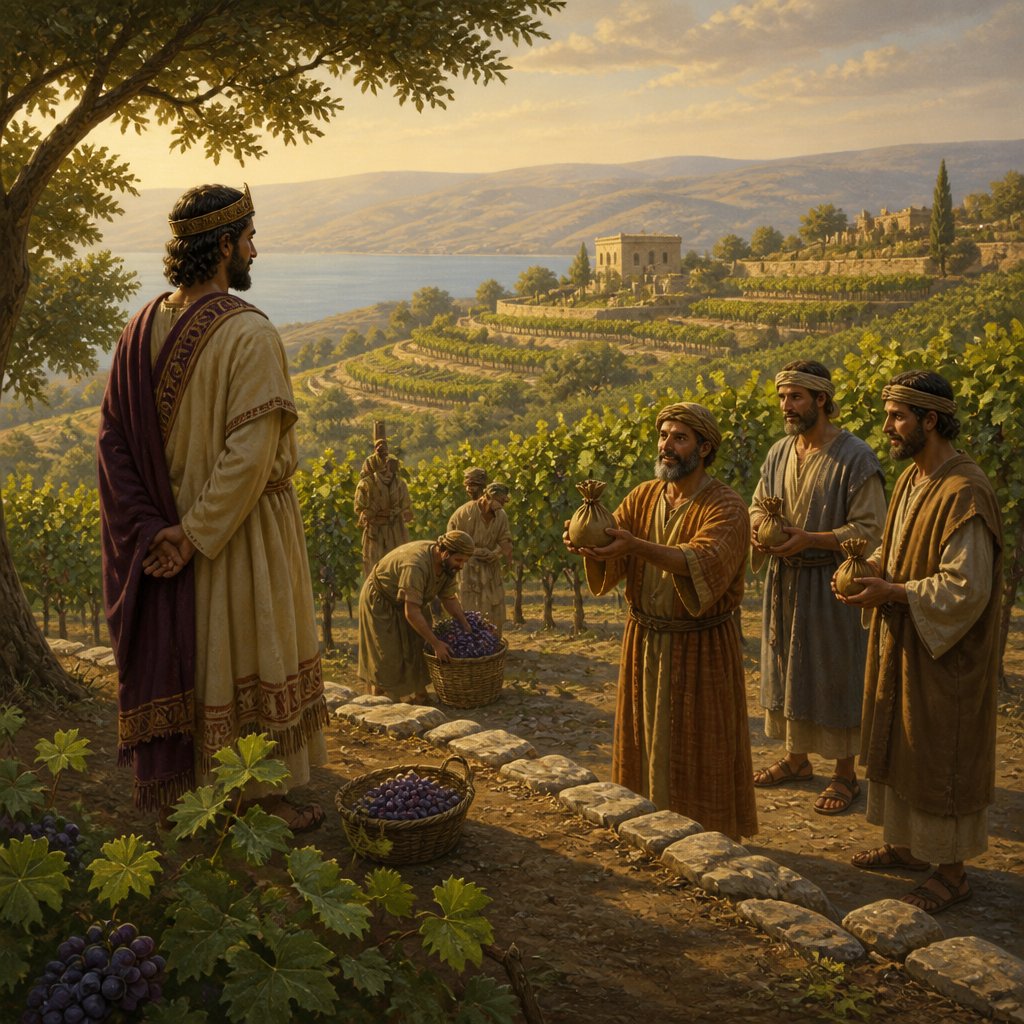
Song of Solomon 8:11 (KJV) says, "Solomon had a vineyard at Baalhamon; he let out the vineyard unto keepers; every one for the fruit thereof was to bring a thousand pieces of silver."
This verse from the Song of Solomon, also known as the Song of Songs, is a part of a love poem that traditionally has been attributed to King Solomon. It is a celebration of the love between a man and a woman, and has been interpreted both literally as a romantic love story and allegorically as a representation of the love between God and his people.
In this particular verse, the focus is on a vineyard owned by Solomon in Baalhamon. The imagery of a vineyard is a common motif in biblical literature, often symbolizing God's people or the people of Israel. In this context, the vineyard may represent the woman in the love poem, as she is often described in terms of natural beauty and fertility.
Solomon letting out the vineyard to keepers could represent his care and protection of the woman, as well as his trust in her to tend to the vineyard and produce fruit. The payment of a thousand pieces of silver for the fruit of the vineyard reflects the value and worth of the woman, as well as the expectation of a bountiful harvest.
The use of the vineyard as a symbol for the woman in the poem is fitting, as the vineyard requires nurturing, protection, and attention to produce abundant fruit. Similarly, the woman in the poem is depicted as deserving of care and affection in order to thrive and flourish.
In a broader context, this verse can also be seen as a reflection of God's care and provision for his people. The vineyard owned by Solomon can be likened to the kingdom of God, and the keepers can represent the leaders and caretakers of the church. The payment of silver for the fruit can be seen as a reminder of the value of the spiritual gifts and blessings that God bestows on his people.
The significance of the vineyard being located in Baalhamon is also worth noting. Baalhamon is not mentioned elsewhere in the Bible, and its exact location is unknown. However, the name "Baal" has connections to Canaanite and Phoenician deities, and it is possible that Baalhamon was a place associated with these pagan religions. In this light, the vineyard in Baalhamon could be seen as a metaphor for the church or God's people being amidst the influences of the world, yet still bearing fruit for the kingdom.
There are several themes and lessons that can be drawn from this verse. One of the key themes is the value and worth of the woman, as well as the idea of reciprocity in relationships. The payment of silver for the fruit suggests a mutual benefit and reward for the labor and care that is invested. This can be seen as a reflection of the importance of respect, appreciation, and mutual support in romantic relationships, as well as in the relationship between God and his people.
Additionally, the vineyard motif emphasizes the idea of growth, fertility, and the potential for abundance. This can be seen as a reminder of the importance of nurturing and cultivating relationships, as well as the need for spiritual growth and fruitfulness in the Christian life.
In conclusion, Song of Solomon 8:11 is a rich and evocative verse that offers a glimpse into the themes of love, value, and reciprocity, as well as the symbolic significance of the vineyard and its connection to God's care for his people. Through its imagery and language, this verse invites readers to contemplate the depth of love and the blessings that come from tending to and nurturing relationships, as well as the spiritual growth and fruitfulness that result from our connection to God.
Get our apps


Artwork for Song of Solomon 8:11

Song of Solomon 8:11 - "Solomon had a vineyard at Baal-hamon; he let out the vineyard unto keepers; every one for the fruit thereof was to bring a thousand pieces of silver."
"Solomon had a vineyard at Baal-hamon; he let out the vineyard unto keepers; every one for the fruit thereof was to bring a thousand pieces of silver." - Song of Solomon 8:11
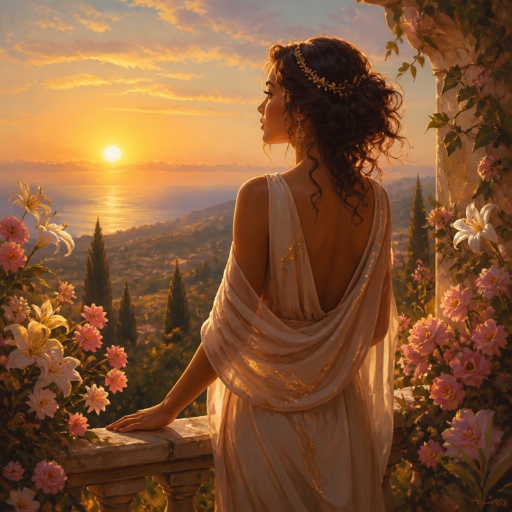
Songs of solomon 8:10

Song of Solomon 5:11

Song of Solomon 8:3 - "His left hand should be under my head, and his right hand should embrace me."

Song of Solomon 2:11 - "For, lo, the winter is past, the rain is over and gone;"

Song of Solomon 1:11 - "We will make thee borders of gold with studs of silver."

Song of Solomon 6:8 - "There are threescore queens, and fourscore concubines, and virgins without number."

Song of Solomon 8:13 - "Thou that dwellest in the gardens, the companions hearken to thy voice: cause me to hear it."

Song of Solomon 8:14 - "¶ Make haste, my beloved, and be thou like to a roe or to a young hart upon the mountains of spices."

Song of Solomon 1:1 - "The song of songs, which is Solomon's."

Song of Solomon 8:4 - "I charge you, O daughters of Jerusalem, that ye stir not up, nor awake my love, until he please."
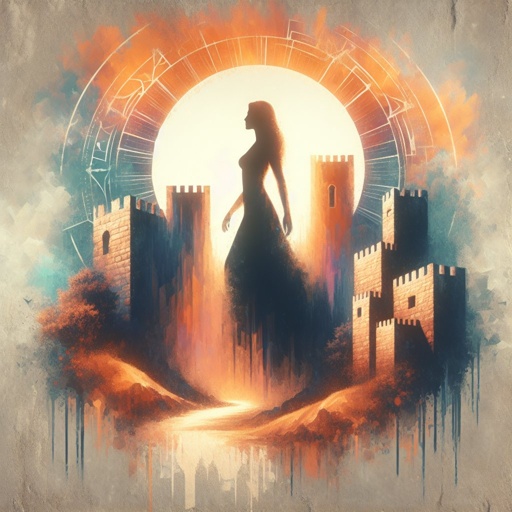
Song of Solomon 8:10 - "I am a wall, and my breasts like towers: then was I in his eyes as one that found favour."

Song of Solomon 5:11 - "His head is as the most fine gold, his locks are bushy, and black as a raven."

Song of Solomon 8:12 - "My vineyard, which is mine, is before me: thou, O Solomon, must have a thousand, and those that keep the fruit thereof two hundred."

Song of Solomon 8:8 - "¶ We have a little sister, and she hath no breasts: what shall we do for our sister in the day when she shall be spoken for?"
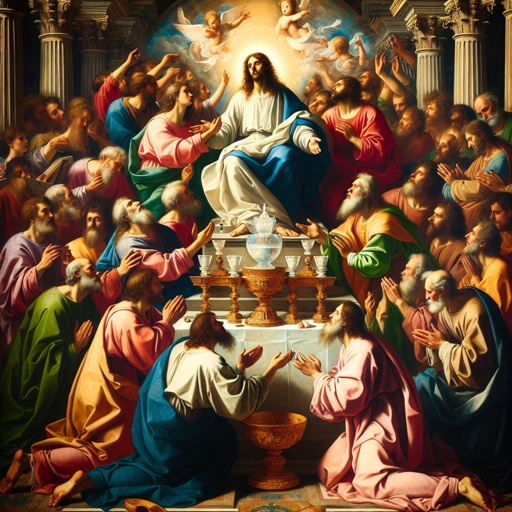
1 Songs of Solomon 1:1

"Many waters cannot quench love, neither can the floods drown it: if a man would give all the substance of his house for love, it would utterly be contemned." - Song of Solomon 8:7

Song of Solomon 7:11 - "Come, my beloved, let us go forth into the field; let us lodge in the villages."
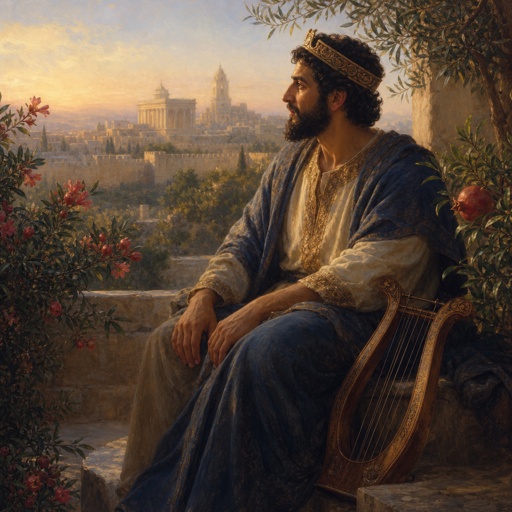
"The song of songs, which is Solomon's." - Song of Solomon 1:1

Song of Solomon 2:8 - "¶ The voice of my beloved! behold, he cometh leaping upon the mountains, skipping upon the hills."

Song of Solomon 3:11 - "Go forth, O ye daughters of Zion, and behold king Solomon with the crown wherewith his mother crowned him in the day of his espousals, and in the day of the gladness of his heart."

Song of Solomon 8:7 - "Many waters cannot quench love, neither can the floods drown it: if a man would give all the substance of his house for love, it would utterly be contemned."
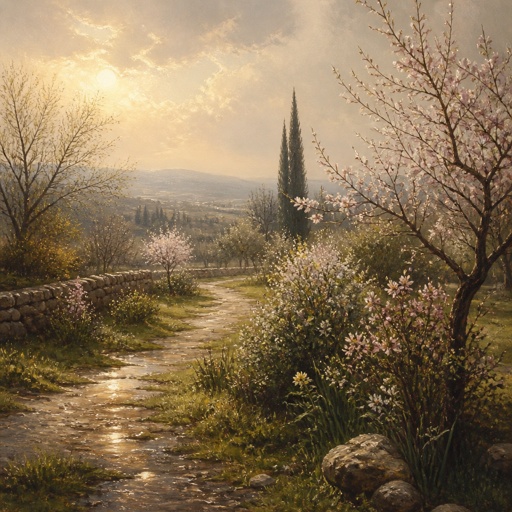
"For, lo, the winter is past, the rain is over and gone;" - Song of Solomon 2:11
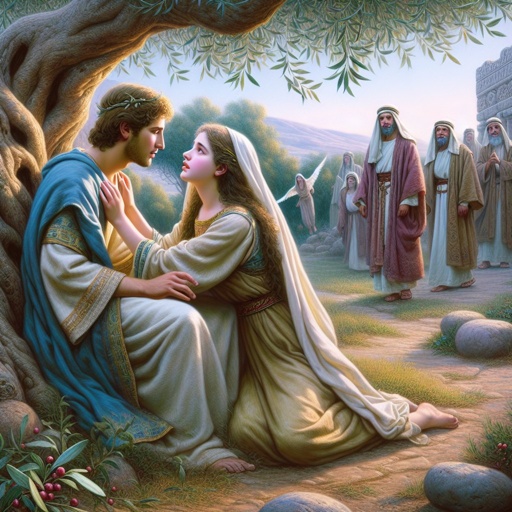
Song of Solomon 8:1 - "O that thou wert as my brother, that sucked the breasts of my mother! when I should find thee without, I would kiss thee; yea, I should not be despised."

Song of Solomon 8:2 - "I would lead thee, and bring thee into my mother's house, who would instruct me: I would cause thee to drink of spiced wine of the juice of my pomegranate."

Song of Solomon 2:15

Song of Solomon 1:4

Song of Solomon 6:11 - "I went down into the garden of nuts to see the fruits of the valley, and to see whether the vine flourished, and the pomegranates budded."
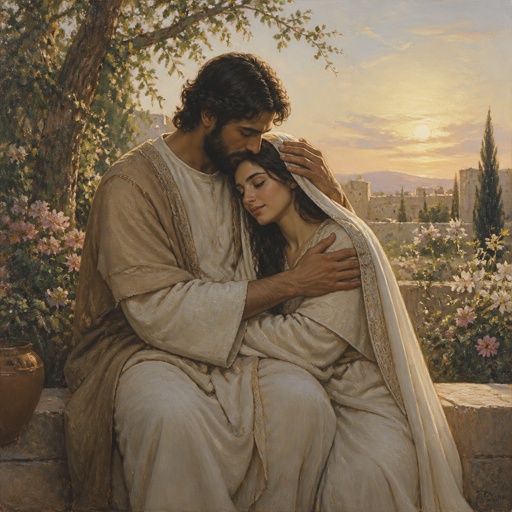
"His left hand should be under my head, and his right hand should embrace me." - Song of Solomon 8:3