What does Song of Solomon 1:4 mean?
“Draw me, we will run after thee: the king hath brought me into his chambers: we will be glad and rejoice in thee, we will remember thy love more than wine: the upright love thee.” — Song of Solomon 1:4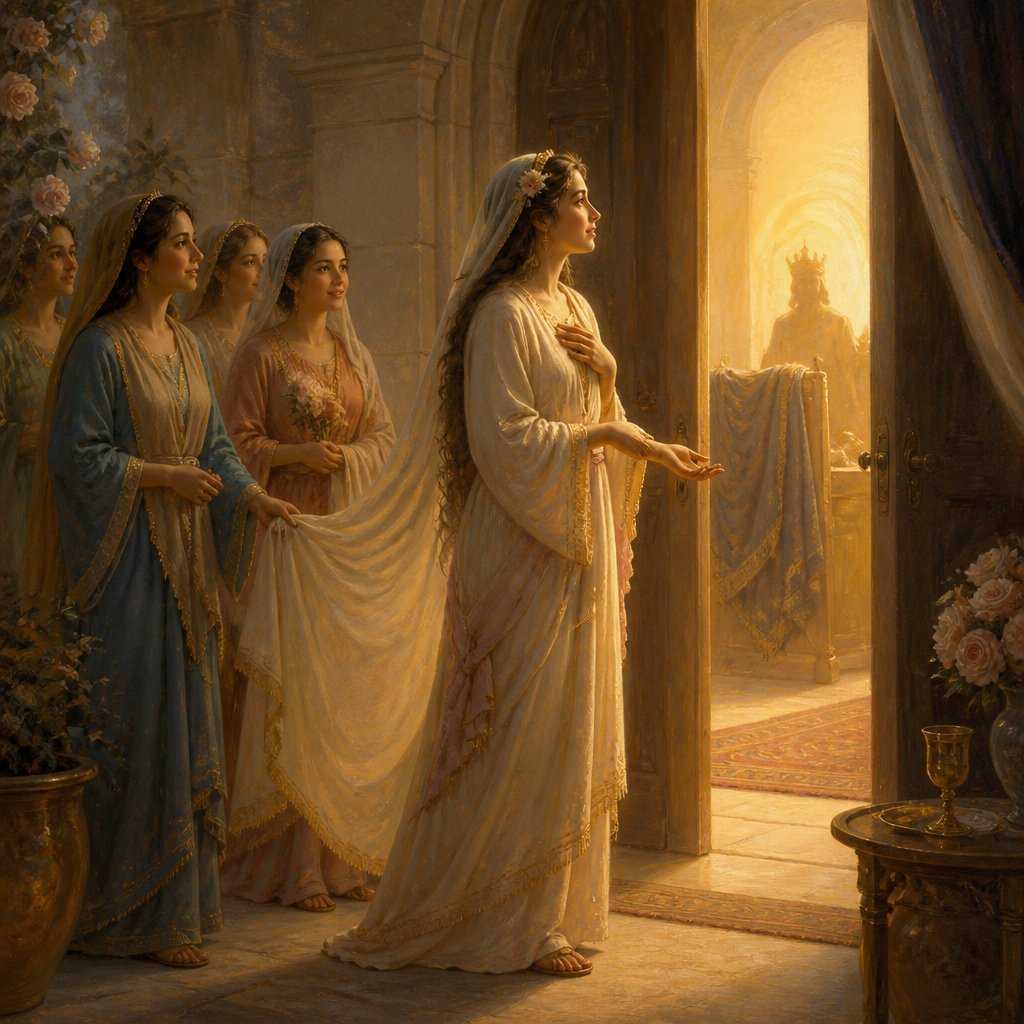
Song of Solomon 1:4 (KJV) - "Draw me, we will run after thee: the king hath brought me into his chambers: we will be glad and rejoice in thee, we will remember thy love more than wine: the upright love thee."
The Song of Solomon, also known as the Song of Songs, is a beautiful and enigmatic book found in the Old Testament of the Bible. It is a book that is filled with romantic and passionate verses, and it often describes the love between a man and a woman. Some interpretations of the book see it as an allegory of the love between God and His people, while others see it as a celebration of human love and the beauty of romantic relationships. Song of Solomon 1:4 is a verse that holds great significance within the book, and it is filled with rich symbolism and meaning.
In this verse, the woman in the Song of Solomon is expressing her desire to be drawn closer to her beloved. She says, "Draw me, we will run after thee," indicating her eagerness to be drawn to her lover and to follow him wherever he leads. This portrays a sense of willingness and a desire for intimacy and closeness in their relationship. The woman acknowledges the role of the king in bringing her into his chambers, signifying his authority and power, as well as her trust and confidence in him to provide for her and lead her into a place of safety and intimacy.
The verse continues with the woman expressing her joy and happiness in being with her beloved, stating, "we will be glad and rejoice in thee." This demonstrates her deep satisfaction and contentment in their relationship, as well as her anticipation of the joy and happiness that will come from being with him. She then goes on to say, "we will remember thy love more than wine," highlighting the enduring nature of their love and the prominence it holds in their lives. Wine is often associated with celebration and joy, and the woman's statement signifies that the love she shares with her beloved is more exhilarating and satisfying than any earthly pleasure.
Finally, the verse ends with the woman proclaiming, "the upright love thee," emphasizing the righteousness and purity of their love. This indicates that their love is built on a strong foundation of honesty, integrity, and faithfulness, and it reflects a deep commitment and devotion to one another. The woman's declaration of the upright nature of their love serves as a testament to the strength and purity of their relationship.
In the broader context of the Song of Solomon, this verse is a beautiful portrayal of the depth and intensity of human love and the joy that it brings. The book as a whole is a celebration of romantic love, passion, and intimacy, and it explores the complexities and nuances of human relationships. It also invites readers to reflect on the beauty of love and the profound emotions that it evokes.
Symbolically, Song of Solomon 1:4 can also be interpreted as an allegory of the love between God and His people. The woman's longing to be drawn closer to her beloved can be seen as a representation of the believer's desire for a closer relationship with God. The king bringing her into his chambers can be viewed as God's invitation to enter into His presence and experience His love and provision. The joy and rejoicing expressed by the woman can symbolize the happiness and fulfillment found in a relationship with God, while her statement about remembering the love more than wine can signify the abiding nature of God's love and its surpassing value. The woman's affirmation of the upright nature of their love can also reflect the righteousness and faithfulness of God's love for His people.
In conclusion, Song of Solomon 1:4 is a verse that holds deep significance and symbolism within the Song of Solomon. It encompasses themes of love, joy, intimacy, and commitment, and it can be appreciated both as a celebration of human love and as an allegory of the love between God and His people. The verse invites us to reflect on the beauty and power of love, and it resonates with readers through its timeless portrayal of the complexities and depths of relationships.
Get our apps


Artwork for Song of Solomon 1:4

Song of Solomon 1:4

Song of Solomon 1:4

Song of Solomon 1:4 - "Draw me, we will run after thee: the king hath brought me into his chambers: we will be glad and rejoice in thee, we will remember thy love more than wine: the upright love thee."
"Draw me, we will run after thee: the king hath brought me into his chambers: we will be glad and rejoice in thee, we will remember thy love more than wine: the upright love thee." - Song of Solomon 1:4

Songs of Solomon 1:2

Song of Solomon 1:1 - "The song of songs, which is Solomon's."
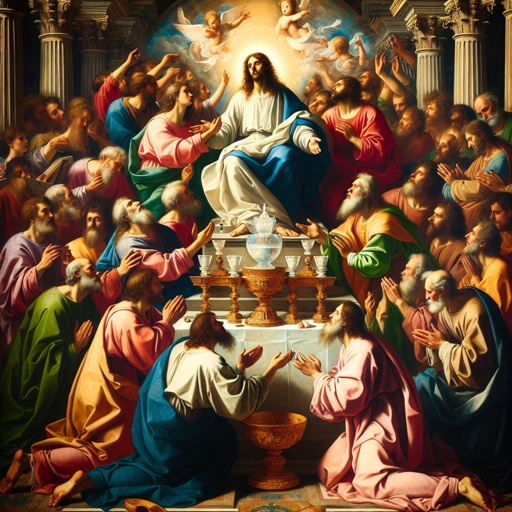
1 Songs of Solomon 1:1
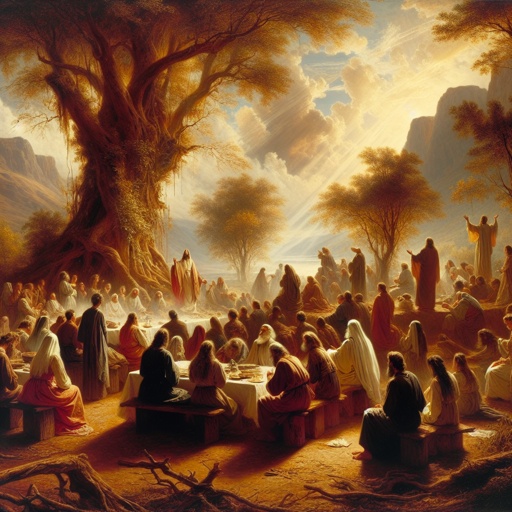
1 songs of Solomon 1:2
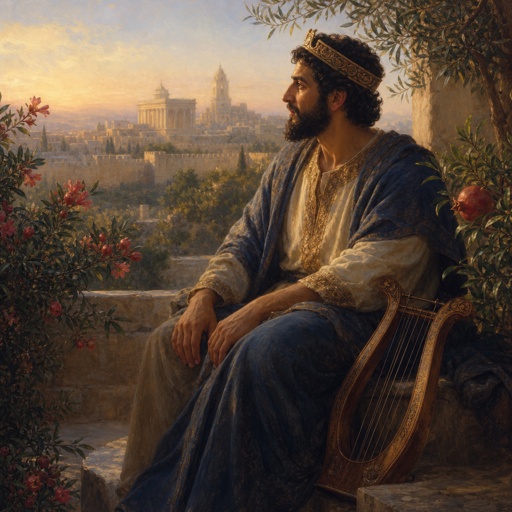
"The song of songs, which is Solomon's." - Song of Solomon 1:1

Song of Solomon 3:4

Song of Solomon 1:12 - "¶ While the king sitteth at his table, my spikenard sendeth forth the smell thereof."

Song of Solomon 1:11 - "We will make thee borders of gold with studs of silver."

Song of Solomon 1:5 - "I am black, but comely, O ye daughters of Jerusalem, as the tents of Kedar, as the curtains of Solomon."

Song of Solomon 1:15 - "Behold, thou art fair, my love; behold, thou art fair; thou hast doves' eyes."

Song of Solomon 1:9 - "I have compared thee, O my love, to a company of horses in Pharaoh's chariots."

Song of Solomon 1:17 - "The beams of our house are cedar, and our rafters of fir."

Song of Solomon 1:14 - "My beloved is unto me as a cluster of camphire in the vineyards of En-gedi."

Song of Solomon 1:16 - "Behold, thou art fair, my beloved, yea, pleasant: also our bed is green."

Song of Solomon 1:13 - "A bundle of myrrh is my wellbeloved unto me; he shall lie all night betwixt my breasts."

Song of Solomon 1:10 - "Thy cheeks are comely with rows of jewels, thy neck with chains of gold."

Song of Solomon 2:3

Song of Solomon 2:15

Song of Solomon 2:15

Song of Solomon 5:11

Song of Solomon 4:13 - "Thy plants are an orchard of pomegranates, with pleasant fruits; camphire, with spikenard,"
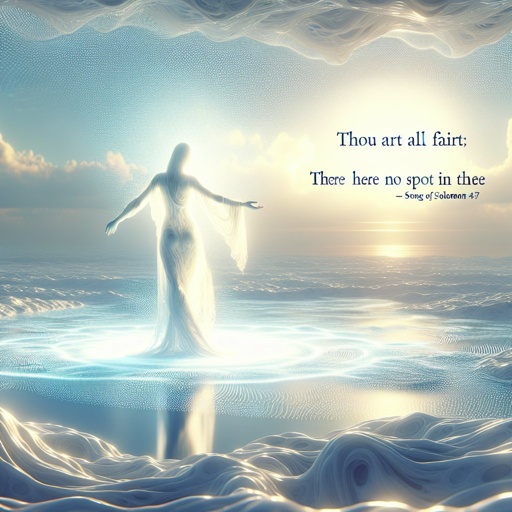
Song of Solomon 4:7 - "Thou art all fair, my love; there is no spot in thee."

Song of Solomon 4:15 - "A fountain of gardens, a well of living waters, and streams from Lebanon."
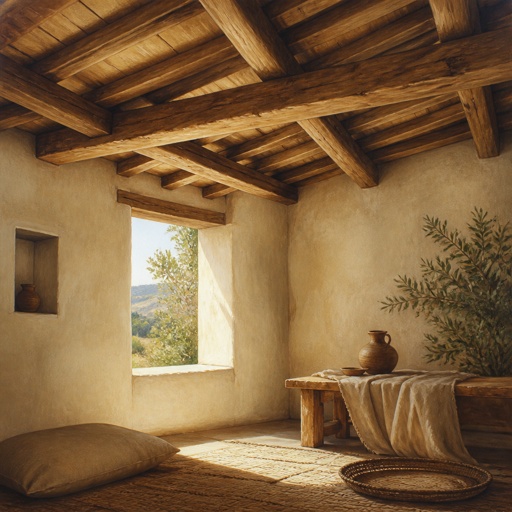
"The beams of our house are cedar, and our rafters of fir." - Song of Solomon 1:17

Song of Solomon 1:2 - "Let him kiss me with the kisses of his mouth: for thy love is better than wine."

Song of Solomon 1:3 - "Because of the savour of thy good ointments thy name is as ointment poured forth, therefore do the virgins love thee."