What does Song of Solomon 4:15 mean?
“A fountain of gardens, a well of living waters, and streams from Lebanon.” — Song of Solomon 4:15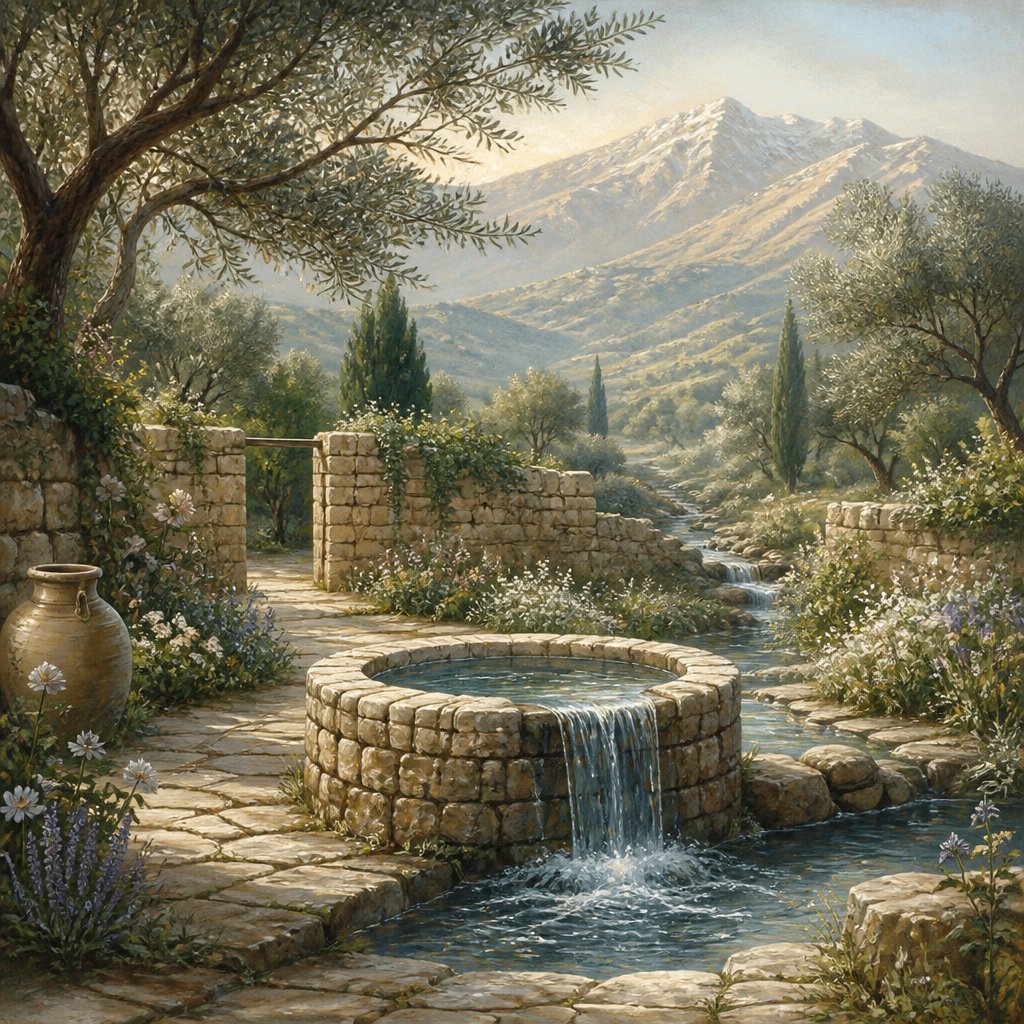
“Song of songs 4:15” in the King James Version reads, “A fountain of gardens, a well of living waters, and streams from Lebanon.”
Within its immediate context, this line belongs to a love poem in which the bridegroom is speaking to and about the bride. The surrounding verses (still in the same chapter) are saturated with the language of delight, praise, and invitation. The bride has just been described as a “garden inclosed,” “a spring shut up,” and “a fountain sealed” (Song of songs 4:12), imagery that emphasizes privacy, preciousness, and protected intimacy. Then, as the poem continues, the language shifts from enclosure and sealedness to overflow and abundance. Verse 15 crowns the garden imagery by naming the bride not merely as a guarded garden but as the source that makes gardens flourish: “a fountain of gardens.” The movement is significant. The beloved is not only valuable because she is kept, but also because she gives life, refreshment, and fruitfulness.
The themes in the verse are carried almost entirely by its symbols: fountain, well, living waters, and streams. In the world of Scripture, water is consistently a sign of life, cleansing, refreshment, and fertility. A fountain suggests a springing source rather than a stagnant pool; it is self-renewing, continuous, and pure. A well implies depth, hidden supply, and dependability. “Living waters” in the KJV phrase points to running water as opposed to still water; it evokes freshness and vitality, something that moves and therefore sustains. Taken together, “a well of living waters” presents the beloved as one in whom there is an inward, active, life-giving richness—an inner reality that is not exhausted by being drawn from.
The phrase “streams from Lebanon” intensifies the image by giving it geographic and poetic grandeur. Lebanon in Scripture is associated with height, majesty, and renowned natural beauty—particularly its forests and its cool, flowing waters fed by mountain sources. To speak of “streams from Lebanon” is to evoke water that comes down from elevated places, clear and cold, not tainted by the lowlands. It suggests abundance and excellence: not a trickle, but streams; not ordinary water, but water from a famed and lofty region. In the love-poem setting, the bride is being praised as refreshment that is both plentiful and noble in quality.
In terms of symbolism within the marital and romantic frame of the Song, the verse functions as intimate praise. The bride is portrayed as a uniquely treasured and exclusive source of delight for the bridegroom, and the water imagery complements the earlier garden language of spices, fruits, and pleasant plants (Song of songs 4:13–14). Gardens depend on water; spices and fruits depend on a hidden supply that makes growth possible. By calling her “a fountain of gardens,” the speaker is saying, in effect, that she is not only beautiful but also the means by which beauty and fruitfulness are sustained. The beloved is life-giving presence.
Many readers also recognize that the Song of Songs has long been received with a second, spiritual horizon of meaning in the wider biblical tradition, without denying the literal sense of marital love. In that broader way of reading, the “fountain,” “well,” and “living waters” can suggest spiritual vitality—inner grace that refreshes and gives life beyond the self. The beloved becomes an image of a people or a soul made fruitful and life-giving, and the “streams from Lebanon” suggest that what flows is not merely human sentiment but something with an elevated source, pure and strong. Even in that spiritual register, the verse retains the same essential force: true love is not barren or stagnant; it is fruitful, refreshing, and capable of sustaining life around it.
The significance of Song of songs 4:15, then, lies in how it gathers the chapter’s imagery into a single, vivid statement. It portrays the beloved as both protected treasure and overflowing supply, combining exclusivity with generosity, intimacy with abundance. The verse is an affirmation that love, as described here, is meant to be living water—pure, deep, and continually renewing—like streams that come down from Lebanon to make the garden thrive.
Get our apps


Artwork for Song of Solomon 4:15

Song of Solomon 4:15 - "A fountain of gardens, a well of living waters, and streams from Lebanon."
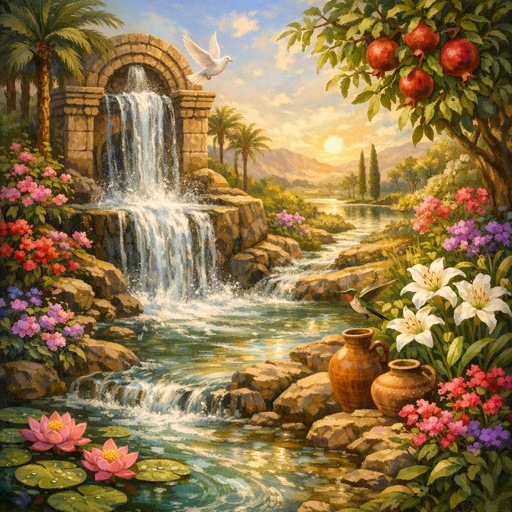
"A fountain of gardens, a well of living waters, and streams from Lebanon." - Song of Solomon 4:15
"A fountain of gardens, a well of living waters, and streams from Lebanon." - Song of Solomon 4:15

Song of Solomon 2:15

Song of Solomon 2:15

Song of Solomon 1:4

Song of Solomon 3:4

Song of Solomon 1:4

Song of Solomon 4:13 - "Thy plants are an orchard of pomegranates, with pleasant fruits; camphire, with spikenard,"
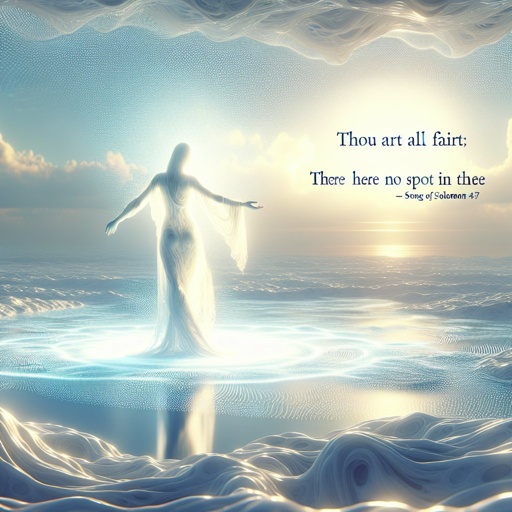
Song of Solomon 4:7 - "Thou art all fair, my love; there is no spot in thee."

Song of Solomon 4:12 - "A garden inclosed is my sister, my spouse; a spring shut up, a fountain sealed."

Song of Solomon 4:5 - "Thy two breasts are like two young roes that are twins, which feed among the lilies."

Song of Solomon 4:14 - "Spikenard and saffron; calamus and cinnamon, with all trees of frankincense; myrrh and aloes, with all the chief spices:"
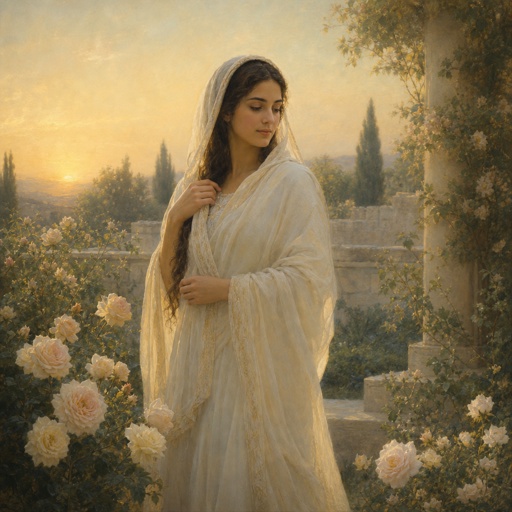
"Thou art all fair, my love; there is no spot in thee." - Song of Solomon 4:7

Song of Solomon 4:6 - "Until the day break, and the shadows flee away, I will get me to the mountain of myrrh, and to the hill of frankincense."

Song of Solomon 2:15 - "Take us the foxes, the little foxes, that spoil the vines: for our vines have tender grapes."

Song of Solomon 4:3 - "Thy lips are like a thread of scarlet, and thy speech is comely: thy temples are like a piece of a pomegranate within thy locks."
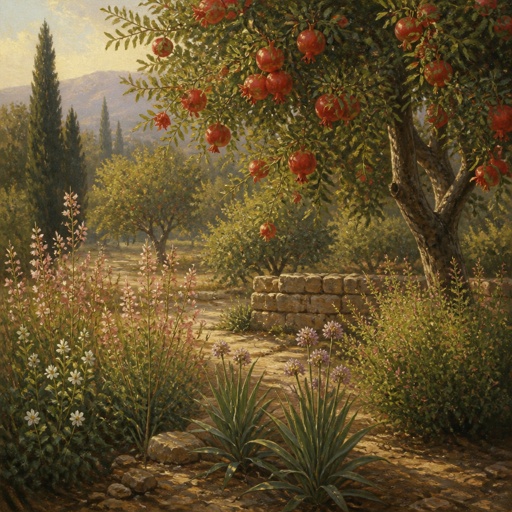
"Thy plants are an orchard of pomegranates, with pleasant fruits; camphire, with spikenard," - Song of Solomon 4:13

Song of Solomon 1:5 - "I am black, but comely, O ye daughters of Jerusalem, as the tents of Kedar, as the curtains of Solomon."

Song of Solomon 4:4 - "Thy neck is like the tower of David builded for an armoury, whereon there hang a thousand bucklers, all shields of mighty men."

Song of Solomon 2:4 - "He brought me to the banqueting house, and his banner over me was love."

Song of Solomon 4:9 - "Thou hast ravished my heart, my sister, my spouse; thou hast ravished my heart with one of thine eyes, with one chain of thy neck."

Song of Solomon 1:1 - "The song of songs, which is Solomon's."

Song of Solomon 1:15 - "Behold, thou art fair, my love; behold, thou art fair; thou hast doves' eyes."

Song of Solomon 5:15 - "His legs are as pillars of marble, set upon sockets of fine gold: his countenance is as Lebanon, excellent as the cedars."

Song of Solomon 5:4 - "My beloved put in his hand by the hole of the door, and my bowels were moved for him."

Song of Solomon 6:4 - "¶ Thou art beautiful, O my love, as Tirzah, comely as Jerusalem, terrible as an army with banners."

Song of Solomon 4:2 - "Thy teeth are like a flock of sheep that are even shorn, which came up from the washing; whereof every one bear twins, and none is barren among them."
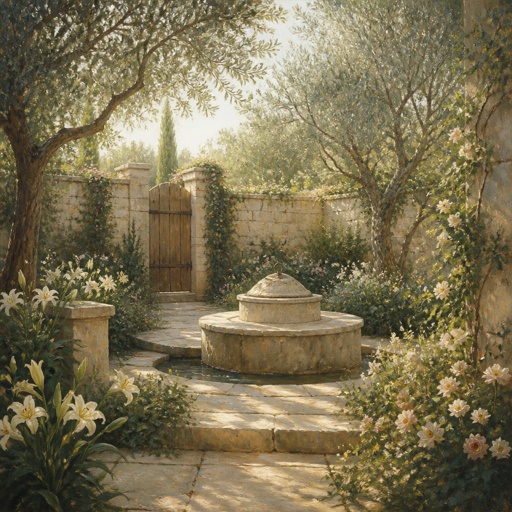
"A garden inclosed is my sister, my spouse; a spring shut up, a fountain sealed." - Song of Solomon 4:12
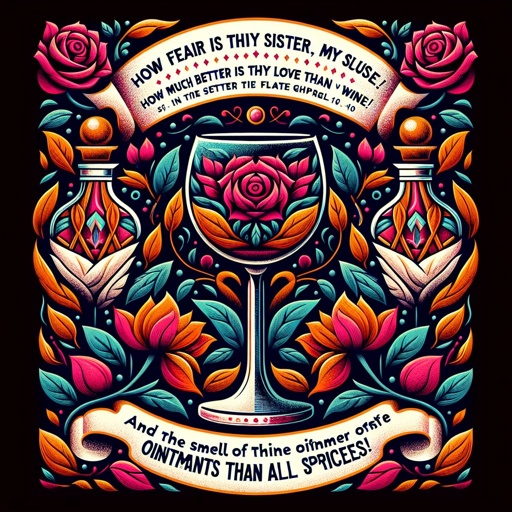
Song of Solomon 4:10 - "How fair is thy love, my sister, my spouse! how much better is thy love than wine! and the smell of thine ointments than all spices!"