
A scene depicting an interpretation of a Christian tale set in a period of earlier civilization. A man (potentially symbolic of 'Isaiah') is shown to be barefoot and minimally clothed, as consistent with the historical context. He is moving through a landscape that carries iconography suggestive of Egypt and Ethiopia – such as pyramids, river Nile, unique flora, fauna, and human attire. The style of this picture should draw upon the key traits of Impressionism - fleeting impressions of colour and light, subtle gradations, bulky brush strokes. Remember, no text or words are to be included in the image and the portrayal of everything should resonate with a respectful and devotional tone towards Christianity.
Free to use for non-commercial purposes with attribution. See Terms
And the Lord said, Like as my servant Isaiah hath walked naked and barefoot three years for a sign and wonder upon Egypt and upon Ethiopia
Impressionism
Study Isaiah 1:1
“The vision of Isaiah the son of Amoz, which he saw concerning Judah and Jerusalem in the days of Uzziah, Jotham, Ahaz, and Hezekiah, kings of Judah.”
Isaiah 1:1


More from Isaiah

Isaiah 39:5 - "Then said Isaiah to Hezekiah, Hear the word of the LORD of hosts:"

Isaiah 38:4 - "¶ Then came the word of the LORD to Isaiah, saying,"

Isaiah 37:5 - "So the servants of king Hezekiah came to Isaiah."

Isaiah 2:1 - "The word that Isaiah the son of Amoz saw concerning Judah and Jerusalem."

Isaiah 13:1 - "The burden of Babylon, which Isaiah the son of Amoz did see."

"¶ Then came the word of the LORD to Isaiah, saying," - Isaiah 38:4

"So the servants of king Hezekiah came to Isaiah." - Isaiah 37:5

isaiah 6:7

Isaiah 38:21 - "For Isaiah had said, Let them take a lump of figs, and lay it for a plaister upon the boil, and he shall recover."

Isaiah 37:2 - "And he sent Eliakim, who was over the household, and Shebna the scribe, and the elders of the priests covered with sackcloth, unto Isaiah the prophet the son of Amoz."

Isaiah 1:1 - "The vision of Isaiah the son of Amoz, which he saw concerning Judah and Jerusalem in the days of Uzziah, Jotham, Ahaz, and Hezekiah, kings of Judah."

Isaiah 48

Prophet Isaiah

Isaiah 53

Isaiah: 53

Isaiah 48

Isaiah 54

Isaiah 48

Isaiah 41

isaiah 41:10

isaiah 41:10

isaiah 41:10

isaiah 41:10

isaiah 41:10

isaiah 41:10

isaiah 41:10

isaiah 41:10
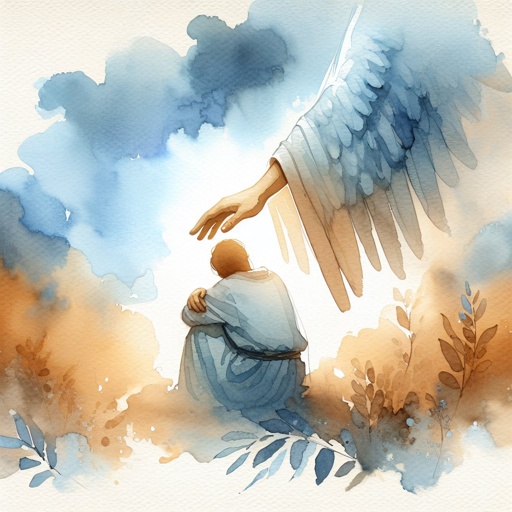
isaiah 41:10

isaiah 41:10

isaiah 41:10