The Imperishable Seed: Living in the Reality of Our New Birth
“Whosoever is born of God doth not commit sin; for his seed remaineth in him: and he cannot sin, because he is born of God.” — 1 John 3:9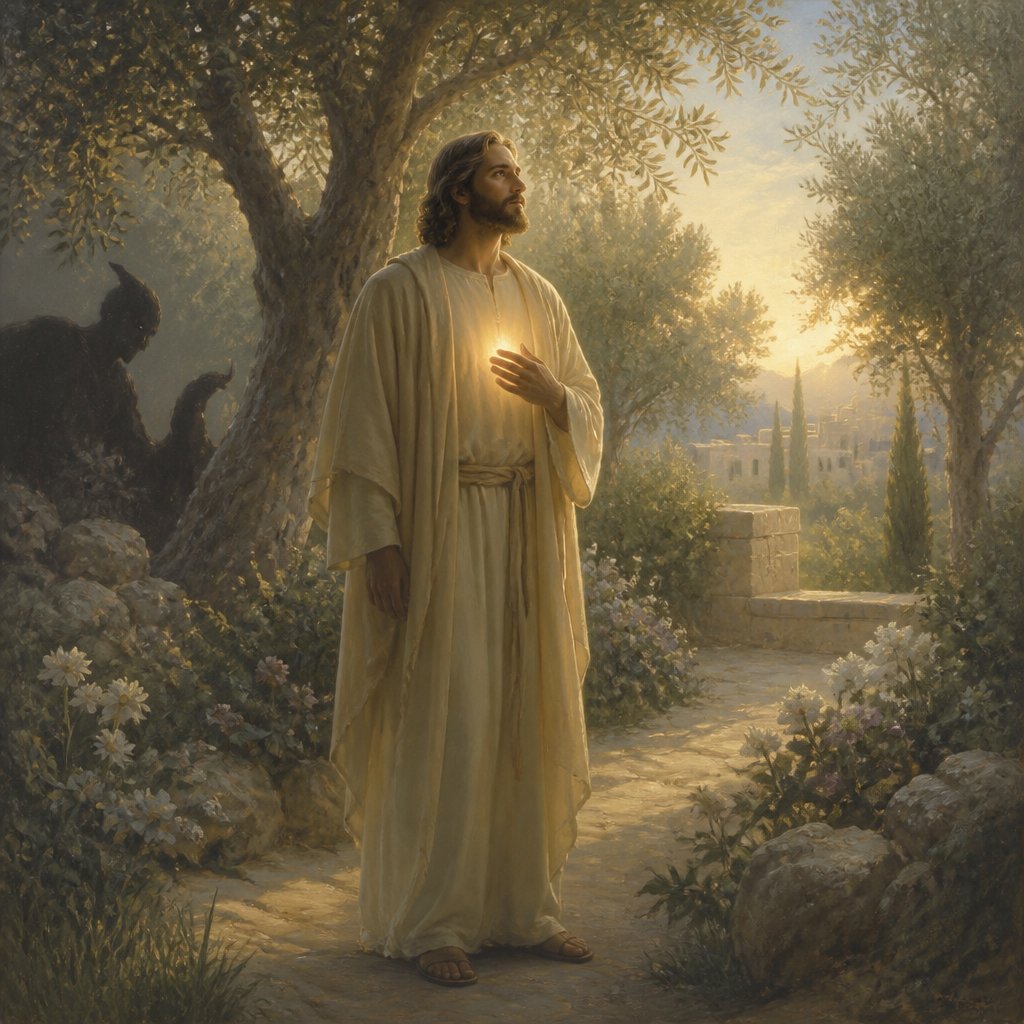
1 John 3:9 (KJV) says, "Whosoever is born of God doth not commit sin; for his seed remaineth in him: and he cannot sin, because he is born of God." This profound scripture invites us into a deeper understanding of our identity as children of God and the transformative power of being born again.
At first glance, this verse can seem perplexing, especially in the context of our daily struggles with sin. After all, each of us has moments when we fall short of God’s glory. We might even ask ourselves, "Does it mean I’m not truly born of God because I still struggle with sin?" To answer this question, we need to explore the meaning of being ‘born of God’ and the transformative nature of the seed that remains in us.
To be ‘born of God’ implies a radical spiritual awakening, a regeneration that occurs when we place our faith in Jesus Christ. This new birth is not a mere reformation of behavior but an entire metamorphosis involving the heart, soul, and spirit. The seed referenced in this verse is the divine nature of God that has been infused into our lives through the Holy Spirit. Just as a seed carries the potential of life within it, the divine seed implanted in us carries the potential for holiness and righteousness.
When John declares that "he cannot sin," he is not suggesting that a Christian can achieve sinless perfection in this life. Rather, he points to the trajectory of our lives post-conversion. The born-again believer possesses a new nature that is diametrically opposed to sin. This new nature creates an overwhelming desire to pursue righteousness and reject sin. Saint Augustine once shared, "Love God, and do what you will." This means that if we truly love God—with this divine nature within us—we will naturally avoid sin as our hearts align with God’s desires.
The persistence of sin in the life of a believer may signify not a contradiction to their status of being born of God, but an ongoing struggle against the remnants of the old nature and the influences of a fallen world. Paul echoes this struggle in Romans 7, where he describes the conflict between the spirit and the flesh. However, we must also realize that the presence of this struggle is evidence of the new birth; it signals the presence of the Holy Spirit at work in our lives, drawing us back towards God each time we fall.
If the seed of God truly remains in us, it guarantees that we are under a continual process of sanctification. This process involves yielding to the Holy Spirit, allowing Him to prune us and refine our character. It’s a call to actively step into our identity as children of God, which means that we should not be discouraged by failings but instead motivated by God’s grace to pursue a life of holiness. We must remember that our acceptance by God is based on our faith in Christ, not on our performance.
Living in the fullness of being born of God challenges us to daily live out our identity. This can be achieved through deepening our relationship with God through prayer, studying the Word, and engaging in a community of believers who encourage us toward righteousness. We are called to reflect on the nature of God’s seed in us and to embrace the changes it brings in our thoughts, actions, and desires.
In conclusion, let us remember that being born of God is not an invitation to perfectionism but an invitation to transformation. As we walk in the reality of our new birth, let us embrace the truth that God’s seed enables us to resist sin and empowers us to live righteously. Armed with this knowledge, may we rise each day to affirm our identity as children of God, committed to living out His calling in the world.
Get our apps


Artwork for 1 John 3:9

1 John 3:9 - "Whosoever is born of God doth not commit sin; for his seed remaineth in him: and he cannot sin, because he is born of God."
"Whosoever is born of God doth not commit sin; for his seed remaineth in him: and he cannot sin, because he is born of God." - 1 John 3:9

John 9:1-3

3 John 1:9 - "I wrote unto the church: but Diotrephes, who loveth to have the preeminence among them, receiveth us not."

John 3:9 - "Nicodemus answered and said unto him, How can these things be?"

1 John 3:1-3

John 3:3

1 John 1:9

John 3:3-8

John 10:9
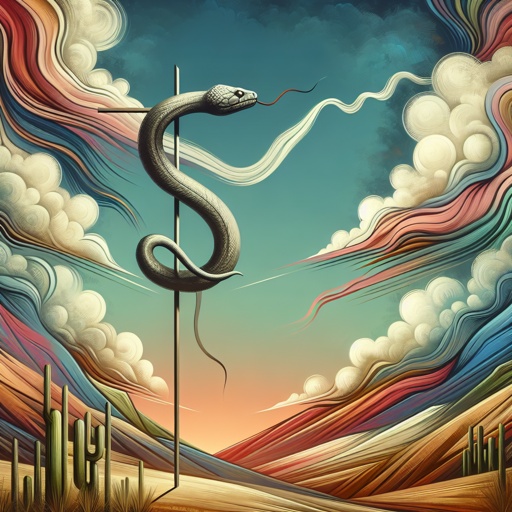
numbers 21:8-9 & John 3:14

John 9:1-41

1 John 3:4 - "Whosoever committeth sin transgresseth also the law: for sin is the transgression of the law."

1 John 3:13 - "Marvel not, my brethren, if the world hate you."

John 3:14

John 3:16

John 1:3

John 1:3

John 3:16

John 3:16

John 3:16

John 3-16

John 3:16

John 3:16
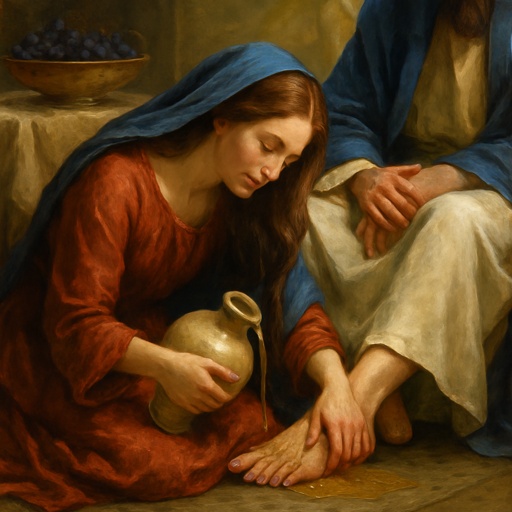
John 12:3
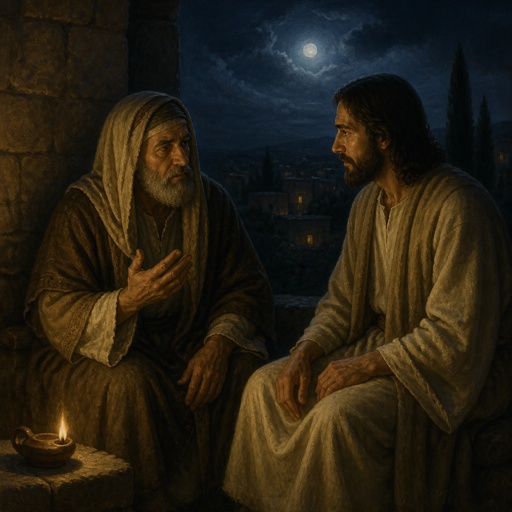
"Nicodemus answered and said unto him, How can these things be?" - John 3:9

1 John 3:3 - "And every man that hath this hope in him purifieth himself, even as he is pure."

1 John 3:6 - "Whosoever abideth in him sinneth not: whosoever sinneth hath not seen him, neither known him."

"Marvel not, my brethren, if the world hate you." - 1 John 3:13

1 John 3:20 - "For if our heart condemn us, God is greater than our heart, and knoweth all things."